








The unveiling of the Tudor Northflag GMT, reference M9140G1A0U, represents a significant evolution in the brand’s contemporary catalog, signaling a departure from the traditional, singular annual release cycle long associated with Swiss watchmaking giants. Launched in September 2026, this timepiece serves as a second-generation successor to the original North Flag collection, which first debuted in 2015. By integrating a GMT complication and refining the movement architecture, Tudor is signaling a broader institutional strategy to diversify its product offerings outside of the industry-standard Watches & Wonders event window.

Chronology of the North Flag Collection
The history of the North Flag series is defined by a decade of experimentation. When the collection was introduced in 2015, it was marketed as a robust, cold-weather-ready tool watch designed for polar exploration. At the time, the model featured a unique, in-house movement with a power reserve indicator—a rarity for the brand—but struggled to find a consistent foothold within the broader Tudor portfolio. Market feedback during the mid-2010s indicated that while the watch was technologically sound, its aesthetic identity was perceived as somewhat detached from the heritage-focused design language that propelled the Black Bay and Pelagos lines to dominance.
Following the quiet discontinuation of the original series, the "Northflag" moniker remained dormant until its sudden 2026 revival. The transition from the original power-reserve-centric model to the current GMT iteration marks a strategic repositioning. Tudor has moved away from the specific "polar explorer" narrative, opting instead to present the watch as a modern, utilitarian tool for international travel and daily professional use.

Technical Specifications and Engineering Advancements
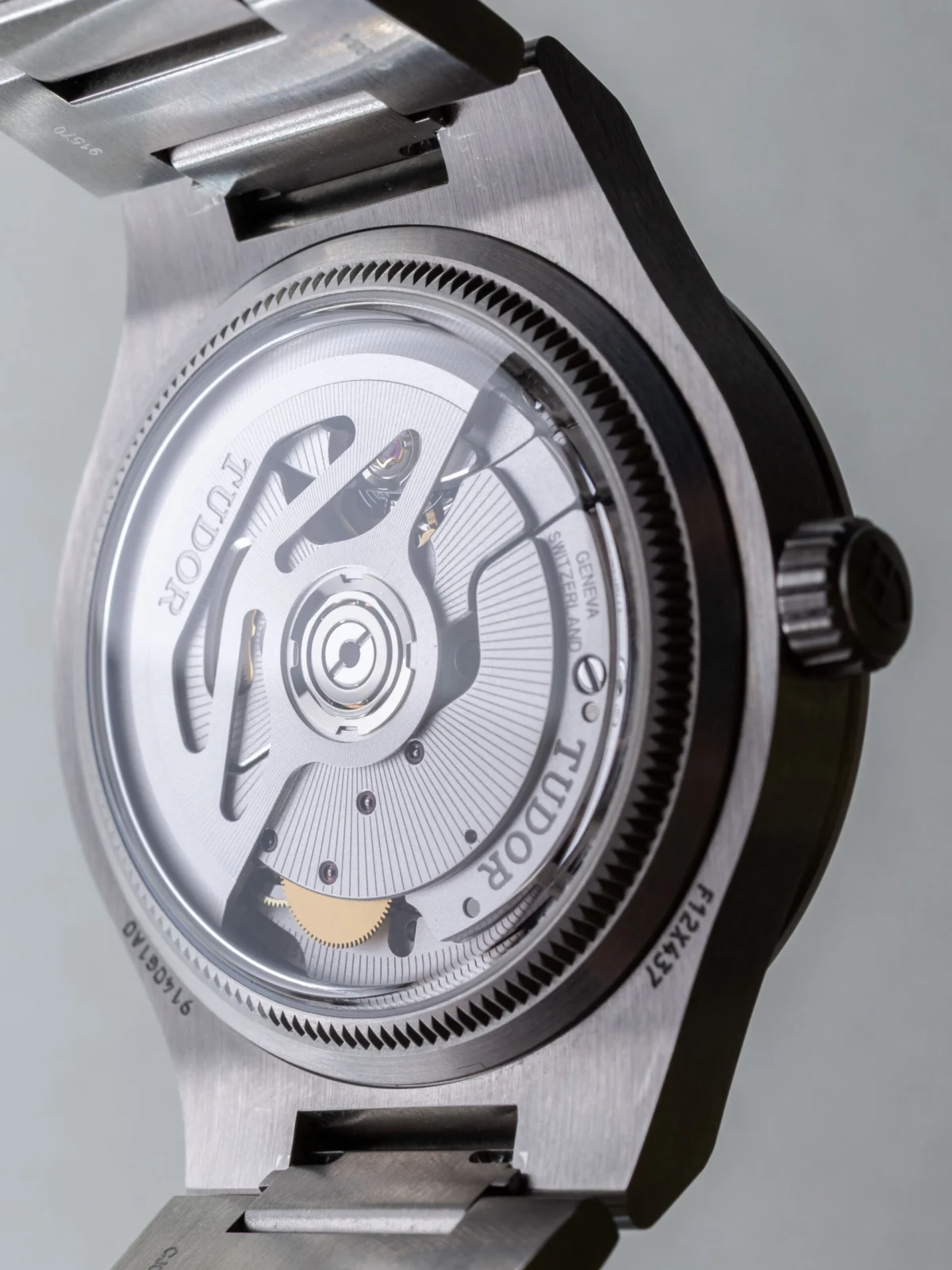
The 2026 Tudor Northflag GMT is powered by the in-house caliber MT5652-U, a movement that represents the pinnacle of current Tudor mechanical engineering. This automatic movement is both COSC-certified and METAS-certified, granting it the "Master Chronometer" designation. This certification involves rigorous testing, including precision checks, magnetic field resistance, and water-resistance verification under real-world conditions.
The movement operates at a frequency of 4Hz (28,800 vibrations per hour) and provides a power reserve of approximately 65 hours, allowing the watch to be taken off on a Friday evening and remain running through the following Monday morning. The GMT functionality is provided by a dedicated 24-hour hand, which allows for the tracking of a second time zone, a feature highly sought after in the modern travel-watch market.

Physically, the watch is constructed from a 40mm stainless steel case with a thickness of 12.7mm. The design utilizes a box-style, anti-reflective sapphire crystal, which provides clarity and protection while maintaining a low profile on the wrist. Water resistance is rated to 100 meters, ensuring durability for diverse environments. One of the most notable technical updates is the inclusion of the T-Fit rapid adjustment system within the deployant clasp of the two-link steel bracelet, allowing the wearer to make precise fit adjustments without the need for specialized tools.
Market Context and Industry Timing
The decision to release the Northflag GMT outside of the traditional spring trade show cycle, such as Watches & Wonders, has sparked debate among industry analysts regarding the efficacy of decentralized product launches. Historically, major luxury watch manufacturers synchronized their new model debuts to capture maximum media attention within a compressed time frame. By breaking this pattern, Tudor—along with its sister brand, Rolex—is testing the feasibility of a continuous news cycle.

Market data suggests that while "surprise" launches can generate significant short-term social media engagement, they also risk "product fatigue" among consumers. When new models are released sporadically, it can create a state of uncertainty for potential buyers who may delay a purchase fearing that a more desirable version of the product is imminent. Despite these concerns, the brand’s financial stability allows for sustained marketing efforts that transcend the initial launch window, potentially mitigating the risks of a fragmented release strategy.
Competitive Positioning
Priced at $5,525 USD, the Northflag GMT is positioned in the mid-to-high tier of the Tudor catalog, placing it in direct competition with the brand’s existing GMT offerings, such as the Black Bay GMT. However, the Northflag occupies a distinct design space. Whereas the Black Bay line relies heavily on vintage cues and soft, curved aesthetics, the Northflag utilizes a matte-finished, angular design language that emphasizes utility over nostalgia.

The dial is characterized by its high-contrast white indices and applied hour markers against a matte black background, ensuring maximum legibility. The use of yellow accents for the seconds hand and the GMT hand serves as a visual identifier for the series, adding a pop of color to an otherwise monochromatic, utilitarian interface. By removing the polished elements found on earlier Tudor models, the brand has solidified the Northflag’s identity as a strictly functional tool watch.
Broader Implications and Institutional Strategy
The emergence of the Northflag GMT raises questions about the future trajectory of the Tudor brand. By leveraging the Master Chronometer status and incorporating modern features like the T-Fit clasp, Tudor is aggressively moving to challenge the market share of premium tool-watch manufacturers. The brand appears to be shifting from a secondary role behind its sister company to a primary innovator, particularly in the adoption of METAS certification across its core models.

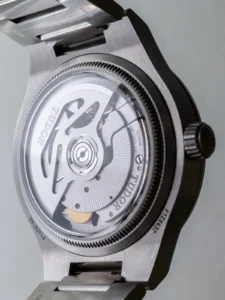
Furthermore, the transparent caseback—a feature rarely seen in the brand’s historical catalog—indicates a growing confidence in the visual appeal and finishing of its in-house movements. This move invites consumers to view the watch not just as a tool, but as a piece of high-precision mechanical art.
As the watch industry continues to navigate a shifting retail landscape, where digital direct-to-consumer sales and social media awareness are becoming as vital as physical retail, the Northflag GMT serves as a case study in how heritage brands can evolve. Whether the market will fully embrace the "Tudor of tomorrow" aesthetic remains to be seen, but the technical specifications and competitive pricing suggest that the brand is committed to capturing a demographic that values mechanical performance over brand heritage alone.

Conclusion
The 2026 Tudor Northflag GMT represents a calculated effort to modernize the brand’s identity through technical superiority and a departure from the constraints of traditional release calendars. By focusing on utility, high-performance certification, and ergonomic refinement, Tudor is positioning the model as a serious contender for the modern professional. While the strategy of off-cycle releases continues to be a point of contention within the industry, the product itself arrives as a highly capable, well-engineered instrument, marking a decisive step forward for the brand in the latter half of the decade. The model is currently available through authorized retailers, with further technical documentation and service information accessible via the official Tudor portal.