








The winter outerwear market has long relied on materials that exact a heavy toll on the global environment. Conventional puffer jackets, which serve as a seasonal staple for both outdoor expeditions and urban commuting, are frequently constructed from fossil fuel-derived polyvinyl chloride (PVC) and virgin polyester, or filled with duck down feathers acquired through intensive farming practices. As consumer awareness shifts toward climate accountability, the fashion industry faces mounting pressure to reevaluate the lifecycle of its coldest-weather garments. A more sustainable puffer jacket requires a fundamental shift in material science, moving away from virgin synthetics and animal-derived insulation toward recycled alternatives, organic cotton, and innovative plant-based down substitutes.
The Evolution of Sustainable Outerwear: A Chronological Shift
For decades, the standard for winter warmth meant choosing between heavy wool coats or petroleum-intensive nylon puffers packed with down feathers. The environmental awakening of the fashion industry began in earnest during the early 2010s, as textile waste statistics revealed that millions of tons of clothing ended up in landfills annually.
By the mid-2010s, outdoor apparel pioneers started experimenting with post-consumer recycled polyethylene terephthalate (rPET), derived primarily from discarded plastic bottles. This innovation aimed to divert plastic waste from oceans and landfills, transforming single-use bottles into durable textile fibers.
Entering the 2020s, the focus expanded beyond shell fabrics to interior insulation. Traditional down harvesting faced intense scrutiny from animal welfare organizations, prompting brands to engineer ethical, cruelty-free alternatives. Innovations in plant-based insulation, such as agricultural waste fibers, kapok, and organic cotton blends, emerged as viable thermal solutions. Concurrently, independent rating organizations and sustainability directories—such as Good On You—began formalizing comprehensive assessment metrics to evaluate fashion brands based on their impact on people, the planet, and animals. By 2026, sustainable outerwear transitioned from a niche market segment to a competitive commercial category, driven by stricter consumer demands for supply chain transparency and circular economy practices.
Anatomy of a Responsible Puffer: Materials and Mechanics
Evaluating the sustainability of a puffer jacket involves dissecting its three primary components: the outer shell, the inner lining, and the thermal insulation. Conventional manufacturing utilizes virgin synthetics that require intensive extraction of fossil fuels, consuming significant energy and releasing high volumes of greenhouse gases.
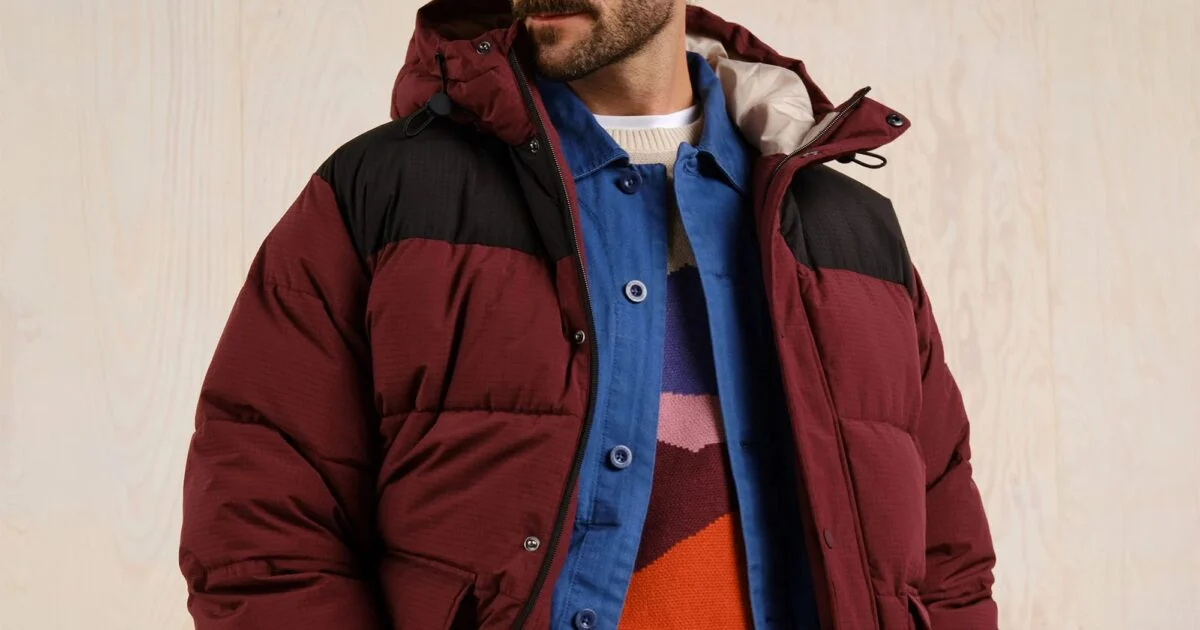
In contrast, responsible puffers frequently employ a hybrid of recycled and recyclable PET plastic, organic cotton, and plant-based fills. While recycled synthetics like rPET do not represent a flawless ecological solution—primarily because they still shed microplastics during laundering—they offer a notable improvement over virgin materials by keeping existing non-biodegradable polymers in circulation and reducing the demand for new petroleum extraction.
Industry experts and environmental advocates point out a crucial nuance regarding outerwear maintenance: unlike everyday apparel such as T-shirts or dresses, puffer jackets are laundered infrequently. This reduced frequency significantly mitigates the continuous shedding of microplastics during washing cycles. Nevertheless, consumers committed to minimizing their environmental footprint are advised to adopt specific protective measures, such as washing outerwear sparingly, utilizing specialized garment bags (such as guppyfriend bags) to capture microfibers, and verifying whether manufacturers offer end-of-life take-back, repair, or recycling programs. Ultimately, material selection remains a balancing act between durability, thermal performance, and individual consumer values.
Curated Overview of Ethical Outerwear Brands
Several contemporary brands have restructured their manufacturing models to address the environmental challenges of winter fashion. These companies employ various strategies, ranging from material upcycling to community-based reforestation initiatives.
NIKIN
Headquartered in Switzerland, NIKIN has positioned its brand identity around environmental restoration and transparent consumer engagement. The company integrates sustainability into its commercial model by partnering with reforestation organizations to plant a tree for every product purchased. This initiative allows consumers to actively participate in global carbon sequestration efforts while outfitting themselves in cold-weather gear produced in compliance with audited labor and environmental standards. The brand’s product lines are typically offered in an inclusive size range spanning from XS to 2XL.
SeamsFriendly
Addressing the persistent issue of sizing waste and improper fits—which frequently leads to discarded garments—SeamsFriendly specializes in customizable clothing designed for diverse body types, heights, and proportions. The brand provides extensive sizing options across womenswear (accommodating bust sizes from 26 inches to 70 inches and waist measurements from 19 inches to 63 inches, with petite, regular, and tall height configurations) and menswear (offering chest dimensions starting at 34 inches and scaling up to 76 inches and beyond with free custom sizing). By tailoring garments to individual specifications upon order, SeamsFriendly minimizes unsold inventory and overproduction, contributing to a more efficient and waste-conscious manufacturing ecosystem.
tentree
Canadian lifestyle brand tentree operates on an Earth-first manufacturing philosophy, ensuring fair and safe working conditions throughout its supply chain while prioritizing lower-impact and recycled materials. As part of its core regenerative mission, tentree commits to planting ten trees for every item purchased. Having already planted over 65 million trees globally, the brand focuses on ecosystem restoration and creating stable employment opportunities for local planting communities. Its apparel offerings are generally available in sizes ranging from XS to XL.
BEDI
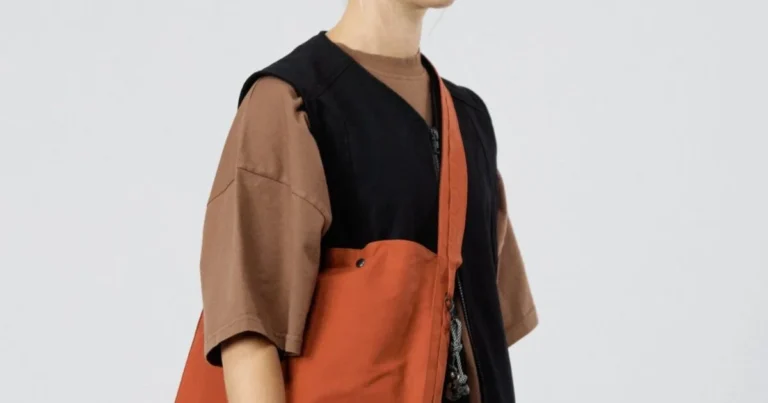
BEDI focuses on minimalist winter outerwear and accessories, utilizing unconventional recycled materials to divert industrial waste from landfills. The brand incorporates salvaged elements such as discarded automotive seatbelts alongside recycled nylon to construct durable, high-performance garments. By leveraging local manufacturing networks and circular design principles, BEDI demonstrates how urban waste streams can be successfully reintegrated into high-end fashion design. The brand’s collection is available in sizes XS through XL.
Wuxly Movement
Combining advanced technical performance with strict ethical guidelines, Canadian outerwear brand Wuxly Movement produces high-end winter coats entirely free of animal products. Drawing upon Canada’s historical heritage in quality apparel manufacturing, the brand was founded to demonstrate that extreme-weather gear does not require duck down, fur, or other animal-derived inputs. Wuxly utilizes innovative, recycled tech-based materials to deliver elite thermal protection while maintaining a transparent, cruelty-free supply chain. The brand offers an inclusive sizing range extending from 2XS to 3XL.
Broader Industry Implications and Future Outlook
The transition toward sustainable puffer jackets reflects a broader structural transformation within the global apparel industry. As regulatory bodies in regions such as the European Union introduce stricter mandates regarding green claims, extended producer responsibility (EPR), and textile waste management, fashion brands are compelled to substantiate their sustainability metrics with verifiable data.
The market for ethical outerwear is projected to expand significantly over the next decade. Analysts note that consumer demand is no longer satisfied by superficial marketing campaigns; buyers increasingly demand absolute traceability, verifiable labor standards, and circular product lifecycles. Brands that fail to adapt face both regulatory penalties and declining consumer loyalty.
Conversely, companies investing in innovative material sciences—such as biodegradable synthetic alternatives, plant-based insulation matrices, and closed-loop recycling infrastructure—are positioning themselves as industry leaders. The future of winter outerwear relies on the successful convergence of high-performance durability and uncompromising environmental stewardship, proving that warmth in cold weather need not come at the expense of the planet.