









While wristwatches and timepieces function as mechanical instruments defined by technical parameters and performance benchmarks, the process of selecting a watch remains a profoundly human endeavor rooted in personal aesthetic preference, historical appreciation, and individual identity. As digital platforms increasingly transition from search-based information retrieval to algorithmically driven content feeds, a critical discourse has emerged regarding the influence of automated curation on the hobby of horology. This shift in information consumption raises significant questions about the autonomy of the modern collector and the long-term impact of software-led recommendations on the appreciation of mechanical craftsmanship.
The Evolution of Information Discovery in Horology
The digital age initially acted as a catalyst for the democratization of the luxury watch industry. Before the dominance of social media, access to specialized knowledge regarding horology was largely gated by print publications, niche forums, and exclusive physical retail experiences. The emergence of platforms like Instagram in the early 2010s transformed this landscape by providing a global stage for enthusiasts to share their collections, engage with brands, and access technical data that was previously obscured.
During this foundational period, the interaction between the collector and the content was largely intentional. Users actively sought out specific brands, horological complications, or historical movements. This "search-led" model allowed the collector to remain the primary driver of their own discovery process. However, the architecture of these platforms shifted significantly between 2015 and 2020. Developers moved away from chronological feeds toward algorithmic curation, prioritizing "engagement" metrics over intentional discovery. This change meant that instead of providing a response to a specific human query, platforms began predicting and suggesting content based on historical usage patterns, fundamentally altering how collectors are introduced to new timepieces.

The Mechanics of Algorithmic Tyranny
The transition from search to recommendation-based discovery is not unique to horology; it is a broader trend observed across the digital economy. The "feed" model, pioneered by platforms like Netflix and later adopted by social media giants, relies on machine learning models designed to maximize time-on-platform. In the context of luxury goods, this presents a conflict of interest.
Data from the Digital Media Research Center suggests that recommendation algorithms are optimized for "high-probability retention," which often results in the reinforcement of existing preferences rather than the exploration of new horological disciplines. For a collector, this creates a "filter bubble" where an enthusiast interested in mid-century chronographs may never be exposed to the complexities of independent high-horology or grand complications, simply because the algorithm lacks a financial or engagement-based incentive to deviate from the established user profile.
Comparative Case Study: The Netflix Model and Its Industry Parallels
The impact of algorithmic curation on cultural literacy is perhaps most clearly documented in the entertainment industry. Netflix, which famously invested hundreds of millions of dollars into its recommendation engine, serves as a primary case study for the risks of prioritizing automation over human curation.
Analysis from media economists indicates that the Netflix algorithm functions as an internal business tool rather than a neutral discovery engine. By prioritizing proprietary content—which incurs lower royalty costs than licensed third-party cinema—the platform effectively directs consumer attention away from a broader, more historically diverse range of films. In the watch industry, a parallel risk exists. If marketplace platforms or social media feeds begin to prioritize watches that offer higher affiliate commissions or those with broader, "mass-market" appeal, the nuanced, granular appreciation of horological history may be sacrificed for content that generates quick, superficial engagement.
Chronology of Digital Curation
- 2005–2010: The rise of enthusiast forums and independent horology blogs establishes a "human-to-human" model of expertise. Information is gathered through active search and community discourse.
- 2010–2015: The "Social Media Democratization" phase. Platforms like Instagram allow for direct access to brands and master watchmakers, increasing the hobby’s accessibility while maintaining a user-led discovery model.
- 2016–2020: The shift to algorithmic feeds. Platforms move from chronological, user-curated streams to machine-learning-driven suggestions, prioritizing engagement and retention.
- 2021–Present: The "Automated Curation" era. The integration of AI-driven shopping assistants and personalized feeds begins to replace traditional editorial discovery, prompting concerns regarding the loss of independent, human-vetted horological knowledge.
Expert Perspectives on Human-Led Discovery
Leading industry experts, including editorial teams at long-standing watch publications, argue that the value of horological expertise lies in the ability to contextualize a timepiece. A mechanical watch is not merely a product; it is the culmination of centuries of engineering, aesthetic design, and historical narrative.
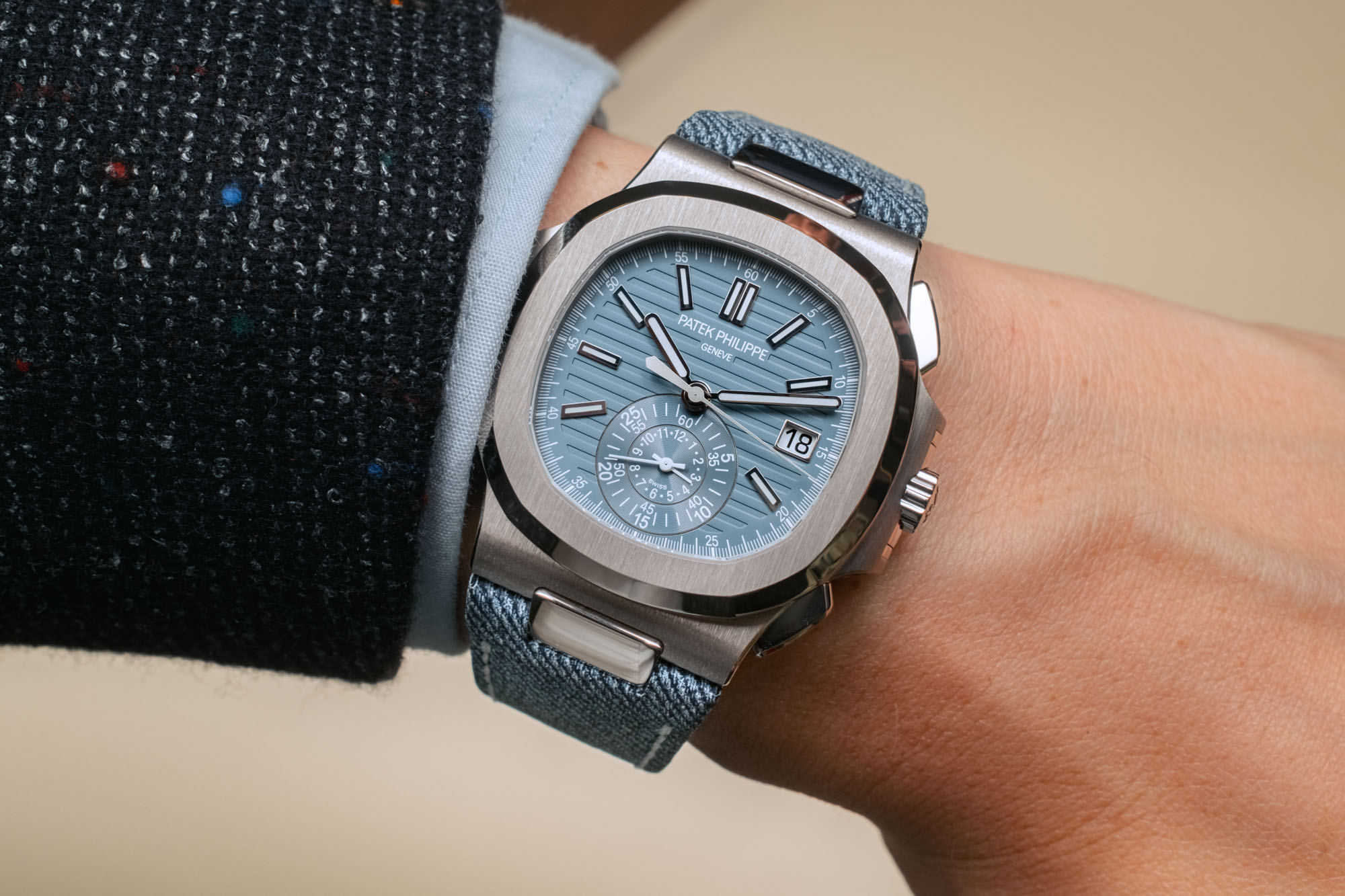
Industry analysts point out that human curators provide something an algorithm cannot: the ability to identify "cultural relevance." An algorithm may identify that a user likes stainless steel sports watches, but it cannot explain the historical significance of the 1972 Royal Oak or the engineering evolution of the modern chronograph movement. This capacity for storytelling and historical contextualization is what separates a collector from a passive consumer. Professional editors and horological experts serve as a filter of quality, ensuring that the collector’s journey is guided by technical merit and historical importance rather than the profit-driven mandates of a digital platform.
Broader Implications for the Collector Ecosystem
The reliance on software-based curation carries significant long-term implications for the market. First, it risks the homogenization of taste. When algorithms dictate the discovery of watches, the market may see a decrease in the diversity of collections, as collectors converge toward a narrow subset of "trending" models favored by the algorithm.
Second, there is the issue of cognitive offloading. As collectors rely more on automated suggestions, the impetus to research, study, and develop personal taste is diminished. The "curated feed" provides an illusion of choice while subtly limiting the scope of what is considered desirable.
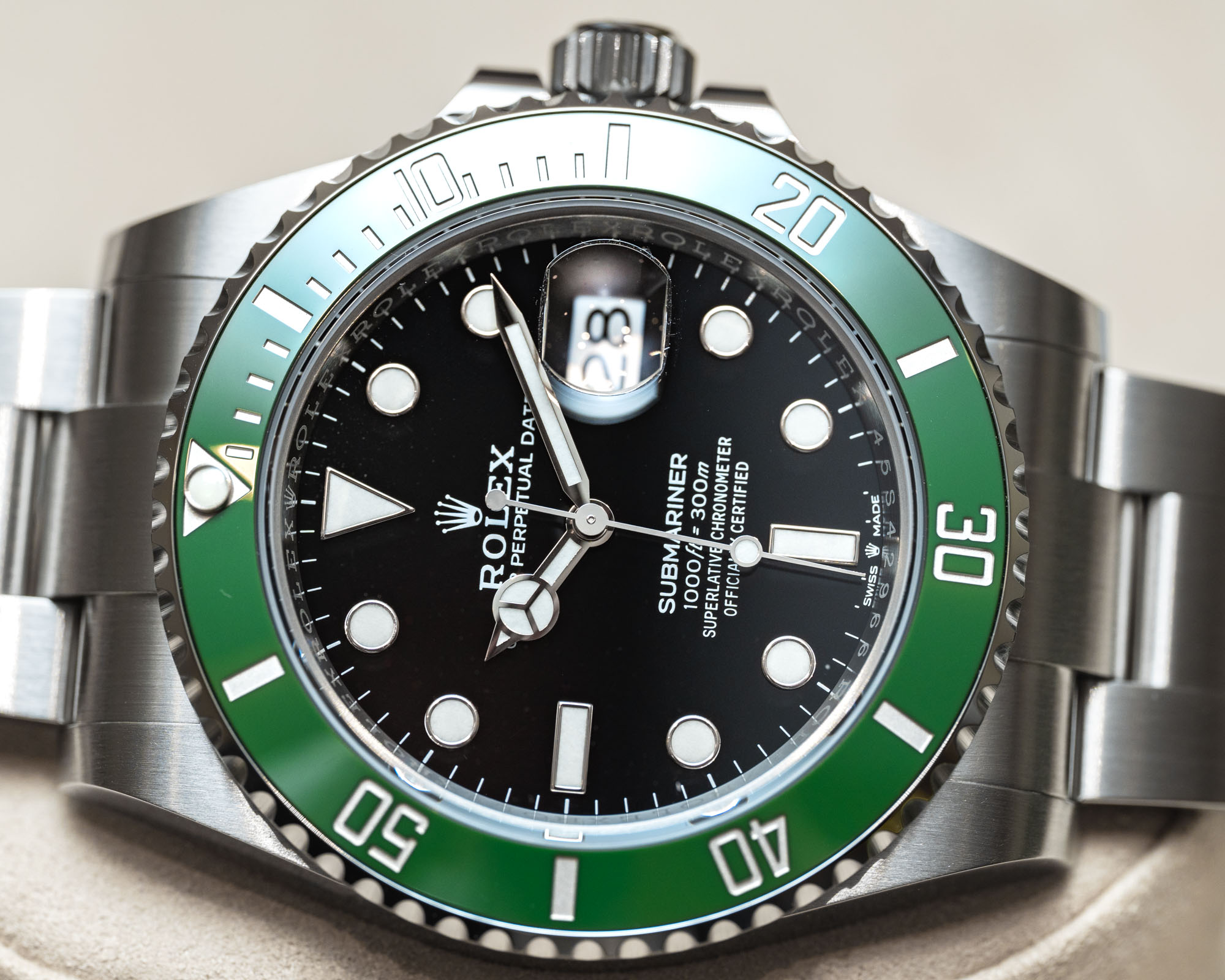
Finally, the integrity of the hobby is at stake. The fundamental allure of mechanical watches lies in their enduring nature and the human craftsmanship required to create them. Relying on transient, data-driven software to guide the appreciation of these instruments creates a disconnect between the nature of the object and the method of its discovery.
Conclusion: A Call for Intentionality
As the digital landscape continues to evolve, the necessity for intentional search and human-led curation becomes more pronounced. For the serious collector, the recommendation remains the same: treat the "feed" as a secondary utility, not a primary source of knowledge. Engaging with independent journals, historical archives, and direct community discourse ensures that the path of horological appreciation remains firmly in the hands of the individual.
The future of watch collecting should be defined by personal discovery and the pursuit of objects that reflect one’s individual values, rather than those suggested by an automated system designed for corporate optimization. By prioritizing human expertise and active research, the hobby can maintain its status as a pursuit of passion and knowledge, independent of the shifting sands of algorithmic influence.