






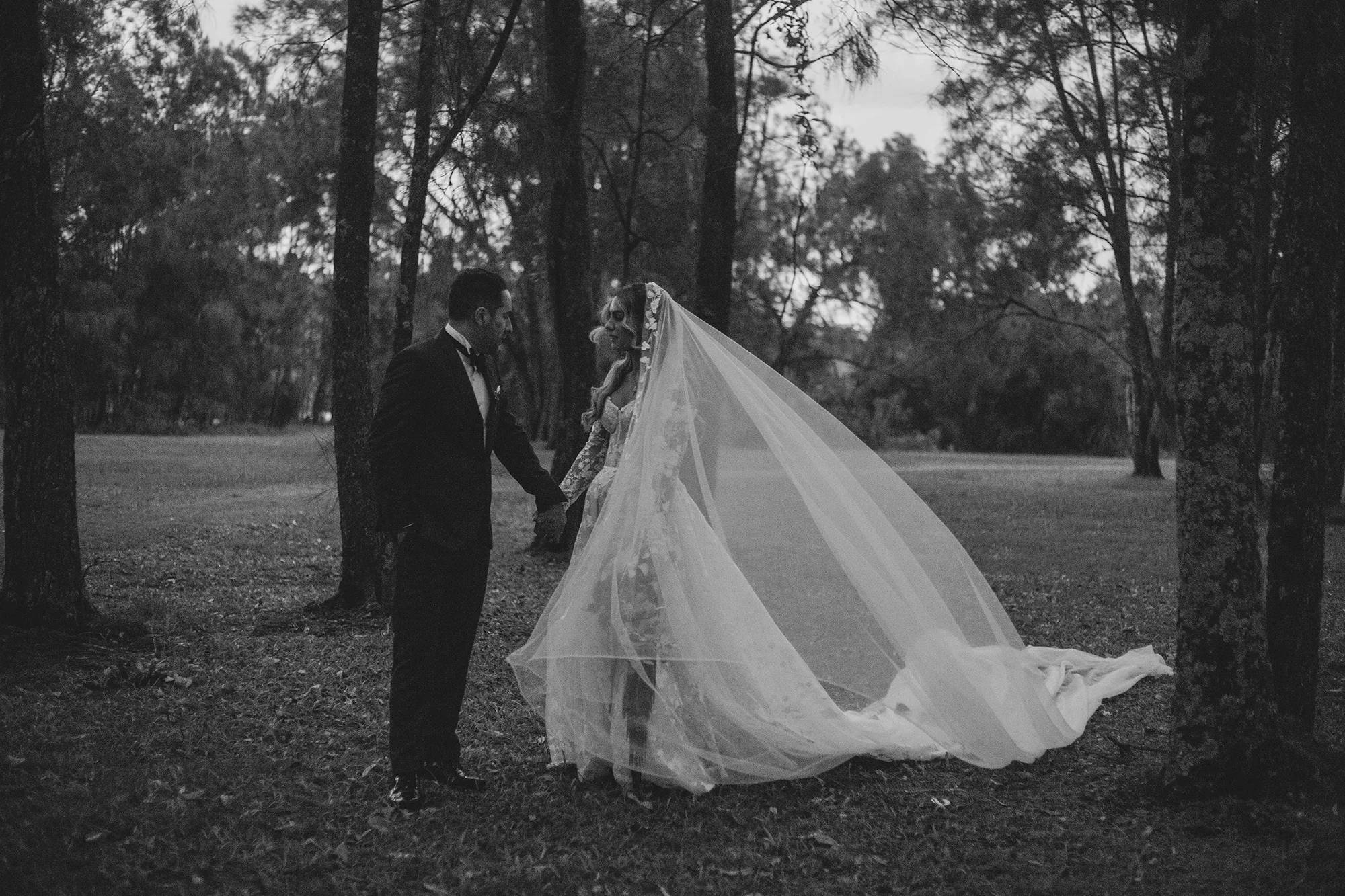
The Evolution of Analogue Wedding Documentation
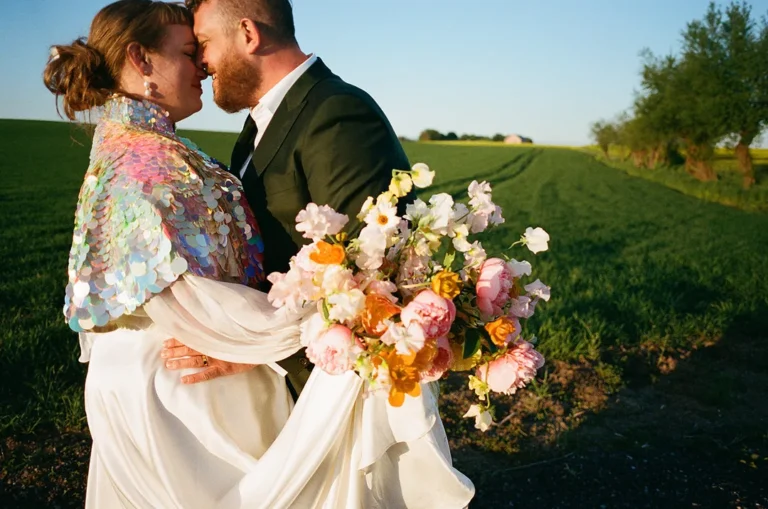
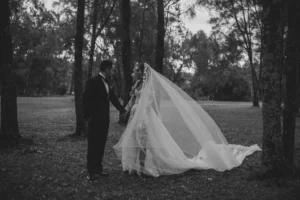
The rise of hybrid photography—the simultaneous use of digital cameras and analogue film—reflects a growing consumer desire for tangible, "timeless" visual assets. Research into wedding photography trends indicates that couples are moving away from the over-saturated, clinical aesthetic that dominated the early 2010s in favor of a more organic, cinematic look. By integrating 35mm film, which offers unique color science and grain structures, and the nostalgic motion of Super 8, practitioners like Noble are positioning their work as archival art rather than mere event documentation.
For many modern couples, the value of this approach lies in the "transient permanence" of film. Unlike digital files, which are often left unprinted, film photography necessitates a slower, more deliberate process. This aligns with a wider industry trend of "slow weddings," where the focus is redirected toward the emotional narrative of the event rather than the logistics of the production.
Profiles in Professional Practice: The Role of the Photographer
The professional relationship between a couple and their photographer has undergone a significant transformation. Modern wedding photography requires more than technical proficiency; it demands high emotional intelligence and the ability to act as a facilitator of atmosphere. Lisa Noble, the founder of The Light Photo & Film, emphasizes that the most successful results occur when the photographer acts as an invisible, yet guiding, presence.
This philosophy is supported by current industry standards in wedding management, which encourage photographers to act as "day-of" support systems. By minimizing the intrusion of the camera, photographers can capture genuine reactions—a technique often referred to as "documentary-style" or "candid" photography. Data from wedding planning platforms suggest that couples who feel at ease with their photographer are 40% more likely to report satisfaction with their final wedding galleries, as the absence of self-consciousness allows for more natural portraiture.
Technical Methodology and Creative Philosophy
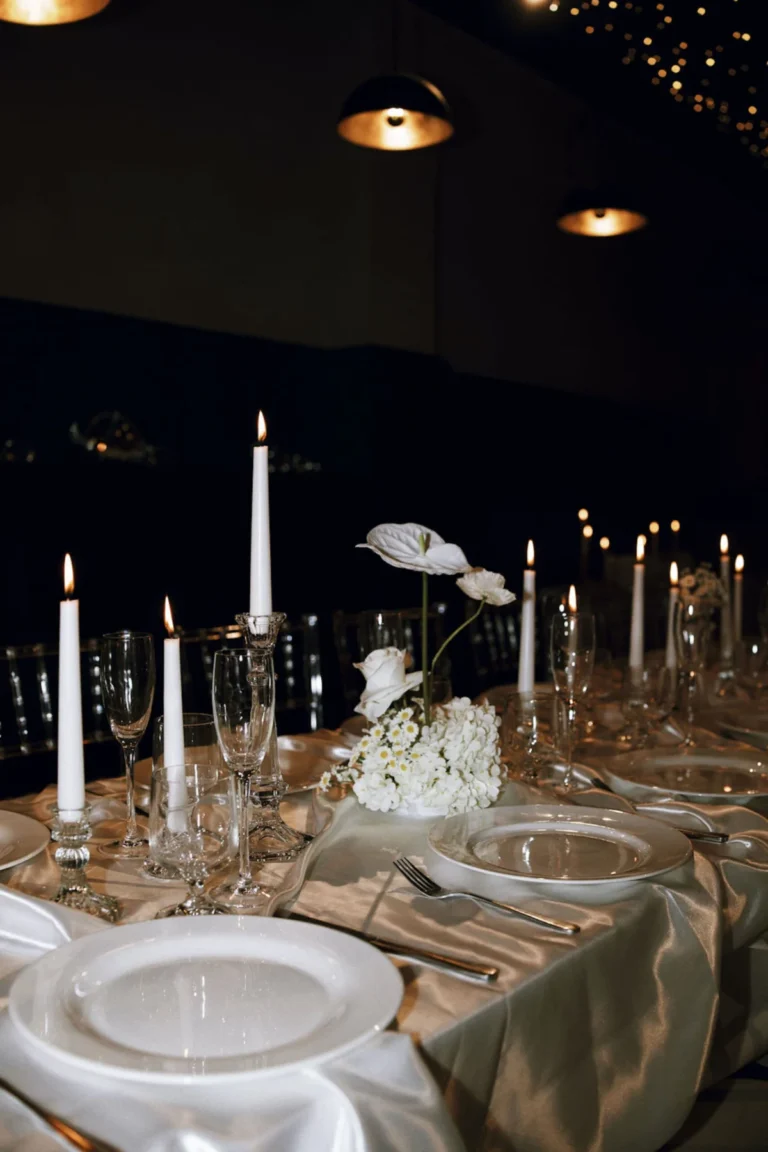
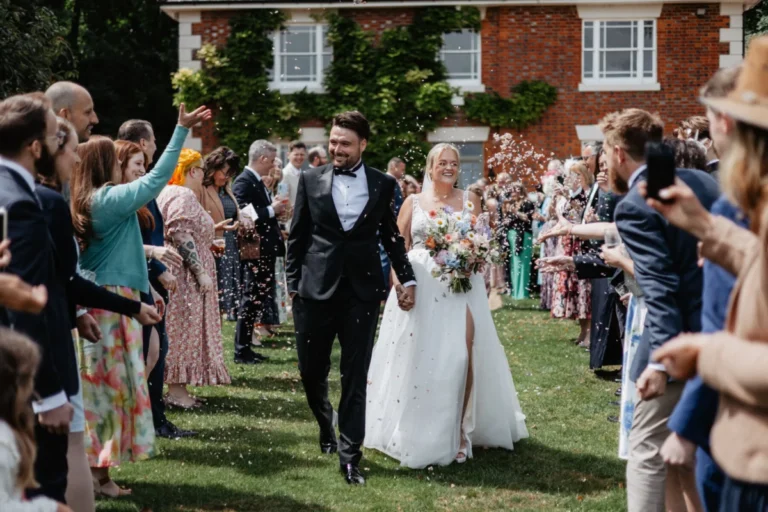
The technical workflow at The Light Photo & Film involves a bifurcated approach to media. Digital cameras provide the necessary speed and low-light performance required for evening receptions, while 35mm film cameras are deployed to capture intimate, daytime moments. Super 8 filmmaking further distinguishes this style, offering a vintage, high-texture aesthetic that resonates with couples seeking a departure from high-definition, sterile video production.
The logistical challenge of managing multiple formats—digital, 35mm, and Super 8—is significant. It requires a high level of technical expertise, as each medium responds differently to lighting and movement. The integration of these formats is not merely an aesthetic choice but a narrative one; the different mediums can be used to delineate the various "acts" of a wedding day, from the chaotic preparation to the quiet stillness of the ceremony.
Industry Impact and Market Demand
The demand for high-end, film-based wedding photography has seen a consistent upward trajectory over the last five years. As the wedding industry becomes more saturated, boutique service providers who offer a specialized, artistic product are commanding premium market positions. This trend is particularly evident in the destination wedding sector, where international clients seek out photographers who can document the environment with the same artistic weight as the subjects themselves.
The broader implications for the industry are clear: the "photographer as artist" model is replacing the "photographer as technician" model. Couples are increasingly scrutinizing the full scope of a photographer’s portfolio, looking for consistent creative vision across entire events. This shift has forced a higher barrier to entry for new professionals, who must now demonstrate not only equipment mastery but also a consistent aesthetic voice.
Professional Standards and Client Trust
Trust remains the primary currency in the luxury wedding sector. A critical component of the client-photographer dynamic is the "pre-wedding integration," where the professional must gain the confidence of the couple long before the ceremony begins. In cases where the couple may be introverted or unaccustomed to being the focus of a camera, the photographer’s ability to "nudge" rather than "direct" is essential.
Statements from industry experts suggest that the most enduring images are those captured during periods of "low-performance," when the subjects have forgotten the camera is present. This is the cornerstone of Noble’s methodology, which prioritizes the "humanity of the day" over the "perfection of the event." By focusing on the nuances—a shared glance, a nervous hand-hold, or a candid laugh—the photographer creates an emotional archive that serves as a historical record for the couple.
Navigating the Future of Wedding Documentation
As technology continues to advance, the deliberate choice to use analogue formats is a statement against the fleeting nature of digital consumption. While social media platforms incentivize rapid, short-form content, the film-based approach favored by The Light Photo & Film encourages longevity. The resulting images and films are designed to be revisited decades later, providing a sensory, tactile connection to the past.
For those planning weddings, the selection of a photographer should be treated as a long-term investment. Beyond the immediate need for documentation, the photographer is responsible for preserving the essence of the event. As evidenced by current market shifts, couples who prioritize the alignment of personal values with the artist’s philosophy are consistently those who find the most value in their wedding archives.
Conclusion: The Synthesis of Art and Memory
The Light Photo & Film represents a significant segment of the modern wedding industry that values narrative depth over technical sterility. By bridging the gap between traditional film photography and contemporary, high-touch client service, the firm demonstrates how the wedding photography profession is evolving. The focus remains on the "humanity of the day," a mantra that serves as a guide for both the photographer and the couples who seek a more meaningful, artistic approach to documenting their most significant life events.
As the industry moves forward, the success of such practices highlights a fundamental truth: the equipment is secondary to the artist’s ability to facilitate a space where love can be documented with truth and vulnerability. Whether in a local garden or an international destination, the responsibility of the photographer is to curate a legacy, ensuring that the fleeting moments of a wedding are transformed into a permanent, emotive narrative.