








The global fashion industry has faced mounting scrutiny over the past decade regarding its staggering environmental footprint, waste generation, and labor practices. While high-impact items such as denim, outerwear, and synthetic athletic wear frequently dominate sustainability discussions, foundational wardrobe basics have traditionally escaped critical consumer evaluation. Among these overlooked staples are socks, an everyday apparel item worn by billions of people worldwide. As consumer awareness shifts toward holistic wardrobe curation, sustainable fashion advocates are increasingly turning their attention to the materials, manufacturing processes, and labor conditions underlying the humble sock.
Foot health is a critical component of human physiological well-being, directly influencing posture, mobility, and overall systemic health. Yet, the conventional textile supply chains producing the socks worn against the skin daily have historically relied on heavy chemical treatments, conventional cotton farming dependent on synthetic pesticides, and virgin petroleum-based synthetics. In response, a growing cohort of global apparel brands, assessed and rated by ethical fashion auditing platforms, is spearheading a movement toward certified organic fibers, recycled polymers, closed-loop manufacturing, and transparent supply chains.
The Evolution of Sustainable Basics: A Chronological Shift
The trajectory of eco-friendly undergarments and basics has evolved significantly over the past twenty years. In the early 2000s, sustainable fashion was largely characterized by niche, counter-culture brands utilizing rudimentary organic fabrics with limited commercial appeal and restricted sizing. The market experienced a pivotal transformation in the mid-2010s with the mainstream rise of certified B Corporations, rigorous third-party textile certifications like the Global Organic Textile Standard (GOTS), and advancements in recycling technology that allowed post-consumer plastic bottles and industrial waste to be spun into high-performance technical yarns.
By 2020, sustainable foundational wear transitioned from an alternative market segment to a burgeoning sector within the broader apparel industry. Brands began implementing radical transparency initiatives, disclosing factory wages, carbon offset metrics, and water usage statistics. The contemporary landscape, reflecting updates through late 2026, demonstrates that consumers no longer need to compromise on comfort, durability, or style to align their purchasing decisions with environmental and ethical values.
Evaluating the Industry Leaders: Global Brands Championing Footwear Sustainability
A diverse array of international labels has emerged as top contenders in the sustainable basics market, each implementing unique environmental and social strategies to minimize ecological harm.
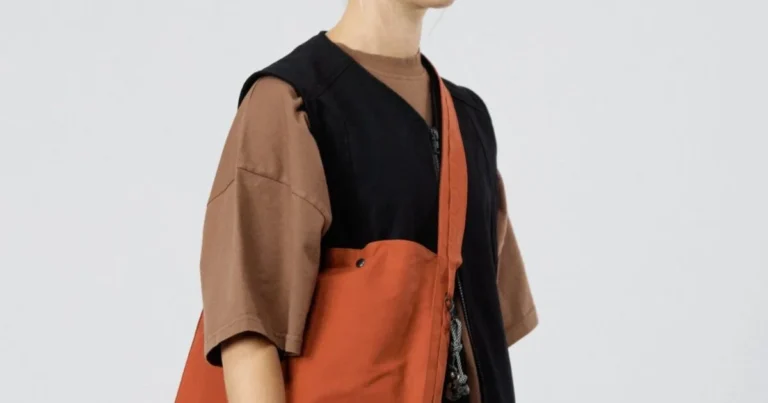
BEDI, operating out of Canada, applies a circular economy philosophy to winter wear and accessories. While internationally recognized for crafting minimalist coats and bags from salvaged seatbelts and recycled nylon, the brand extends its rigorous material standards to cold-weather essentials such as the Vaz Merino Wool Socks. By prioritizing durability and animal welfare standards in wool sourcing, BEDI ensures that foundational items meet high longevity benchmarks.
In Europe, French menswear label Bluebuck approaches technical basics and swimwear through the lens of adventure and nature conservation. Bluebuck minimizes its carbon footprint by producing locally within Europe, utilizing GOTS-certified organic cotton and innovative fibers derived from recycled marine plastic. This localized manufacturing model significantly curtails transport-related emissions while supporting regional European textile economies.
Canadian lifestyle brand tentree has established a monumental environmental benchmark through its regenerative business model. As a certified B Corporation, tentree commits to planting ten trees for every item purchased. To date, the brand has successfully removed thousands of tonnes of carbon dioxide from the atmosphere and reforested over 5,000 hectares of land—an area equivalent to approximately 12,000 football fields. Beyond reforestation, tentree integrates recycled polyester, organic cotton, and circular fabrics into its sock collections, systematically reducing water consumption and textile waste.
Portuguese apparel manufacturer ISTO. challenges seasonal over-consumption by adhering to a singular, permanent collection model. Emphasizing quality over quantity, ISTO. utilizes organic materials and practices unprecedented price transparency, allowing consumers to view the exact production costs and labor markups associated with every garment, ensuring fair compensation and ethical manufacturing throughout the supply chain.
Colorful Standard, based in Denmark, targets the root cause of fast fashion by rejecting micro-trends in favor of timeless, durable wardrobe essentials. Specializing in vibrant organic cotton garments for men and women, the brand’s collection of classic organic socks is engineered for extended wear cycles, thereby disrupting the linear take-make-waste paradigm of modern retail.
Swiss brand NIKIN offers consumers a direct way to wear their environmental commitments. Operating on a model that links every purchase to tree-planting initiatives in collaboration with global reforestation partners, NIKIN provides transparently sourced essentials across extended size ranges, bridging the gap between ethical advocacy and everyday streetwear.
Boody, founded in Australia by two childhood friends, anchors its manufacturing philosophy in the utilization of organically grown bamboo. Bamboo requires significantly less water than conventional cotton and grows rapidly without the need for harmful pesticides. Boody mitigates production waste through innovative low-waste cutting techniques and closed-loop manufacturing systems that recycle water and solvents within the production cycle.
American brand PACT champions social equity alongside environmental stewardship. Operating strictly sweatshop-free and child-labor-free supply chains within the United States and partner facilities, PACT’s activewear and basic apparel lines are predominantly crafted from certified organic cotton, with a substantial portion carrying Fair Trade certification, ensuring that garment workers receive living wages and safe working conditions.
NICO, established in Australia in 2012 by Lis Harvey, focuses on minimalist luxury and high-quality basics. The brand ensures strict labor compliance by partnering with factories that are signatories to the Bangladesh Fire and Building Safety Accord, alongside holding certifications with WRAP and Business Social Compliance Initiative (BSCI) audits, proving that aesthetic minimalism can coexist with rigorous labor protection.
Harvest & Mill, based in the United States, maintains one of the most localized and ecologically restorative supply chains in the North American market. Its garments are grown, milled, and sewn entirely within the United States, directly supporting American organic cotton farmers and domestic sewing cooperatives. Crucially, Harvest & Mill avoids dyeing or bleaching its signature organic cotton socks, drastically cutting down on water, energy, and chemical dye pollution. Furthermore, by cultivating diverse heirloom varieties of organic cotton, the brand actively bolsters agricultural biodiversity, enhancing soil resilience against climate volatility.
Brothers We Stand operates as a curated online ethical menswear platform based in the United Kingdom. By vetting brands against stringent ethical criteria and ensuring that 100% of its menswear selection is vegan and sustainably manufactured, the platform simplifies the consumer journey toward building a responsible wardrobe.
Broader Implications and Environmental Analysis
The expansion of sustainable options within low-involvement product categories like socks carries profound implications for the global textile industry. Historically, socks have contributed heavily to microplastic pollution (when synthesized from virgin polyester without filtration) and chemical contamination of waterways (via synthetic azo dyes used in conventional mass production).
Industry analysts emphasize that shifting foundational wear to certified organic fibers, closed-loop bamboo, and recycled technical yarns exerts systemic pressure on legacy supply chains. As regulatory frameworks in the European Union and North America tighten regarding greenwashing, extended producer responsibility (EPR), and mandatory supply chain due diligence, brands failing to trace their tier-one through tier-four manufacturing partners face increasing financial and legal risks.
Furthermore, consumer demand for traceable basics is accelerating a cultural shift toward conscious consumerism. When individuals invest in durable, ethically produced socks, it recalibrates their psychological relationship with clothing away from disposable consumption toward asset preservation.
Conclusion and Future Outlook
As the intersection of personal health, labor ethics, and planetary boundaries gains mainstream prominence, foundational apparel is shedding its anonymity. The curation of sustainable socks by globally rated brands demonstrates that ethical manufacturing is scalable, commercially viable, and necessary for mitigating the fashion industry’s cumulative impact. Whether through American-grown unbleached organic cotton, Canadian tree-planting initiatives, or European closed-loop bamboo production, the modern consumer is equipped with the tools to support foot health while simultaneously championing systemic environmental reform.