








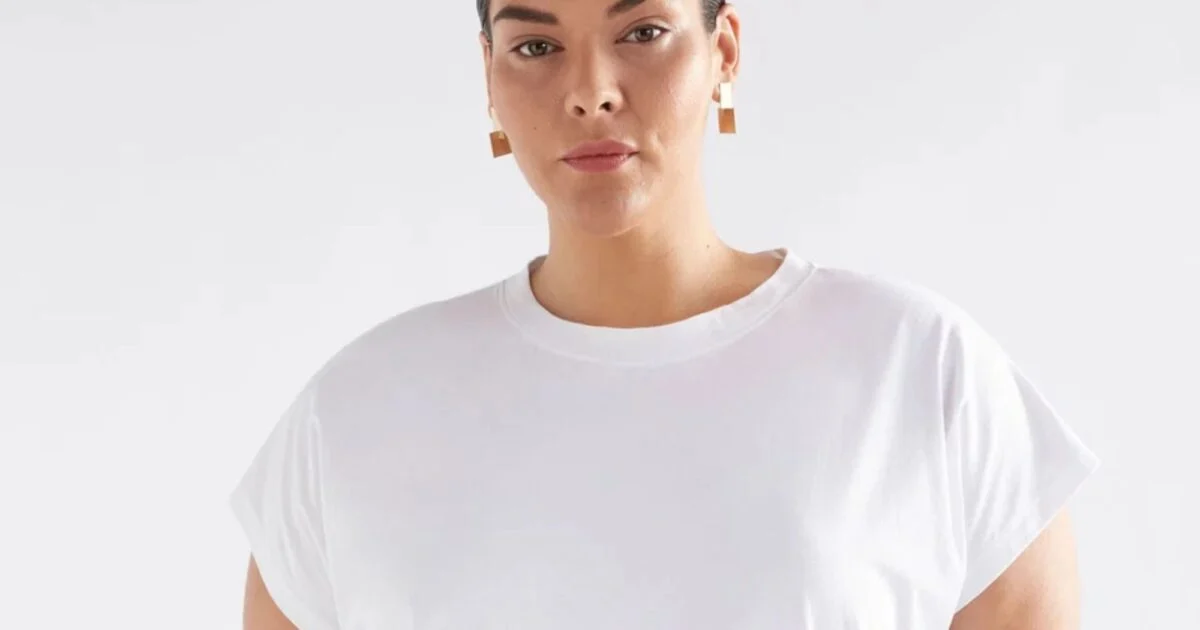
The humble t-shirt remains the undisputed cornerstone of the contemporary wardrobe, serving as a versatile canvas for layering, an essential component of a minimalist capsule collection, and a daily uniform for millions globally. Whether paired with classic denim, tucked into a tailored slip dress, or worn beneath a structured jumpsuit, this single garment spans seasons, trends, and demographics. However, the ubiquity of the t-shirt belies a complex global supply chain fraught with environmental degradation and labor exploitation. As consumer awareness shifts toward sustainability, the fashion industry faces intense scrutiny regarding the true cost of everyday basics.
Understanding the Environmental and Human Cost of Fast Fashion Basics
To comprehend the necessity of a sustainable wardrobe overhaul, one must first examine the systemic flaws inherent in conventional apparel manufacturing. The textile industry is notoriously resource-intensive, accounting for roughly 10% of global carbon emissions—more than all international flights and maritime shipping combined. Furthermore, conventional cotton agriculture relies heavily on synthetic pesticides and fertilizers, which degrade soil health, pollute local waterways, and pose severe health risks to agricultural workers. Water consumption is another critical metric; producing a single conventional cotton t-shirt requires approximately 2,700 liters of water, an amount equivalent to one person’s drinking water for nearly three years.
Beyond environmental impacts, the human cost within the garment sector demands rigorous interrogation. Millions of workers, predominantly women in developing nations, toil in supply chains where living wages are rarely guaranteed. Labor rights violations, unsafe working conditions, and excessive working hours remain pervasive issues. Conscious consumption, therefore, requires a fundamental shift in how consumers approach purchasing decisions. Ethical shoppers are increasingly asking critical questions: Who made my t-shirt? Were they compensated fairly? Are the materials harvested using lower-impact methods?
In response to these pressing concerns, ethical fashion rating systems have emerged to provide transparency and accountability. Organizations like Good On You evaluate thousands of apparel brands against stringent criteria measuring their impact on people, the planet, and animals. Brands classified as “Good” or “Great” demonstrate verifiable commitments to fair labor practices, circular production models, and eco-friendly textiles. The following curated directory highlights top-tier international brands that meet these rigorous standards, organized by geographic region to assist consumers in sourcing responsible alternatives locally and globally.
North American Innovation: United States and Canada
The North American sustainable apparel market has seen significant growth, driven by brands prioritizing domestic supply chains, regenerative agriculture, and social empowerment initiatives.
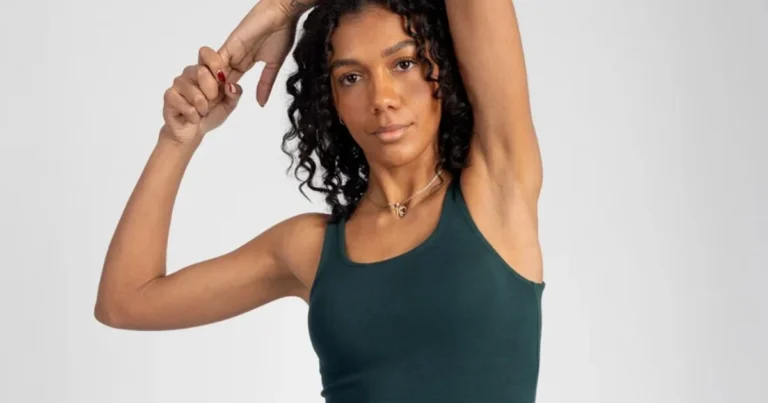
FM 669 stands out in the United States for its commitment to homegrown textiles. Specializing in essential apparel such as t-shirts, tank tops, and long-sleeve basics, the brand sources its Global Organic Textile Standard (GOTS)-certified cotton exclusively from a cooperative of farms in Texas utilizing regenerative agriculture techniques. By focusing on soil health and biodiversity, FM 669 ensures its raw materials actively sequester carbon. Additionally, the brand utilizes lower-impact dyes and maintains limited production runs to eliminate deadstock waste, offering versatile pieces in sizes XS through L with international shipping.
Toad&Co bridges the gap between outdoor functionality and everyday wear. Operating with a deep-seated ethos of environmental and social responsibility, this US-based brand produces durable men’s and women’s apparel equally suited for rugged trail conditions or casual urban settings. The brand emphasizes recycled fibers and organic cotton, ensuring that longevity and performance go hand in hand. Most items across their collection are widely accessible in sizes ranging from XS to 2XL.
Neococo approaches sustainability through a deeply human lens, functioning as a mission-driven enterprise established specifically to create dignified employment opportunities for women refugees. Navigating the multifaceted challenges of cultural assimilation and economic security, Neococo provides a supportive community environment that fosters safety and financial independence. Specializing in hand-embroidered apparel that champions women’s empowerment, Neococo’s collection is available in an inclusive size range from XS to 3XL, shipping internationally from the United States.
European Excellence: Timeless Design and Circular Principles
European brands have long been pioneers in slow fashion, emphasizing durability, circular economy models, and strict regulatory compliance regarding labor standards.
Colorful Standard, based in Denmark, champions an anti-trend business model designed to combat the destructive cycle of overconsumption. By rejecting seasonal collections in favor of a permanent line of organic cotton essentials for men and women, the brand focuses on timeless aesthetics and long-lasting quality. Their garments are dyed using Oeko-Tex certified eco-friendly dyes, minimizing toxic runoff into aquatic ecosystems. Products are predominantly available in sizes XS to 2XL.
CAES, a Dutch contemporary label operating under the philosophy that "fashion does not have to be fast or seasonal," offers minimalist wardrobe staples crafted from lower-impact materials. The brand incorporates innovative textiles such as Desserto cactus leather, recycled cotton, and Tencel Lyocell into its collections. CAES maintains partial supply chain traceability and enforces a strict code of conduct aligned with International Labour Organization (ILO) principles, ensuring fair treatment across its manufacturing network.
NIKIN, hailing from Switzerland, offers consumers a literal way to wear their environmental values. Operating on a robust tree-planting business model, NIKIN plants a tree for every single product purchased, actively contributing to global reforestation efforts. Their collection of organic basics allows consumers to visibly align their personal style with ecological restoration. Products are offered in sizes XS to 2XL.
THTC (The Hemp Trading Company) anchors its streetwear and basic essentials in one of the most sustainable crops known to agriculture: hemp. As an industry leader in organic hemp t-shirts, hoodies, and accessories, the UK-based brand leverages hemp’s natural resilience, which requires minimal water, no pesticides, and actively revitalizes soil. Alongside direct-to-consumer sales, THTC produces white-label sustainable apparel ranges for various charities and non-governmental organizations globally.
Australasian Leadership: Ethical Standards and Natural Fibers
The Oceania region has cultivated a reputation for stringent labor advocacy and transparent supply chains, producing brands that set international benchmarks for ethical fashion.
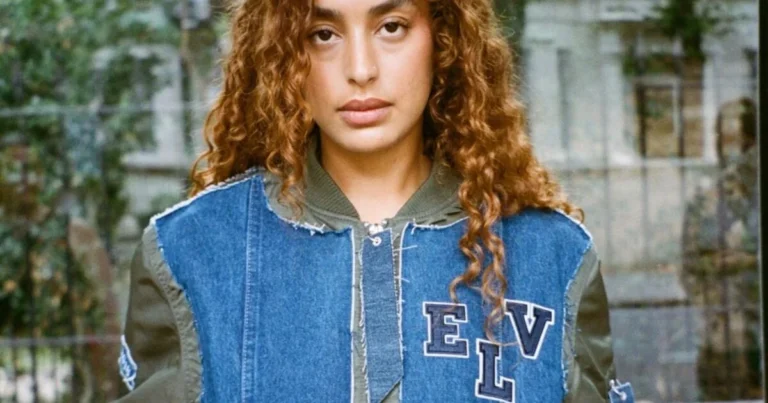
Elk, founded in Melbourne in 2004, stands as a pioneer of independent Australian design. Operating on a design ethos where simplicity, sustainability, and innovation intersect, Elk produces bi-annual collections that emphasize transparency and worker welfare. The brand actively maps its supply chain down to raw material tiers and is widely available in Australian sizes 6 through 18.
Etiko continues to set the gold standard for human rights advocacy within the fashion industry. As an Australian designer of fair trade certified organic clothing and footwear, Etiko consistently campaigns against the systemic exploitation prevalent in traditional garment supply chains. Their apparel is offered in Australian sizes 8 through 20, while their footwear lines cater to UK sizes 3 through 13.
Kowtow, based in New Zealand, produces elegant womenswear and home ceramics using 100% certified organic, fair trade cotton and non-toxic, water-based dyes. The brand oversees its entire supply chain from seed to garment, ensuring that farmers and garment workers receive living wages and safe working conditions. Kowtow’s foundational pieces are available in sizes XS to L.
STAPLE Co rounds out the Australian contingent as a specialized label dedicated exclusively to premium organic cotton essentials, focusing on durability, comfort, and minimal environmental impact.
Asian Craftsmanship and Customization: India
Asia’s vast manufacturing landscape is increasingly shifting toward ethical innovation, offering unique direct-to-consumer models that reduce waste.
SeamsFriendly, operating out of India, redefines sustainable production through an infinitely customizable model designed to eliminate inventory waste entirely. Specializing in natural fabrics, the brand crafts clothing for women, men, and children tailored to exact physical measurements rather than standard off-the-rack sizing. By producing garments exclusively upon order, SeamsFriendly combats the massive overproduction crisis plaguing the conventional apparel industry. Women’s sizing accommodates bust measurements from 26 inches to 70 inches and waist measurements from 19 inches to 63 inches, with dedicated petite, regular, and tall height options, ensuring an inclusive fit for all body types.
Broader Implications and Market Trends
The proliferation of these ethical brands signifies a structural evolution within the global apparel market. Consumer demand is increasingly pivoting away from linear, disposable fashion models toward circular, transparent, and values-aligned purchasing habits. Industry analysts note that corporate accountability is no longer merely a niche marketing tool but a critical operational necessity. Regulatory bodies, particularly within the European Union, are enacting stricter mandates regarding greenwashing and supply chain due diligence, compelling brands to substantiate their sustainability claims with verifiable data.
However, challenges remain. Sustainable and ethically produced basics often command a higher price point than their fast-fashion counterparts, reflecting the true cost of fair labor wages, organic farming practices, and non-toxic manufacturing processes. Industry experts argue that shifting consumer mindsets toward a "buy less, choose well" philosophy is essential for democratizing sustainable fashion and reducing the global textile waste burden.
As the sustainable fashion movement matures, tools such as brand directories and mobile rating applications empower consumers to make informed choices that reflect their personal ethics. By supporting brands that prioritize ecological regeneration and human dignity, shoppers can transform the foundational t-shirt from a symbol of fast-fashion exploitation into a catalyst for systemic industry reform.