









Apple Inc. has expanded its accessory ecosystem with the introduction of the limited-edition iPhone Pocket, a fabric sling designed in collaboration with the renowned Japanese fashion house Issey Miyake. Retailing at $149.95 for the short version and $229.95 for the long, crossbody variant, the product represents a significant departure from traditional protective phone cases. Instead, it positions mobile hardware firmly within the realm of luxury apparel.
The launch follows a history of high-priced, design-forward accessories from the technology giant, arriving years after the debut of the company’s $19 polishing cloth. While initial public reception has ranged from amusement to skepticism regarding its steep price point, the collaboration underscores a deliberate pivot by Apple to align its hardware design ethos with established global fashion houses.
Main Facts of the Release
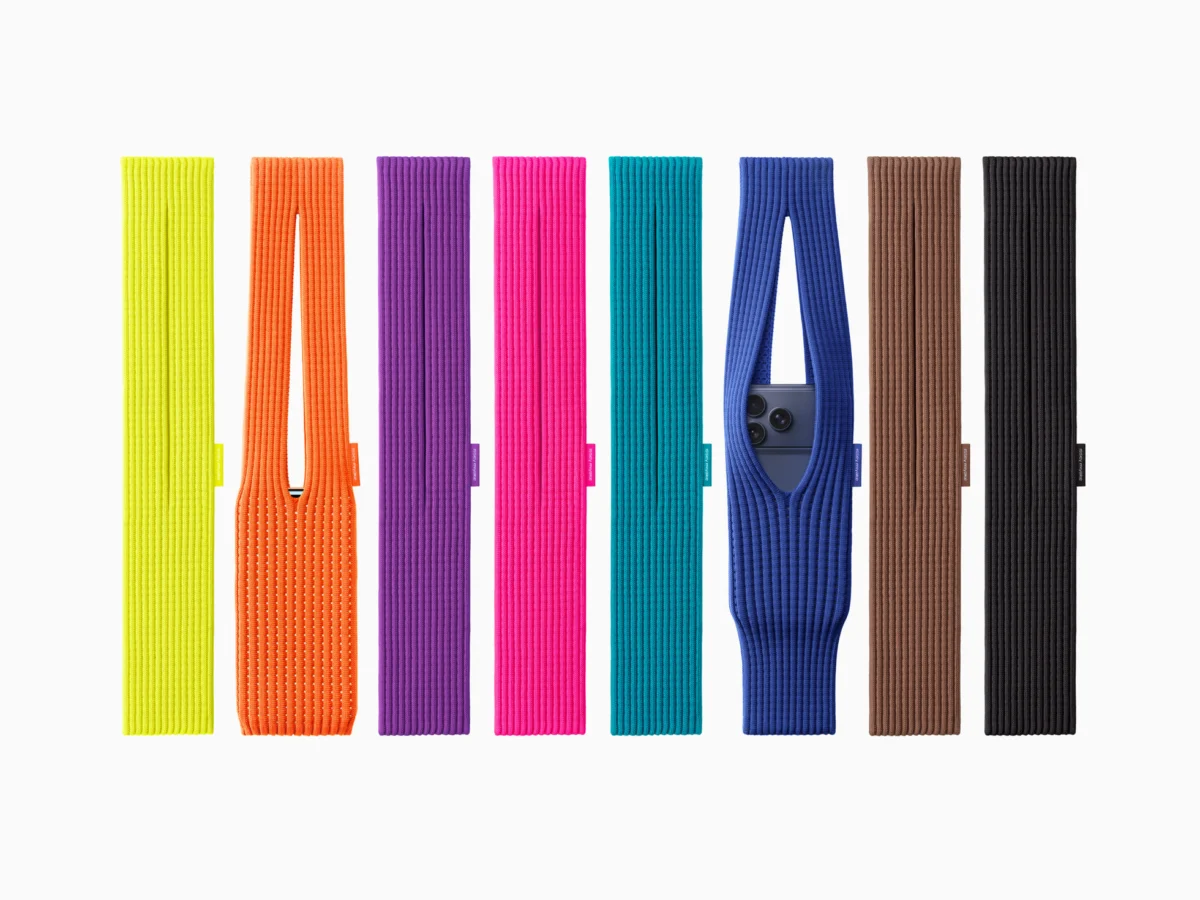
The iPhone Pocket is crafted from a ribbed mesh structure that mirrors the signature pleating techniques long associated with Issey Miyake’s apparel lines. According to Apple’s official product listings, the item is inspired by the concept of "a piece of cloth" (APOC), an industrial design philosophy pioneered by Miyake in the late 1990s that seeks to construct garments from a single continuous sheet of fabric to minimize material waste.
The accessory is available in multiple colorways and two distinct form factors:
- The short version ($149.95), which functions as a compact pouch or bag accessory.
- The long crossbody version ($229.95), which is offered in three select colors and is designed to be worn across the torso.
The technical design allows the textile to stretch organically when populated, subtly revealing the contours and display of the enclosed device while offering an alternative method for daily carry.

Chronology and Historical Context
The convergence of Apple and the Issey Miyake label traces back decades, anchored by a relationship between Apple co-founder Steve Jobs and the late designer Issey Miyake. In the early 1990s, Jobs visited a Sony factory in Japan and admired the unified corporate uniforms worn by employees. Seeking to replicate a similar sense of community and brand identity at Apple, Jobs approached Miyake to design employee uniforms.
While Apple’s corporate staff ultimately rejected the proposal, the interaction blossomed into a personal friendship. Miyake subsequently became responsible for designing Jobs’ iconic black mock turtleneck shirts, which became a permanent fixture of Apple’s product keynote presentations and cemented a minimalist aesthetic that came to define Apple’s hardware design language.
Although Issey Miyake passed away in August 2022, the design house bearing his name has continued to explore boundary-pushing textiles. The release of the iPhone Pocket marks the first official retail collaboration between the tech manufacturer and the fashion house, bridging a decades-long aesthetic synergy into a consumer-facing product.
Supporting Data and Industry Trends
The introduction of the iPhone Pocket arrives amid a broader consumer trend toward wearable technology accessories and miniaturized fashion items. In recent years, crossbody phone straps and lanyards have surged in popularity, driven by consumers seeking streamlined, hands-free device management. Apple itself released a $59 crossbody strap earlier in the year, entering a market previously dominated by specialized third-party manufacturers like Bandolier.
Simultaneously, the fashion and retail sectors have experienced a boom in "accessories for accessories." Industry analysts point to phenomena such as designer art toys like Labubu—which command secondary market valuations ranging up to thousands of dollars—as well as the widespread consumer trend of personalizing everyday items, from miniature tote bags popularized by brands like Trader Joe’s to micro-keychains offered by retailers including Lululemon, Baggu, and IKEA.

As smartphone utility expands to encompass digital identification, Tap to Pay transactions, and contactless transit systems, many urban consumers increasingly find themselves leaving traditional wallets and house keys behind. This behavioral shift has accelerated the demand for micro-bags and specialized holsters designed exclusively to transport mobile devices.
Official Responses and Market Positioning
Apple has positioned the iPhone Pocket not merely as a utilitarian utility pouch, but as a wearable art piece that honors textile innovation. Product messaging emphasizes the tactile nature of the ribbed mesh, appealing to consumers interested in sustainable design practices and high-end aesthetics.
While the product is being distributed through Apple’s official retail channels as a limited-edition offering, market observers note that its price point intentionally targets luxury consumers rather than the mass-market upgrade cycle. By partnering with a legacy design house, Apple continues to test the boundaries of consumer electronics pricing, positioning premium iPhones and their accompanying peripherals as luxury lifestyle statements.
Broader Impact and Implications
The release of the Issey Miyake iPhone Pocket highlights a growing intersection between Silicon Valley technology firms and high-fashion luxury houses. As smartphones become increasingly homogeneous in their rectangular slate form factors, manufacturers are searching for novel ways to differentiate their ecosystems through lifestyle branding and third-party collaborations.
Whether the iPhone Pocket will establish a lasting market category for textile-based device housing remains to be seen. However, the product successfully initiates a conversation about the future of wearable tech—one where personal electronics function not just as computing tools, but as interchangeable components of an individual’s daily wardrobe.