






To a true connoisseur, the fabric is the soul of the garment, serving as the silent architecture upon which the visual and tactile success of classic menswear is built. While the casual observer may fixate solely on color, the seasoned enthusiast understands that the true essence of a high-quality piece resides in the weave, the grammage, and the way light interacts with the fiber. In the world of bespoke and high-end tailoring, the selection of cloth is not merely an aesthetic choice; it is a functional decision that dictates the lifespan, comfort, and performance of the garment. This comprehensive analysis evaluates fifty essential fabrics, categorizing them by their utility, environmental suitability, and specific technical characteristics to provide a definitive reference for building a versatile, enduring wardrobe.

The Science of Fiber and Weave: Technical Foundations
The distinction between high-performance menswear and off-the-rack alternatives often comes down to the origin of the fiber and the integrity of the weave. Wool, the cornerstone of the industry, is categorized primarily by the processing of its fibers. Worsted fabrics, which undergo a combing process to remove short staples, offer a sleek, lustrous finish and superior durability, making them the standard for business suiting. Conversely, woolen fabrics, which retain both long and short fibers, yield a softer, fuzzier hand—ideal for warmth but more susceptible to abrasion.
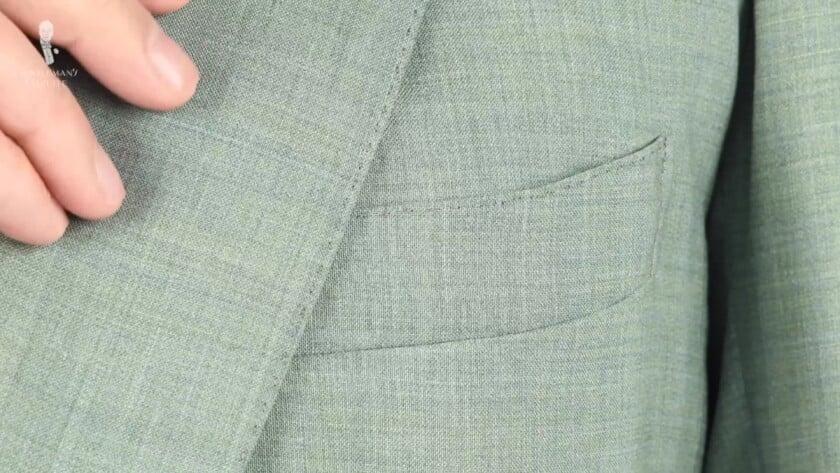
Understanding these technical foundations allows for a more strategic approach to investment. For instance, the distinction between worsted and carded flannels is critical for the consumer; whereas worsted flannel is combed and then brushed for a soft nap, carded flannel is inherently more fragile, making the former a superior choice for tailored trousers intended for frequent wear.
Warm Weather Engineering: Managing Thermal Comfort
In warmer climates, the primary objective of textile selection is the facilitation of airflow and moisture management without sacrificing structural integrity. High-twist wools, often referred to by the trade name Fresco, represent the gold standard for hot, humid environments. By utilizing tightly twisted yarns, these fabrics maintain a porous structure that allows for constant air circulation while remaining remarkably resistant to wrinkling.

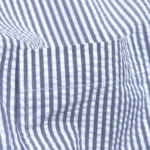
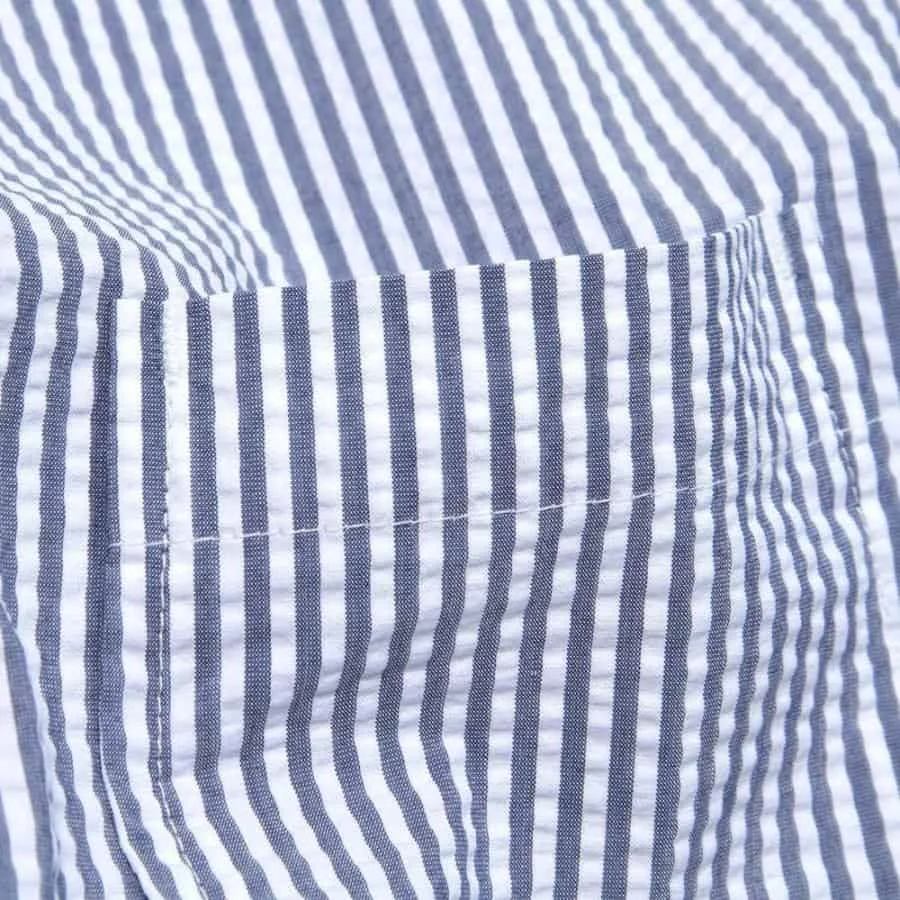
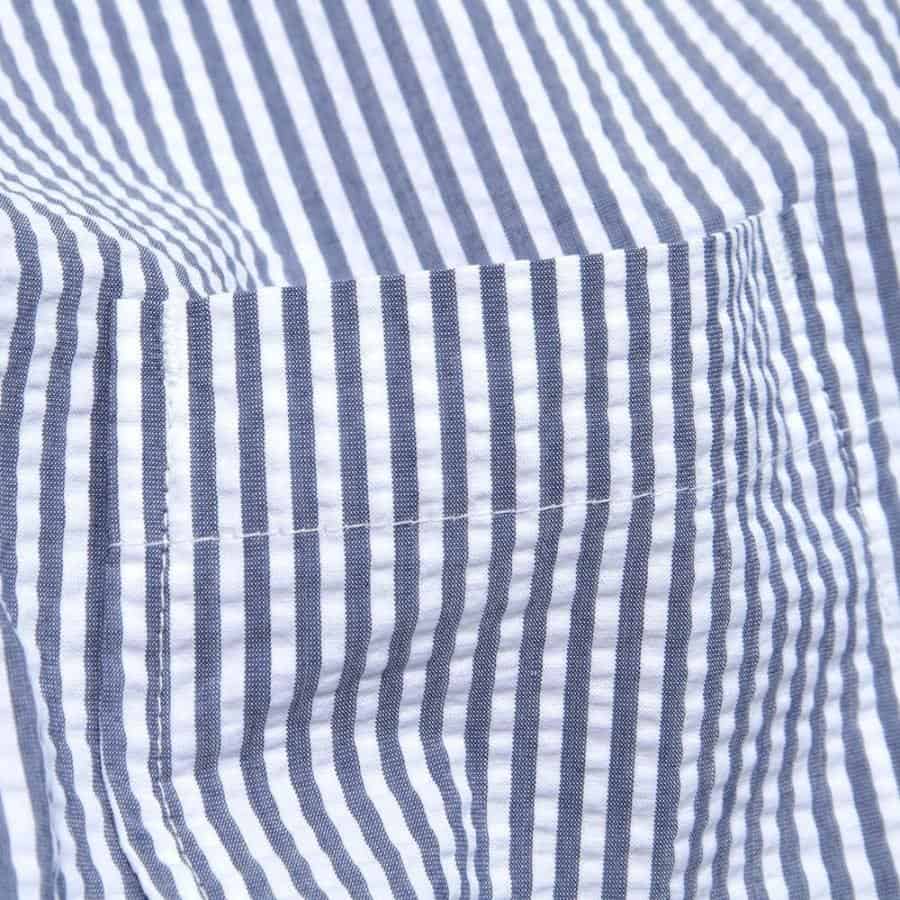
Tropical wools, typically weighing between 7 and 9 ounces, serve a similar purpose, providing minimal insulation for summer business wear. For those seeking a more casual aesthetic, Irish linen remains the industry benchmark. While critics often point to its propensity to crease, enthusiasts recognize that these wrinkles are an inherent feature of the fiber’s character, embodying an aristocratic, relaxed charm that is synonymous with summer sartorialism. Similarly, seersucker—a fabric characterized by its puckered weave—allows the cloth to stand away from the skin, promoting cooling without the need for synthetic additives.
Winter Protection: Density and Insulation
As the seasons transition to colder temperatures, the focus shifts toward density, thermal retention, and wind resistance. Melton wool, a heavily felted fabric where the individual weave is obscured, acts as an impenetrable barrier against the elements, making it the industry standard for traditional naval peacoats and heavy overcoats.
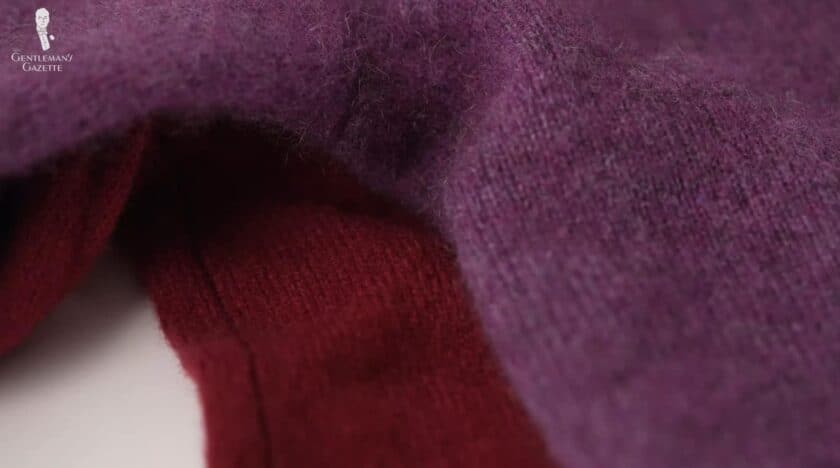
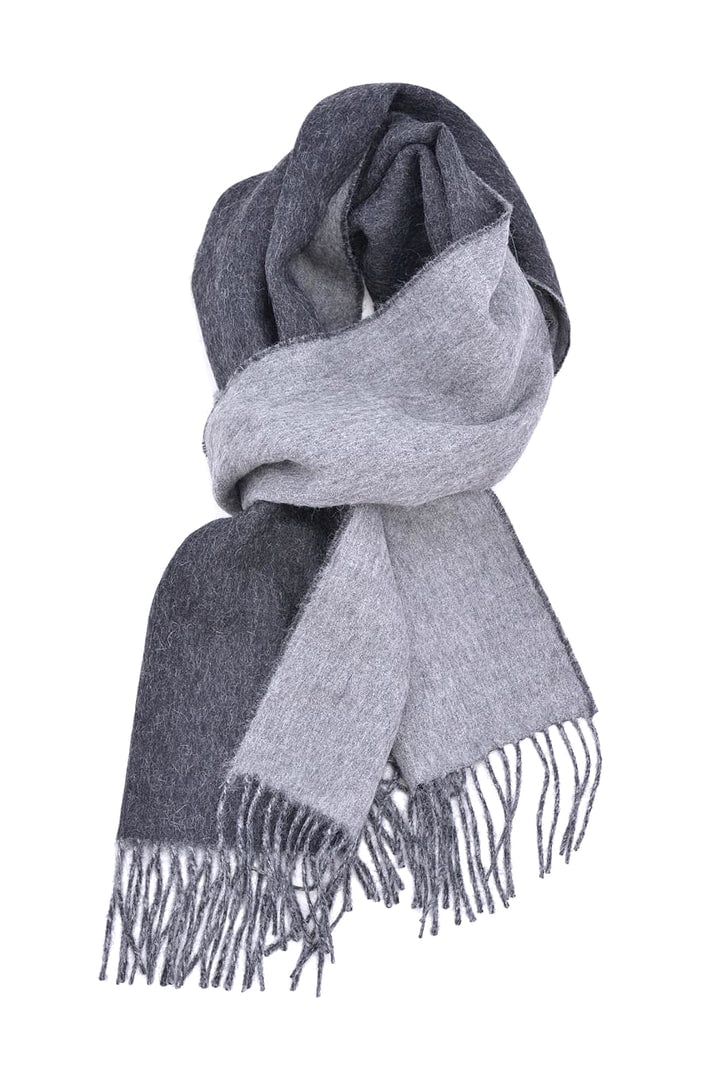
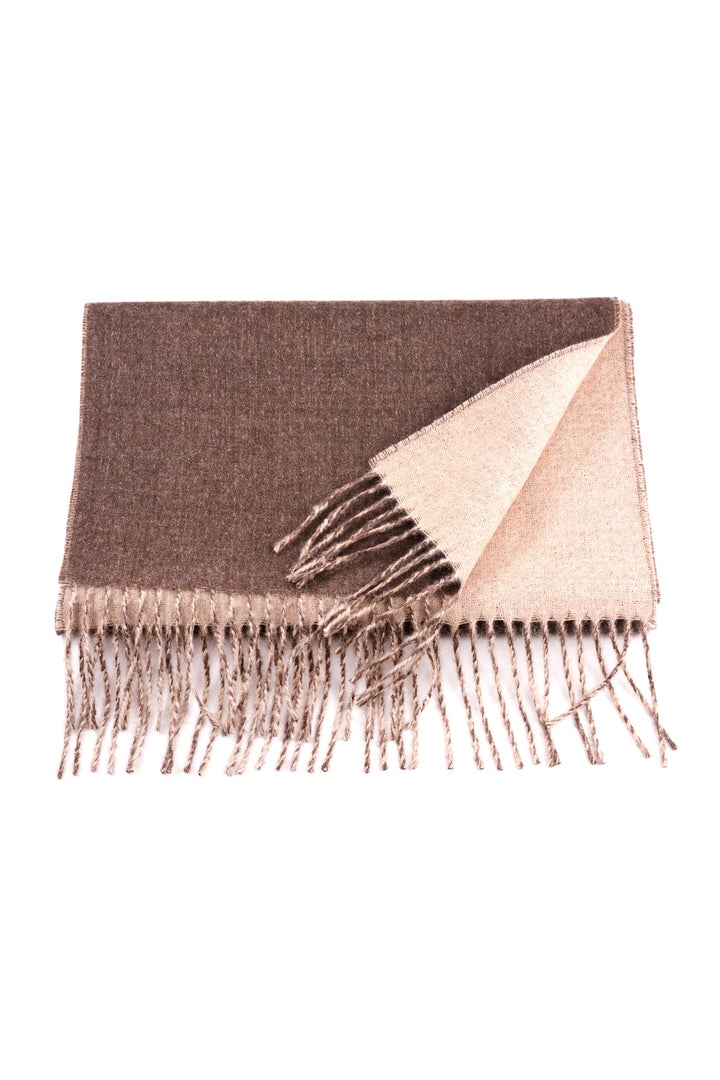
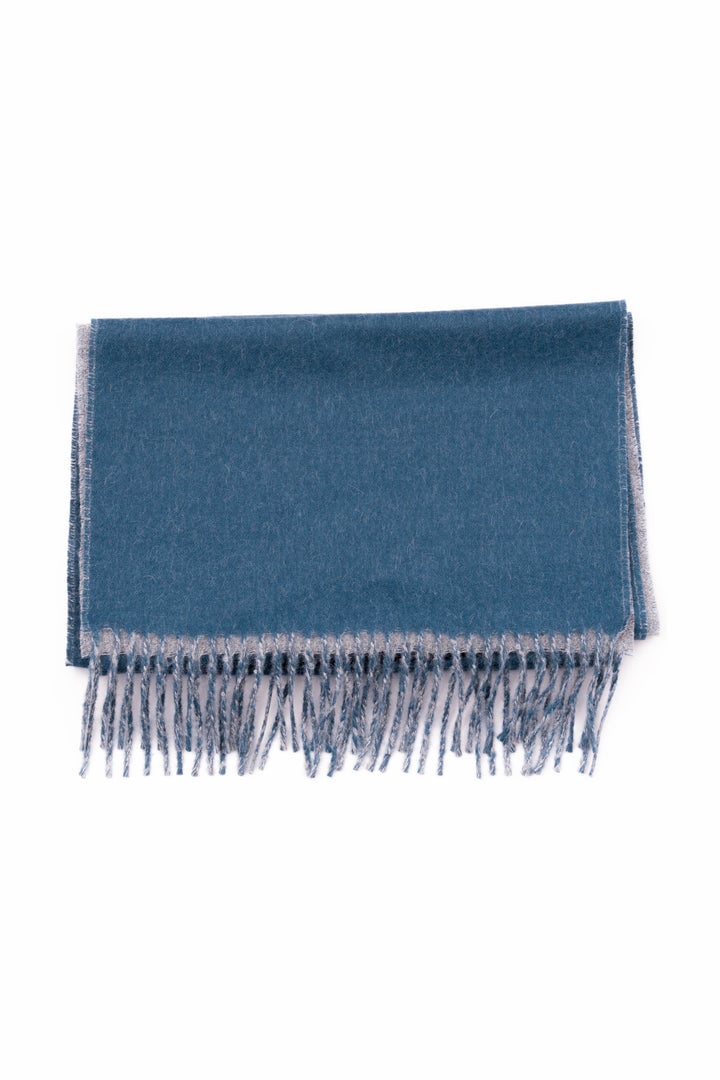
Luxury fibers such as cashmere and vicuña offer unparalleled warmth-to-weight ratios. However, these materials require careful handling. Cashmere, sourced from the undercoat of the Kashmir goat, is prized for its extreme softness but is notoriously prone to pilling when subjected to high-friction areas such as trousers or socks. Vicuña, the rarest and most expensive fiber in the world, occupies the pinnacle of luxury, yet its delicacy mandates that it be reserved for high-value items like investment scarves or formal overcoats rather than daily, utilitarian wear.

Country Heritage and Rugged Durability
The tradition of country clothing has bequeathed to modern menswear a suite of highly durable, character-rich textiles. Harris Tweed, handwoven in the Outer Hebrides of Scotland, serves as the quintessential example of heritage-driven performance. Its heavy, robust nature provides a degree of protection that is nearly bulletproof, though it is best utilized for outerwear or hacking jackets where it does not come into direct contact with bare skin.

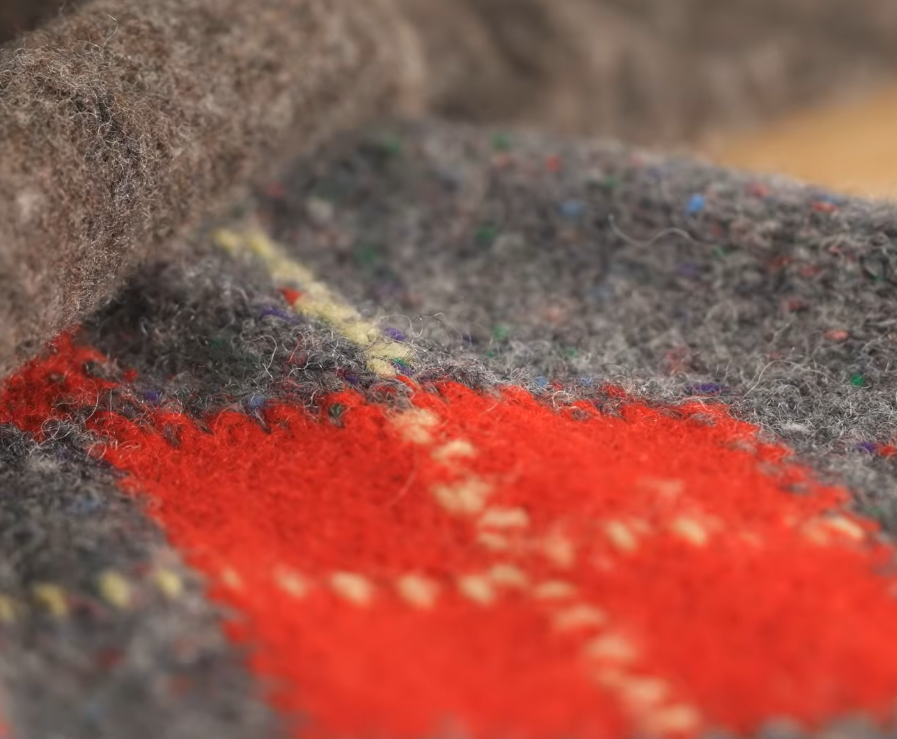
Donegal tweed, distinguished by its vibrant, multi-hued nepps, offers a more casual, rustic aesthetic perfect for autumn layering. For those requiring trousers that can withstand years of active use, cavalry twill and whipcord provide a steep-ribbed, durable construction that resists the wear and tear associated with outdoor pursuits. These fabrics contrast sharply with the more delicate weaves found in urban business settings, highlighting the importance of matching the cloth to the intended environment.
Business Suiting: The Professional Standard
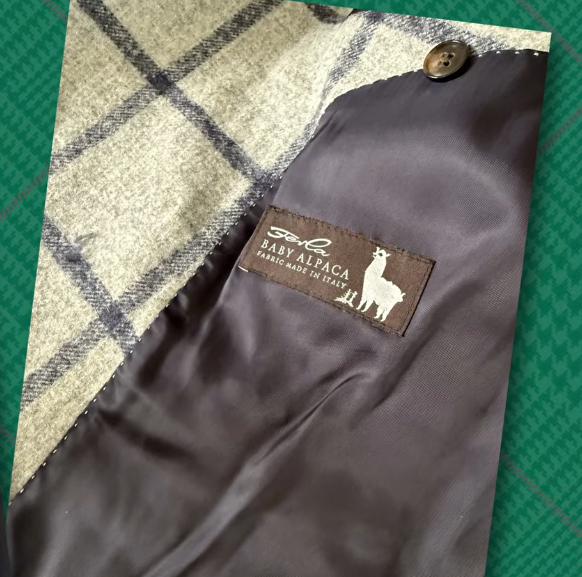
The professional wardrobe is built upon fabrics that project authority, maintain a sharp silhouette, and resist the rigors of a standard workday. Twill weaves, characterized by their diagonal lines, offer a balanced blend of comfort and structural integrity. Hopsack, a loose basket weave, has become a staple for business-casual blazers due to its breathability and wrinkle resistance—though it remains unsuitable for formal trousers.

For more formal settings, fabrics such as bird’s eye and sharkskin provide subtle visual interest that deviates from the monotony of plain navy or gray. Sharkskin, in particular, utilizes alternating colored yarns to create a shimmering, two-tone effect that adds depth to the suit. Barathea, a pebbled-surface wool, remains the definitive choice for black-tie ensembles, providing a deep, matte color saturation that is essential for formal evening wear.
The Evolution of Shirtings and Accessories
The performance of a shirt is dictated largely by its weave. Oxford cloth, with its basket weave construction, is the durable backbone of the business-casual wardrobe, while poplin and broadcloth offer the smooth, crisp finish required for formal dress shirts. Chambray, often confused with denim, provides a softer, lighter alternative for casual elegance.
In the realm of accessories, the grenadine tie stands out for its unique open weave, which provides a level of texture that is impossible to replicate in standard silk. Ancient Madder, a process involving discharge printing and a gum-based finish, results in a chalky, matte aesthetic that pairs perfectly with the textured nature of tweed and winter flannels.
Strategic Wardrobe Development: A Summary of Implications
Building a versatile, long-term wardrobe requires a disciplined approach to fabric selection. For the individual beginning this process, industry experts consistently recommend two foundational items: a navy hopsack blazer and a pair of gray worsted flannel trousers. These two pieces offer the highest utility across a diverse range of social and professional scenarios.
The implications of these choices are significant. A well-constructed wardrobe built on high-quality natural fibers not only lasts longer but also ages with a patina that synthetic blends cannot replicate. Furthermore, as the fashion industry faces increasing scrutiny regarding sustainability, the move toward durable, biodegradable natural fibers like wool, cotton, and linen represents a return to the long-standing traditions of quality over quantity.
Frequently Asked Questions
What differentiates worsted from woolen fabrics?
The primary difference lies in the processing. Worsted wool uses long fibers that have been combed to align them, resulting in a smooth, durable fabric. Woolen wool includes shorter fibers, creating a softer, thicker, and warmer cloth that is generally less durable.
Why is there confusion between Donegal and Harris Tweed?
Donegal tweed is Irish, originating in County Donegal, whereas Harris Tweed is Scottish, handwoven in the Outer Hebrides. The confusion arises because the term "Donegal" is frequently used as a generic descriptor for any tweed featuring multicolored flecks (nepps), regardless of its geographic origin.
What is the most practical fabric for a summer suit?
High-twist wool, or "Fresco," is widely considered the most practical option. Its tightly twisted yarns ensure maximum breathability and excellent wrinkle recovery, outperforming linen in professional settings where a crisp appearance is required throughout the day.
Which fabrics should be avoided for everyday trousers?
Fabrics that are either too delicate—such as cashmere—or too loose—such as hopsack—should be avoided for trousers. These fabrics lack the resistance to friction necessary for the constant movement of the legs, leading to premature wear and deformation.
As the industry continues to evolve, the ability to discern the difference between a high-quality, high-twist wool and a standard, low-grade blend remains the hallmark of the informed consumer. By prioritizing the structural and technical properties of these fifty fabrics, one can ensure that their wardrobe is not only stylish but built to endure for decades.