









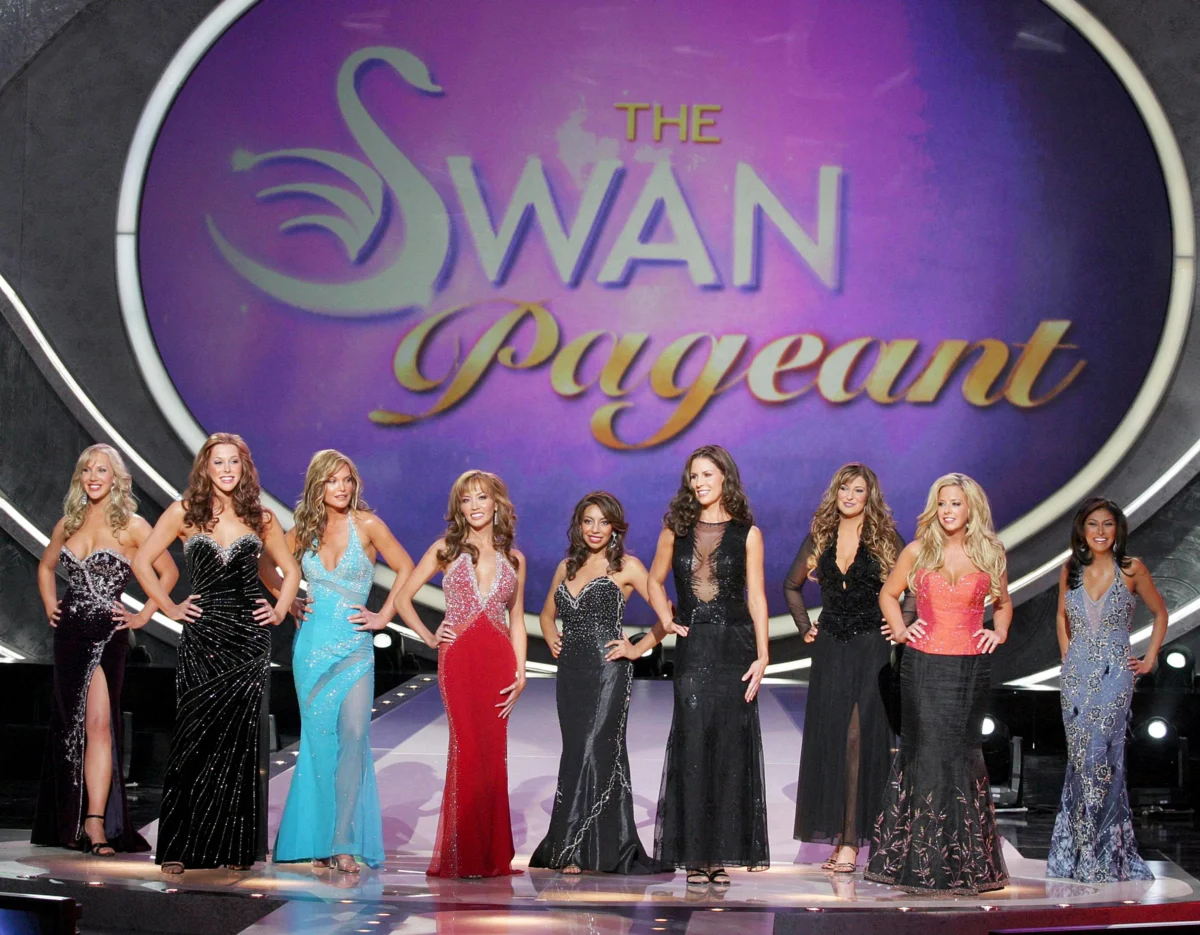
When the reality television series The Swan premiered on Fox in 2004, it marked a seismic shift in the cultural landscape of beauty, surgery, and the commodification of the female form. Created by Nely Galán, the show promised a "surgical interpretation of Cinderella," where women deemed "Plain Janes" were sequestered for months to undergo intensive plastic surgery, rigorous diet and exercise regimens, and psychological coaching, culminating in a pageant-style finale. Two decades later, as Hulu revisits the series through a modern documentary lens, the legacy of The Swan remains a poignant case study in the intersection of television entertainment, body image, and the ethics of medical intervention for public consumption.
The Mechanics of the Transformation
The production of The Swan was an industrial-scale operation. Contestants were removed from their daily lives—families, careers, and support systems—and placed into a tightly controlled environment. The "village" required to execute these transformations included an array of specialists: plastic surgeons, cosmetic dentists, dermatologists, psychotherapists, personal trainers, and professional image consultants.

The logistical reality of the show often clashed with its curated, fairy-tale narrative. For example, during the taping of the first season’s finale, a poignant moment involving contestant Beth Lay and her young son was marred when the child did not recognize his mother following her surgery. The production was halted for 45 minutes, and the scene was reshot without the family reunion, highlighting the disconnect between the "happily ever after" marketing and the jarring reality of radical physical alteration. This incident, documented by Joan Kron in 2004, remains one of the most stark examples of the tension between human experience and television production schedules.
A Chronology of the Makeover Phenomenon
The early 2000s represented a "gold rush" for plastic surgery-themed programming. Following the success of shows like Extreme Makeover, The Swan pushed the boundaries further by adding the high-stakes, elimination-style pressure of a pageant.
- Early 2004: The Swan launches on Fox, immediately capturing significant Nielsen ratings despite widespread critical backlash.
- Mid-2004: The show expands its reach, with international syndication rights sold to markets including Germany.
- Late 2004: The publication of The Swan Curriculum, a spin-off book, attempts to codify the show’s philosophy into a lifestyle guide.
- 2005 and Beyond: The series concludes, but leaves behind a lasting imprint on the reality television industry, influencing future shows that blend self-help, competition, and elective surgery.
Sociological and Ethical Implications
The backlash against The Swan was immediate and visceral. Critics from USA Today to The Boston Globe described the show in terms ranging from "plastic surgery horror" to a degradation of women’s agency. Sociologists, including Jacque Lynn Foltyn, have long argued that such shows function by pathologizing natural aging and features, framing them as flaws to be corrected rather than characteristics to be accepted.

The show introduced the concept of the "beauty thief"—a term describing women who utilize surgical intervention to achieve a status traditionally reserved for the "genetically gifted." This narrative exacerbated public anxiety regarding the authenticity of beauty. When surgery is displayed so brazenly, it challenges the cultural ideal of natural beauty, leading to a psychological phenomenon where viewers simultaneously root for the contestants’ self-improvement while resenting the artifice used to achieve it.
The Human Cost: The Participant Experience
For the women involved, the aftermath of the show was a complex transition. Contestants like Kelly Alemi, who underwent eight hours of surgery including a brow lift, lip augmentation, and full-body liposuction, described the recovery process as "excruciating." Yet, many participants expressed a profound sense of gratitude and self-actualization.
The transition back to "normal life" was often fraught with challenges that the production team did not always anticipate. Participants reported difficulty navigating everyday tasks, such as shopping or feeling safe in public, without the support structures provided by the show. Many faced social stigma, with some friends and family members struggling to reconcile the "new" versions of their loved ones with the people they had known for years. Financial instability also plagued many of the "Swans" once the cameras stopped rolling and the weekly stipends ceased, leading to a scramble for post-show employment in an increasingly judgmental media environment.

Data and Trends in Aesthetic Surgery
The popularity of The Swan coincided with a massive surge in elective cosmetic procedures. According to data from the American Society for Aesthetic Plastic Surgery (ASAPS), the number of cosmetic procedures performed in the United States grew exponentially throughout the 2000s. While The Swan was an outlier in its extreme, multi-procedure approach, it acted as a cultural accelerant for the normalization of "mommy makeovers" and total-body transformations.
The medical community, however, remained largely critical. Associations expressed concern over the "unrealistic expectations" fostered by the show’s rapid, high-intensity surgical schedules. The physical risks—including infection, prolonged recovery times, and the potential for botched results—were rarely explored with the depth required for a serious medical discussion, as the show’s format prioritized the "reveal" moment over the clinical process.
The Lasting Legacy of The Swan
Twenty years later, the cultural conversation has shifted from the shock of the "before-and-after" reveal to the psychological impact of digital and social media beauty filters, which have arguably democratized the desire for surgical perfection. The Swan served as a precursor to today’s influencer-driven aesthetic trends, where the line between natural appearance and artificial modification is increasingly blurred.

The primary legacy of The Swan is its role as a cautionary tale regarding the commodification of the body. By framing self-worth as something that can be surgically manufactured, the show provided a blueprint for modern aesthetic consumerism. While the participants often found the experience personally transformative, the societal critique of the program highlights a persistent tension: the struggle between the desire for bodily autonomy and the pressures of an external, often rigid, beauty standard. As the upcoming documentary sheds new light on the series, it serves as a timely reminder to evaluate how media narratives continue to shape, and at times distort, the ways in which we define value, identity, and the pursuit of happiness.