







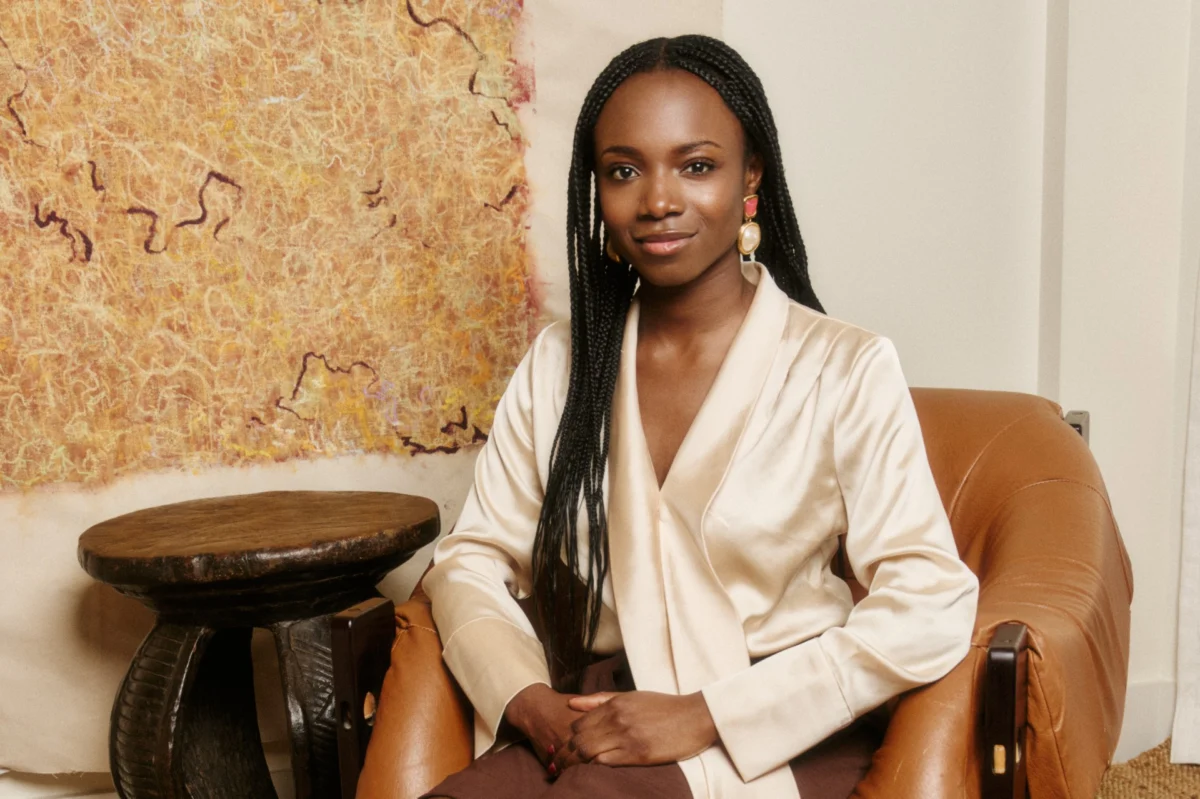
For generations, the cultural and aesthetic ritual of hair braiding has stood as a cornerstone of Black hair care. Spanning millennia, techniques such as box braids, knotless braids, and bohemian styles serve not only as protective measures for textured hair but also as deeply rooted expressions of identity, community, and heritage. Yet, this time-honored practice carries a formidable physical and temporal toll. Patrons frequently endure marathon sessions lasting anywhere from six to twelve hours in salon chairs, while professional stylists face punishing workloads that routinely result in chronic occupational hazards, including carpal tunnel syndrome, severe joint strain, and debilitating arthritis.
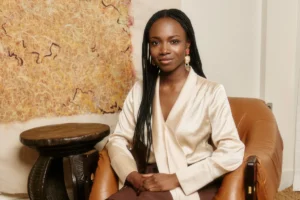
Addressing this intersection of cultural tradition and high-latency manual labor, robotics startup HaloBraid has officially emerged from stealth mode. Founded by Yinka Ogunbiyi, the company announced on Tuesday that it has successfully secured $7 million in a seed funding round. The investment was led by Seven Seven Six, the venture capital firm founded by Reddit co-founder Alexis Ohanian, with additional participation from prominent institutional investors AlleyCorp and Bling Capital. The newly acquired capital is earmarked for accelerated product development, scaling manufacturing capabilities, and establishing strategic partnerships with commercial hair salons ahead of a planned product launch later this year.
The Genesis of an Engineering Solution
The inspiration for HaloBraid was born out of necessity during the height of the COVID-19 pandemic. Confined alone to her London apartment, Yinka Ogunbiyi attempted the arduous task of braiding her own hair. The endeavor proved to be an exhaustive, four-day ordeal.
Ogunbiyi, who holds an MBA alongside a Master of Science in engineering from Harvard University, brought a unique analytical perspective to the challenge. Having previously founded a smart cooking appliance company, she quickly reframed the physical demands of hair braiding as a complex engineering and technical problem waiting to be solved. Recognizing that the beauty and tech sectors had largely neglected innovations tailored specifically to textured hair, she embarked on years of rigorous research and development.
Manipulating human hair mechanically presents formidable scientific hurdles. According to Ogunbiyi, hair ranks among the trickiest substrates in the world to handle due to its variable texture, elasticity, and individual strand dynamics. To overcome these obstacles, the HaloBraid engineering team had to borrow advanced methodologies from disparate technical fields, ranging from material science to high-precision inkjet printing.
Although core patents remain pending, keeping detailed operational mechanics under wraps for now, Ogunbiyi has outlined the device’s functional workflow. The apparatus is explicitly designed to serve as an intelligent assistant to professional hairstylists rather than a standalone consumer machine. A professional stylist initiates the process by sectioning the hair and beginning the upper portion of the braid. Once established, the stylist hands off the remaining length to the HaloBraid assistant, which mechanizes and completes the rest of the braid in a matter of seconds. The system has been engineered to handle both traditional box braids and modern knotless variations while maintaining a high standard of gentleness to prevent breakage or scalp discomfort.
Quantifying the Market Need and the Cost of Time
The commercial viability of HaloBraid is underpinned by substantial data regarding time expenditure within the global beauty market. Internal research conducted by the startup indicates that humanity collectively invests an estimated 8 billion hours annually into hair-braiding procedures. Furthermore, in a consumer survey of 2,000 respondents, 95% stated unequivocally that they would opt to have their hair braided with greater frequency if the process required significantly less time.

This staggering time commitment has created a massive, underserved market ripe for technological intervention. For venture capitalist Alexis Ohanian, the investment thesis was both mathematically sound and personally informed. Ohanian is married to tennis legend Serena Williams, a prominent Black woman frequently celebrated for showcasing intricate braided hairstyles on the global sports stage. The couple also shares two Black children who routinely wear braided styles.
Reflecting on the domestic reality of these grooming rituals, Ohanian noted the grueling nature of long styling sessions. While his oldest daughter enjoys the initial hours of the process, he observed that by the ninth hour, the fatigue universally sets in for everyone involved. Comparing the tech landscape of general hair styling appliances—such as the market disruption caused by Dyson’s high-end hair tools—Ohanian highlighted a glaring disparity in venture capital allocation toward textured hair innovations. Despite commanding a loyal, highly engaged consumer base eager to spend on quality solutions, the sector has remained technologically stagnant.
Expressing robust confidence in the physical product, Ohanian remarked that hardware innovation is experiencing a renaissance. Drawing parallels to his investments in high-tech heavy industries, such as the aerospace firm Stoke and asteroid mining enterprise AstroForge, he emphasized that an automated hair-braider is a remarkably pragmatic, highly buildable application of robotics with a crystal-clear go-to-market strategy.
Competitive Landscape and Industry Implications
The competitive ecosystem for automated hair-braiding technology is sparse, leaving HaloBraid in a commanding early-mover position alongside a handful of emerging entities such as Braidiant. Because previous attempts to mechanize hair styling have historically struggled with the delicate nature of human tresses, HaloBraid’s interdisciplinary approach positions it favorably to capture significant market share in the professional salon space.
The introduction of robotics into the salon environment carries profound implications for both labor dynamics and public health within the beauty industry. Professional braiders are currently subjected to intense physical tolls, often resulting in premature career termination due to repetitive strain injuries. By integrating an automated assistant capable of executing the most repetitive phases of a styling session, salons could drastically reduce average appointment times. This efficiency not only safeguards the physical well-being of stylists by mitigating the risks of carpal tunnel syndrome and arthritis, but it also allows businesses to increase client turnover, thereby boosting revenue generation for independent stylists and salon owners alike.
Looking Ahead: The Vision for Textured Hair Care
With the successful closure of its seed funding round and a validated engineering prototype, HaloBraid’s immediate priority is executing a smooth commercial rollout later this year. However, Ogunbiyi and her core team of approximately 15 employees are already looking beyond their flagship device.
Product roadmaps include conceptualizing complementary technologies designed to streamline other labor-intensive aspects of hair maintenance. Among these future developments is a potential automated solution for unbraiding hair—a restorative process that can routinely consume as much time and physical effort as installing the braids in the first place.
As consumer expectations shift and the intersection of beauty and robotics matures, HaloBraid aims to establish a new technological baseline for the industry. By marrying ancient cultural practices with advanced engineering, the startup seeks to transform the global landscape of textured hair care, turning a traditionally grueling endurance test into a faster, more comfortable, and ultimately more joyful experience for consumers and professionals alike.