








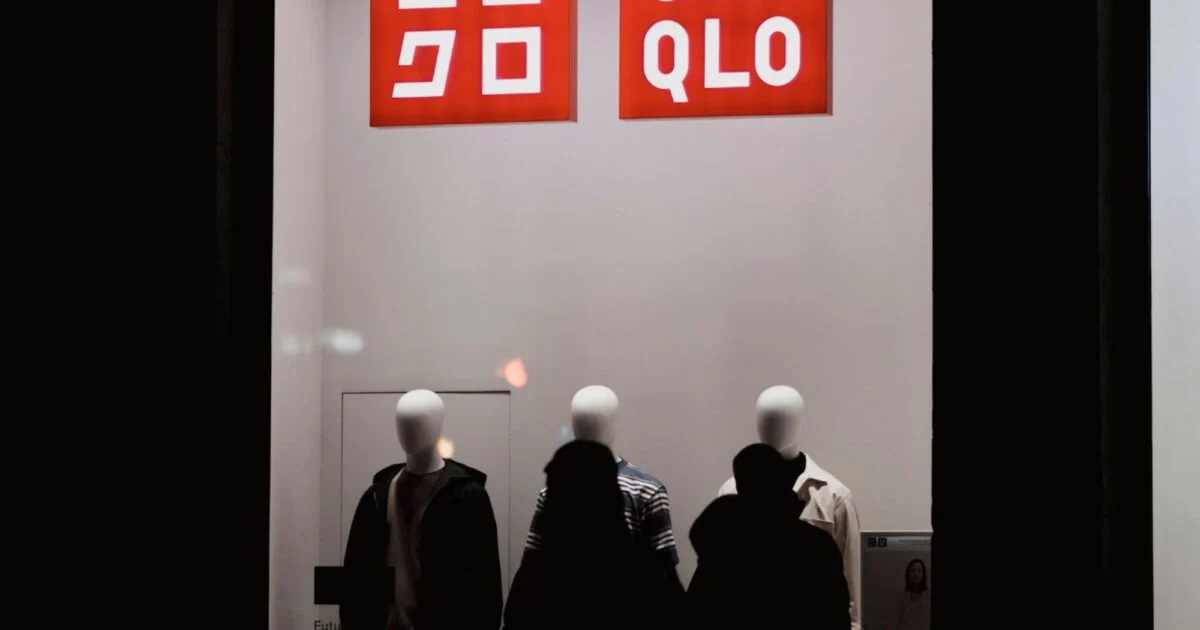
The global fashion landscape has long been dominated by brands promising rapid trend turnover, yet few entities have achieved the sheer omnipresence and commercial dominance of Uniqlo. Originating in Hiroshima in 1984 under the visionary leadership of Tadashi Yanai—currently one of Japan’s wealthiest individuals—the casual wear retailer has systematically expanded its footprint to encompass approximately 2,500 stores worldwide. Yanai’s publicly stated aspirations for the brand are monumental: he aims to surpass competitors H&M and Zara to make Uniqlo the largest apparel retailer on the planet. However, this aggressive pursuit of global market saturation invites critical scrutiny. As consumers increasingly demand transparency regarding the true cost of their wardrobes, sustainability rating organizations continue to evaluate whether multinational conglomerates can genuinely reconcile hyper-growth with ecological stewardship. Based on a comprehensive June 2026 assessment by Good On You analysts, Uniqlo currently holds a middling overall score of "It’s a Start." This evaluation weighs the brand’s public disclosures, third-party reporting, and corporate policies across three foundational pillars: environmental impact, labor conditions, and animal welfare.
The Growth Trajectory and Scale of Uniqlo
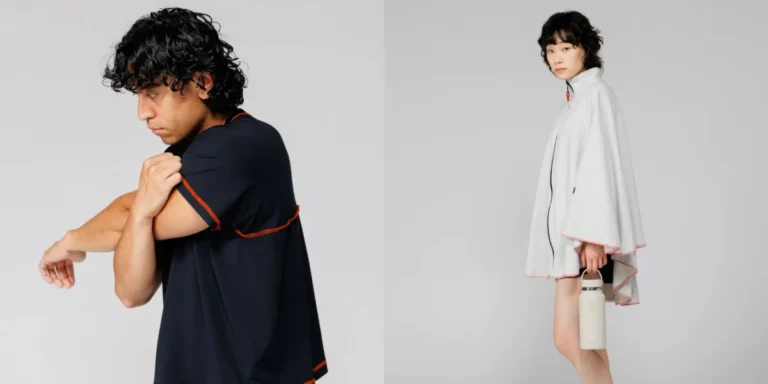
To understand Uniqlo’s current standing in the sustainable fashion discourse, one must examine its unique operational model. Unlike ultra-fast-fashion competitors that introduce thousands of micro-trends on a weekly basis, Uniqlo built its reputation on Lifewear—a concept centered on minimalist, high-quality, functional everyday staples such as fleece jackets, merino wool sweaters, and durable denim. This emphasis on timeless design theoretically extends the lifecycle of each garment, positioning the brand as a more enduring alternative to traditional disposable fashion.
Nevertheless, the sheer volume of production required to sustain 2,500 retail locations complicates this narrative. As Uniqlo scales its operations to challenge industry leaders, the environmental footprint of manufacturing, shipping, and eventual disposal grows exponentially. Industry analysts note that even the most durable garments generate substantial waste when produced at a multi-billion-dollar scale, particularly when commercial strategies rely on frequent seasonal discounting to accelerate inventory turnover. Consequently, while Uniqlo’s aesthetic resists rapid obsolescence, its underlying business model remains firmly anchored in the high-volume mechanics of mass consumerism.
Environmental Performance: Policies, Gaps, and Regulatory Scrutiny
Uniqlo’s environmental performance earned a rating of "It’s a Start," reflecting a dichotomy between proactive sustainability initiatives and persistent opacity in material sourcing. On the positive side, the retailer has implemented tangible circularity measures, including consumer clothing recycling programs designed to mitigate end-of-life textile waste and dedicated repair-and-reuse studios in select markets. Furthermore, the company has established science-based climate change targets aimed at curbing supply chain greenhouse gas emissions, alongside a stated commitment to phase out hazardous chemicals following the conclusion of 2025.
However, independent analysts assessing the brand in mid-2026 encountered notable informational voids. Most critically, Uniqlo has failed to publish a comprehensive, aggregate breakdown of its material mix. Without transparent data regarding the exact percentages of conventional versus lower-impact materials utilized across its entire inventory, consumers and watchdogs cannot accurately quantify the brand’s transition away from virgin synthetics.
This lack of precise public disclosure recently manifested in regulatory fallout. In June 2026, advertising regulators in the United Kingdom officially banned a Uniqlo promotional campaign after determining that its claim regarding a fleece being constructed from "recycled materials" was overly vague and insufficiently substantiated. Incidents of this nature underscore a growing regulatory intolerance for greenwashing, signaling that Uniqlo must substantially improve the clarity and verifiable accuracy of its environmental marketing if it hopes to build genuine consumer trust. Moreover, at the time of the June 2026 review, independent verification confirming whether the brand remained on track to meet its carbon reduction and chemical elimination milestones was conspicuously absent.
Labor Standards and Supply Chain Ethics
In contrast to its environmental metrics, Uniqlo performs significantly better regarding workforce welfare, securing a "Good" rating for labor practices. A foundational pillar of this score is the brand’s social auditing program, which thoroughly covers its final production stage and maintains accreditation from the Fair Labor Association (FLA). Additionally, Uniqlo’s corporate Code of Conduct formally incorporates the International Labour Organization’s (ILO) Four Fundamental Freedoms principles, establishing a baseline standard for worker rights across its supplier network.
To foster long-term stability within its supply chain, Uniqlo has introduced financial security initiatives designed to guarantee better operational conditions for partner factories. The company has also rolled out specialized leadership programs aimed at empowering female workers and promoting upward mobility within manufacturing environments—a progressive corporate responsibility measure expected of powerful multinational entities.
Despite these notable achievements, a critical deficiency persists within Uniqlo’s labor framework: the absence of a verified living wage. While the corporation acknowledges the issue through project-based initiatives intended to elevate baseline wages, analysts found no concrete evidence confirming that a living wage—defined as remuneration sufficient to afford a decent standard of living for workers and their families—is systematically paid at any tier of its supply chain. For a global enterprise of Uniqlo’s financial magnitude, closing the gap between minimum legal wages and true living wages remains the most pressing ethical imperative for future operational reforms.
Animal Welfare Policies and Material Sourcing
Uniqlo’s approach to animal welfare yields an "It’s a Start" rating, characterized by commendable omissions of certain controversial materials counterbalanced by insufficient traceability and certification protocols. On the credit side, the brand successfully avoids the use of animal fur, alpaca, shearling, and mohair—choices that align with modern ethical considerations in textile manufacturing.
Conversely, animal-derived materials remain integral to Uniqlo’s seasonal profitability, particularly during autumn and winter when cashmere sweaters, wool coats, and down-filled puffer jackets dominate retail displays. While the brand utilizes wool sourced exclusively from non-mulesed sheep—a crucial welfare distinction—it fails to provide verifiable documentation detailing how this standard is monitored and enforced throughout its extensive agricultural supply chain. Furthermore, Uniqlo continues to incorporate conventional leather without committing to accredited certification programs that ensure stringent animal welfare, comprehensive supply chain traceability, and the minimization of toxic tanning chemicals. Finally, the brand’s overarching animal welfare policy falls short of full alignment with the internationally recognized Five Freedoms, indicating a need for a more formalized, rigorous governance structure regarding animal-derived inputs.
Broader Industry Implications and the Pragmatism of Progress
The evaluation of Uniqlo by independent rating agencies highlights the complex realities facing modern consumers who wish to navigate sustainability without retreating from the global retail market. Fast fashion giants occupy a contentious space where incremental progress coexists with systemic pressures toward overproduction.
Critics emphasize that no multinational retailer operating on Uniqlo’s scale can be categorized as genuinely sustainable while simultaneously driving high-volume sales through aggressive discounting and seasonal churn. When cheap apparel inevitably reaches the end of its utility, a significant proportion inevitably contributes to the global crisis of textile waste accumulating in landfills.
Yet, industry commentators also advocate for pragmatic consumerism, noting that sweeping dismissals of intermediate brands can prove counterproductive. When evaluated against ultra-fast-fashion competitors that demonstrate negligible regard for human rights or ecological preservation, Uniqlo’s investments in supply chain auditing, circularity pilots, and timeless garment design represent a tangible step forward. Under the philosophy of prioritizing measurable progress over unattainable perfection, purchasing a durable staple from a brand rated "It’s a Start" is often viewed as a rational compromise for shoppers operating within specific financial and sizing constraints.
Navigating Sustainable Alternatives
For consumers seeking to bypass transitional brands entirely in favor of fully vetted sustainability leaders, the sustainable fashion marketplace offers numerous certified alternatives. Retailers such as BAM (Bamboo Clothing) provide eco-friendly activewear utilizing organic and circular fabrics with highly traceable supply chains. Similarly, North American brands like Toad&Co and tentree integrate rigorous environmental standards into everyday apparel, with tentree famously planting ten trees for every item purchased while maintaining certified fair-working conditions.
For those requiring raw, unbleached basics, US-based labels like Harvest & Mill and FM 669 champion localized agricultural economies by sourcing GOTS-certified organic cotton exclusively from domestic farms and employing regenerative farming techniques. Meanwhile, accessories brands such as BEDI, Up-Fuse, and Lefrik repurpose industrial waste—ranging from discarded seatbelts and plastic bottles to post-consumer nylon—into durable luggage and outerwear, demonstrating that circular design is viable across multiple product categories.
Ultimately, as consumer awareness deepens and regulatory bodies tighten scrutiny on corporate claims, accountability will remain the primary currency of the fashion industry. Whether Uniqlo will accelerate its reforms to transition from a middling performer into an undisputed sustainability leader remains to be seen, but the ongoing demand for transparency ensures that the pressure from both watchdogs and shoppers will only intensify.