






For the true connoisseur of sartorial elegance, the fabric of a garment is not merely a material choice but its very soul. In the realm of classic menswear, the evaluation of cloth transcends basic color palettes, requiring a nuanced understanding of weave, weight, and the way light interacts with the fiber. Mastering these elements is the difference between a wardrobe that merely functions and one that exhibits genuine craft and longevity. This guide delineates fifty essential fabrics, categorizing them by their intended utility to provide a clear roadmap for informed sartorial investment.

The Evolution and Categorization of Textile Utility
The history of textile development in menswear is a chronicle of functionality meeting aesthetic refinement. From the heavy, felted wools of the nineteenth-century naval tradition to the high-twist, porous wools designed for the modern climate-controlled environment, fabrics have been engineered to solve specific environmental challenges. Understanding these textiles requires looking at their origin—whether animal, plant, or synthetic—and how their structural properties dictate their performance in the field, the boardroom, or at formal evening engagements.
Warm Weather Engineering: Breathability and Structure
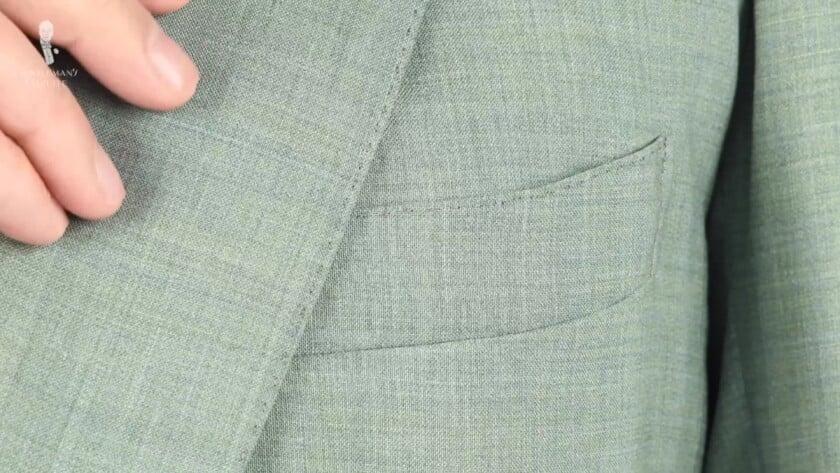
In climates characterized by heat and humidity, the primary challenge for the tailor is maintaining structure without sacrificing airflow. High-twist wool, often referred to as Fresco, represents a pinnacle of this engineering. By tightly twisting the yarn, manufacturers create a porous, crisp cloth that resists wrinkling and facilitates constant ventilation. Typically found in weights between 9 and 11 ounces, it provides the necessary drape for a suit that does not cling to the wearer.
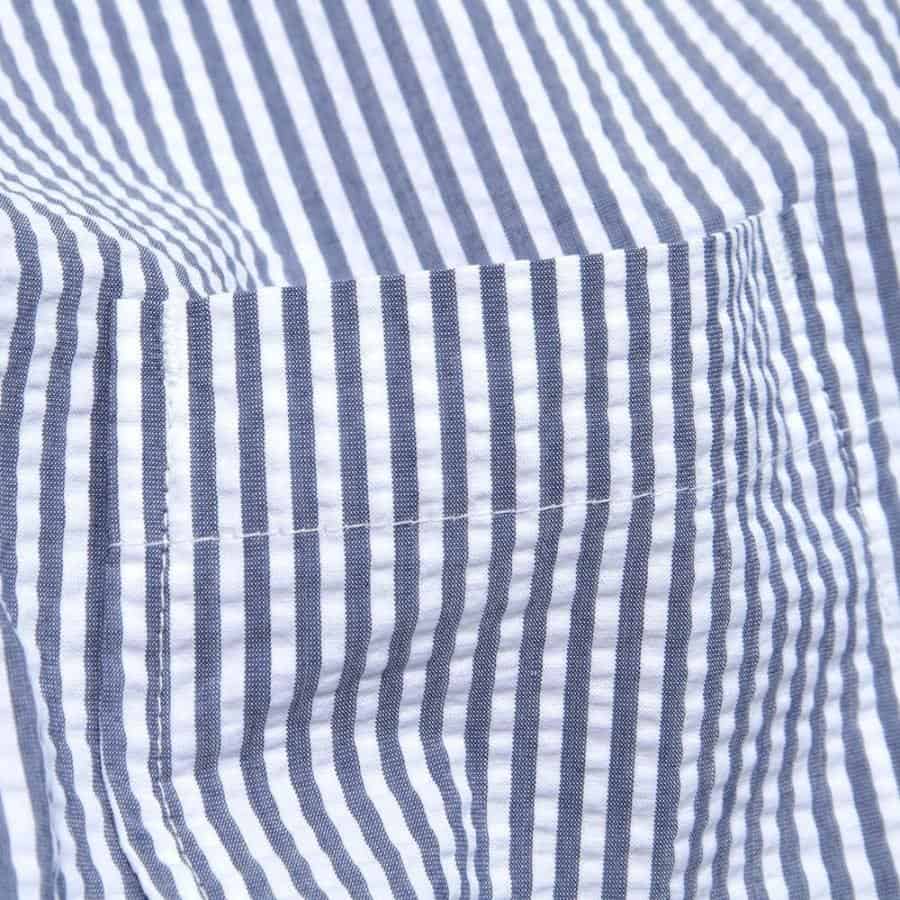
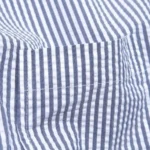
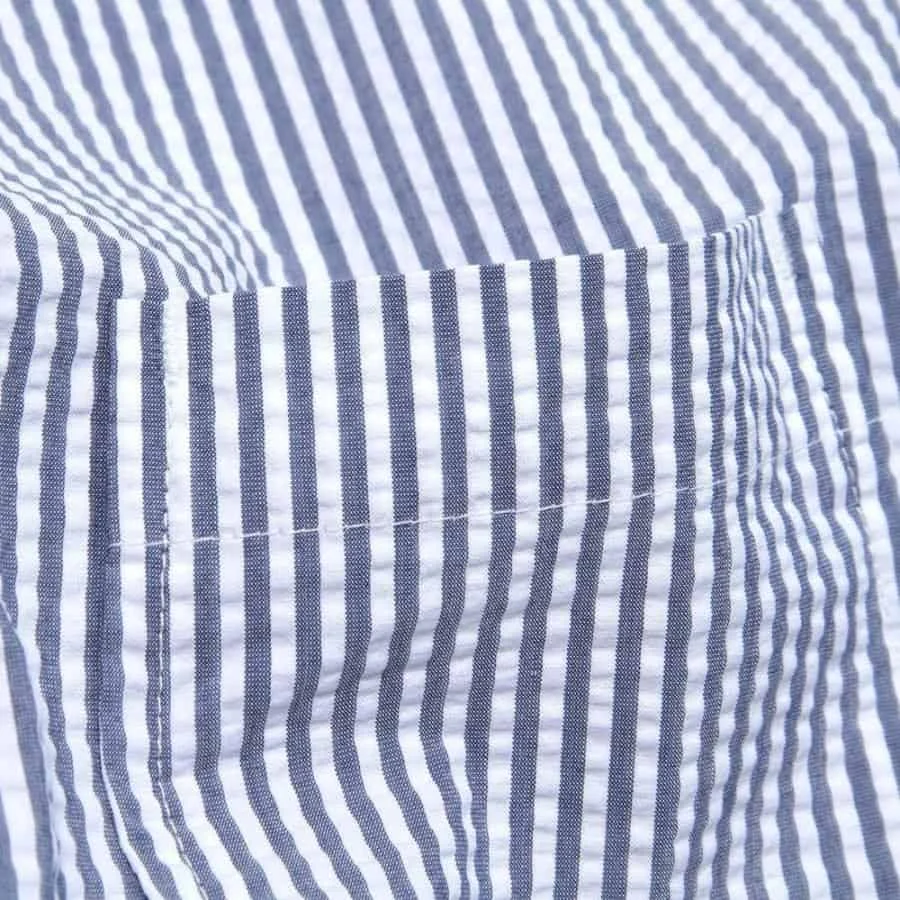
Contrast this with Tropical Wool, which is engineered at a lower weight—between 7 and 9 ounces—to minimize thermal insulation. While ideal for high-summer business wear, it lacks the structural longevity of higher-weight cloths. For those who prioritize tradition, Irish Linen remains the gold standard. Its tendency to crease is often viewed not as a flaw, but as an aristocratic hallmark of natural fiber. Similarly, seersucker—with its characteristic puckered texture created during the weaving process—remains a staple for summer suits. Because the puckering holds the fabric away from the skin, it allows for natural air circulation without the need for synthetic liners.

The Technical Demands of Winter Outerwear
As temperatures drop, the criteria for fabric selection shift toward insulation, wind resistance, and durability. Melton wool, a dense, heavily felted fabric where the weave is virtually obscured, serves as the industry standard for naval peacoats and heavy overcoats. Its ability to act as a barrier against wind and moisture is unmatched in the natural fiber category.
For luxury outerwear, camel hair remains a superior choice due to its high loft and insulating properties. Derived from the undercoat of the camel, it provides significant warmth at a fraction of the weight of sheep’s wool. However, it requires careful handling; its delicate fibers are prone to abrasion, making it unsuitable for rugged, everyday use. In contrast, Shetland wool offers a hardier, more rustic alternative. Often associated with the "shaggy dog" sweater, its brushed surface and hearty nature make it ideal for layered winter outfits where durability is prioritized over a fine hand.

The Business Suit: Weave and Professional Presence
In professional environments, the choice of fabric often dictates the wearer’s perceived authority and attention to detail. Worsted flannel, produced by combing out short-staple fibers, offers a refined, fuzzy nap that suggests both comfort and permanence. This process results in a cloth that is significantly more durable than its carded counterparts.

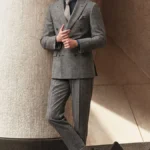
When considering formal suiting, one must evaluate the weave pattern. Hopsack, a loose, open basket weave, is favored for its wrinkle resistance, making it an essential component of a travel-ready blazer. Conversely, Bird’s Eye and Sharkskin weaves offer depth and personality through complex yarn arrangements. Bird’s Eye, defined by its small, repetitive diamond patterns, provides the visual interest of a check or stripe while retaining the versatility of a solid color. Sharkskin, created through alternating colored yarns in a pick-and-pick pattern, produces a subtle shimmer that is appropriate for high-stakes business environments where a standard solid might appear too flat.

Emerging Trends and Sustainability in Textile Production
Modern textile manufacturing is currently undergoing a shift toward performance-based natural fibers. Escorial wool, sourced from a rare breed of sheep with naturally curly fibers, has gained traction in high-end travel tailoring due to its exceptional spring-back quality. As consumers become more discerning, the demand for transparency in the supply chain—particularly regarding the origins of cashmere and vicuña—has intensified.
The industry is also re-evaluating the role of traditional workwear fabrics, such as cotton drill and whipcord. These fabrics, once relegated to utility roles, are increasingly being adopted for casual tailored pieces, such as safari jackets and unstructured trousers. The durability of these heavy-duty cottons aligns with the current move toward a "slow fashion" model, where garments are expected to last for decades rather than seasons.

Essential Maintenance and Practical Implications
The longevity of any garment is inextricably linked to the care it receives. For instance, wax cotton, while a triumph of weather resistance for field jackets, presents significant maintenance challenges. Because the paraffin wax coating can transfer to furniture, it is strictly an outdoor material. Furthermore, fabrics like grenadine—while prized for their unique texture in neckwear—are highly susceptible to snagging. Understanding these limitations is as important as recognizing the benefits of the fabric.
Strategic Wardrobe Building: A Summary of Recommendations
To build a foundational wardrobe, industry experts consistently point to two essential items: the navy hopsack blazer and the gray flannel trouser. These pieces represent the optimal intersection of versatility, durability, and aesthetic standard.
- Navy Hopsack Blazer: Offers breathability and wrinkle resistance for travel and business casual settings.
- Gray Flannel Trousers: Provide the necessary weight for autumn and winter while offering a neutral base that pairs with a wide variety of sport coats and knitwear.
By focusing on these core pillars, the wearer can gradually expand into more specialized fabrics, such as Harris Tweed for cold-weather outerwear or Sea Island cotton for high-quality shirting.
Fabric FAQ
What distinguishes worsted from woolen fabric?
The distinction lies in the preparation of the yarn. Worsted fabrics are made from combed yarns where short fibers are discarded, resulting in a smooth, strong finish. Woolen fabrics retain both long and short fibers, creating a softer, fuzzier, and more insulating material that is generally less durable.
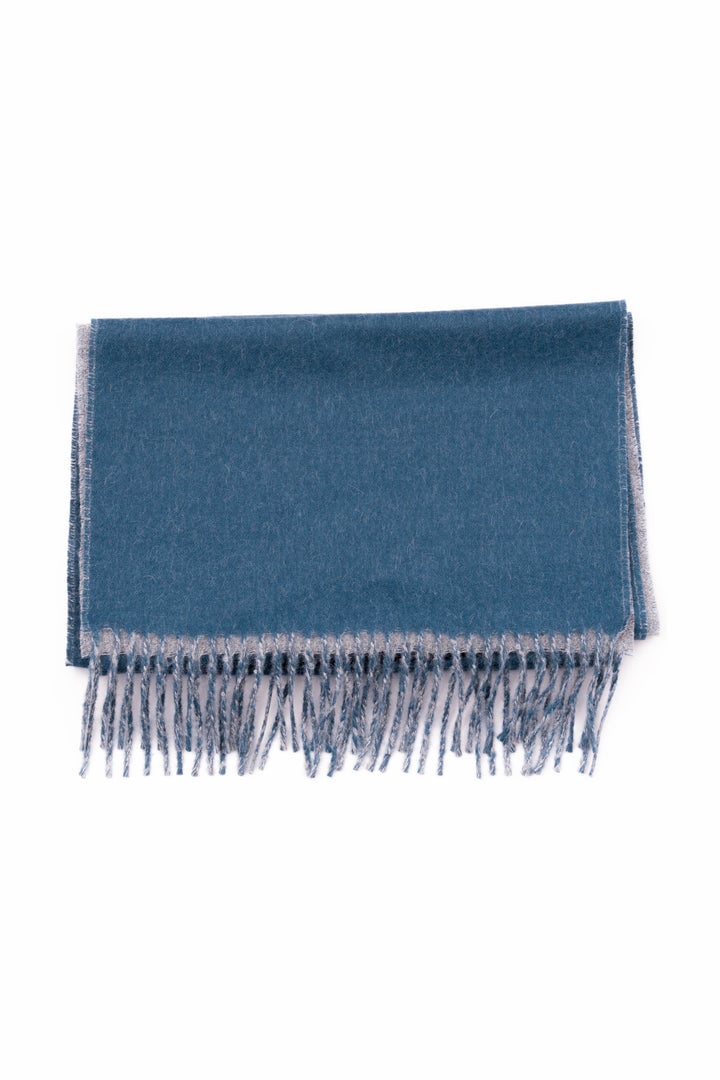
How should one choose between worsted and carded flannel?
Worsted flannel is the superior choice for trousers due to its combed composition, which resists wear and tear. Carded flannel, while soft, lacks the necessary strength for high-friction areas and is better suited for lighter-use items like overcoats.
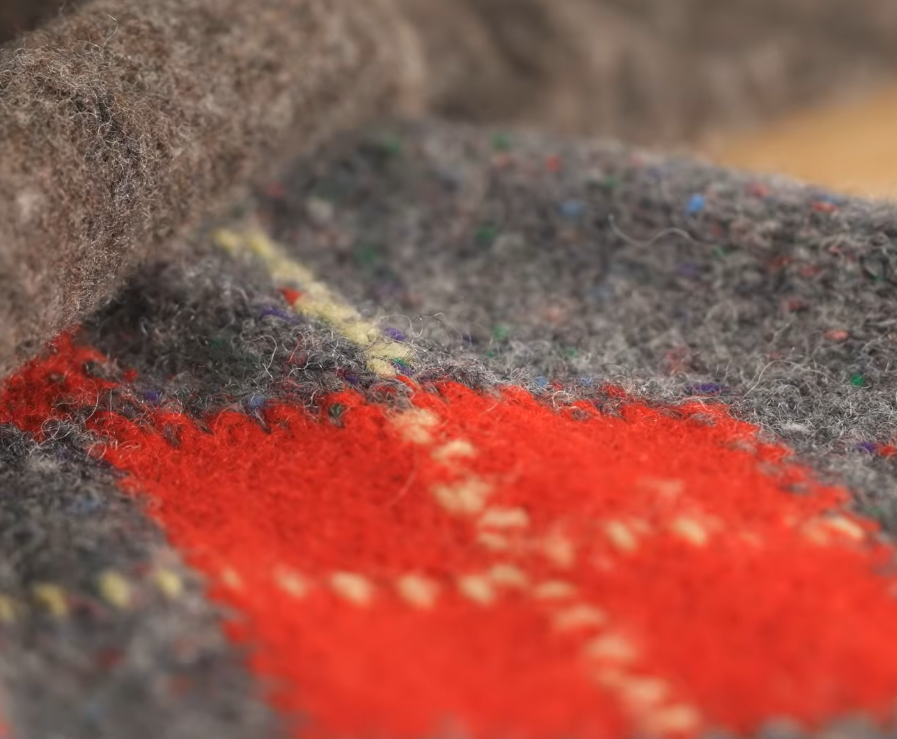
Is there a functional difference between Donegal and Harris Tweed?
Yes. Donegal Tweed, originating from County Donegal in Ireland, is defined by its colorful nepps or flecks. Harris Tweed, which is protected by strict geographical and production standards, is handwoven in the Outer Hebrides of Scotland and is generally known for a heavier, more protective weight.
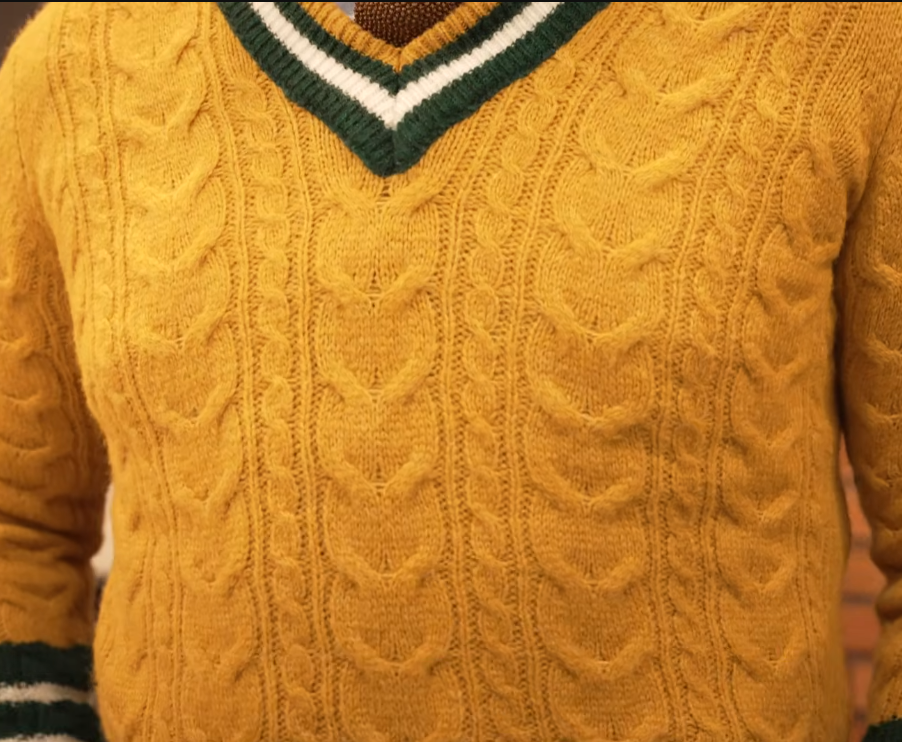
Which fabric is most effective for a summer suit?
High-twist wool, or "fresco," remains the most effective choice due to its breathability and resistance to creasing. While Irish linen is a classic option, it lacks the wrinkle-recovery properties of high-twist wool.
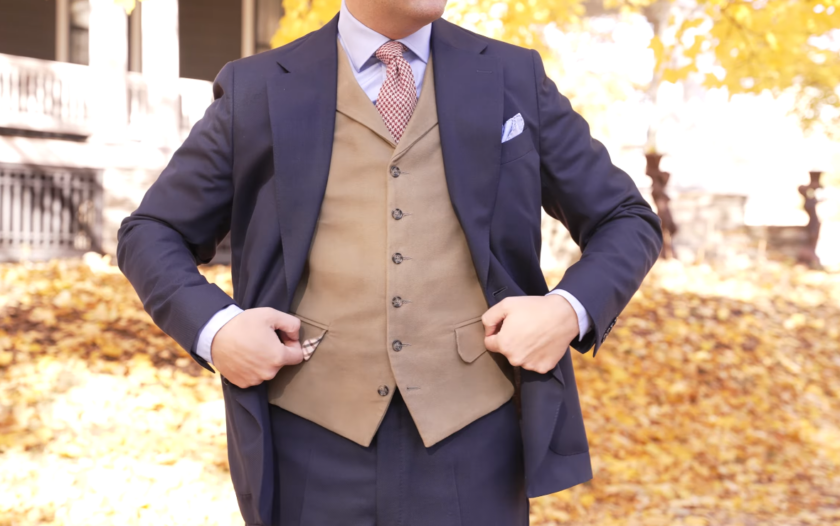
The mastery of fabric selection is a continuous process of learning and refinement. By understanding the mechanical and aesthetic properties of these materials, the modern wearer can ensure that their wardrobe remains not only stylish but also functionally superior for years to come.