




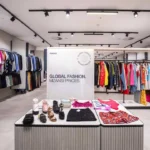






The global fashion landscape has undergone a dramatic transformation over the past decade, driven by the meteoric rise of digital-first, ultra-fast fashion retailers. Among the most prominent beneficiaries of this shift is Cider, a Hong Kong-founded apparel brand that launched in 2020 and quickly became a fixture on social media platforms like TikTok. Characterized by rapid trend cycles, micro-seasons, and aggressive pricing strategies—with tops often retailing for as little as £4—Cider capitalized on the modern consumer’s appetite for novelty. However, as the brand expanded its digital footprint and ventured into physical retail stores by 2026, it simultaneously drew intense scrutiny from environmental watchdogs, ethical consumer advocacy groups, and sustainability rating agencies.
The appeal of Cider is rooted in its algorithmic marketing and vast product catalog, which mirrors the fleeting aesthetic desires of Gen Z and millennial consumers. The hashtag #ciderhaul has amassed tens of thousands of video submissions on TikTok, illustrating the sheer volume of consumption encouraged by the brand’s business model. Yet, this rapid production model sits at the center of growing concern within the textile industry. Independent sustainability assessments, such as those conducted by the rating platform Good On You, place Cider in the lowest possible category, assigning it a "We Avoid" designation due to systemic shortcomings in environmental stewardship, labor transparency, and animal welfare practices.
The Rise of Ultra-Fast Fashion and the TikTok Economy
The emergence of brands like Cider marks a departure from traditional fast fashion models popularized in the early 2000s. While legacy fast fashion brands typically operated on multi-week or multi-month production cycles, ultra-fast fashion utilizes real-time data analytics, localized manufacturing networks, and social media trend-spotting to produce thousands of distinct styles within days. This hyper-responsive supply chain relies heavily on synthetic fibers—primarily polyester, nylon, and acrylic—derived from fossil fuels, which require significant energy inputs to extract and process.
The economic model driving these low retail prices often externalizes environmental and human costs. When a consumer purchases a garment for a nominal sum, the price tag fails to reflect the true cost of material extraction, wastewater treatment, carbon emissions, and fair labor wages. Industry analysts point out that the low durability of ultra-fast fashion garments virtually guarantees a short lifecycle, with many items discarded after only a handful of wears. Consequently, a significant percentage of these trendy pieces end up in municipal solid waste streams, contributing to the global textile waste crisis.
Environmental, Labor, and Welfare Evaluations
According to comprehensive sustainability evaluations, Cider’s operations present critical concerns across three core pillars: planet, people, and animals.
In the realm of environmental impact, Cider receives a "Very Poor" rating. The brand demonstrates a notable absence of lower-impact materials in its supply chain, relying predominantly on conventional virgin synthetics rather than certified organic, recycled, or biodegradable alternatives. Furthermore, public documentation indicates a lack of corporate targets or verifiable actions aimed at reducing chemical pollution, greenhouse gas emissions, and freshwater consumption during the dyeing and finishing stages of garment production.
Labor conditions within the supply chain are similarly rated as "Very Poor." Transparency is a critical metric in modern apparel manufacturing; consumers increasingly expect brands to disclose factory locations, auditing reports, and living wage commitments. Cider’s failure to publish sufficient, verifiable data regarding its manufacturing facilities prevents independent verification of worker safety, working hours, and fair compensation. Without robust supply chain traceability, accountability remains virtually non-existent.
Regarding animal welfare, the brand achieves a modest "It’s a Start" rating strictly due to its general avoidance of animal-derived products, with the exception of wool. However, the evaluation highlights that Cider lacks a formalized animal welfare policy and fails to trace the origin of the wool used in its knitwear, leaving animal welfare standards unverified.
Chronology of Expansion and Consumer Pushback
Since its inception in 2020, Cider’s trajectory reflects the broader acceleration of digital retail during and after the COVID-19 pandemic.
- 2020: Cider officially launches from Hong Kong, leveraging direct-to-consumer digital marketing and early adoption of TikTok influencer partnerships.
- 2021–2023: The brand experiences exponential growth, driven by viral haul videos, frequent drops of trend-led micro-collections, and widespread adoption among Gen Z shoppers.
- 2024–2025: As consumer awareness regarding textile waste and labor practices increases, sustainability watchdogs ramp up scrutiny of ultra-fast fashion entities, placing brands like Cider under public pressure to improve transparency.
- 2026: Cider expands its retail strategy by opening physical brick-and-mortar storefronts, signaling an intent to capture traditional retail foot traffic alongside its dominant e-commerce presence. Concurrently, conscious consumer coalitions intensify calls to boycott ultra-fast fashion in favor of durability and ethical accountability.
The Broader Implications for the Fashion Industry
The tension between consumer demand for affordable novelty and the imperative for planetary boundaries represents one of the defining challenges of the modern retail sector. The proliferation of ultra-fast fashion creates complex macroeconomic and environmental implications. On one hand, accessible pricing democratizes trend participation for budget-conscious demographics. On the other hand, the linear "take-make-waste" model accelerates global carbon budgets and strains municipal waste management infrastructure, particularly in countries that receive exported textile waste.
Regulatory bodies in various jurisdictions, particularly within the European Union, have begun proposing stringent due diligence laws, digital product passports, and extended producer responsibility (EPR) schemes to curb the negative externalities of fast fashion. These regulatory shifts suggest that the era of unregulated, ultra-cheap apparel may face significant operational headwinds in the coming years.
Transitioning to Sustainable Alternatives: A "Buy Less, Buy Better" Philosophy
For consumers drawn to the playful aesthetics, retro-inspired silhouettes, and contemporary cuts popularized by brands like Cider, shifting toward sustainable alternatives does not require abandoning personal style. Instead, industry experts advocate for a transition toward the "buy less, buy better" ethos. Investing in higher-quality, durable garments from transparently rated brands often yields a lower cost-per-wear over time compared to continuously purchasing inexpensive, short-lived items.
Independent ratings directories aggregate thousands of brands based on rigorous, evidence-based assessments of their environmental, social, and animal welfare impacts. Consumers looking to align their purchasing power with their values can explore verified alternatives that replicate specific fashion aesthetics while maintaining high ethical standards.
Sustainable Alternatives to Common Trendy Silhouettes
- Knitwear and Boat Neck Tops: Consumers seeking alternatives to synthetic fast-fashion knitwear can turn to independent labels such as Gaia Segattini Knotwear. Operating primarily in Italy, the brand emphasizes circular design principles by utilizing high-quality production leftovers and deadstock yarns to limit material waste, offering collections in standard sizing from S to L.
- Mini Dresses and Bohemian Aesthetics: For shoppers drawn to vintage-inspired prints and versatile day-to-night mini dresses, Australian label Spell provides a responsible production model. Designed in Byron Bay and manufactured in audited facilities worldwide, the brand prioritizes supply chain transparency and offers an inclusive size range spanning from 2XS to 2XL.
- Contemporary Occasionwear and Trousers: Those searching for structured everyday trousers, wide-leg silhouettes, and modern occasion dresses can look toward UK-based brand OMNES. Positioned as a more responsible and accessible womenswear label, OMNES focuses on high-quality construction and lower-impact materials, catering to sizes 6 through 20.
- Wrap Tops and Casual Staples: Consumers seeking everyday casual wear and layering pieces can consider certified organic alternatives such as Happy Earth. This US-based apparel brand integrates environmental activism directly into its business model, partnering with non-profit organizations to fund tree planting, climate action, and community cleanup initiatives, with most items available in sizes XS to 3XL.
Conclusion
The debate surrounding Cider and the broader ultra-fast fashion market highlights a critical crossroads for contemporary consumers. While digital platforms continue to optimize the frictionless delivery of trendy, low-cost apparel, the mounting environmental and social toll necessitates a fundamental rethinking of consumption habits. By relying on transparent ratings systems, scrutinizing supply chain practices, and prioritizing durability over disposability, conscious shoppers retain the agency to influence industry standards and support brands that operate responsibly within ecological boundaries.