






The baseball cap occupies a singular position in the landscape of modern menswear, having evolved from a specialized piece of athletic equipment into a pervasive global accessory. Its trajectory over the past century and a half reflects shifting cultural norms, the rise of subcultural streetwear, and the cyclical nature of fashion trends. Despite enduring varied periods of sartorial disfavor—often associated with the countercultural turbulence of the 1990s or co-opted by high-profile political figures—the baseball cap has consistently regenerated its appeal. Today, it remains an essential item in the contemporary wardrobe, bridging the gap between utilitarian protection and refined casual style.
Historical Evolution and Functional Origins

The origins of the modern baseball cap trace back to 1860, a foundational era when the Brooklyn Excelsiors, an amateur baseball club, first donned early prototypes designed specifically to shield players’ eyes from the harsh glare of the sun. Unlike the flat caps and bakerboy styles popularized by the working classes during the Victorian era and later immortalized by period dramas, these early athletic caps featured a longer peak and a distinctive button affixed to the crown.
For decades, the design remained largely functional. A significant structural evolution occurred in the 1940s with the introduction of latex interiors. This internal reinforcement allowed caps to maintain a rigid, structured shape rather than simply collapsing against the head. As baseball grew into America’s premier pastime, the cap transitioned from team-specific gear to mainstream civilian wear.
Throughout the mid-to-late 20th century, the accessory was increasingly adopted by various subcultures, designers, and even military divisions—most notably by United States submarine officers who occasionally wore specialized red iterations. However, as the cap moved into the civilian sphere, its styling required careful consideration to avoid crossing the line from effortless casualwear into overly literal athletic costuming.
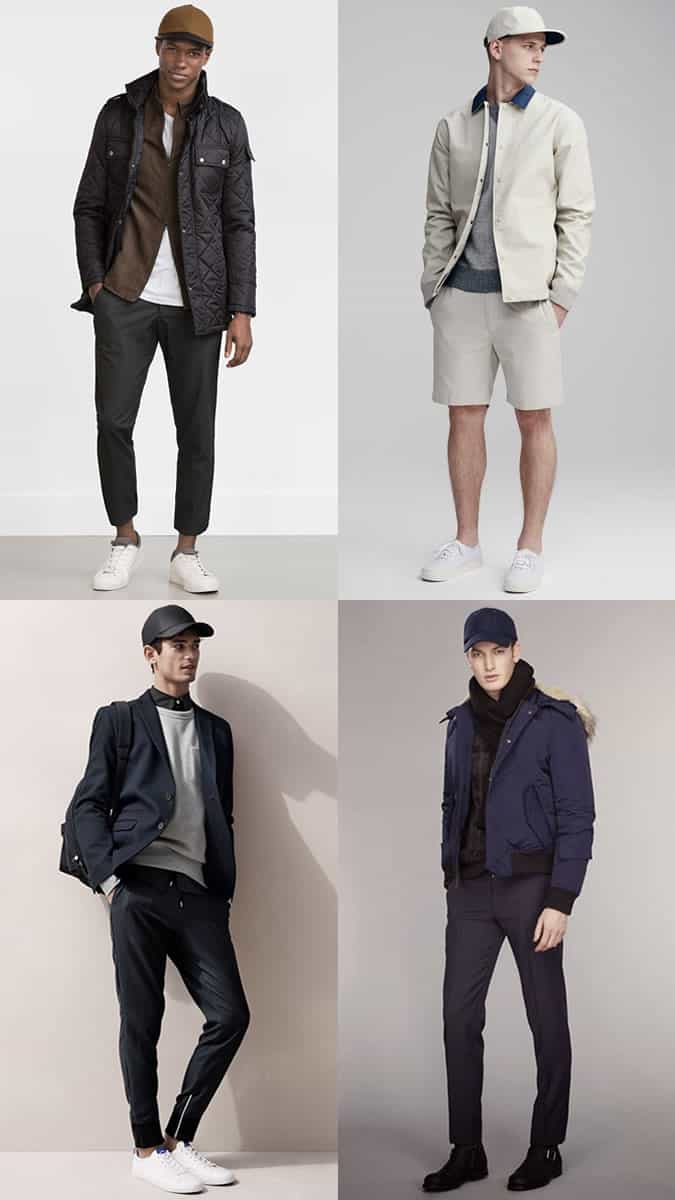
Styling Principles: Form, Color, and Proportions
Navigating the contemporary menswear market requires adherence to specific guidelines regarding fit, fabric, and palette. Industry professionals emphasize that restraint remains the cornerstone of successful hat styling.
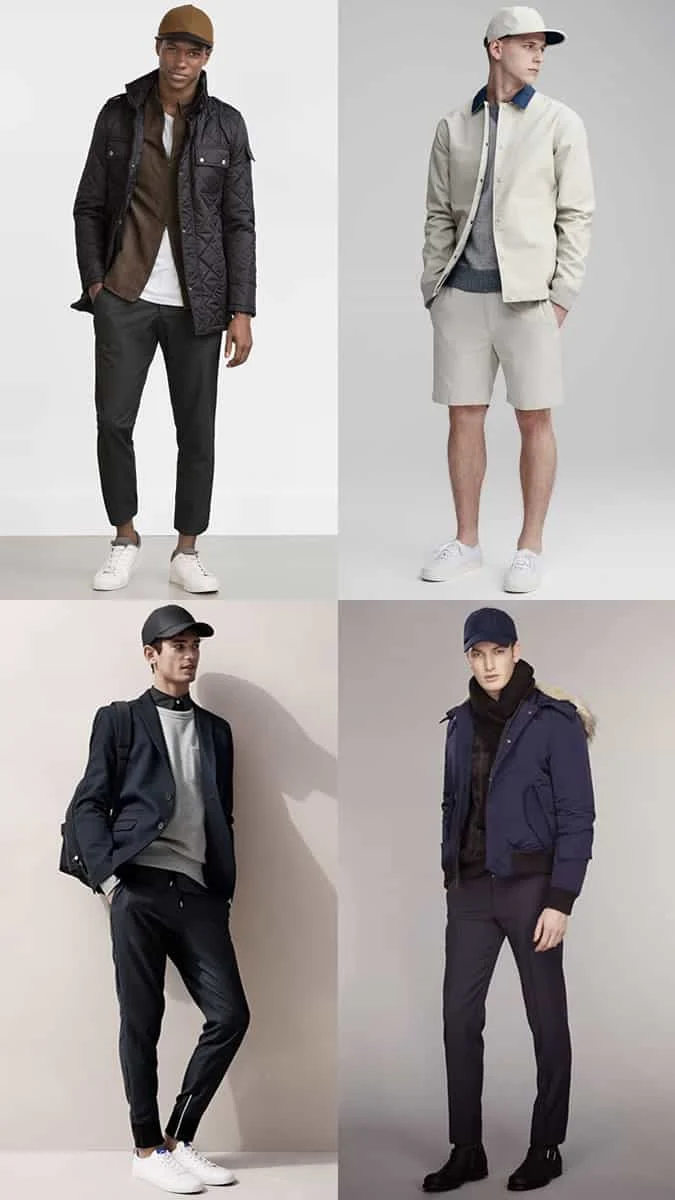
"The key to a baseball cap is keeping it clean and simple, with little to no branding and nothing too loud," explains Alexander McCalla, a stylist at Thread. According to style experts, neutral tones—such as navy, charcoal grey, classic black, and khaki—offer the highest versatility. These shades complement a wide range of complexions and integrate seamlessly into diverse outfits without demanding undue visual attention.

Material and architecture are equally critical. Standard cotton twill remains the industry benchmark, offering durability and breathability. Furthermore, consumers must evaluate how a cap’s physical dimensions correspond to their unique facial structure. While rigid, flat-peaked snapbacks popularized by brands like New Era suit certain skull shapes, curved brims and five-panel constructions generally provide a more forgiving fit for the average wearer.
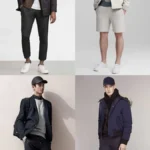
Stylists consistently categorize the baseball cap as an anchor of the casual wardrobe. For a timeless, relaxed aesthetic, experts recommend pairing a neutral cap with straight-leg denim, minimalist leather trainers, and a casual overshirt. For those willing to experiment with smart-casual aesthetics, pairing a minimalist cap with tailored chinos and an unbuttoned Oxford cotton shirt bridges the gap between athletic heritage and elevated everyday wear. Conversely, styling authorities advise against wearing full athletic uniforms or overly branded team merchandise outside of sporting venues to prevent looking like a stadium extra.
Curated Selection: Essential Baseball Caps for the Season

As manufacturers refine their approach to accessories, several standout silhouettes have emerged as top recommendations for consumers seeking quality construction, understated branding, and timeless design.
Carhartt WIP Backley Cap
Carhartt has long served as an authority on durable American workwear. Through its contemporary Work In Progress (WIP) diffusion line, the brand applies its heritage of rugged utility to accessories. The Backley Cap offers a structured, five-panel silhouette crafted from robust fabrics, making it an ideal choice for individuals seeking durability paired with a contemporary streetwear edge.

Ralph Lauren Polo Cotton Twill Baseball Cap
The Polo Ralph Lauren line has spent decades being reinterpreted by successive generations of streetwear enthusiasts. The brand’s signature cotton twill baseball cap exemplifies preppy refinement. Featuring subtle embroidered branding, it pairs effortlessly with wide-leg trousers, heavyweight cotton T-shirts, and crisp button-downs.
Stone Island Motif Baseball Cap

Stone Island has successfully shed its historical association with European football terrace culture, establishing itself as a premier technical luxury brand equally at home in Milan as it is in London. The brand’s baseball caps offer a subdued approach to luxury branding, utilizing advanced dying techniques and discreet compass motifs as a sophisticated alternative to high-vis outerwear.
New Era New York Yankees Baseball Cap
No discussion of headwear is complete without acknowledging the cultural footprint of the New Era New York Yankees cap. Worn by everyone from hip-hop royalty like Jay-Z to actors and public figures, the iconic interlocking NY logo remains the undisputed heavyweight of sports-derived fashion.

Nike Swoosh Baseball Cap
If New Era claims the crown for historical baseball heritage, Nike functions as the premier sportswear innovator for the modern era. The brand’s minimalist Swoosh caps, often constructed from moisture-wicking Dri-FIT materials, cater to consumers who prioritize clean lines, athletic functionality, and understated branding.
Stüssy Smooth Stock Strapback Cap

Rooted in the Californian surf culture of the 1980s, Stüssy helped lay the architectural groundwork for modern streetwear. The brand’s strapback caps channel a laid-back West Coast ethos, favored by contemporary style icons who favor relaxed silhouettes and effortless casual styling.
River Island Japanese Embroidered Cap
For consumers seeking high-impact design without significant financial investment, high-street mainstays continue to innovate. River Island offers accessible accessories featuring subtle Japanese-inspired embroidery, providing a neat finishing touch to urban streetwear ensembles without straining personal finances.

Katin Locals Hat
Operating as an authentic homage to Southern California surf heritage, Katin designs caps that reflect relaxed coastal aesthetics. Utilizing vintage-inspired washes and unstructured shapes, these hats capture a sun-bleached, effortless aesthetic tailored for warmer climates and casual weekend wear.
Norse Projects Twill Sports Cap

For those drawn to Scandinavian minimalism, Norse Projects delivers understated elegance. Based in Copenhagen, the brand pares down the loud declarations typical of traditional streetwear, offering clean, premium twill caps that require zero fanfare to make a subtle style statement.
Boss Cap with Embroidered Logo
Hugo Boss represents the pinnacle of German precision and clean tailoring. The brand’s range of basic twill caps demonstrates that simplicity is an asset rather than a drawback. Featuring subtle tonal embroidery, these caps offer an exceptionally versatile option for minimalists and professionals looking to complete a streamlined weekend wardrobe.

Market Implications and Industry Outlook
The enduring demand for premium baseball caps highlights a broader shift in consumer behavior toward low-investment, high-impact accessories. In an economic climate where full wardrobe overhauls are increasingly rare, consumers frequently utilize accessories like caps to refresh existing outfits with minimal financial outlay.
Furthermore, the collaboration between heritage athletic brands, workwear institutions, and luxury fashion houses indicates that the boundaries between high fashion and functional sportswear will continue to blur. As designers refine traditional silhouettes with higher-grade fabrics and restrained branding, the baseball cap has firmly secured its status not merely as a temporary trend, but as a permanent pillar of modern menswear architecture.