







The landscape of American fashion has been shaken by the abrupt departure of Steven Kolb, the long-standing chief executive of the Council of Fashion Designers of America (CFDA). His resignation comes in the wake of a highly publicized confrontation on September 13, 2026, during a runway show for the H&M-owned brand COS at New York Fashion Week. Video footage circulating across social media platforms captured Kolb physically restraining two protesters who had managed to infiltrate the catwalk, a move that sparked immediate internal review and public debate regarding the boundaries of event security and executive conduct.
The Chronology of the Incident
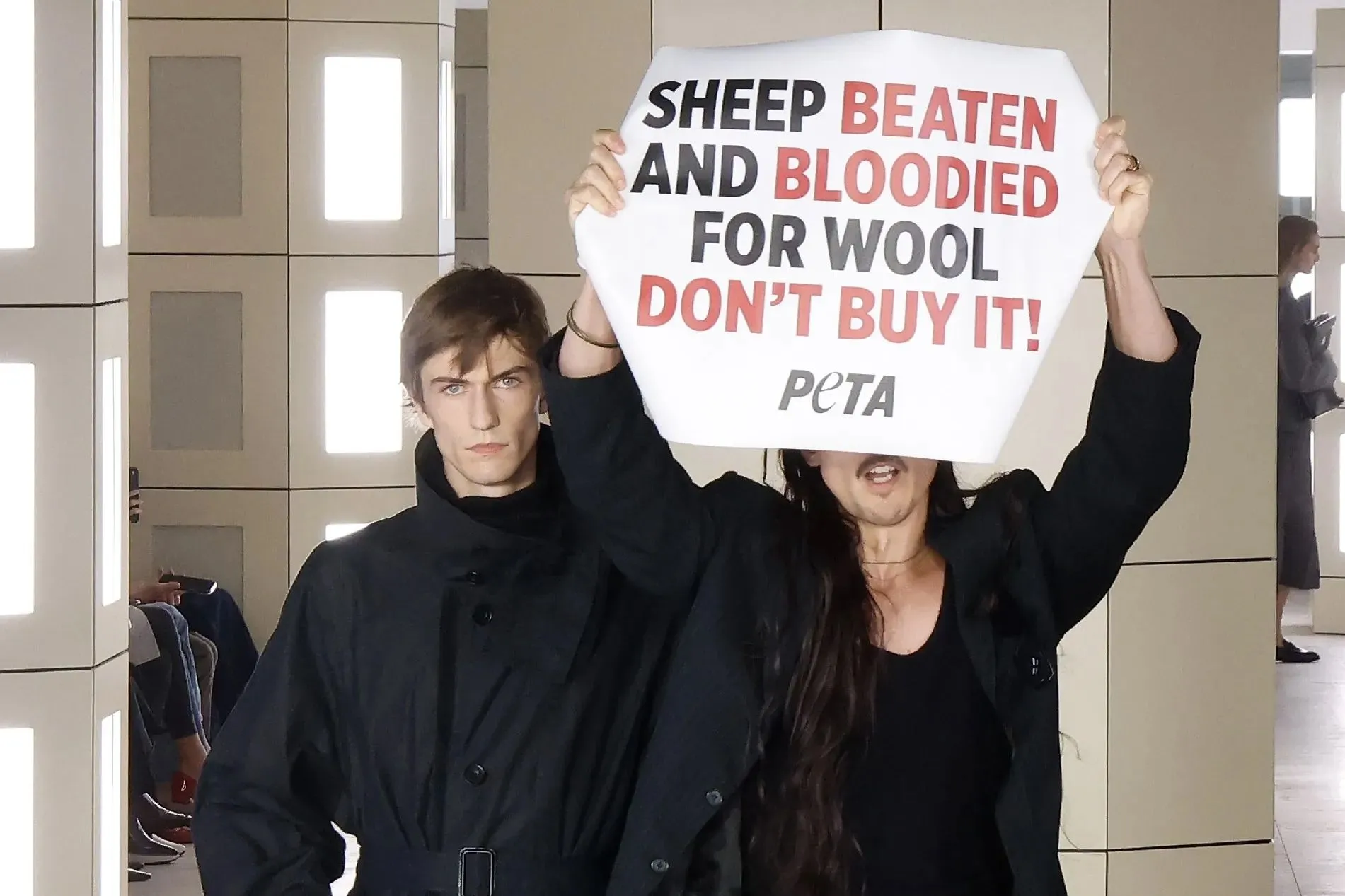
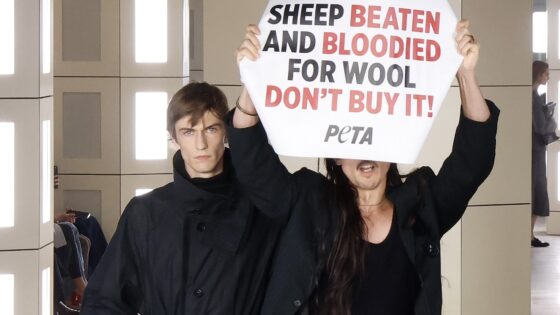
The events unfolded on the evening of September 13 at 161 Water Street in Manhattan. As models showcased the latest collection from COS, the presentation was interrupted by activists affiliated with People for the Ethical Treatment of Animals (PETA). The protesters, who were reportedly demonstrating against the brand’s continued use of wool, breached the perimeter of the runway, disrupting the flow of the high-profile event.
In the ensuing chaos, Steven Kolb—who has served as the face of the CFDA for over two decades—was filmed intervening. Rather than relying on professional security personnel, Kolb physically engaged with the protesters, an act that was captured by onlookers and subsequently scrutinized by both industry insiders and the general public.
By the following day, September 14, the CFDA board of directors took immediate action, announcing that Kolb had been placed on administrative leave. This move was characterized as a precautionary measure, allowing the board to conduct a thorough investigation into the circumstances of the altercation and whether his actions violated the organization’s code of conduct.
The uncertainty regarding his future concluded on Saturday, September 19, when the CFDA issued a formal statement on Instagram confirming that Kolb had chosen to step down from his position permanently. This brought an end to a tenure that had spanned 15 years as CEO and more than 20 years within the organization.
A Legacy of Leadership at the CFDA
To understand the weight of this departure, one must consider Kolb’s extensive history with the council. Joining the CFDA in the early 2000s, Kolb became a pivotal figure in modernizing the organization. Under his leadership, the CFDA transitioned from a trade association into a global powerhouse, overseeing the development of the American fashion calendar, the administration of prestigious awards, and the creation of various philanthropic initiatives.
Throughout his tenure, Kolb played a critical role in navigating the industry through significant shifts, including the rise of digital marketing, the challenges posed by the COVID-19 pandemic, and the increasing pressure for brands to adopt sustainable business models. His influence extended to the nurturing of emerging talent through the CFDA/Vogue Fashion Fund and the expansion of the CFDA’s advocacy efforts in Washington, D.C., where he lobbied for intellectual property protections for designers.
The Growing Friction Between Activism and Fashion
The incident at the COS show is not an isolated event but rather part of a broader trend of heightened activism targeting the global fashion industry. PETA and other animal rights organizations have increasingly utilized "direct action" tactics to draw attention to the environmental and ethical impacts of textile production.
The demand for transparency in supply chains has become a central pillar of modern fashion discourse. According to recent data from the Global Fashion Agenda, consumer interest in ethical sourcing has surged by 40% over the last five years, forcing luxury and mass-market brands alike to defend their procurement strategies. While the use of wool is a long-standing industry standard, animal rights groups argue that alternative, plant-based, and synthetic materials provide a more humane pathway for the future of the industry.
The collision at the COS show represents a breaking point where the industry’s desire for controlled, polished presentation met the volatile reality of modern protest. For the CFDA, an organization that prides itself on fostering creativity and professional discourse, the spectacle of a CEO in a physical struggle served as a significant reputational concern, likely accelerating the decision for his departure.
Official Responses and Organizational Stability
The CFDA’s statement regarding Kolb’s departure was measured and focused on professional transition. The board noted, "Steven Kolb has been a dedicated leader and tireless champion of American fashion throughout his more than two decades at the CFDA." By expressing respect for his decision to resign, the board sought to provide a dignified conclusion to a long tenure, despite the controversial nature of the exit.
Crucially, the board emphasized that the organization remains "well-positioned" for the future. The CFDA is currently in a state of transition, and the absence of an announced successor has sparked speculation within the industry. Analysts suggest that the board will likely prioritize a candidate who can balance the traditional requirements of the CFDA—advocacy, education, and event management—with the modern demands of corporate social responsibility and crisis communication.
The lack of a designated interim CEO suggests that the organization is taking a deliberate approach to its leadership search. With the next major fashion cycle approaching, the board faces the immediate challenge of maintaining stability while the organization grapples with the loss of a leader who was synonymous with its brand identity.
Implications for the Fashion Industry
The fallout from this incident has prompted a broader conversation regarding security and protest management at fashion events. Security professionals who specialize in live events have noted that the "catwalk" is a uniquely vulnerable space. The proximity of high-profile guests to the runway creates a high-stakes environment where any breach can lead to unpredictable outcomes.
Furthermore, the incident raises questions about the responsibility of industry executives during public disruptions. When does an executive’s duty to protect an event cross the line into personal liability? The legal and ethical ramifications of Kolb’s actions are likely to be discussed in boardrooms across the city, as organizations refine their policies on how to respond to activists without compromising safety or professional image.
For the CFDA, the path forward involves reconciling its traditional role as a guardian of American style with the demands of a public that is increasingly sensitive to the ethical practices of the industry. The council must now find a way to navigate the polarization between established fashion houses and the activists who challenge their practices.
As the industry looks ahead, the resignation of Steven Kolb serves as a stark reminder that the world of fashion is no longer insulated from the social and political movements of the day. Whether this departure will lead to a change in how the CFDA engages with dissenters remains to be seen. However, it is clear that the organization is entering a new chapter, one that will require a delicate balance of leadership, diplomacy, and an acute awareness of the changing social climate in which it operates.
In the coming weeks, the fashion world will turn its attention to the appointment of a new CEO. The selection process will be heavily watched, as it will signal the CFDA’s long-term strategy for addressing the complex intersection of art, commerce, and ethics in an increasingly volatile global landscape. For now, the legacy of Steven Kolb remains a defining, if ultimately complicated, chapter in the history of the Council of Fashion Designers of America.