










The return of contemporary womenswear label KNWLS to London Fashion Week for its Spring/Summer 2027 collection marked a significant homecoming for designers Charlotte Knowles and Alexandre Arsenault. Following a strategic detour to Milan Fashion Week the previous September—where the brand unveiled its highly publicized collaborative collection with athletic giant Nike—Knox and Arsenault brought their distinct aesthetic back to British soil. Staged in a sprawling venue in southeast London, the SS27 presentation served as a definitive affirmation of the label’s decade-long influence on London’s vanguard fashion scene, drawing a packed front row of industry tastemakers, musicians, and cultural figures.
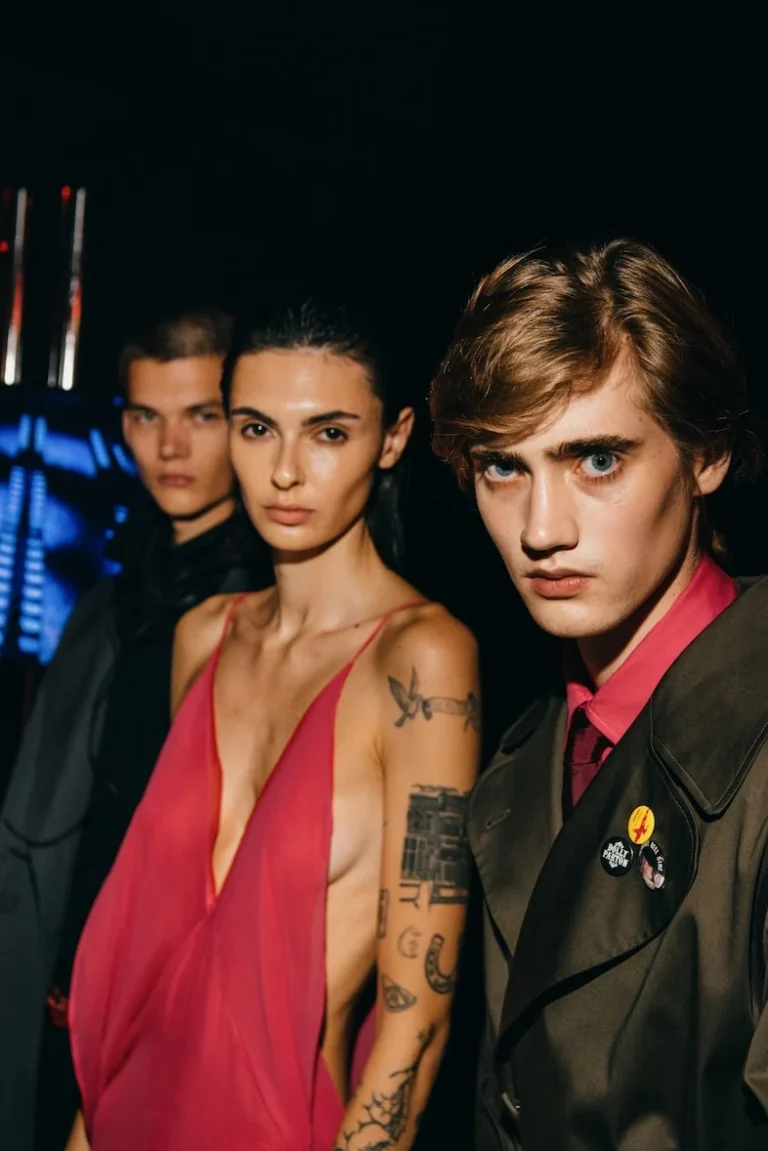
Among the notable attendees populating the front row were prominent models and creatives, including Alva Claire, rapper Deto Black, singer Crystal Murray, athlete Amy Hunt, and the creative power couple Lava La Rue and Rhian Teasdale. Enhancing the sensory landscape of the venue, cult independent fragrance brand Escentric Molecules infused the space with its signature Escentric 01 scent. The molecular fragrance, renowned for its ability to adapt uniquely to the skin chemistry of each individual wearer, provided an appropriate olfactory backdrop for a collection centered on the nuances of personal exposure and identity.
Aesthetic Inspiration and the Deconstruction of Form
The conceptual foundation of the Spring/Summer 2027 collection drew deeply from French photographer Bettina Rheims’s influential 1989 photographic monograph, Chambre Close. Known for capturing women in intimate, vulnerable, and unposed states of undress behind closed doors, Rheims’s work provided a visual lexicon for Knowles and Arsenault to explore themes of interiority, physical exposure, and modern femininity.
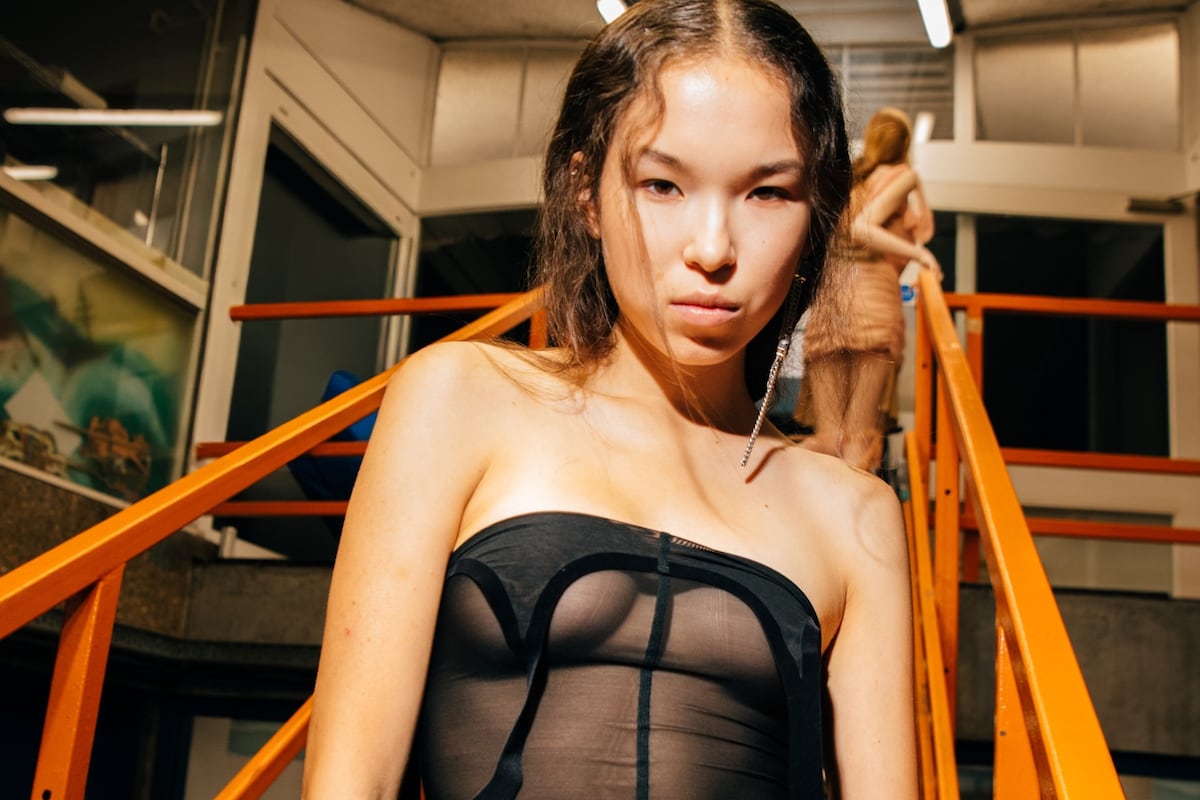
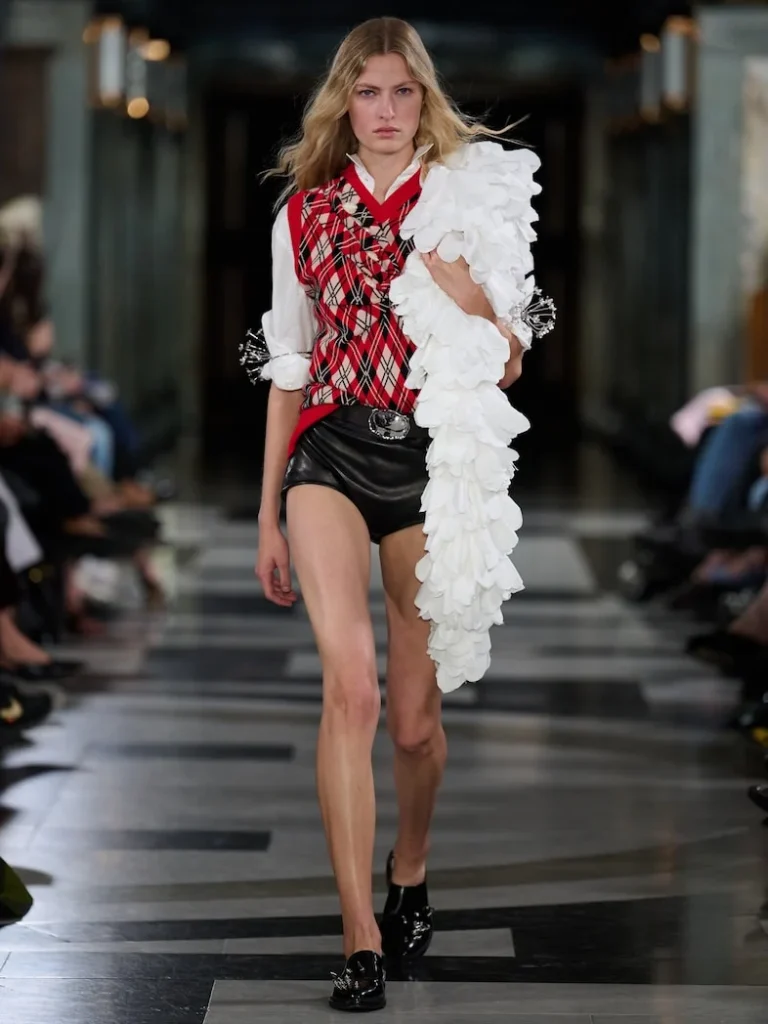
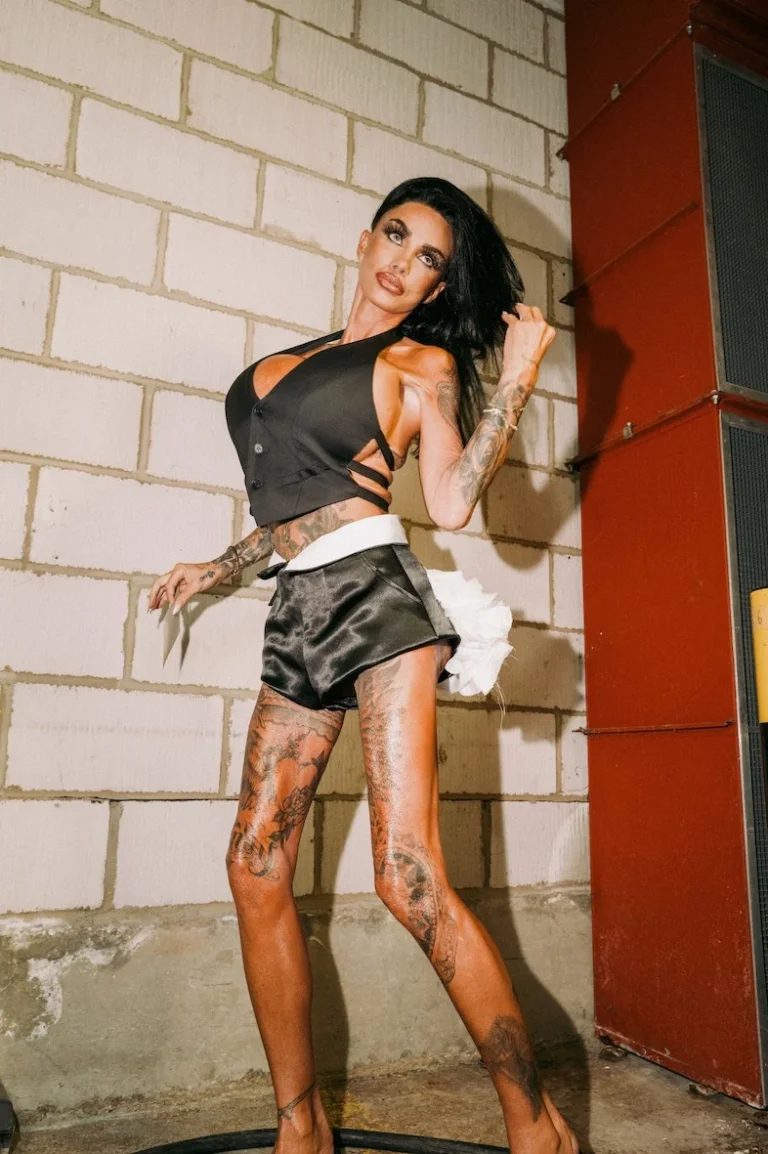
The runway narrative opened with a striking look: a model styled in a structured cream girdle paired with a white skirt held together by visible garter clips. Unhitched deliberately on one side, the skirt revealed matching white briefs underneath. Throughout the subsequent presentations, garments played heavily with the iconography of dishabille. Vest straps slipped suggestively off shoulders, camisoles and cotton T-shirts featured aggressive yet calculated slash openings, and exposed bralettes anchored beneath layered cardigans established a recurrent visual motif.
According to the official design notes distributed to attendees, the deliberate revelation of undergarments and structural underpinnings was framed not as accidental vulnerability, but as a calculated mechanism of modern empowerment. "Exposure becomes an essential feature of KNWLS’s language of empowerment," the designers noted, positioning the initial visual impression as an exploration of raw, unmediated selfhood.
The Illusion of Undoneness: Silent Architectures
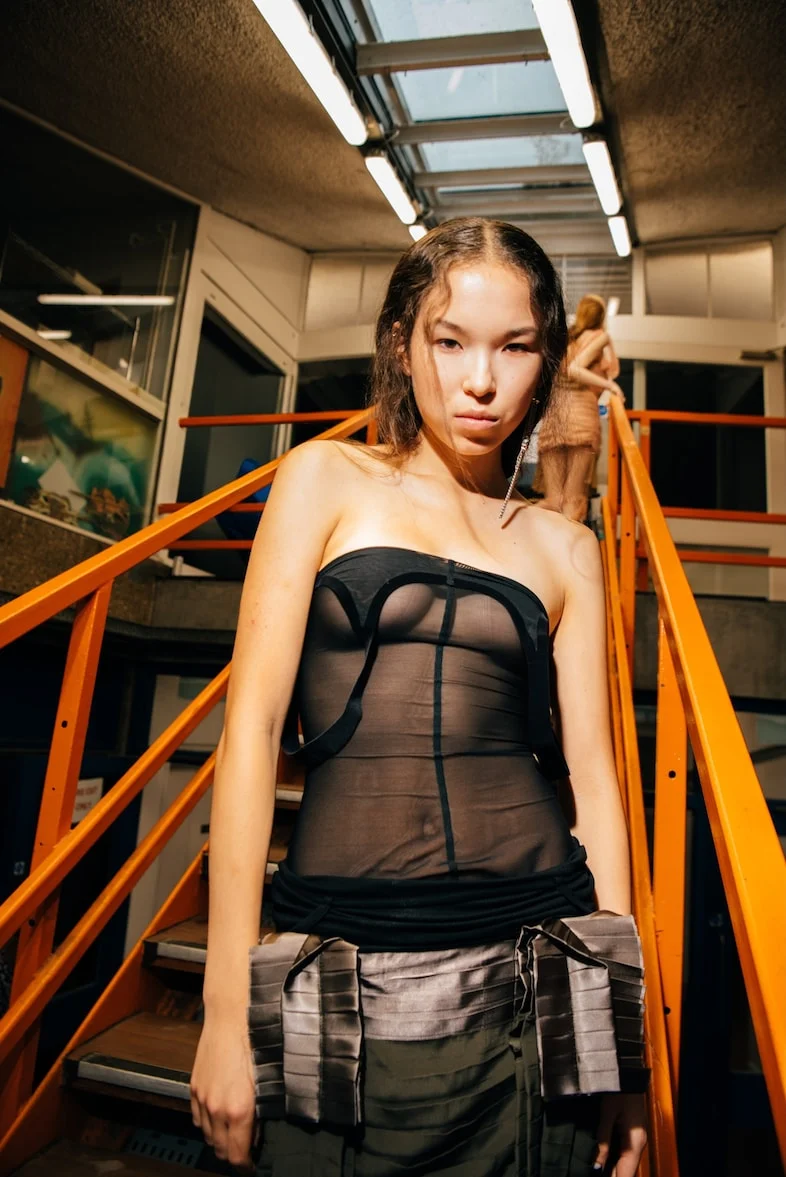
Despite the initial impression of dishevelment, closer inspection of the garments revealed a complex technical mastery operating beneath the surface. What appeared to be accidental tears or careless slips were, in fact, meticulously engineered trompe l’oeil effects. Panels of sheer, flesh-toned fabric were seamlessly integrated into slashes in tops and camisoles, creating the visual illusion of ripped textiles while maintaining the garment’s structural integrity.
Similarly, skirts that gave the impression of sliding dangerously low toward the ankles were securely anchored by concealed sheer panels. Hemlines that appeared to defy gravity by floating upward were stabilized using internal boned structures, while fallen shoulder straps were held firmly in place just below the clavicles by rigid, invisible metal wiring.
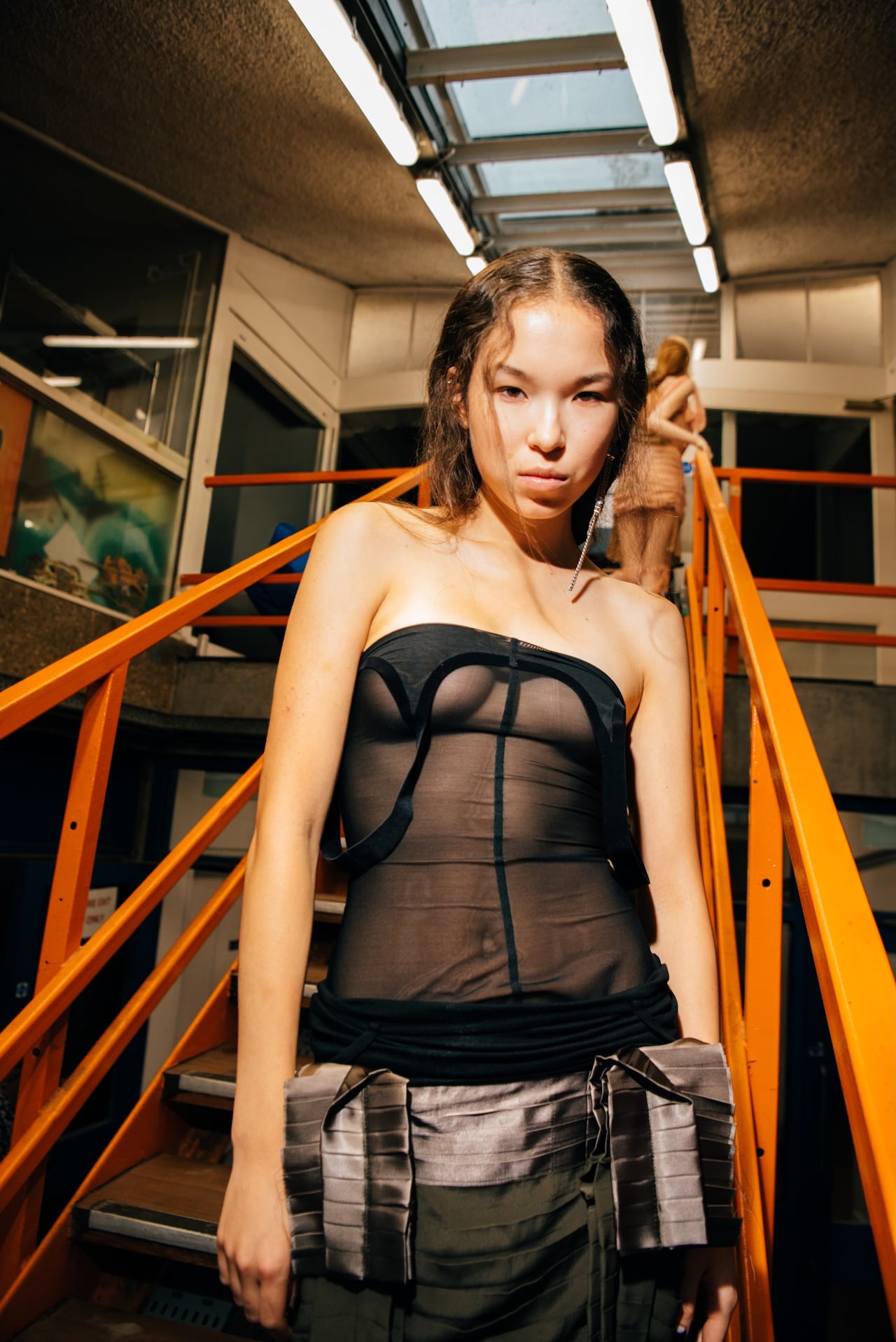
"Held together by silent architectures of phantom tulle and invisible wire, undoneness is an illusion," the show notes explained. Through this technical sleight of hand, Knowles and Arsenault subverted traditional tropes of the "undone" woman. Rather than signifying vulnerability or a lack of control, the collection reframed disarray as an aesthetic choice entirely managed and dictated by the wearer.
Industry Implications and Brand Positioning
The strategic return to London Fashion Week and the execution of the SS27 collection underscore the commercial and critical maturation of the KNWLS brand. Over the past decade, Knowles and Arsenault have steadily built a cult following by merging hyper-feminine corsetry, Y2K-inflected tailoring, and aggressive tailoring techniques. The successful execution of their Milan collaboration with Nike demonstrated the brand’s scalability, while the SS27 homecoming reinforced its core positioning within high-end, independent British fashion.
Industry analysts evaluating the presentation noted that the collection successfully bridges the gap between avant-garde conceptualism and wearable luxury. By transforming historical photographic references into modern technical garments, KNWLS continues to dictate contemporary conversations around bodily autonomy in fashion. The interplay between visible exposure and invisible structural support serves as a metaphor for modern womanhood—balancing the appearance of effortless vulnerability with rigorous internal control.
Ultimately, the Spring/Summer 2027 showcase established that KNWLS’s exploration of "undoneness" is far from a sign of decline. Instead, as the designers concluded, it stands as "a reflection of an exacting self-possession and control, of a cunning knack for twisting and perverting expected presentations of empowered femininity… of the power to be found in moments of slippage, unravelling and reconstruction." As the brand concludes its celebratory return to London, its trajectory points toward an increasingly influential role in shaping the global luxury womenswear market.