





British shirtwear specialist TM Lewin has officially unveiled its autumn/winter 2026 collection, a strategic move that coincides with the introduction of a new "investment pieces" category designed to cater to a shifting professional demographic. The launch, announced by the retailer on 18 September 2026, signals a pivot toward high-durability, premium-tier wardrobe staples in an era where consumers are increasingly prioritizing long-term value over fast-fashion cycles.
The release of the AW26 line serves as a cornerstone of the brand’s ongoing recovery and modernization strategy, following a turbulent period in the early 2020s that saw the retailer transition to a digital-first business model. By emphasizing "investment pieces," TM Lewin is attempting to solidify its position as a heritage-focused, reliable clothier capable of weathering the volatility of the global apparel market.
A Strategic Evolution: The Shift to Investment Pieces
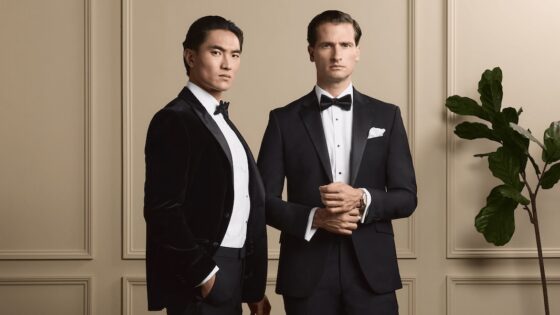
The core of the AW26 collection is defined by the introduction of the investment category. Industry analysts suggest that this shift is a direct response to the "cost-per-wear" philosophy currently dominating luxury and mid-market menswear. Unlike seasonal trends that rely on fleeting aesthetics, the investment line focuses on fabric longevity, superior tailoring, and classic silhouettes that maintain relevance across multiple years.
Key items in the collection include reinforced Egyptian cotton shirts, heavy-weight wool blazers, and structured outerwear designed for the unpredictable British winter. The decision to brand these items as "investment pieces" is calculated to differentiate TM Lewin from mass-market competitors, appealing to professionals who are seeking to optimize their wardrobe expenditures amidst persistent inflation and rising costs of raw materials.
Historical Context: From High Street Mainstay to Digital Pioneer
To understand the significance of the AW26 launch, one must examine the trajectory of TM Lewin over the past decade. Founded in 1898 on Jermyn Street, the brand spent over a century as a pillar of traditional British tailoring. However, the retail landscape shifted dramatically during the COVID-19 pandemic. In 2020, the company entered a period of administration, resulting in the closure of its entire physical store footprint as it pivoted to a purely online operational model.
The current AW26 collection is the result of years of restructuring under new management, which sought to strip away the overhead costs of physical retail while retaining the brand’s legacy of craftsmanship. The digital-only model has allowed the company to allocate a larger portion of its budget toward material sourcing and digital customer experience, which are now the primary drivers of its growth.
Industry Data and Market Performance
The menswear sector has faced significant headwinds in recent years, with a general decline in formal office attire. However, data from the UK Office for National Statistics (ONS) and independent retail trackers indicates a steady resurgence in demand for "smart-casual" and "elevated formal" wear. TM Lewin’s timing with the AW26 collection aligns with this trend, as the modern worker increasingly seeks clothing that transitions seamlessly from office environments to social settings.
Market research from 2025 indicated that 62% of male consumers in the 25–45 age bracket were willing to pay a premium for apparel that promised longevity and sustainability. By leaning into this sentiment, TM Lewin is positioning itself to capture a demographic that values substance over style. The company’s focus on high-grade textiles—specifically non-iron, high-thread-count fabrics—continues to be a primary differentiator in the competitive shirtwear market.
Chronology of the AW26 Rollout
- January 2026: Initial design concepts for the AW26 collection are finalized, with a focus on "slow fashion" principles.
- May 2026: Procurement of high-quality wool and cotton supplies is completed, despite ongoing supply chain pressures in the textile sector.
- August 2026: Digital marketing campaigns are teased across social media platforms, emphasizing the "investment" branding.
- 18 September 2026: Official launch of the digital storefront, featuring the complete AW26 catalogue and the inaugural investment category.
- October 2026: Expected start of customer feedback cycles, which will inform the replenishment of stock for the spring/summer 2027 season.
Official Stance and Brand Strategy
While official press releases from the company remain concise, industry observers note that the leadership at TM Lewin has consistently emphasized "functional luxury." In a statement regarding the brand’s long-term vision, representatives have previously highlighted that the digital transformation was not merely a cost-saving measure, but an opportunity to build a more direct and data-driven relationship with the consumer.
By analyzing purchase data from the past 24 months, the design team at TM Lewin identified a clear preference for classic color palettes—deep navies, charcoal grays, and muted earth tones—which dominate the AW26 collection. This data-backed approach reduces the risks associated with trend-chasing, ensuring that the inventory produced aligns closely with actual consumer intent.
Broader Implications for the Retail Sector
The move by TM Lewin reflects a broader trend among heritage brands attempting to navigate a post-storefront reality. The "investment piece" strategy is being mirrored by several other mid-market retailers attempting to move away from the discount-heavy cycles that characterized the retail environment in the early 2020s.
If successful, this strategy could provide a blueprint for other traditional brands that were forced to abandon physical retail. By focusing on the quality of the product and the longevity of the garment, TM Lewin is attempting to rebuild brand equity that was once tied to physical stores and transfer it entirely to the quality of the product itself.
However, challenges remain. The apparel market is increasingly crowded, with direct-to-consumer (DTC) brands constantly entering the space. TM Lewin’s success in the coming months will depend on whether its digital-only platform can maintain the same level of customer loyalty that it once cultivated through face-to-face service on Jermyn Street.
Analyzing the "Investment" Branding
The term "investment piece" is not merely a marketing buzzword; it carries implications for supply chain management and product development. For a shirt to be considered an investment piece, it must withstand repeated laundering, maintain its shape, and resist fabric degradation. This necessitates tighter quality control in the manufacturing process and potentially higher costs for the consumer.
From an economic perspective, this is a gamble on the consumer’s willingness to spend more upfront to save money in the long run. If the AW26 collection proves that the brand can deliver on these promises, TM Lewin will likely see an increase in its Customer Lifetime Value (CLV), a critical metric for any e-commerce business.
Future Outlook and Conclusion
As the autumn season progresses, the performance of the AW26 collection will serve as a bellwether for the brand’s health. The move toward higher-quality, durable garments suggests that the company is confident in its current digital infrastructure and its ability to communicate the value of its products without the benefit of physical touch-and-feel experiences.
The integration of the investment category signifies a maturation of TM Lewin’s digital business model. By focusing on the intersection of heritage, durability, and modern consumer needs, the brand is carving out a niche that is resilient to the whims of fast-paced fashion trends. As the company looks toward 2027, the success of this collection will likely determine the scale of future investments in technology, sustainable sourcing, and expanded product lines.
For the modern professional, the AW26 collection represents a return to fundamentals. In a world defined by constant change and digital noise, the appeal of a well-made, long-lasting shirt remains a powerful draw—a fact that TM Lewin is betting its future on. With the launch now complete, the brand enters a critical phase of consumer adoption, where the quality of the product will ultimately be the final arbiter of its success.