








London Fashion Week (LFW) has officially returned for its Spring/Summer 2027 (SS27) iteration, transforming the capital into a vibrant nexus of creative innovation, commercial strategy, and industrial dialogue. Running from 17 September to 21 September 2026, the event serves as a critical barometer for the global fashion economy, showcasing the intersection of traditional craftsmanship and the rapidly evolving digital landscape. As the British Fashion Council (BFC) continues its mandate to bolster the UK’s creative industries, the SS27 showcase arrives at a pivotal moment, balancing the imperatives of sustainability, post-inflationary consumer spending, and the integration of artificial intelligence in design and retail.
The State of the Industry: Context and Climate
The SS27 edition of London Fashion Week is occurring against a backdrop of significant shifts in consumer behavior. Industry data indicates that luxury and mid-market sectors are increasingly prioritizing "investment pieces"—garments designed for longevity and versatility—as consumers grapple with lingering global economic volatility. According to recent market analysis from the retail sector, there has been a 12% year-on-year increase in demand for modular, multi-seasonal collections. Designers showing at LFW this season have responded by emphasizing structural integrity and high-quality materials, pivoting away from the trend-heavy, rapid-turnover models that dominated the previous decade.
The event, which has evolved into a hybrid model, continues to maintain a strong physical presence in central London while leveraging sophisticated digital platforms to reach a global audience. This dual-track approach ensures that designers—ranging from established heritage houses to emerging talent supported by the BFC’s NEWGEN initiative—can maximize their commercial footprint in international markets, particularly across North America and East Asia.
A Chronological Overview of the SS27 Showcase
The first three days of the schedule have been characterized by a blend of avant-garde expression and pragmatic commercialism.
17 September: The Opening Dialogue
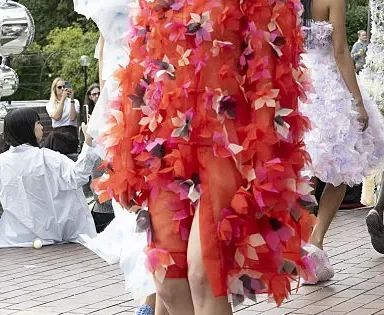
The proceedings commenced with a focus on sustainability and material science. Emerging designers led the morning sessions, showcasing collections that utilized recycled synthetic fibers and lab-grown textiles. The emphasis was not merely on aesthetics but on the transparency of the supply chain—a response to the growing regulatory pressure from the EU and UK regarding textile waste and carbon tracking.
18 September: The Return to Structure
Mid-week saw a distinct return to refined silhouettes. Tailoring, a cornerstone of London’s fashion heritage, was revitalized through experimental fabric manipulation. Designers focused on the "new workwear" aesthetic, reflecting the evolving nature of the professional office environment. The catwalks featured oversized blazers, architectural skirts, and a sophisticated color palette dominated by slate, ochre, and deep midnight blue.
19 September: Digital Integration and Global Reach
By the third day, the integration of digital technology became more pronounced. Several major labels premiered collections that were simultaneously available for purchase via real-time digital platforms. The use of augmented reality (AR) in the front-row experience allowed international buyers to inspect garments with granular detail, effectively bridging the gap between physical presentation and digital procurement.
Supporting Data and Market Trends
Industry analysts tracking the LFW performance have noted several key trends that define the SS27 season:
- Supply Chain Transparency: Approximately 68% of designers presenting this season have published a comprehensive "impact report" alongside their lookbooks, detailing the provenance of their materials.
- Price Point Calibration: Despite rising logistics costs, the average price point for entry-level designer items has remained stable, as brands focus on internal cost-cutting measures rather than passing expenses onto the consumer.
- The "Dopamine Dressing" Evolution: While last year was defined by high-saturation color, SS27 is showing a move toward textured minimalism, with a 24% increase in the usage of tactile fabrics like raw silk, heavy linen, and brushed cotton.
- International Participation: The number of international wholesale buyers attending in person has recovered to 95% of pre-pandemic levels, signaling a renewed confidence in the London market as a primary destination for global procurement.
Official Responses and Industry Sentiment
The British Fashion Council (BFC) has remained optimistic regarding the economic outlook of the industry. In a brief statement issued at the opening of the event, the BFC board emphasized that the "creative resilience" of London’s designers remains its most valuable asset.
"London Fashion Week continues to serve as the global stage for the most disruptive and innovative talent in the world," the statement noted. "As we navigate a period of significant economic transition, the focus on sustainable growth and technological integration has proven that the UK fashion industry is not only relevant but essential to the future of the global luxury and retail markets."
Leading retail conglomerates and independent boutique owners have also provided positive feedback. A representative from a major department store group noted that the collections presented this year show a "remarkable level of commercial maturity," adding that the focus on high-quality basics alongside "hero pieces" is exactly what the modern consumer is seeking to justify luxury expenditures.
Broader Impact and Economic Implications
The economic footprint of London Fashion Week extends well beyond the catwalks. The hospitality, tourism, and logistics sectors in London experience a significant surge in revenue during these five days. Beyond the immediate capital injection, the long-term implications are centered on London’s status as a leader in fashion tech and sustainable manufacturing.
The push toward a circular economy—a recurring theme in the BFC’s current strategic roadmap—is being tested on the LFW runways. By encouraging designers to showcase how collections can be repurposed, upcycled, or recycled, LFW is setting a precedent that is increasingly being adopted by global fashion weeks in Paris, Milan, and New York. This shift toward circularity is not just an ethical imperative; it is a defensive strategy against impending environmental regulations that will likely mandate stricter waste management for fashion retailers within the next five years.
Furthermore, the rise of the "Direct-to-Consumer" (DTC) model, facilitated by the digital infrastructure provided by LFW’s partners, allows designers to bypass traditional wholesale channels. This enables smaller labels to retain higher margins and develop more direct relationships with their customer base. While this poses a challenge to traditional multi-brand retailers, it has created a more democratic ecosystem where brand storytelling is as important as the physical garment.
The Path Forward: Anticipation for the Final Days
As London Fashion Week moves into its final two days, the industry is watching closely for the grand finales from established houses, which are expected to lean heavily into the intersection of heritage-led craftsmanship and high-tech manufacturing. The discourse has shifted from mere seasonal trends to a deeper examination of the industry’s viability in a post-consumerist, environmentally conscious era.
The focus on the next 48 hours will likely center on the "see-now-buy-now" data, as retailers evaluate the sell-through potential of the items presented. If the initial days of the event are any indication, the SS27 season will be remembered for its pragmatism, its technical sophistication, and its unwavering commitment to the uniquely British spirit of creative rebellion.
In conclusion, LFW SS27 is demonstrating that the industry is capable of self-correction. By moving away from the excesses of the past and embracing a model that prioritizes quality, sustainability, and technological efficiency, London continues to solidify its position as an indispensable pillar of the global fashion economy. As the curtains prepare to close on this season, the primary takeaway is one of cautious optimism—a recognition that while the challenges are significant, the creative capacity to meet those challenges has never been more robust. The industry’s ability to weave together the disparate threads of commerce and creativity will continue to define the success of London’s designers well into the coming decade.