


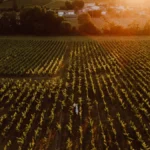






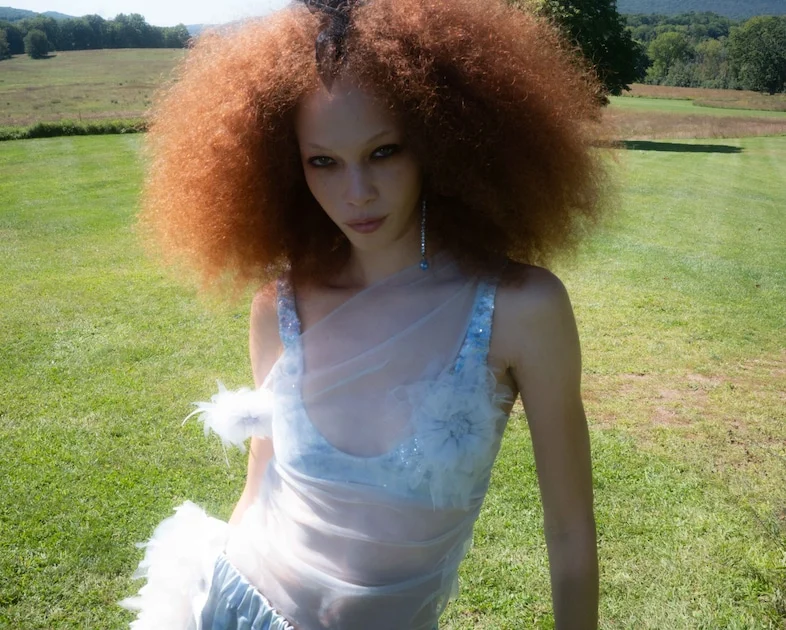
New York City’s fashion calendar has long been defined by the concrete canyons of Manhattan and the post-industrial warehouses of Brooklyn, but for its Spring-Summer 2027 presentation, the sustainable contemporary label Collina Strada opted for a dramatic shift in geography. Titled Detour, the brand’s latest showcase unfolded fifty-eight miles north of the city at the Storm King Art Center in Upstate New York. By transplanting an elite fashion audience from traditional indoor venues to a sprawling 500-acre open-air museum, creative director Hillary Taymour executed a conceptual departure that underscored the brand’s long-standing commitment to environmental consciousness. The event drew hundreds of editors, buyers, and industry figures to the Hudson Valley, challenging conventional notions of how runway collections are experienced and consumed within the global fashion ecosystem.
The Chronology of a Countryside Migration
Planning for an off-site activation of this magnitude required months of logistical coordination between the Collina Strada production team and the administration of the Storm King Art Center. Traditionally celebrated for housing one of the largest collections of contemporary outdoor sculptures in the United States, the institution rarely serves as a backdrop for commercial fashion presentations.
In the weeks leading up to the event, invitations dispatched to media and buyers hinted at a disruption of standard New York Fashion Week routines, instructing guests to secure transportation for a morning departure northbound. Upon arrival, attendees were greeted by an expansive landscape of rolling hills, monumental steel structures, and open skies that immediately contrasted with the enclosed, air-conditioned environments typically associated with seasonal runway shows.
The presentation commenced under direct afternoon sunlight, utilizing the natural topography of the grounds as the primary runway infrastructure. Models navigated unpaved walking paths and open fields rather than raised wooden or concrete stages. The sequence of the presentation was carefully timed to align with the natural lighting of the Hudson Valley, culminating in an unannounced live musical performance by pop artist Carly Rae Jepsen and a dynamic, unchoreographed sprint across the grass during the finale.
Design Philosophy and Materiality
The collection itself reflected the aesthetic tensions between structured human artifice and untamed natural environments. Taymour utilized exaggerated silhouettes, voluminous ruffles, and an extensive palette of soft pastels to create visual contrast against the muted greens and metallic sculptures of the Storm King landscape.
Textile choices emphasized both decorative impact and sustainable sourcing, a dual priority that has defined Collina Strada since its inception. Sequins and reflective materials caught the harsh Upstate sun, creating dynamic visual refractions as models moved through the terrain. According to official show documentation distributed by the brand, the garments were engineered to interact fluidly with natural elements such as wind, grass, and shifting daylight.
"We wanted to make a show that wasn’t just hosted by a museum, but inspired by the way you experience one," Taymour noted in the official press materials. "Detour is about immersing the clothes into the landscape. Bodies move through grass, steel, sky, sculpture, and each other. It’s about the paths we take, the paths we’re told to take, and what happens when you decide to go somewhere else."
Contextualizing Sustainable Fashion Events
The decision to stage Detour outside the traditional urban centers of New York reflects a broader, industry-wide reevaluation of the carbon footprint associated with seasonal fashion weeks. Historically, international fashion weeks have generated substantial environmental impacts through continuous international travel, single-use venue construction, and energy-intensive indoor climate control.
By partnering with an open-air cultural institution dedicated to land conservation and environmental stewardship, Collina Strada aligned its presentation methodology with its core product philosophy. Storm King Art Center, established in 1960, provides a unique intersection of art and ecology, making it an apt venue for a brand that frequently critiques industrial agriculture and environmental degradation through its playful yet pointed designs.
While transporting a large contingent of fashion industry personnel fifty-eight miles north carries its own transportation emissions, the use of a pre-existing outdoor landscape eliminated the need for the construction of temporary, single-use architectural set designs—a standard practice that routinely generates tons of waste during standard fashion weeks.
Industry Reactions and Stakeholder Perspectives
Initial reactions from critics, buyers, and attendees suggested widespread approval of the geographic shift. The logistical undertaking of organizing fleet transportation out of Manhattan was largely overshadowed by the novelty and sensory relief of experiencing a collection in an open-air environment.
Fashion critics noted that the natural setting forced a reassessment of the garments’ functional properties, allowing viewers to observe how sustainable fabrics behave under genuine atmospheric conditions rather than controlled indoor studio lighting. Retail buyers observed that the presentation successfully reinforced the brand’s narrative identity, potentially strengthening consumer loyalty among demographics that prioritize environmental ethics alongside aesthetic innovation.
Representatives from the Storm King Art Center similarly viewed the collaboration as an innovative means of engaging new audiences with contemporary land art and sculpture through the lens of modern design and performance art.
Broader Implications for New York Fashion Week
The success of Collina Strada’s Detour raises pertinent questions regarding the future configuration of regional fashion weeks. As urban real estate costs rise and sustainability mandates become more stringent across global markets, independent designers are increasingly compelled to find cost-effective and conceptually resonant alternatives to traditional runway spaces.
Moving presentations beyond traditional city limits offers emerging and mid-sized labels several distinct advantages:
- Reduced Set Costs: Utilizing natural landscapes diminishes the financial and material burden of building bespoke indoor sets.
- Enhanced Brand Narrative: Off-site locations allow designers to physically manifest the thematic inspirations of their collections, creating more memorable impressions for media and buyers.
- Differentiation: In a crowded digital media landscape, distinct visual backdrops help brands capture audience attention more effectively than standard indoor venues.
However, scaling such presentations to accommodate larger audiences remains a significant logistical hurdle. Transportation logistics, weather contingencies, and accessibility requirements present challenges that may deter larger luxury houses from abandoning traditional urban venues entirely.
Conclusion and Future Outlook
Collina Strada’s Spring-Summer 2027 presentation established a high benchmark for conceptual and environmental integration within the independent design sector. By choosing the Storm King Art Center over conventional urban spaces, the label successfully transformed a logistical challenge into a defining brand moment.
As the fashion industry continues to navigate the complexities of environmental responsibility and shifting consumer expectations, initiatives like Detour indicate a growing appetite for experiential presentations that prioritize open space, natural light, and critical engagement with the environment. Whether other major labels will follow Collina Strada’s lead into the countryside remains to be seen, but the success of the Upstate migration demonstrates that stepping off the beaten path can yield substantial creative and cultural dividends.