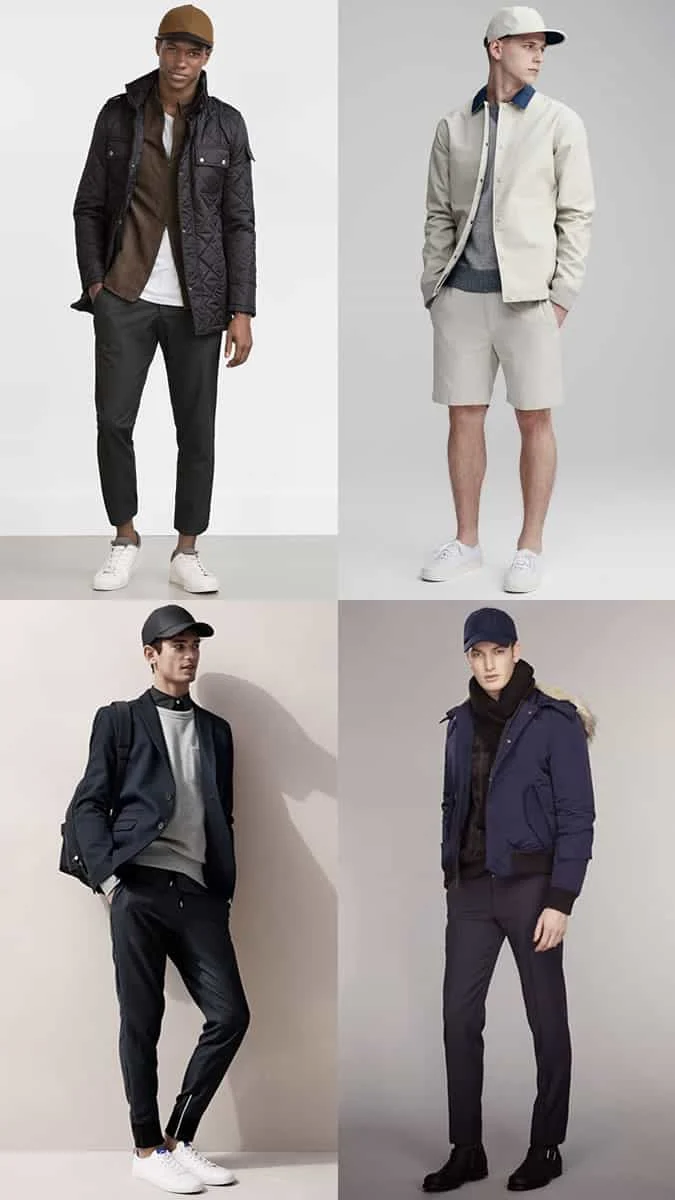


The evolution of modern professional dress codes has reached a critical juncture, prompting a comprehensive re-evaluation of what constitutes elite attire in contemporary corporate, social, and high-profile environments. As traditional boundaries between formal tailoring and smart-casual wear continue to blur, institutions, luxury brands, and style authorities are attempting to codify the absolute standard of personal presentation—a benchmark increasingly referred to in style circles as the pinnacle of dress codes. This shift is not merely superficial; it reflects broader cultural transformations in how authority, professionalism, and personal identity are communicated through clothing in the mid-2020s.
Main Facts and the Modern Shift in Professional Attire
The contemporary landscape of high-end style is defined by a tension between timeless sartorial heritage and the demands of an increasingly hybrid professional world. Over the past several years, the widespread adoption of remote and flexible working arrangements led to a significant relaxation of workplace dress codes globally. However, as organizations and elite social institutions seek to re-establish a sense of occasion, presence, and prestige, a counter-movement has emerged.
The concept of the pinnacle dress code represents the apex of this movement. It moves away from both the sloppy complacency of ultra-casual office attire and the rigid, often uncomfortable stiffness of mid-20th-century corporate tailoring. Instead, it emphasizes uncompromising quality, bespoke or impeccably altered fits, understated luxury, and meticulous attention to detail. Fabrics such as high-twist wools, lightweight cashmere, and organic silk-blend linings have taken precedence over synthetic blends, while silhouettes have transitioned toward a softer, more natural shoulder construction that balances authority with modern comfort.
Chronology of Changing Dress Standards
To understand the current state of elite dress codes, it is necessary to examine the trajectory of workplace and formal attire over the past decade:
- 2015–2019 (The Silicon Valley Casual Era): The dominance of the tech industry popularized hoodies, sneakers, and unstructured denim as acceptable board-room attire. Traditional tailoring saw a decline in younger corporate environments, while established financial and legal institutions maintained strict suit-and-tie policies.
- 2020–2022 (The Pandemic Disruption): Global lockdowns accelerated a massive pivot toward leisurewear and athleisure. Professional presentation was largely confined to the shoulders up on video conference screens, rendering full-body tailoring temporarily obsolete.
- 2023–2024 (The Return to Structure): As offices reopened, a phenomenon known as "revenge dressing" emerged. Workers did not merely return to old habits; many embraced a heightened sense of style, blending classic tailoring with contemporary footwear and knitwear, creating the foundation for modern smart-elegance.
- 2025–2026 (The Rise of Pinnacle Standards): Industry publications, luxury fashion houses, and corporate human resources departments began codifying strict, elevated guidelines for high-stakes environments. The focus shifted away from mere compliance toward intentional curation, sustainability, and supreme craftsmanship, culminating in the formal articulation of pinnacle dress standards.
Supporting Data and Market Trends
Economic and retail data from the luxury menswear and high-end tailoring sectors underscore this structural shift. According to recent market analysis from leading retail intelligence firms, global sales of bespoke and made-to-measure tailoring experienced a robust compound annual growth rate of over 6.5% moving into 2026. This resurgence is largely driven by consumers aged 25 to 40—demographics previously thought to have abandoned formal wear permanently.
Furthermore, secondary market data for luxury leather goods, mechanical timepieces, and heritage outerwear reveal a parallel trend: consumers are investing significantly less in fast-moving trends and significantly more in "investment pieces" designed to last decades. Industry surveys indicate that nearly 72% of high-net-worth professionals prioritize fabric durability, ethical sourcing, and timeless design over brand logo prominence—a core tenet of the pinnacle dress philosophy, which values discretion and craftsmanship above overt display.

Official Responses and Industry Perspectives
Style editors, bespoke tailors, and corporate cultural consultants have offered varied insights into the institutionalization of elevated dress codes. Analysts note that while companies cannot legally mandate specific luxury brands, they are increasingly updating employee handbooks to demand "highest-tier professional presentation" for client-facing roles, board meetings, and international delegations.
Jamie Millar, a seasoned investigative fashion editor, notes that the push toward higher standards is fundamentally tied to trust and psychological signaling in business. "When people dress with extraordinary care, it communicates respect for the room, the institution, and the individuals they are engaging with," Millar explains. "The pinnacle standard is not about exclusion or stifling personality; it is about establishing a universal visual language of excellence that transcends cultural and linguistic barriers."
Paul Smith, a versatile editorial strategist specializing in narrative flow and contemporary lifestyle trends, emphasizes the psychological comfort embedded in modern luxury tailoring. "The misconception is that high-level dress codes are restrictive," Smith states. "In reality, when garments are engineered with modern technical wools, precise measurements, and thoughtful construction, they provide a sense of armor and ease that traditional, stiff corporate wear never achieved. It is tailoring designed for a dynamic, fast-paced world."
Broader Impact and Economic Implications
The establishment of pinnacle dress codes extends far beyond individual wardrobes, exerting a profound influence on global manufacturing, retail strategies, and sustainability metrics within the fashion industry.
From an environmental standpoint, the pivot toward high-end, durable garments aligns with growing consumer and regulatory pressure against fast fashion. Pinnacle dressing inherently promotes circular fashion economies: garments made from premium, natural fibers can be repaired, altered, and passed down through generations, drastically reducing the carbon footprint associated with disposable office wear. Independent tailors, artisanal weavers, and small-batch leather artisans have experienced a renaissance, revitalizing local economies in traditional manufacturing hubs across Europe and Asia.
Moreover, the psychological impact on the wearer cannot be overlooked. Workplace psychologists have documented the phenomenon of "enclothed cognition"—the systemic way in which clothing changes an individual’s psychological state, confidence, and cognitive performance. Organizations that encourage high standards of presentation frequently report improvements in employee morale, meeting engagement, and brand perception among external stakeholders.
Looking ahead, the evolution of the pinnacle dress code serves as a reminder that personal presentation remains a vital tool for non-verbal communication. As boundaries continue to shift between professional and personal spheres, the commitment to exceptional quality, thoughtful curation, and timeless elegance ensures that classic style principles will not only endure but continue to set the standard for leadership and success in the years to come.