










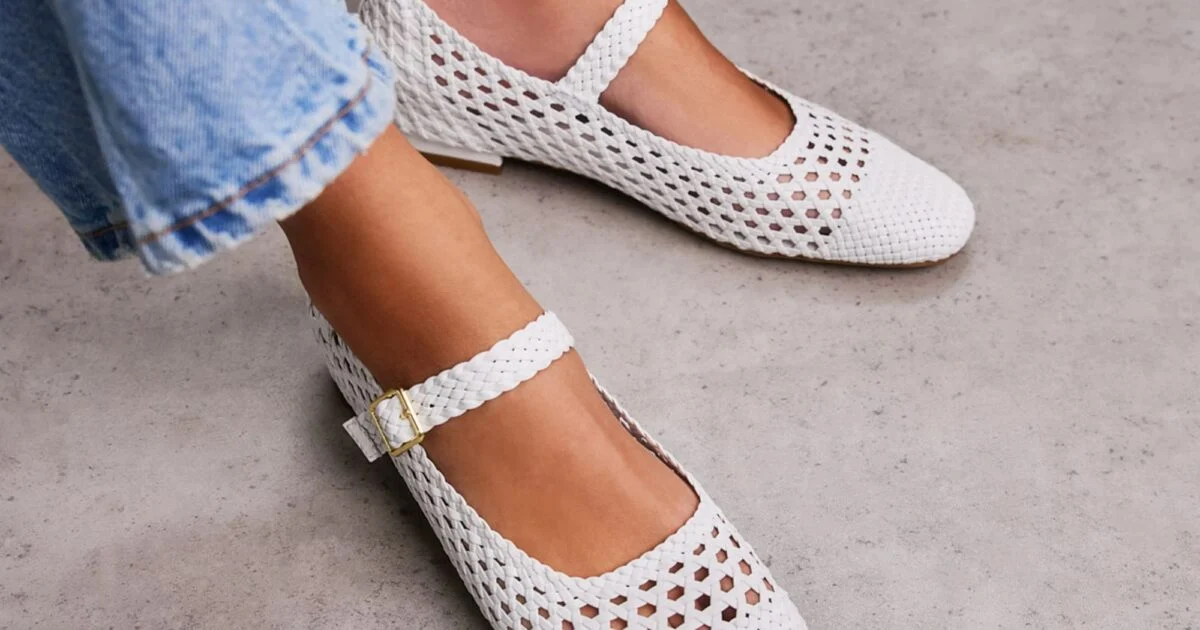
The global footwear industry remains one of the most resource-intensive sectors within modern apparel, prompting a significant shift toward transparency, material innovation, and circular manufacturing. As mesh flats and hybrid styles like Puma’s Speedcat ballet sneakers dominate trends through 2026, consumer demand for durable, ethically produced flat footwear has reached an all-time high. While flats have long served as a functional wardrobe staple—transitioning seamlessly from professional environments to daily commuting—their production footprint requires careful scrutiny. Industry watchdogs and sustainability rating platforms are increasingly urging consumers and brands alike to navigate away from virgin synthetics, toxic tanneries, and overproduction cycles in favor of lower-impact alternatives.
Understanding the Environmental Impact of Modern Footwear
The environmental challenges associated with flat shoes largely mirror those of the broader fashion sector, specifically concerning material sourcing and end-of-life disposal. Traditional footwear heavily relies on bovine leather and suede, industries heavily associated with deforestation, high water consumption, and chemical-laden tanning processes involving heavy metals like chromium. Conversely, the market for vegan alternatives has historically depended on fossil-fuel-derived synthetics such as polyurethane (PU) and polyvinyl chloride (PVC), which do not readily biodegrade and contribute to microplastic pollution.
In response to these ecological hurdles, material science has advanced rapidly. Modern sustainable footwear brands increasingly utilize bio-based innovations derived from agricultural waste—such as apple skin, grape-based alternative leathers, and hemp—alongside recycled natural rubbers rather than synthetic counterparts. Furthermore, organizations like the Leather Working Group (LWG) have established auditing protocols to ensure that when animal leather is utilized, it is sourced from tanneries meeting rigorous environmental and chemical management standards. Despite these advancements, industry analysts note that the most sustainable product remains one that already exists, driving the growing popularity of secondhand marketplaces such as Vinted, eBay, and specialized local thrift retailers.
Chronology of Sustainable Footwear and Regulatory Shifts
The transition toward ethical footwear manufacturing did not happen overnight; it represents a gradual evolution driven by changing consumer consciousness, tightening environmental regulations, and pioneering independent labels.
The early 2000s marked the emergence of early ethical pioneers. In 2004, Melbourne-based brand Elk was founded with a design ethos prioritizing simplicity, sustainability, and independent craftsmanship, setting a precedent for Australian ethical design. Throughout the 2010s, consumer awareness accelerated following transparency initiatives like the Rana Plaza disaster in 2013, which cast a global spotlight on labor exploitation within supply chains. Brands such as Etiko stepped forward to champion organic fair-trade materials and human rights advocacy in traditionally high-risk production regions.
By the mid-to-late 2010s, structural business model innovations began taking shape. In 2016, footwear label ESSÄEN was established as a direct counter-movement against fashion overproduction, introducing a permanent collection model that abandoned traditional fast-fashion calendars in favor of low-waste cutting techniques and limited production runs.
Entering the 2020s and looking toward 2026, the regulatory and consumer landscape underwent a profound transformation. European and North American markets faced stricter greenwashing regulations, forcing brands to substantiate environmental claims. Concurrently, European innovators like Spain’s Vesica Piscis and Poland’s Agazi scaled up production of localized, made-to-order, and bio-based vegan footwear, leveraging renewable energy and agricultural by-products to minimize carbon outputs.
Detailed Profiles of Rated Sustainable Flat Shoe Brands
Independent evaluation bodies, such as the Good On You ratings methodology, assess brands across three core pillars: environmental impact, labor conditions, and animal welfare. The following brands have achieved "Good" or "Great" ratings for their ongoing commitments to sustainable practices within the flat shoe market.
Agazi
Operating out of Poland, Agazi has established itself as a dedicated vegan footwear manufacturer. Its comprehensive catalog includes sneakers, sandals, heels, and flat shoes constructed entirely without animal-derived inputs. Instead, the brand champions innovative bio-textiles, utilizing hemp as well as fruit-waste alternatives derived from apple skin and winemaking by-products (grape-based leather). By diverting agricultural waste into high-durability textiles, Agazi significantly reduces the environmental burden typically associated with synthetic footwear alternatives.
ESSÄEN
Founded in 2016 by Marre Muijs, ESSÄEN was conceived as a structural critique of the fashion industry’s prevailing overproduction model. Rather than adhering to seasonal trends and rapid manufacturing cycles, the label operates on a single, permanent collection framework. By limiting production volume and employing precision low-waste cutting techniques, ESSÄEN minimizes excess inventory and deadstock waste, focusing instead on timeless, durable classics designed for longevity.
Elk
Established in Melbourne in 2004, Elk is widely recognized as a pioneer of independent Australian design. The brand produces bi-annual collections governed by a strict design philosophy that harmonizes simplicity, sustainability, and commercial innovation. Available predominantly in Australian sizes 6 through 18, Elk places a strong emphasis on supply chain transparency, responsible material selection, and long-term supplier relationships, ensuring its footwear and apparel lines maintain high ethical standards.
Reformation
Los Angeles-based Reformation operates under the corporate mission of creating apparel and footwear that balance trend-focused design with rigorous environmental accountability. Beyond material innovation—such as utilizing deadstock fabrics and recycled components—Reformation addresses social sustainability within its supply chain. The brand enforces strict supplier codes of conduct, ensures that a measurable proportion of its manufacturing partners pay a living wage, and provides continuous training programs to improve working conditions for factory workers. Its size inclusivity spans from XS to 3XL.
Vesica Piscis
Based in Spain, Vesica Piscis specializes in 100% vegan footwear manufactured with an emphasis on circularity and low-impact inputs. The brand utilizes a high proportion of recycled and biodegradable materials, operates its manufacturing facilities using renewable energy sources, and functions predominantly on a made-to-order operational model. This bespoke approach effectively eliminates overproduction and deadstock accumulation, ensuring resources are only expended to fulfill confirmed consumer demand. Most shoe styles are available in European sizes 36 through 46.
Etiko
As a long-standing Australian sustainable enterprise, Etiko designs organic, fair-trade apparel and footwear that continuously raise industry standards. The brand has earned global recognition for its active campaigning against human rights abuses and labor exploitation within traditional textile and footwear supply chains. Etiko utilizes certified organic cotton, natural rubber, and transparent manufacturing processes, offering clothing in AU sizes 8 through 20 and footwear spanning UK sizes 3 through 13.
Industry Analysis: Broader Market Implications and Future Outlook
The rapid expansion of the sustainable flat shoe market highlights a broader structural realignment within the global fashion economy. As climate disclosures become mandatory in key economic jurisdictions, footwear brands face mounting pressure to account for their entire supply chain emissions—commonly referred to as Scope 3 emissions. Because footwear manufacturing involves complex assemblies of glues, textiles, metals, and synthetic rubbers, achieving true circularity remains a formidable engineering challenge.
Experts note that the shift toward made-to-order models, as practiced by brands like Vesica Piscis, and permanent inventory collections, championed by ESSÄEN, point toward a viable economic model for mitigating fashion waste. Furthermore, the commercial viability of bio-based materials—ranging from grape skins to hemp—demonstrates that consumer demand for cruelty-free products no longer requires compromising on durability or aesthetic versatility.
However, challenges persist regarding accessibility and greenwashing. While independent rating systems provide consumers with objective data regarding a brand’s labor and environmental practices, the premium pricing often associated with ethical manufacturing can limit mass-market adoption. Analysts suggest that as supply chains for alternative materials mature and regulatory frameworks penalize fast-fashion overproduction, economies of scale will likely drive down costs, making sustainably produced flat shoes more accessible to a wider demographic.
Ultimately, whether consumers choose to invest in new, rigorously certified footwear from transparent brands or extend the lifecycle of existing items through secondhand acquisition, the 2026 landscape proves that style, comfort, and environmental responsibility can successfully coexist on the modern footwear roster.