



Nearly thirty years after the release of the 1998 cult classic Practical Magic, the return of Sally and Gillian Owens to the silver screen in Practical Magic 2 marks a significant milestone in modern cinematic history. Bringing the beloved characters back required a delicate balance between honoring the nostalgia of the original film and addressing the technical advancements of 2026 filmmaking. For the production’s hair and makeup departments, the task was not merely to recreate an aesthetic, but to reflect the evolution of the characters’ lives through intentional stylistic choices. This endeavor involved the expertise of personal stylists Kim Santantonio and Angela Levin for Nicole Kidman, and Janine Thompson and Whitney James for Sandra Bullock, who navigated the intersection of character development, aging, and modern digital cinematography.

The production journey began with a profound sense of continuity. Janine Thompson, who served as Sandra Bullock’s personal hairstylist on the original 1998 production, returned to the set, describing the experience as an emotional homecoming. The recreation of the iconic Owens house—a set piece so central to the film’s identity—was executed with such precision that it served as a catalyst for the creative team to bridge the nearly three-decade gap. This sense of historical weight influenced the visual language of the film, as the team sought to weave tangible memories from the original production into the fabric of the sequel. Thompson, for instance, integrated original hair accessories from the 1998 film into the new wardrobe, placing them subtly throughout the movie to provide a sensory link between the two eras.
Technological Shifts and the Evolution of Hair Design
The approach to the sisters’ hair reflects the dramatic changes in camera technology and film stock over the past twenty-eight years. In 1998, cinema relied on celluloid film, which possessed a distinct grain and light-handling capability that necessitated different makeup and hair techniques. Today, the ultra-high-definition clarity of modern digital cameras demands a much higher level of detail.

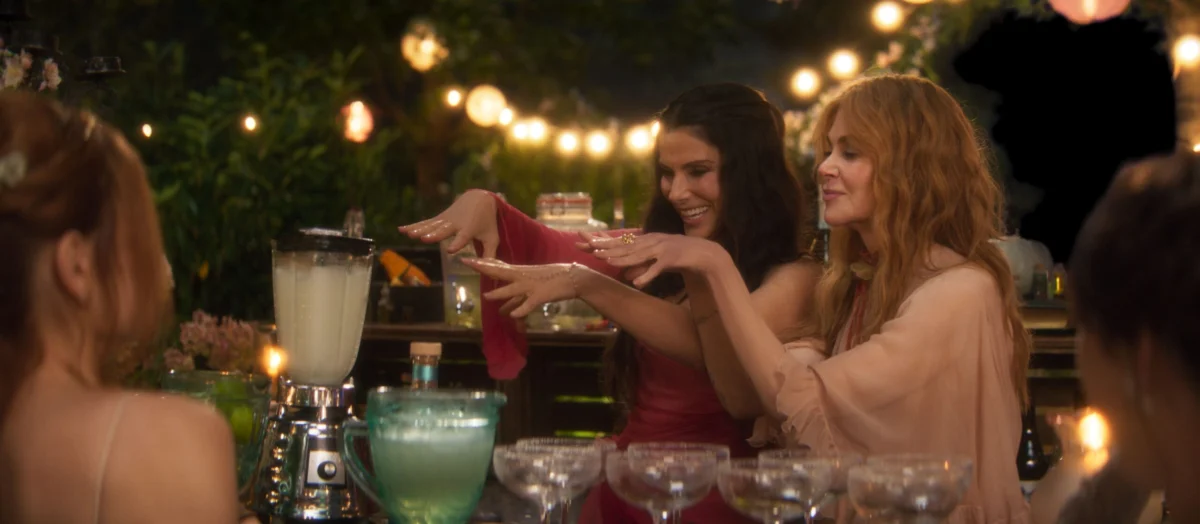
Nicole Kidman’s transformation into Gillian Owens highlights this shift. While the original auburn-and-copper wig was a masterpiece of 1990s practical effects, it was designed for a different visual medium. For the sequel, Kidman’s hairstylist Kim Santantonio collaborated with wigmaker Rob Pickens to develop a new hairpiece that would stand up to the scrutiny of modern digital sensors. Unlike the static, uniform look of the original wig, the new iteration features intricate layering and purposeful texture. By utilizing a razor-cut technique to frame Kidman’s face and introducing varied highlights and lowlights, the team achieved a multidimensional appearance that mimics natural light reflection. This level of detail is essential; without such nuances, modern cameras would perceive the wig as artificial or "flat," failing to provide the realism expected by contemporary audiences.
Character Psychology and the Visual Language of Sally Owens
Sandra Bullock’s character, Sally Owens, has undergone significant life changes since the audience last saw her. The narrative of the sequel reveals that Sally has suffered further losses, specifically the death of her husband, Gary, who fell victim to the family’s persistent curse. This grief and the subsequent burden of shielding her daughters from their magical heritage have dictated a more constrained, protective aesthetic.

Janine Thompson noted that Sally’s hair in the sequel is intentionally more coiffed and restricted than the loose, free-flowing style of her younger years. This "guarded" aesthetic serves as a visual metaphor for Sally’s attempt to exert control over a life that has been repeatedly upended by tragedy. However, the styling is not entirely rigid; purposefully placed loose strands suggest that Sally’s attempts at control are constantly being tested by her true nature. As the film progresses and the curse is broken, the aesthetic shifts. During the film’s climax at her daughter’s wedding, Sally appears with softer, more relaxed curls—a visual representation of her transition from a state of hyper-vigilance to one of peace and emotional liberation. This look was achieved using products from the LolaVie line, specifically a combination of leave-in spray, detangler, and oil, which allowed for a natural, air-dried finish that maintains continuity across the production schedule.
The Intersection of De-Aging Technology and Makeup Artistry
A critical technical component of Practical Magic 2 is the opening flashback sequence, which depicts the sisters shortly after the events of the first film. To achieve this, the production employed de-aging special effects. This process required a highly specialized approach to makeup, as the digital filters had to be complemented, not hindered, by the physical makeup application.

Whitney James, Bullock’s makeup artist, faced the challenge of reverting the actress’s look to her early 30s while maintaining the emotional gravity of the scene. The team referenced archival photographs from the late 90s, focusing on the specific brow shapes and the "fresher" cheek flush that were characteristic of that era’s beauty standards. By balancing these period-accurate elements with modern de-aging AI, the team was able to create a seamless transition that preserved the integrity of the original film’s visual identity.
Whimsical Luminousity: The Shift in Makeup Philosophy
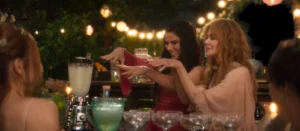
While the makeup for Sally is rooted in a natural, matte, and guarded aesthetic, the approach to Gillian’s look is deliberately more whimsical. Angela Levin, Kidman’s makeup artist, made a conscious decision to prioritize a "luminous" quality that would distinguish Gillian’s more mystical nature from her sister’s groundedness.

In standard cinematic practice, high-shimmer products are often avoided because they can reflect light unpredictably on camera, creating a distracting "glare." However, Levin chose to disregard this rule, arguing that a film about magic necessitated a departure from traditional realism. By incorporating subtle, light-reflecting pigments and cool-toned shadows—specifically utilizing lilac, lavender, and gray hues from the Lisa Eldridge Betty Eyeshadow palette—Levin created a look that felt ethereal and otherworldly. The application of the Dior Beauty Rosy Glow Radiance pH-Activated Blush Stick was similarly deliberate, providing a transparent, dewy finish that appeared to emanate from the skin rather than resting on top of it. This choice highlights the thematic divide between the two sisters: Sally as the protector of the status quo and Gillian as the agent of the magical unknown.
Broader Implications and Legacy
The meticulous attention to detail in the beauty department of Practical Magic 2 underscores a broader trend in legacy filmmaking: the desire to treat sequels not merely as content, but as a continuation of an artistic legacy. By analyzing the interplay between character growth, evolving camera technology, and the physical constraints of the human form, the production team has demonstrated that the "magic" in the film is as much a result of disciplined artistry as it is of supernatural narrative.

Furthermore, the collaboration between the stylists and the performers highlights the importance of the actor-artist relationship in long-running franchises. The ability to pivot from the flat, film-based aesthetics of 1998 to the nuanced, high-definition requirements of 2026 is a testament to the skill set required in modern Hollywood. As audiences continue to engage with the Owens sisters, the visual evolution of their characters will likely be studied as a primary example of how the beauty industry and the film industry converge to maintain narrative consistency over decades.
The success of these techniques suggests that for future projects involving long-term sequels, the focus must remain on "authentic evolution." It is not enough to simply copy the look of the past; one must understand the environment in which that look was created and translate it into the visual vernacular of the present. Through this process, the creators of Practical Magic 2 have ensured that while the characters may have aged and their circumstances may have darkened, the core essence of the Owens sisters—and the beauty that defines them—remains intact for a new generation of viewers.