







The intersection of artificial intelligence and high-end fashion reached a new milestone on Thursday with the official debut of "Ella," a conversational AI personal styling assistant developed by luxury membership platform Vivrelle. Created in collaboration with prominent fashion retailers Revolve and FWRD, the tool represents a rare cross-brand alliance designed to streamline how consumers discover, rent, and purchase luxury apparel and accessories.
The launch of Ella arrives at a time of significant corporate momentum for Vivrelle. Earlier this year, the luxury rental platform secured $62 million in a Series C funding round, signaling strong investor confidence in its business model. By integrating Ella across three distinct shopping environments—Vivrelle for high-end accessories rentals, Revolve for contemporary designer retail and pre-owned goods, and FWRD for luxury designer collections—the companies have engineered one of the first unified omnichannel experiences powered by generative AI.
How Ella Works: Conversational Commerce Meets Omni-Retail
Ella operates much like a virtual human stylist accessible via a chat interface. Consumers can input natural-language prompts specifying their styling needs, such as requesting "a bachelorette weekend outfit for Miami" or "a comprehensive packing list for a European vacation."
Upon receiving the prompt, the AI scans inventory across all three participating platforms—suggesting rental handbags and jewelry from Vivrelle, alongside retail or pre-owned apparel from Revolve and FWRD. The system synthesizes these disparate inventory pools into cohesive, complete outfit recommendations. Furthermore, the user experience is designed to reduce friction by allowing shoppers to check out items from multiple brands within a single, unified shopping cart on Vivrelle.
According to the developers, Ella utilizes machine learning algorithms that adapt over time. The more frequently a user interacts with the tool, the more accurately it learns their sizing, aesthetic preferences, and lifestyle needs, effectively serving as a personalized digital concierge for modern consumers.
A Timeline of Collaboration and Technological Evolution
The partnership between Vivrelle, Revolve, and FWRD is not entirely new, but rather the evolution of a technological roadmap that has accelerated over the past year.
Earlier this year, the trio introduced a preliminary feature called "Complete the Look," a targeted recommendation engine that offered last-minute fashion suggestions designed to complement items already sitting in a consumer’s digital checkout cart. While "Complete the Look" focused on point-of-sale upselling, Ella expands the scope of engagement to the very beginning of the shopping journey—ideation and discovery.
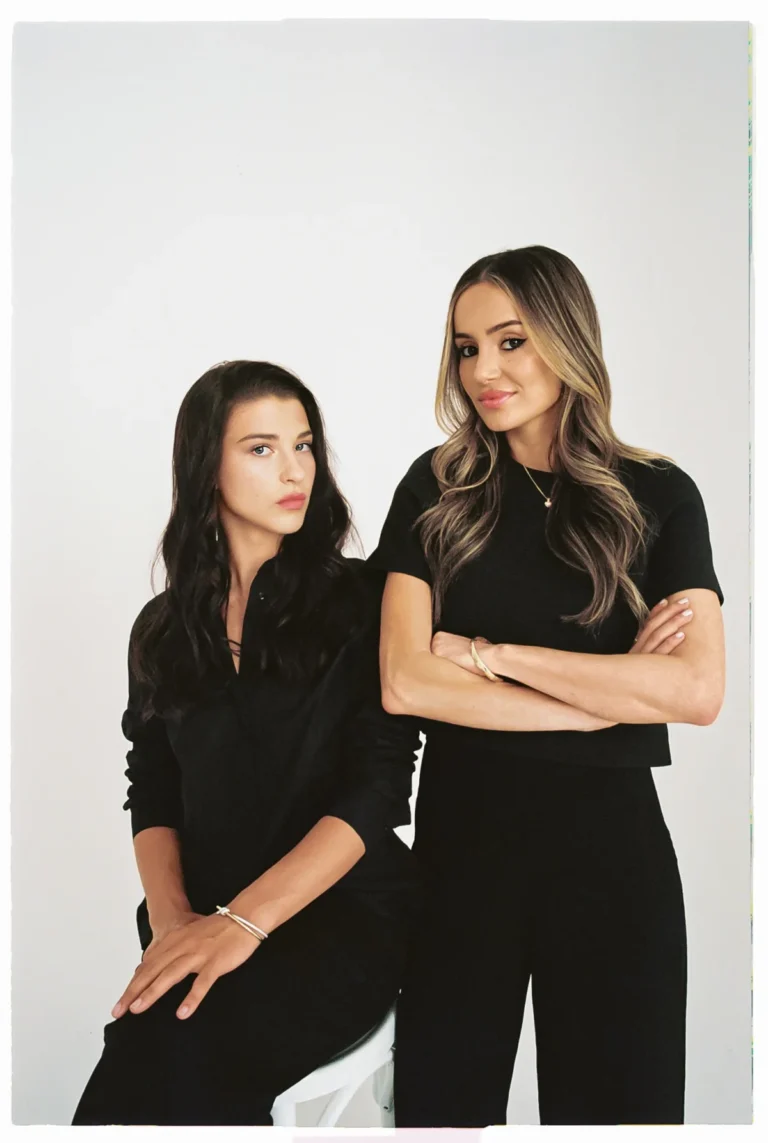
Blake Geffen, CEO and co-founder of Vivrelle, noted that Ella has been in development for approximately a year. Building a platform that bridges three distinct inventories, backend systems, and e-commerce architectures required extensive engineering to ensure a seamless front-end experience for the user.
The Long-Held Dream of Digitized Wardrobes
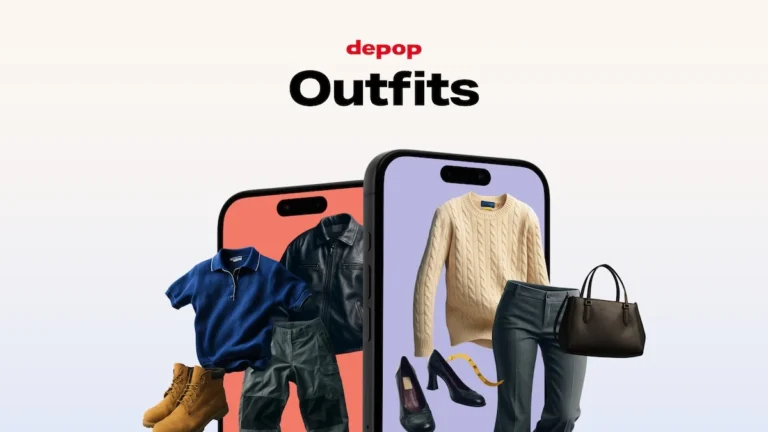
The fashion industry’s pursuit of automated, personalized styling is nearly as old as modern e-commerce itself. For decades, retail technologists have attempted to recreate the cinematic fantasy popularized by iconic 1990s culture—most notably the automated, computerized rotating wardrobe utilized by the protagonist Cher in the film Clueless.

For many years, these efforts were hampered by the limitations of static recommendation engines, which relied on rigid rules, past purchase history, or basic collaborative filtering (e.g., "customers who bought X also bought Y"). These systems frequently lacked contextual awareness regarding specific events, weather, geography, or the nuanced art of styling.
The recent generative AI boom has fundamentally altered this landscape. Democratized access to advanced large language models and computer vision technologies has sparked a wave of innovation across the fashion sector. Throughout 2024 and 2025, numerous startups and established brands have introduced AI styling platforms, collectively raising tens of millions of dollars from venture capital firms eager to back the next generation of retail tech.
Executive Insights and Strategic Vision
Speaking on the motivations behind the launch, Vivrelle leadership emphasized flexibility and consumer convenience as primary drivers.
"With Ella, we’re giving our members as much flexibility and options as possible to shop or borrow with ease, through seamless conversations that allow you to share as little or as much as you want, just like talking to a live stylist," said Blake Geffen. "We’re excited to be the first brand to integrate rental, resale, and retail into one streamlined omnichannel experience."
By uniting rental, resale, and traditional retail under a single AI-guided umbrella, the partnership addresses a fundamental shift in modern consumer behavior. Today’s luxury shoppers—particularly Millennials and Generation Z—frequently mix high and low price points, alternate between renting and owning, and increasingly embrace the circular economy through resale platforms.
Broader Implications for the Fashion and Retail Sectors
The debut of Ella carries several broader implications for the future of digital retail:
-
The Rise of Collaborative Retail Ecosystems: Historically, major fashion retailers operate in strict isolation, guarding their user data and inventory ecosystems. The Vivrelle, Revolve, and FWRD partnership demonstrates a collaborative model where complementary brands pool their digital assets to capture a larger share of the consumer’s wallet. By allowing cross-platform checkouts, the brands reduce cart abandonment caused by multi-site navigation.
-
Blurring the Lines Between Ownership and Access: The integration of Vivrelle’s rental model with Revolve and FWRD’s retail and resale inventories normalizes hybrid consumption. Consumers no longer have to choose exclusively between buying a complete wardrobe or renting one; AI can curate an ensemble composed of leased statement pieces and purchased staples.
-
Shifting Consumer Expectations: As generative AI tools become more sophisticated, consumer tolerance for rigid, poorly targeted product recommendation grids is diminishing. Retailers that fail to offer conversational, context-aware discovery tools risk falling behind in customer acquisition and retention.
As Ella rolls out to the public, industry analysts will be closely monitoring user adoption rates, average order values, and cross-platform conversion metrics to determine whether this tri-brand AI experiment can set a new standard for modern digital retail.