





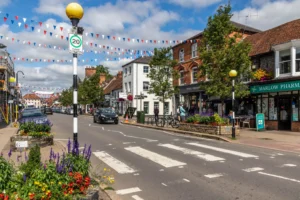



Fashion independents across the United Kingdom are currently navigating a period of unprecedented volatility, experiencing significantly mixed footfall and trading patterns amidst a summer defined by record-breaking temperatures and three consecutive heatwaves. As the mercury repeatedly soared to historic highs throughout June and July 2026, many small and medium-sized enterprises (SMEs) on the high street have reported a drastic drop in consumer traffic for non-essential goods, while others have seen a surge in demand for specific seasonal items. This challenging environment has prompted a collective call from the independent retail sector to the newly appointed Prime Minister, Andy Burnham, urging his administration to prioritise and take decisive action on the long-standing issue of business rates, which retailers argue are an unsustainable burden exacerbating their current struggles.
A Summer of Unprecedented Extremes: The 2026 Heatwaves
The summer of 2026 has etched itself into the UK’s meteorological records, characterised by a succession of intense heatwaves that have tested the nation’s infrastructure and public resilience. The first significant heatwave struck in early June, bringing temperatures consistently above 30°C for over a week across much of England and Wales. This was followed by a more intense and prolonged period of heat in early July, culminating in what the Meteorological Office confirmed as the hottest ever recorded July week. The third and most severe heatwave commenced in mid-July, pushing national temperatures to a new all-time high of 39.5°C in certain southern regions on July 18th, eclipsing previous records.
These prolonged periods of extreme heat have had a profound impact on daily life. Public health advisories urged citizens to stay indoors during peak heat hours, avoid strenuous activity, and remain hydrated. Transport networks faced significant disruption due to buckling rails and speed restrictions. For the retail sector, particularly those without robust air conditioning or those reliant on casual browsing, the impact was immediate and stark. Shoppers, understandably prioritising comfort and safety, largely avoided high streets during the hottest parts of the day, leading to a noticeable decline in impulse purchases and general footfall for traditional fashion outlets. The Met Office’s Chief Meteorologist, Dr. Eleanor Vance, commented on July 20th, "The frequency and intensity of these heat events are consistent with climate change projections. We are witnessing a clear trend towards hotter, drier summers, which presents significant challenges for adaptation across all sectors."
The High Street Under Duress: Footfall and Sales Data
Preliminary data from various retail analytics firms paints a complex picture for the independent fashion sector. While overall high street footfall during the three heatwaves saw an average decline of 15% compared to the same period in 2025, the impact on sales has been far from uniform. Fashion independents selling lightweight apparel, swimwear, linen, and resort wear reported a significant uptick in sales, with some experiencing year-on-year growth of up to 20-25% in these categories. Conversely, retailers specialising in more structured clothing, formal wear, denim, and autumn/winter transition pieces have seen sales plummet by as much as 30-40%.
"It’s been a tale of two summers for us," remarked Sarah Jenkins, owner of ‘The Linen Loom’ boutique in Brighton. "Our linen dresses and wide-leg trousers have been flying off the shelves. People are desperate for anything breathable. But our usual steady sales of occasion wear and work attire have completely stalled. Who wants to try on a suit in 35-degree heat?"
In contrast, Mark Davies, proprietor of ‘Urban Threads’ in Manchester, which focuses on contemporary streetwear and denim, expressed deep concern. "This July has been the slowest in years. Our core products are just not moving. People are either staying home or heading to air-conditioned shopping centres, bypassing the independent high street entirely. The cost of running our own air conditioning unit to even make the shop tolerable is also astronomical right now, eating into already slim margins."
Online sales for fashion independents have seen a moderate increase, with some retailers reporting a 5-10% rise as consumers opted for convenient home delivery rather than venturing out. However, this boost has largely failed to offset the significant losses incurred from diminished physical store traffic, especially for businesses where the in-store experience and personal styling are central to their model. The British Retail Consortium (BRC) highlighted in its latest report that while national retail sales saw a modest 1.2% year-on-year growth in July, this figure masks significant sectoral disparities and conceals the severe pressure on smaller, independent high street businesses.
The Lingering Burden: Calls for Business Rates Reform
Against this backdrop of extreme weather and volatile trading, the long-standing issue of business rates has resurfaced as a primary concern for independent retailers. Business rates, a property tax levied on non-domestic properties, are calculated based on a property’s rateable value, irrespective of a business’s actual profitability or current trading conditions. For years, independent retailers have argued that these rates are disproportionately high and fail to reflect the economic realities of the modern high street, placing them at a significant disadvantage compared to online competitors who bear no equivalent physical property tax.
"Business rates are a relic of a bygone era," stated Helen Dickinson, Chief Executive of the BRC, in a press release dated July 22nd. "They punish physical retail, which is the backbone of our communities and provides local employment. In times of crisis like these heatwaves, when footfall evaporates and sales plummet, businesses are still saddled with these fixed, exorbitant costs. We need a fundamental overhaul, not just tinkering around the edges."
The Federation of Small Businesses (FSB) echoed these sentiments, with its National Chair, Martin McTague, calling for immediate intervention. "Our members are resilient, but they are at breaking point. Three heatwaves in one summer, coupled with persistent inflation and high energy costs, make it incredibly difficult to simply keep the doors open. Prime Minister Burnham has a critical opportunity to demonstrate his commitment to small businesses by finally delivering meaningful reform on business rates, perhaps through a permanent reduction, a move to an online sales tax, or a more frequent revaluation cycle that reflects market conditions."
Previous governments have acknowledged the burden of business rates, offering temporary relief measures such as discounts or freezes. However, retailers argue that these have been insufficient and lack the long-term structural reform needed to foster a sustainable high street. The current crisis has intensified the urgency, with many independents fearing that without substantial relief, the coming months could see a wave of closures.
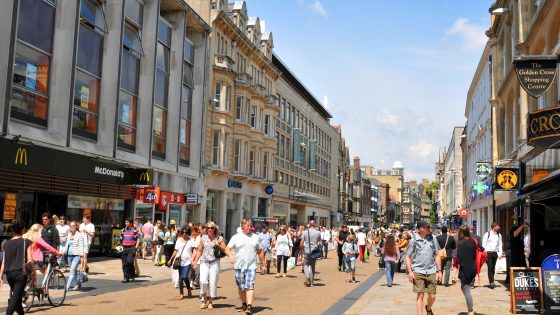
Andy Burnham’s New Mandate: Navigating Economic and Climate Challenges
The calls for support are directed squarely at Andy Burnham, who recently assumed the office of Prime Minister following a summer leadership contest. Burnham, whose political platform has often emphasised regional growth and support for local communities, now faces the immediate challenge of addressing both the short-term economic impact of the heatwaves and the broader, systemic issues affecting the high street. His election campaign included pledges to "level up" the economy and provide greater support for SMEs, making business rates reform a key policy test early in his premiership.
A spokesperson for 10 Downing Street issued a statement on July 23rd, acknowledging the concerns raised by the retail sector. "The Prime Minister is acutely aware of the challenges facing high street businesses, particularly our invaluable independent retailers, who are the lifeblood of our towns and cities. His administration is committed to fostering a vibrant and resilient economy, and we are actively monitoring the impact of the unprecedented summer weather on trading conditions. A comprehensive review of business rates is a priority for the new government, and we are engaging with stakeholders across the retail sector to develop fair and sustainable solutions that support businesses and encourage investment." While the statement offered reassurance, it stopped short of outlining specific immediate actions or timelines for reform.
Voices from the Frontline: Independent Retailers Speak Out
Beyond the collective calls from industry bodies, individual independent retailers across the UK are sharing their personal experiences of navigating this challenging summer. Eleanor Vance, owner of ‘Edinburgh Tweed & Tartan’ in Scotland, notes the particular challenge for businesses selling traditional British attire. "Our core business is heritage clothing, wools, and heavier fabrics. Tourists, our main clientele in summer, simply aren’t looking at wool kilts or tweed jackets when it’s 28°C. We’ve tried to adapt by stocking lighter accessories, but it’s not enough to cover the loss. The heat means fewer people are even venturing into the city centre, let alone browsing our shop."
In Bristol, James Chen, who runs a sustainable fashion boutique called ‘Green Threads’, highlighted the energy costs. "We pride ourselves on being environmentally conscious, but keeping our shop cool enough for customers to even step inside has meant running our air conditioning almost constantly. Our energy bills have skyrocketed, adding another layer of financial pressure on top of the reduced sales and the ever-present business rates."
These anecdotal accounts underscore the diverse challenges faced by independents, from managing stock suited to unpredictable weather patterns to absorbing increased operational costs. Many are attempting to pivot, enhancing their online presence, offering personalised styling appointments during cooler evening hours, or even temporarily adjusting opening hours to avoid the hottest parts of the day. However, these adaptive strategies often require additional investment or resource allocation, which many small businesses simply do not have readily available.
Broader Economic Implications and the Future of Retail
Economists warn that a sustained period of mixed trading and increased operational costs for independent retailers could have broader implications for the UK economy. Dr. Anya Sharma, a senior economist at the Resolution Foundation, commented, "While the direct impact on GDP from a few weeks of heatwave might seem minimal, the cumulative effect on consumer confidence, small business viability, and local employment could be significant. If independents are forced to close, it erodes local economies, increases unemployment, and further hollows out high streets already struggling with structural shifts towards online retail and out-of-town shopping centres. The government’s response to these calls for support will be a critical indicator of its commitment to supporting foundational local businesses."
The summer of 2026 serves as a stark reminder of the increasing vulnerability of traditional retail to environmental factors. It underscores the urgent need for retailers to build resilience, diversify their offerings, and embrace multi-channel strategies that can mitigate the risks posed by climate change. For some, this might mean investing in more adaptable inventory, while for others, it could involve reimagining the physical store as an experience hub rather than solely a transactional space.
Towards a Resilient High Street: Policy Considerations
Beyond business rates reform, the current crisis highlights the need for a more comprehensive policy framework to support the high street. This could include targeted grants for energy efficiency upgrades or the installation of climate control systems, subsidies for businesses facing exceptionally high utility bills during extreme weather events, or even temporary reductions in VAT for specific high street sectors. Furthermore, investment in local infrastructure, such as shaded public spaces and accessible public transport, could encourage footfall even during challenging weather conditions.
The debate around an online sales tax, designed to level the playing field between brick-and-mortar and e-commerce businesses, is also likely to gain renewed momentum. Such a tax, if carefully implemented, could generate revenue to fund business rate reductions or other support mechanisms for physical retailers. The challenge for Prime Minister Burnham’s administration will be to craft policies that are not only economically viable but also politically palatable, balancing the needs of various business sectors with the broader national fiscal agenda.
The unprecedented heatwaves of summer 2026 have cast a harsh spotlight on the precarious position of independent fashion retailers across the UK. Faced with dwindling footfall, shifting consumer behaviour, and escalating operational costs, their plea for urgent action on business rates resonates deeply within a sector that is vital to the character and economy of British towns and cities. As Prime Minister Andy Burnham embarks on his new mandate, his administration’s response to these calls will be a crucial test of its commitment to supporting local businesses and building a resilient, climate-adapted economy capable of navigating the multifaceted challenges of the 21st century. The outcome will undoubtedly shape the future landscape of the UK’s high streets for years to come.