










The global footwear industry, a colossal market valued at over $365 billion in 2023, is undergoing a significant transformation driven by increasing consumer awareness and environmental pressures. As sneakers maintain their undisputed status as a wardrobe staple, transcending mere athletic function to become a core fashion item, the environmental and social footprint of their production has come under intense scrutiny. Traditionally, the industry has been marred by practices synonymous with fast fashion: rapid trend cycles, reliance on resource-intensive materials, opaque supply chains, and a massive waste problem. However, a growing cohort of pioneering brands is redefining what it means to produce a desirable sneaker, prioritizing people, the planet, and animals through innovative materials, ethical labor practices, and circular design principles. This shift marks a crucial evolution in consumer culture, moving away from disposability towards a model of conscious consumption and durable, responsibly made products.
The Environmental and Social Toll of Conventional Footwear
The sheer scale of sneaker production presents a daunting environmental challenge. Annually, billions of pairs of shoes are manufactured, with estimates suggesting that over 23 billion pairs are produced globally each year. The vast majority of these end up in landfills, contributing to a monumental waste crisis, as many conventional sneakers are difficult, if not impossible, to recycle due to their complex composition of mixed materials. A 2018 study by the Massachusetts Institute of Technology (MIT) found that a single pair of running shoes generates approximately 30 pounds of carbon dioxide emissions, equivalent to leaving a 100-watt light bulb on for a week.
Material sourcing is a primary driver of this impact. Traditional sneakers often rely heavily on virgin plastics for components like soles and synthetic uppers, contributing to fossil fuel consumption and plastic pollution. Leather, another common material, comes with its own set of environmental concerns, including extensive land use, deforestation, high water consumption, and the discharge of toxic chemicals from tanning processes. Rubber, whether natural or synthetic, also has significant environmental implications, from habitat destruction in rubber plantations to the energy-intensive production of synthetic variants. Furthermore, the dyeing and finishing processes involve a cocktail of chemicals that can pollute local water systems and pose health risks to workers and communities.
Beyond environmental degradation, the social impact of the conventional footwear industry is equally concerning. The complex, globalized supply chains often lack transparency, making it difficult to monitor labor conditions. Reports from various non-governmental organizations consistently highlight issues such as low wages, excessive working hours, unsafe factory environments, and even child labor in some manufacturing hubs. Workers, predominantly in developing countries, are often denied fundamental labor rights, trapped in a system designed to prioritize speed and low cost over human dignity. The relentless pace of fast fashion, which dictates ever-shorter product cycles, exacerbates these pressures, demanding quicker turnaround times and further squeezing profit margins at the expense of factory workers.
A New Era of Conscious Consumption
In response to these systemic issues, a significant demographic shift in consumer values is catalyzing the growth of the ethical and sustainable fashion market. Market research indicates a rising tide of conscious consumers, particularly among younger generations like Gen Z and Millennials, who are increasingly prioritizing sustainability and ethical practices in their purchasing decisions. A 2022 survey by McKinsey & Company found that 66% of all respondents and 75% of millennial respondents consider sustainability when making a purchase. This growing demand is not merely a niche trend but a powerful market force compelling brands to innovate and adapt.
This new era of consumption is characterized by a demand for transparency, authenticity, and verifiable impact. Consumers are seeking brands that offer genuine solutions, not just greenwashed marketing claims. This is where independent rating systems, such as the one employed by Good On You, play a crucial role. By rigorously assessing brands’ impact on people, the planet, and animals, these platforms provide consumers with objective, fact-based information, empowering them to make informed choices and hold companies accountable.
The evolution of sustainable materials and production methods is at the heart of this transformation. Scientists and innovators are developing groundbreaking alternatives to conventional materials, ranging from bio-based leathers derived from fruit waste to recycled ocean plastics and innovative plant fibers like hemp. Manufacturing processes are also becoming more energy-efficient, utilizing renewable energy sources and embracing circular economy principles to minimize waste and maximize resource utility. The concept of "made-to-order" production, for instance, significantly reduces overproduction and deadstock, a common problem in the traditional retail model.
Pioneering Brands: Diverse Approaches to Sustainable Footwear
The burgeoning market for ethical and sustainable sneakers is populated by a diverse array of brands, each championing distinct approaches to responsible production. These trailblazers are not just offering alternatives but are setting new benchmarks for the industry, demonstrating that style, comfort, and sustainability can coexist.
Material Innovation & Vegan Alternatives:
Many brands are leading with material science, moving away from animal-derived products and fossil fuel-based synthetics. Vesica Piscis, a vegan footwear brand from Spain, exemplifies this by utilizing a high proportion of lower-impact materials and employing renewable energy in its manufacturing processes. Their commitment extends to a made-to-order model, significantly reducing waste associated with overproduction, a common issue in the apparel sector. Similarly, COG, based in France, crafts vegan shoes from an impressive array of lower-impact materials, including natural cork, repurposed cotton scraps, and plant-based recycled materials like grape pomace, corn, and bamboo. The use of agricultural waste, such as grape pomace (the solid remains of grapes after pressing for juice or wine), transforms what would otherwise be discarded into valuable resources, showcasing a potent form of circularity.
Further pushing the boundaries of bio-innovation, Agazi, a vegan footwear brand from Poland, designs sneakers, sandals, and heels using non-animal-derived materials such as hemp and alternative leathers made from apple skin and grapes. These bio-based leathers offer a compelling, cruelty-free alternative to traditional leather, significantly reducing the environmental footprint associated with animal agriculture and chemical tanning. ID.EIGHT, an Italian brand founded by footwear industry veterans Dong Seon Lee and Giuliana Borzillo, champions a refined design aesthetic while using lower-impact materials derived from food industry waste, including apple peels, grape stalks and seeds, and pineapple leaves, alongside recycled cotton and polyester. This ingenuity in upcycling food waste into durable footwear materials is a testament to the potential for cross-industry collaboration in sustainable design.
Flamingos’ Life stands out for its comprehensive approach to vegan footwear, creating sneakers free from animal-derived materials. The brand emphasizes lower-impact and PETA-approved vegan materials, including upcycled components, ensuring that ethical considerations are embedded throughout their product lifecycle. Meanwhile, 8000Kicks, a US-based brand, has carved a niche in footwear crafted from industrial hemp. Known for its durability, breathability, and low environmental impact (requiring minimal water and no pesticides to grow), hemp is a revolutionary material for sustainable footwear. 8000Kicks further extends its commitment by supporting tree-planting initiatives, illustrating a holistic view of environmental responsibility.
Ethical Supply Chains & Fair Labor:
Beyond materials, some brands place a strong emphasis on ensuring fair and ethical treatment of workers throughout their supply chains. Etiko, an Australian designer of organic fair trade clothing and shoes, is a vocal advocate for human rights, setting a high bar for upholding and campaigning for the rights of people working in traditionally exploitative industries. Their commitment to fair trade principles means workers receive fair wages, safe working conditions, and the right to organize, directly combating the pervasive labor abuses in the global garment and footwear sectors.
Similarly, UK brand Komodo integrates social responsibility into its core mission. While utilizing responsible materials like GOTS-certified cotton and hemp (the Global Organic Textile Standard ensures strict ecological and social criteria throughout the textile supply chain), Komodo also ensures that most of its suppliers pay a living wage to their workers. A living wage is crucial for allowing workers to meet their basic needs and provide for their families, a stark contrast to the minimum wages often prevalent in fast fashion supply chains.
Circular Economy & Environmental Stewardship:
Addressing the end-of-life problem for sneakers and promoting circularity is another vital aspect of sustainable footwear. While many brands focus on new production, some are tackling the issue of existing waste. New Balance, a major player in the athletic footwear market, has launched its "Reconsidered" collection in the US. This initiative offers pre-owned sneakers, production samples, and unsold items from past collections, aiming to improve the circularity of its products. This approach provides consumers with access to beloved designs at a reduced environmental cost, extending the lifespan of products and diverting them from landfills. While New Balance receives a "It’s a Start" rating from Good On You, indicating nascent but commendable efforts, programs like Reconsidered are significant steps towards a more circular model within mainstream brands.
Vesica Piscis, as mentioned, also contributes to waste reduction through its made-to-order system. Meanwhile, tentree, a Canadian brand, has built its entire business model around environmental regeneration. For every item purchased, tentree plants ten trees, having already planted over 65 million trees globally. This direct action helps regenerate ecosystems, combat deforestation, and provide planting jobs in communities worldwide. Their products are also created with an Earth-first approach, using lower-impact and recycled materials and ensuring fair, safe working conditions.
Holistic Design & Longevity:
Some brands integrate sustainability into their fundamental design philosophy, emphasizing longevity and timelessness over fleeting trends. Elk, an independent Australian design pioneer founded in Melbourne, creates bi-annual collections informed by a design ethos where simplicity and sustainability meet innovation. By focusing on durable, well-crafted pieces that transcend seasonal fads, Elk encourages consumers to invest in items that will last, thereby reducing the need for frequent replacements and minimizing overall consumption. This approach aligns with the broader goal of slowing down the fashion cycle and promoting a more thoughtful relationship with clothing and accessories.
Challenges and the Path Forward
Despite the encouraging progress, the journey towards a fully sustainable footwear industry is not without its challenges. One significant hurdle is greenwashing, where brands misleadingly market their products as eco-friendly without genuine, verifiable efforts. This can confuse consumers and undermine trust in truly sustainable brands. The role of independent certifiers and rating platforms becomes even more critical in this landscape, providing transparency and accountability.
Another challenge is the cost barrier. Sustainable and ethically produced sneakers often come with a higher price tag due to the increased cost of innovative materials, ethical labor practices, and smaller-scale, more responsible production methods. This can make them less accessible to a broad consumer base, highlighting the need for scaling sustainable technologies and streamlining supply chains to bring costs down.
However, the path forward is illuminated by continued innovation and a growing collective commitment. The advent of new bio-materials, advancements in recycling technologies, and the increasing adoption of circular business models promise a future where sneakers can be designed for disassembly, repair, and eventual recycling. The role of the consumer is also paramount: investing in high-quality, durable shoes, learning how to care for them properly, and choosing to repair rather than replace can significantly extend a product’s lifespan. When shoes truly reach the end of their functional life, responsible disposal or donation to organizations like Soles4Souls or participation in brand-specific programs like Nike’s Reuse-A-Shoe Program can ensure materials are repurposed or recycled, preventing them from contributing to landfill waste.
Conclusion
The narrative around sneakers is rapidly evolving from a story of mass production and disposability to one of conscious craftsmanship and environmental stewardship. The rise of ethical and sustainable sneaker brands is not just a niche market trend but a powerful indicator of a broader cultural shift towards more responsible consumption. By prioritizing innovative materials, fair labor, and circular design, these pioneering companies are demonstrating that it is possible to create desirable, high-performance footwear that respects both people and the planet. As consumers become increasingly informed and discerning, the collective demand for transparency and sustainability will continue to drive innovation, pushing the entire footwear industry towards a more ethical and environmentally sound future. The choice to invest in a responsibly made pair of sneakers is more than a fashion statement; it is a step towards a more sustainable world.
Editor’s Note:
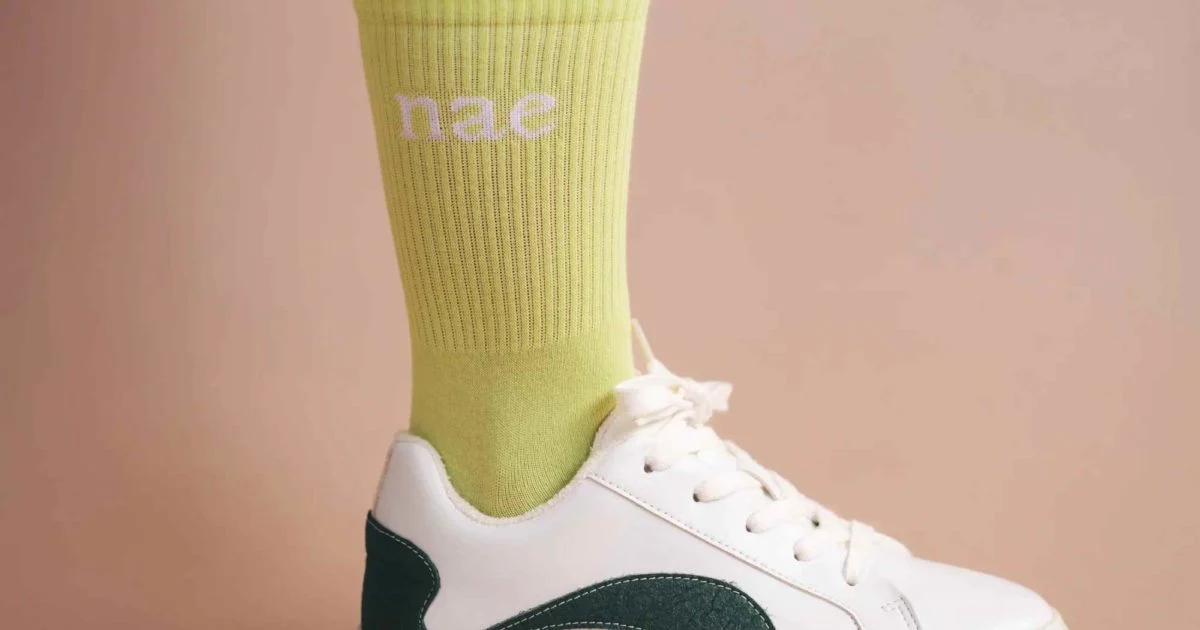
Feature image via NAE, all other images via brands mentioned. Good On You publishes the world’s most comprehensive ratings of fashion and beauty brands’ impact on people, the planet, and animals. Use their directory to search thousands of rated brands.
This article was updated on 5 March 2026. Our editors frequently make updates to articles to ensure they’re up to date. We refreshed our product round-up to ensure it reflects brands with recent ratings.