







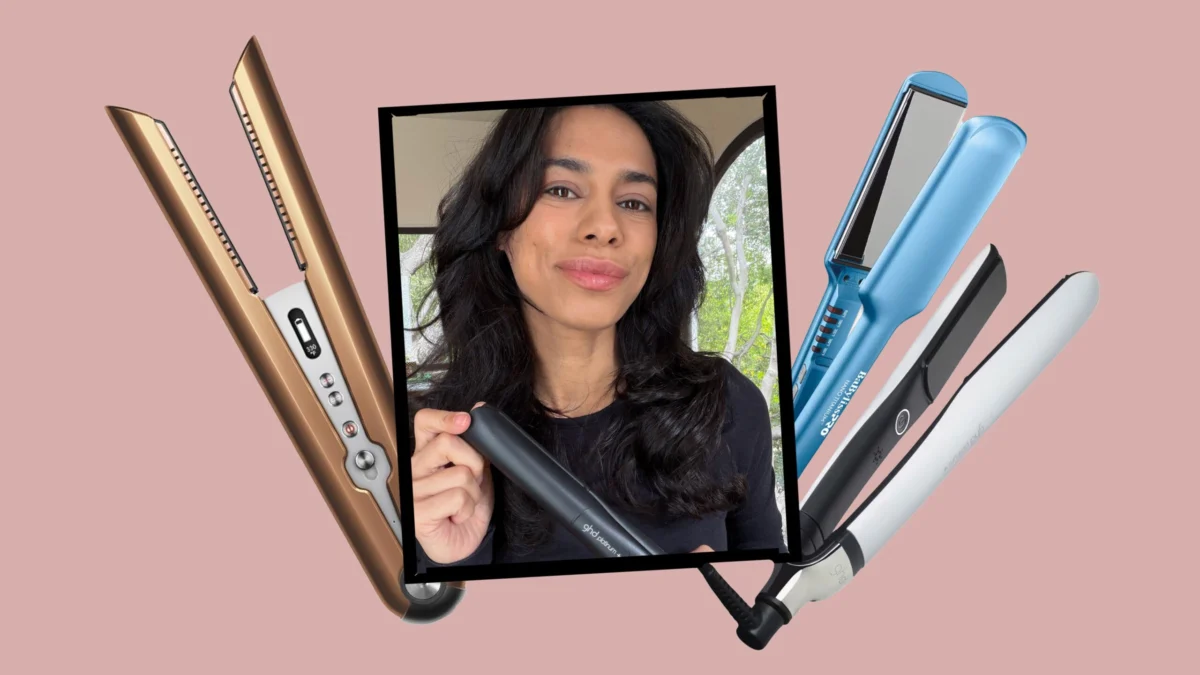
The pursuit of sleek, smooth hair often leads individuals to consider using hair straighteners, also known as flatirons. While the application of high heat to delicate hair strands might seem counterintuitive to maintaining hair health, experts emphasize that these styling tools can be used safely and effectively with the right knowledge and techniques. This comprehensive guide delves into the mechanics of hair straighteners, provides crucial advice on minimizing heat damage, and offers insights into selecting the most suitable tool for individual hair types, drawing on the expertise of leading hairstylists.
Understanding Hair Straighteners: Safety and Application
Hair straighteners are designed to temporarily alter the hair’s structure by breaking down hydrogen bonds within the hair’s cortex. This process, facilitated by heated plates, allows the hair to be reshaped into a straighter form. Once the hair cools or is exposed to moisture, these bonds reform, and the hair reverts to its natural state. Joseph Maine, a Los Angeles-based hairstylist, underscores the importance of correct usage. "The key is to use them on dry hair and ideally as a finishing tool," Maine advises. "I typically recommend smoothing with a round brush before straightening. Always apply a heat protectant before styling to shield your strands from high temperatures." He further stresses the necessity of maintaining clean tools, stating, "It’s important to keep the flatiron clean to ensure it heats evenly and doesn’t snag your hair." This meticulous approach to usage is fundamental to preventing potential damage.
Mitigating Heat Damage: A Proactive Approach
The specter of heat damage looms large for many users of hair straighteners. However, this concern is largely avoidable through the selection of high-quality tools and the implementation of a proper preparation routine. The market is replete with flatirons at various price points, but experts caution against prioritizing cost over quality. Low-quality heated tools, regardless of their price tag, can rapidly lead to compromised hair integrity, including scorched strands and breakage. Investing in a reputable tool is therefore paramount when dealing with high-temperature styling.
Key features to look for in a quality hair straightener include multiple heat settings, allowing users to tailor the temperature to their specific hair type and needs. The material of the plates also plays a significant role. Ceramic, titanium, or a combination of both are the most commonly recommended for their efficacy and heat distribution properties.
Beyond the tool itself, the consensus among hairstylists is that the most critical element in preventing heat damage is the consistent use of a heat protectant. Kaprisha Gipson, a New York City-based hairstylist, likens these products to a "lightweight shield that keeps the cuticle sealed while the heat does its work." Heat protectants create a protective barrier over the hair strands, reducing friction between the hair and the heated plates. This barrier is essential in preventing moisture loss and averting the brittleness that can result from prolonged exposure to extreme temperatures.
Devin Toth, another New York City-based hairstylist, offers a procedural tip: avoid passing over the same section of hair multiple times. "It’s better to go over it once, slowly," he explains. "People tend to have more damage in their face-framing area of hair because they hit it with the iron too many times to get it just right." This focused, single-pass approach minimizes cumulative heat exposure on vulnerable sections.
Temperature control is another critical factor. While 365 degrees Fahrenheit is often cited as an optimal temperature to avoid burning, Toth notes that this is a general guideline and the ideal setting is highly dependent on individual hair types. "Fine hair generally needs much less heat than coarse hair or curly textures," states Eddie Parra, a New York City-based hairstylist. This personalized approach to temperature selection is vital for safeguarding hair health.
The Science Behind Straightening: How Flatirons Work
The efficacy of hair straighteners lies in their ability to temporarily manipulate the hair’s molecular structure. As Maine explains, "Flatirons work by using heated plates to temporarily alter the structure of your hair, making it straight." The heat from the plates initiates a chemical reaction that breaks the hydrogen bonds within the keratin protein that forms the hair shaft. This bond breakage allows the hair to be reshaped. Upon cooling, these bonds re-form, setting the hair in its new, straighter configuration. The materials used in the heated plates, such as ceramic, titanium, or tourmaline, influence how heat is distributed and how quickly the straightening process occurs, with each offering distinct advantages.
Ceramic vs. Titanium Plates: A Comparative Analysis
The choice between ceramic and titanium plates is a frequent point of consideration for consumers. Both materials are effective in straightening hair, but they cater to different needs and hair types.
Ceramic plates are generally considered the gentler option, making them suitable for a wide range of hair types, particularly fine, fragile, or color-treated strands. As Parra notes, "Ceramic plates reduce the risk of hot spots that can burn the hair." This even heat distribution minimizes the likelihood of localized overheating and subsequent damage.
Titanium plates, on the other hand, are known for their ability to heat up quickly and deliver faster, straighter results. However, their intense heat can be too aggressive for finer hair types. "Titanium plates deliver smooth and shiny hair that is noticeable under any lights; they deliver heat very quickly, and usually a professional would use these types of straighteners," explains stylist Luis. Consequently, titanium plates are often recommended for individuals with thicker, more resilient hair types that can withstand higher temperatures without significant damage.
Selecting the Right Tool: A Personalized Approach
Choosing a hair straightener is not a one-size-fits-all decision. The ideal tool is one that aligns with an individual’s specific hair type, texture, and desired styling outcomes.
For those with fine or damaged hair, Maine recommends prioritizing flatirons with adjustable heat settings to prevent overheating. He reiterates the benefits of ceramic plates for their "even heat distribution without getting too hot." Conversely, for individuals with thicker or coarser hair, a straightener with titanium plates is often the preferred choice, as they "can handle higher heat and manage frizz more effectively."
Beyond plate material, plate size and shape are crucial considerations, as highlighted by Toth. "The wider the plate, the straighter the hair will look. So if you like to really bend and bevel the ends of your hair, then choose a narrower plate," he advises. Maine elaborates on this, explaining that "a wider plate can straighten more hair at a time, which is useful for thicker hair, while a narrower plate is better for short hair, detailed styling like bangs, or achieving specialized styles like flatiron waves or curls." This versatility in plate design allows for a range of styling possibilities, from all-over straightening to intricate detailing.
Furthermore, Maine suggests examining the plate edges. "If the plates of the flatiron are slightly protruding out of the iron and the edges of the plates are beveled, then you will be able to effortlessly make curls with this tool," he states. "If the plates are not protruding with beveled edges, then the iron is mainly designed for straightening hair." This feature directly impacts the tool’s ability to perform tasks beyond simple straightening, offering added value for users who enjoy experimenting with different hairstyles.
Expert Insights and Testing Methodologies
The insights provided by hairstylists such as Joseph Maine, Kaprisha Gipson, Devin Toth, and Eddie Parra are invaluable. These professionals, through their daily work and extensive experience, offer practical, evidence-based advice that empowers consumers to make informed decisions about their hair care.
In the realm of product testing and reviews, particularly for hair-care items and tools, a rigorous and inclusive methodology is essential. As Allure’s review process details, these products are often designed for specific consumer needs, making it imperative to test them across a diverse range of hair textures, lengths, curl patterns, thicknesses, colors, and concerns. For hair tools, tester experience levels are also taken into account. A product that is intuitive only for professional hairstylists might not be deemed suitable for a general consumer recommendation, even if it features advanced technology.
For the evaluation of hair straighteners, a comprehensive approach involves multiple editors, writers, contributors, and, crucially, hairstylists with varied hair types and desired styling outcomes. These testers assess performance across key categories: efficacy (how well it straightens), safety (potential for damage), ease of use (user-friendliness), and value (overall worth for the price). This multi-faceted testing ensures that recommendations are robust, reliable, and relevant to a broad audience. The commitment to a diverse testing pool, spanning different ages, skin tones, hair textures, genders, and backgrounds, is fundamental to Allure’s editorial integrity, ensuring that every recommendation is fairly assessed and genuinely beneficial to its readership. This dedication to comprehensive testing and expert consultation underscores the importance of informed choices in maintaining hair health while achieving desired styles.