







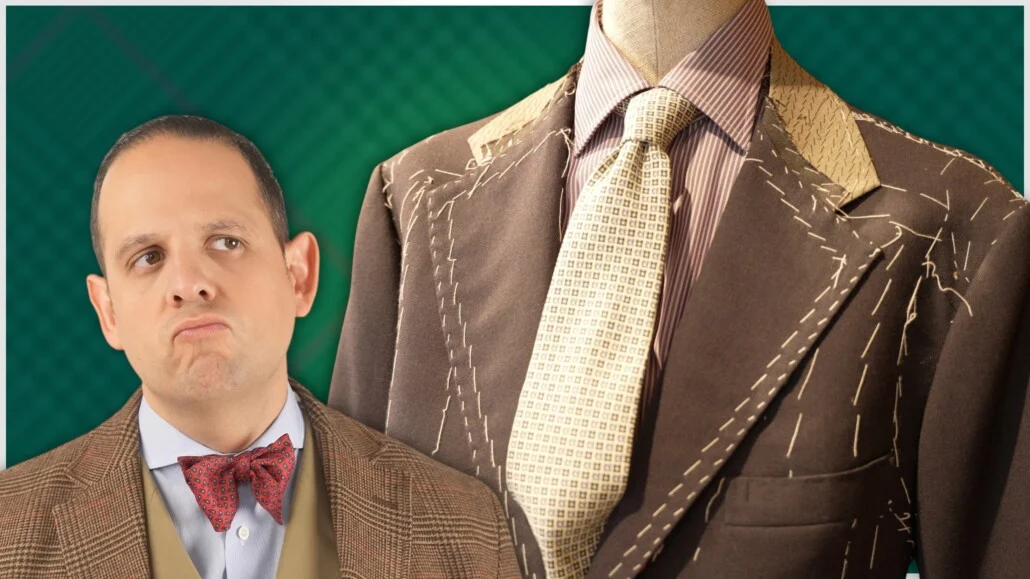
Neapolitan tailoring is often praised for its softness, lightness, and easy elegance, a reputation that has cemented its place as a cornerstone of global menswear. But to truly understand what imbues a jacket or trouser with that distinctly Neapolitan character requires a deeper dive beyond mere terminology, exploring the visual and tactile qualities that define this celebrated sartorial tradition. In a recent investigative journey to Naples, Raphael, from Gentleman’s Gazette, embarked on a comprehensive mission to unravel these intricacies, engaging directly with master tailors from some of the city’s most respected sartorie. His second installment of findings offers an invaluable window into the hallmarks of Neapolitan style, captured through direct discussions and close-up examinations of garments. The full video documentation of these exchanges allows enthusiasts and professionals alike to witness these details firsthand, hearing directly from the artisans who explain the philosophy and execution of their unique craft.
The essence of Neapolitan tailoring, as articulated by its practitioners, transcends simple definitions; it is an experience, a movement, a feeling. Its most significant qualities are not just intellectual concepts but rather tangible attributes: the remarkable softness of the shoulder, the barely-there lightness of the internal canvas, the elegant roll of the lapel, the welcoming openness of the front quarters, and, crucially, the way the entire garment responds and moves in harmony with the wearer’s body. These elements combine to create an aesthetic that is both impeccably refined and supremely comfortable, a delicate balance that has captivated discerning clients worldwide.
The Foundational Principles: Comfort, Movement, and Unstructured Elegance
At its core, Neapolitan tailoring champions a philosophy where comfort is not a compromise but an integral component of elegance. Unlike more rigid Northern European traditions, which often prioritize a structured, imposing silhouette, Neapolitan garments are designed to move with the body, almost like a second skin. This approach is deeply rooted in Naples’ warm climate, where heavy, restrictive clothing would be impractical. The result is a jacket that feels easy to wear, allowing for natural movement without sacrificing sartorial sophistication.
Expert tailors interviewed during Raphael’s trip consistently highlighted several key features that define Neapolitan jackets and trousers. Foremost among these is the inherent balance between minimal structure and pervasive softness. This is achieved through specific construction techniques:
- Light Internal Construction: The use of minimal padding, often eschewing shoulder pads entirely or employing very thin ones, is paramount. Canvassing, the internal structure that gives a jacket its shape, is typically soft and supple, allowing the fabric to drape naturally over the body rather than imposing a rigid form. Many Neapolitan jackets are either unlined or half-lined, further reducing weight and enhancing breathability.
- High Armholes: A seemingly minor detail, high armholes play a crucial role in comfort and movement. By positioning the armhole closer to the body, the tailor ensures that the jacket’s body remains undisturbed when the wearer moves their arms. This prevents the fabric from pulling across the back or lifting the entire jacket, contributing to a clean silhouette and unrestricted mobility.
- Soft Shoulders: This is arguably the most recognizable hallmark. The spalla camicia (shirt shoulder) is a prime example, where the sleeve is attached in a manner reminiscent of a shirt sleeve, creating subtle ripples or puckering at the sleeve head. This technique, along with the absence of significant padding, allows the shoulder line to follow the natural contour of the wearer, presenting a relaxed and fluid profile.
- Open Front Quarters: The front panels of a Neapolitan jacket often feature a distinct ‘openness’ or ‘cutaway’ towards the bottom, particularly when the jacket is buttoned. This stylistic choice enhances the relaxed feel and allows for easier movement, preventing the jacket from feeling restrictive around the hips.
Understanding these elements visually and tactually is critical, particularly for those who have encountered terms like spalla camicia or barchetta but seek a concrete understanding of their manifestation in a finished garment. The discussions with the Neapolitan sartorie underscore that these are not merely decorative choices but functional design decisions, each contributing to the jacket’s overall comfort, elegance, and unique character.
The Vocabulary of Neapolitan Sartorialism: Decoding Key Features
To truly appreciate Neapolitan tailoring, one must familiarize themselves with its distinctive vocabulary, each term representing a specific technique or aesthetic choice that contributes to the style’s unique identity.
- Spalla Camicia (Shirt Shoulder): As mentioned, this translates to "shirt shoulder" and refers to a soft, unpadded shoulder construction where the sleeve head is sewn into the armhole with a slight excess of fabric, creating characteristic puckering. This technique provides unparalleled comfort and a natural, relaxed drape, making the jacket feel less like armor and more like a finely tailored shirt. It is a direct rejection of the heavily padded, structured shoulders found in other tailoring traditions.
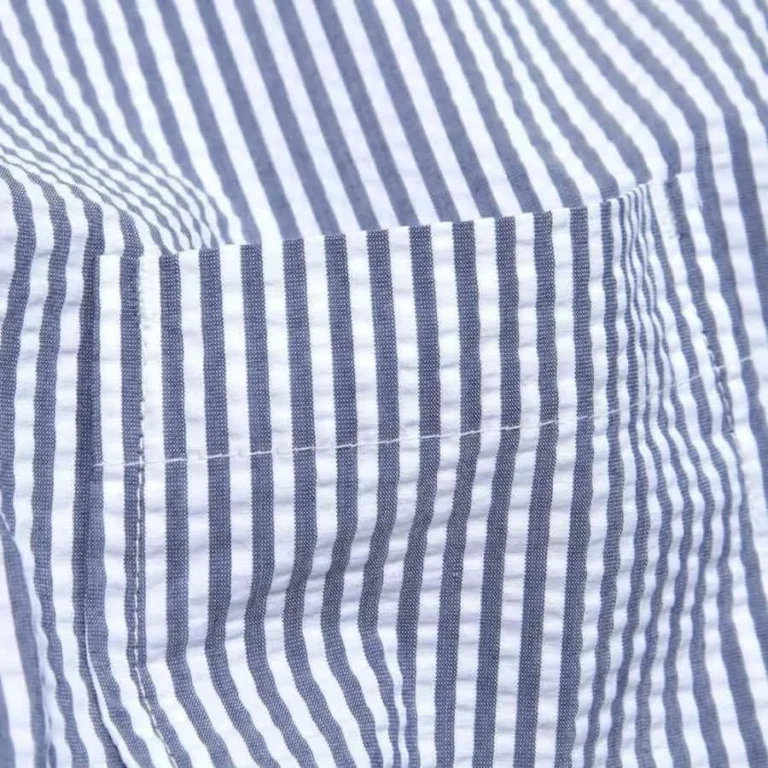
- Barchetta Pocket: Meaning "little boat," the barchetta is a gently curved breast pocket that subtly mimics the elegant lines of a boat’s hull. This detail, often hand-sewn, exemplifies the Neapolitan attention to organic, fluid shapes and soft lines, eschewing sharp angles for a more natural aesthetic. It is a signature flourish that adds a touch of understated sophistication.
- Three-Roll-Two Jacket: This refers to a jacket with three buttons, but where the lapel is designed to roll gracefully over the top button, effectively making it function and appear as a two-button jacket. This construction creates a long, elegant lapel line and a soft, continuous roll, contributing to the garment’s effortless drape and classic appeal. It speaks to a preference for fluid lines over rigid button placements.
- Patch Pockets: While not exclusive to Neapolitan tailoring, patch pockets are a common feature, particularly on sport coats and less formal suits. These pockets, sewn onto the outside of the jacket rather than being integrated into the lining, reinforce the relaxed character of the garment. They align perfectly with the overall philosophy of ease and informality that defines much of Neapolitan style.
- Neapolitan Trousers: While jackets often take center stage, Neapolitan trousers also exhibit specific characteristics. Many classic versions feature a higher rise, designed to sit comfortably at the natural waist, creating a longer leg line. Pleats (single or double) are common, offering additional comfort and drape, while side adjusters or suspender buttons often replace belt loops for a cleaner waistband. The leg is typically gently tapered, maintaining a clean line without being overly narrow, ensuring both comfort and a flattering silhouette.
Historical Context and Evolution: Naples as a Sartorial Nexus
The distinct character of Neapolitan tailoring is not accidental; it is the product of historical, cultural, and environmental factors. Naples, with its vibrant port city atmosphere and consistently warm climate, developed a sartorial identity that diverged from the more formal, structured styles of London or even Northern Italy. From the early 20th century, Neapolitan tailors began to refine a style that prioritized comfort and practicality without sacrificing elegance. This was a direct response to the needs of local aristocracy and businessmen who desired sophisticated attire suitable for the Mediterranean heat and a more active, less formal lifestyle.
Key figures and pioneering sartorie in Naples played a crucial role in shaping and popularizing this unique aesthetic. They challenged the prevailing notions of what constituted a well-made suit, advocating for lighter fabrics, minimal interlinings, and constructions that allowed for unprecedented freedom of movement. This evolution wasn’t a sudden revolution but a gradual refinement, passed down through generations of master craftsmen, each adding their subtle interpretations while preserving the core tenets. The city became a crucible for innovation in soft tailoring, attracting discerning clients from across Italy and eventually, the world.
The Broader Impact: Global Influence and Economic Significance
The influence of Neapolitan tailoring extends far beyond the sun-drenched streets of Naples. In recent decades, its relaxed elegance has profoundly impacted global menswear trends, contributing to a broader shift towards more comfortable and versatile formalwear. As the lines between work and leisure attire blur, the Neapolitan approach offers a compelling blueprint for garments that are both professional and personable, suitable for a range of occasions.
Economically, the tailoring industry remains a vital part of Naples’ cultural heritage and local economy. The city’s sartorie, from multi-generational ateliers to emerging bespoke houses, employ skilled artisans who perpetuate a craft that demands precision, artistry, and years of apprenticeship. This commitment to traditional, hand-crafted production stands in stark contrast to mass-produced garments, positioning Neapolitan tailoring at the pinnacle of artisanal luxury. The demand for bespoke and made-to-measure Neapolitan garments continues to grow internationally, with clients seeking the unparalleled fit, comfort, and distinctive style that only these master tailors can provide. This sustained global interest underscores the economic viability of preserving traditional craftsmanship in an increasingly automated world.
Moreover, the emphasis on direct engagement with master tailors, as demonstrated by Raphael’s trip, highlights the importance of preserving intangible cultural heritage. The knowledge, techniques, and philosophies embodied by these artisans are invaluable, and their documentation serves not only to educate but also to inspire new generations of craftsmen and discerning consumers. The discussions reveal that while the core principles remain constant, each sartoria often maintains subtle differences in its "house style," a testament to the personalized nature of bespoke tailoring and the artistic expression of individual masters. These nuances, from the precise curve of a lapel to the exact tension in a seam, are what elevate Neapolitan tailoring from a mere garment to a wearable work of art.
Conclusion: An Enduring Legacy of Refined Comfort
The journey into the heart of Neapolitan tailoring, guided by the insights of its master practitioners, reveals a world where elegance is intrinsically linked to comfort and natural movement. It is a tradition built on a profound understanding of the human form and a dedication to crafting garments that enhance, rather than restrict, the wearer. From the distinctive spalla camicia to the gentle curve of a barchetta pocket, every detail serves a purpose, contributing to an overall aesthetic of sophisticated ease.
Raphael’s in-depth exploration provides a crucial resource for anyone wishing to move beyond superficial understanding to a true appreciation of this iconic style. By witnessing the craft up close and hearing the tailors explain their methods, one gains not just knowledge, but an intimate connection to a living art form. Neapolitan tailoring stands as a testament to the enduring value of artisanal skill, a beacon of refined comfort that continues to shape and inspire the global landscape of men’s fashion, affirming its status as a timeless benchmark for sartorial excellence.