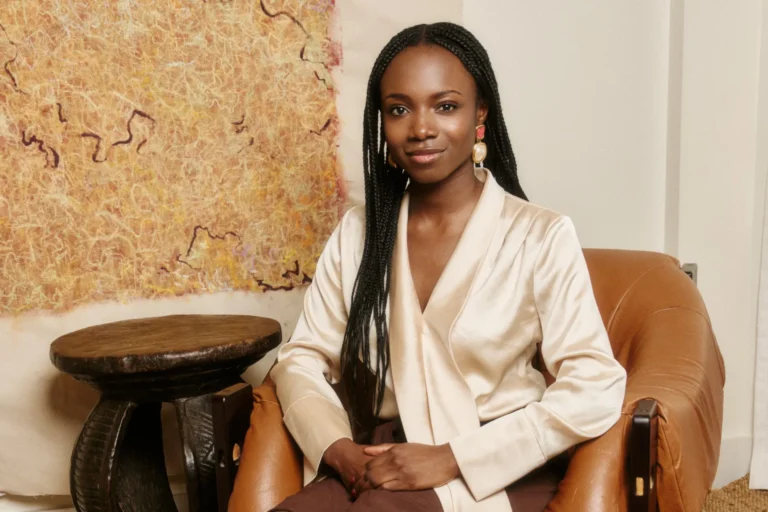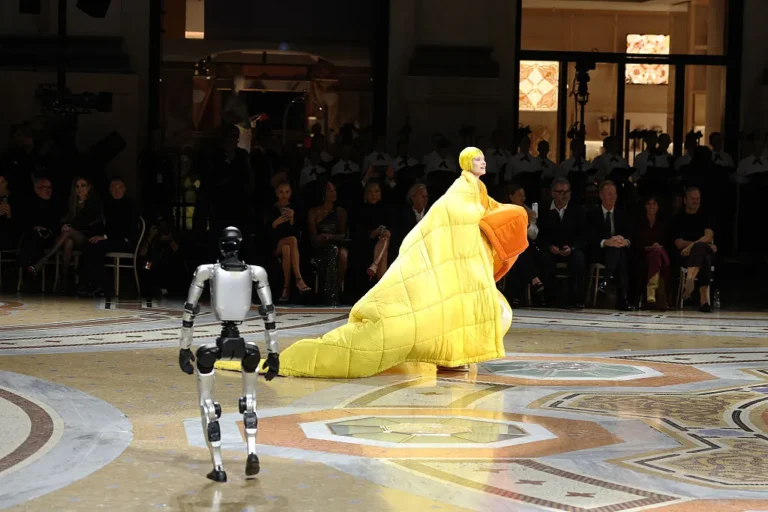







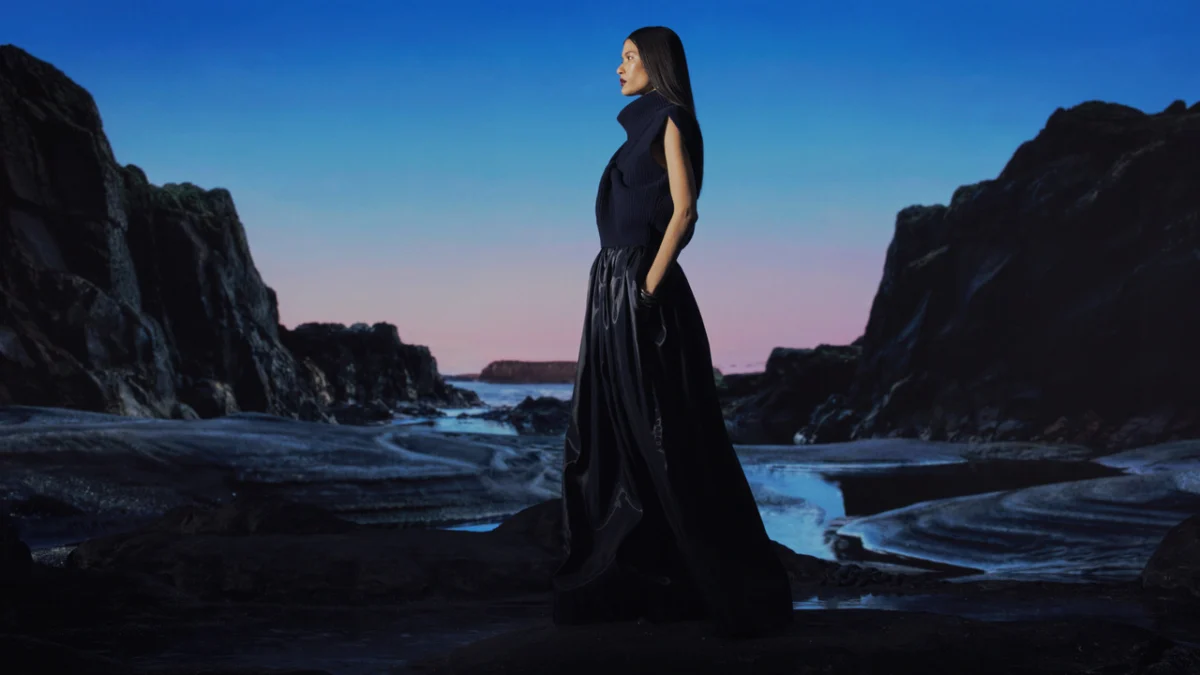
The intersection of haute couture and high technology reached a new milestone this Saturday at New York Fashion Week as designer Kate Barton unveiled her latest collection. In a strategic departure from traditional runway presentations, Barton collaborated with Fiducia AI to introduce a sophisticated, multilingual AI agent designed to bridge the gap between the physical garment and the digital consumer experience. Powered by IBM watsonx on the IBM Cloud, this digital interface represents a significant leap in how luxury brands engage with a global audience, offering real-time identification of collection pieces and photorealistic virtual try-on capabilities.
The presentation serves as a high-profile case study for the "visual AI lens," a production-grade activation that allows guests to interact with the collection through their mobile devices. By leveraging the data processing power of IBM’s infrastructure, the AI agent can detect specific silhouettes, fabrics, and design elements from Barton’s new line, answering complex queries in any language via both voice and text. This integration moves beyond the novelty of previous fashion-tech experiments, aiming instead to create a seamless "portal" into the designer’s creative universe.
Technical Architecture and the Role of IBM Watsonx
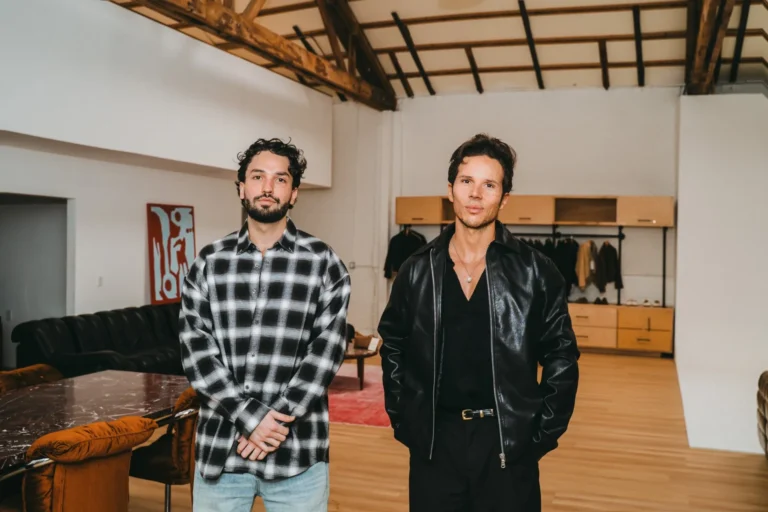
The backend of Barton’s fashion-forward AI was engineered by Fiducia AI, led by founder and CEO Ganesh Harinath. To achieve the level of responsiveness and visual fidelity required for New York Fashion Week, the team utilized a robust stack of IBM technologies, including IBM watsonx, IBM Cloud, and IBM Cloud Object Storage. Watsonx, IBM’s enterprise-grade AI and data platform, provided the foundation for the agent’s generative capabilities and visual recognition models.
Harinath noted that the primary challenge of the project was not the training of individual models, but rather the "orchestration" of various AI components to work in concert during a high-pressure live event. The system had to be capable of processing visual data from the runway or showroom floor, cross-referencing it with the collection’s metadata, and generating a photorealistic virtual representation of the garment on the user’s likeness. This required low-latency processing and high-bandwidth data handling, facilitated by IBM’s global cloud infrastructure.
The visual AI lens is designed to be more than a search tool; it is an interactive stylist. When a guest points their device at a garment, the AI identifies the piece and can immediately provide information on the materials used, the inspiration behind the design, and availability. The multilingual component ensures that international buyers and media can access this information in their native tongues, removing the traditional language barriers that often exist during global fashion circuits.
A Chronology of Fashion and Artificial Intelligence
Kate Barton’s foray into artificial intelligence is not an isolated incident but part of a calculated, multi-season evolution. Last season, the designer experimented with AI-generated models and digital twins, also in partnership with Fiducia AI. That initial experiment focused on the conceptual side of the technology—exploring how AI could assist in the visualization of garments before they were physically constructed.
The current Saturday presentation represents the second phase of this technological roadmap: the deployment of AI as a consumer-facing engagement tool. The timeline of Barton’s integration suggests a move from the "unreal" (digital-only assets) to a hybrid reality where technology enhances the physical product.
This progression mirrors the broader history of New York Fashion Week’s relationship with technology. In the early 2010s, the industry grappled with the "see now, buy now" movement, which utilized early e-commerce tools to shorten the gap between the runway and the wardrobe. By 2018, brands began experimenting with augmented reality (AR) mirrors. Barton’s 2025/2026 approach, however, is distinct because it incorporates generative AI and natural language processing, allowing for a two-way dialogue between the brand and the observer.
Market Context and the Shift Toward Operational AI
While Barton’s use of AI is highly visible, it occurs against a backdrop of quiet, widespread adoption within the fashion industry. According to recent market analysis, the global AI in fashion market was valued at approximately $1.5 billion in 2023 and is projected to grow at a compound annual growth rate (CAGR) of nearly 40% through 2030.

Barton observed that many of her peers are already utilizing AI, albeit behind the scenes. Brands are increasingly relying on machine learning for supply chain optimization, trend forecasting, and inventory management. The hesitation to bring AI into the public-facing "creative" side of the business often stems from reputational risks, including concerns over intellectual property and the potential alienation of traditionalists who value the "human touch."
The current atmosphere in the fashion world draws parallels to the late 1990s and early 2000s, a period when luxury houses were notoriously skeptical of the internet. Initially, many designers viewed websites as a threat to the exclusivity of the brand. Eventually, the conversation shifted from whether a brand should have an online presence to how high the quality of that presence should be. Barton and Harinath argue that AI is currently at this same inflection point.
Industry Perspectives: AI as a Growth Engine
The implementation of AI at New York Fashion Week has drawn praise from technology consultants who see it as a necessary evolution for retail survival. Dee Waddell, the Global Head of Consumer, Travel, and Transportation Industries at IBM Consulting, emphasized that AI is transitioning from a "feature" to a "growth engine."
"When inspiration, product intelligence, and engagement are connected in real time, AI moves from being a feature to becoming a growth engine that drives measurable competitive advantage," Waddell stated. For a brand like Kate Barton, this means the ability to collect real-time data on which pieces are generating the most interest, which questions consumers are asking, and how virtual try-ons correlate with future purchase intent.
However, the industry remains divided on the ethical implications of AI. Barton herself is vocal about the need for "clear discourse, clear licensing, and clear credit." She maintains that the goal of her collaboration with Fiducia AI is to heighten craft rather than replace the artisans who construct the garments. This sentiment is echoed by many in the industry who fear that "automated fashion" could lead to a homogenization of style and the erasure of human labor.
Future Projections: 2028 and Beyond
Ganesh Harinath predicts that the use of AI in fashion will be fully normalized by 2028. By that time, the "novelty" of an AI agent at a fashion show will have faded, replaced by an expectation of digital interactivity. By 2030, Harinath expects AI to be embedded into the operational core of every major retail and luxury entity, managing everything from the initial sketch to the final point of sale.
The differentiator for brands in the coming years will likely be the "responsibility" with which they deploy these tools. As Barton noted, "If the technology is used to erase people, I am not into it." The success of future AI integrations will depend on whether they can "deepen storytelling" and "bring more people into the experience" without "flattening" the human creators involved.
Broader Implications for the Fashion Ecosystem
The Kate Barton and Fiducia AI presentation serves as a bellwether for several emerging trends in the fashion ecosystem:
- Democratization of the Front Row: By providing a multilingual AI agent, the brand allows a wider audience to understand the nuances of the collection, regardless of their proximity to the runway or their native language.
- Reduction of Returns: Virtual try-on technology, if executed with the photorealism promised by IBM watsonx, has the potential to significantly reduce the high return rates associated with luxury e-commerce by giving consumers a better sense of fit and drape.
- Enhanced Prototyping: While the NYFW presentation focused on the consumer, the underlying technology allows designers to visualize garments in various fabrics and environments instantly, potentially reducing the waste associated with physical samples.
As the curtains close on this season’s New York Fashion Week, the conversation surrounding Kate Barton’s collection is as much about the code as it is about the clothes. The collaboration demonstrates that for the modern designer, the "portal" to the world is no longer just a physical runway, but a sophisticated digital interface that translates the language of luxury into the language of the future. The most exciting future for fashion, as Barton concludes, is one where new tools are used to heighten human craft, ensuring that technology serves as a bridge rather than a barrier to the creative process.