








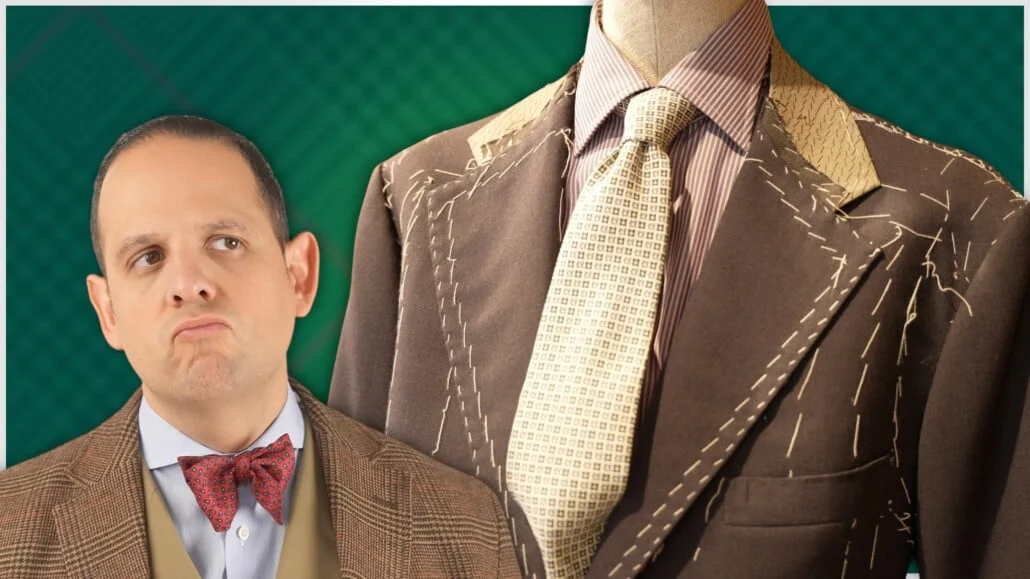
Neapolitan tailoring, a sartorial tradition synonymous with elegance, lightness, and an unparalleled ease of wear, remains a subject of intense fascination and occasional mystification for aficionados of classic menswear. In a recent significant endeavor to peel back the layers of this revered craft, Sven Raphael Schneider, founder of Gentleman’s Gazette, undertook a comprehensive journey to Naples, engaging directly with master tailors from some of the city’s most distinguished sartorie. This immersive experience forms the basis of a new installment in his series, aiming to dissect and illuminate the precise elements that confer upon a Neapolitan jacket or trouser its distinct and celebrated character.
Background to the Expedition: Unveiling Sartorial Secrets
Raphael Schneider’s expedition to Naples represents a deliberate effort to transcend mere terminology and provide tangible, visual, and tactile understanding of Neapolitan tailoring. For years, terms such as spalla camicia (shirt shoulder) or barchetta (little boat pocket) have permeated discussions among tailoring enthusiasts, yet their practical manifestation and underlying philosophy often elude those without direct exposure to the craft. Schneider’s initiative, documented in a series of detailed video discussions, seeks to bridge this gap, offering an intimate glimpse into the workshops and minds of the artisans who uphold this rich heritage. By engaging directly with these experts, the project aims to render the nuanced qualities of Neapolitan style—the softness of the shoulder, the lightness of the canvas, the elegant roll of the lapel, the openness of the front quarters, and the garment’s dynamic response to the wearer’s movement—accessible to a global audience.
The Historical Evolution of Neapolitan Tailoring
The distinct character of Neapolitan tailoring did not emerge in a vacuum; it is the product of centuries of evolution, deeply influenced by the city’s unique climate, cultural ethos, and a pragmatic approach to dressing. Naples, with its perpetually warm and often humid Mediterranean climate, necessitated garments that offered comfort and breathability, a stark contrast to the more rigid and heavily structured tailoring prevalent in northern European centers like London.
Tracing its origins back to the late 19th and early 20th centuries, Neapolitan tailoring began to diverge from the English style that dominated menswear. Local tailors, responding to the demands of their clientele—who favored comfort and fluidity without sacrificing elegance—started experimenting with lighter internal constructions. This period saw the gradual reduction of padding in shoulders and chest, the introduction of softer canvases, and an overall emphasis on a more natural drape. By the mid-20th century, the Neapolitan style had crystallized into a recognized aesthetic, championed by pioneering sartorie that prioritized comfort, mobility, and an understated yet refined appearance. This evolution cemented its status as a distinctive branch of bespoke tailoring, lauded for its ability to combine formality with an inherent sense of sprezzatura—an effortless grace.
Core Characteristics: A Deep Dive into Neapolitan Construction
The essence of Neapolitan tailoring lies in its meticulous details and a philosophical commitment to natural elegance. Several key features consistently define this style, making it distinguishable from other tailoring traditions.
-
Lightweight Construction and Soft Canvas: At the heart of a Neapolitan jacket is its internal architecture. Unlike its more structured counterparts, which might employ multiple layers of stiff canvas and padding, Neapolitan jackets utilize a much lighter, often unpadded or minimally padded, canvas. This choice significantly contributes to the garment’s overall lightness and softness, allowing it to conform more readily to the wearer’s body rather than imposing a rigid silhouette. The result is a jacket that feels less like a uniform and more like a second skin.
-
The Spalla Camicia Shoulder: Perhaps the most iconic hallmark of Neapolitan tailoring is the spalla camicia, or "shirt shoulder." This construction technique involves attaching the sleeve to the jacket armhole in a manner similar to how a shirt sleeve is sewn, with excess fabric gently gathered at the sleeve head. This creates characteristic small ripples or puckering, often referred to as "rain" or manica a camicia. The absence of shoulder pads (or minimal padding) and the specific way the sleeve is inserted contribute to an incredibly soft, natural shoulder line that follows the wearer’s anatomy, enhancing comfort and freedom of movement. It embodies the relaxed elegance central to the Neapolitan ethos.
-
High Armholes: Neapolitan jackets are distinguished by their high armholes, a seemingly subtle detail with profound implications for comfort and fit. High armholes allow the wearer to move their arms freely without the jacket body lifting or pulling across the back. This ensures that the garment maintains its elegant drape and remains comfortably in place, even during dynamic movements, a testament to the functional design inherent in Neapolitan craftsmanship.
-
The Roll of the Lapel and the Three-Roll-Two Configuration: The lapel of a Neapolitan jacket often exhibits a graceful, soft roll, contributing to its fluid aesthetic. A common feature, particularly in sport coats and less formal suits, is the "three-roll-two" (3-roll-2) button configuration. This design involves three buttons, but the lapel is artfully rolled to conceal the top button, effectively making the jacket appear and function as a two-button garment. This creates a longer, more elegant lapel line and a subtle, understated front closure.
-
Open Front Quarters: Neapolitan jackets typically feature "open front quarters," meaning the lower front panels of the jacket are cut to flare out gently, allowing for greater ease of movement and a more relaxed silhouette when seated. This design element further underscores the Neapolitan commitment to comfort and a less restrictive fit.
-
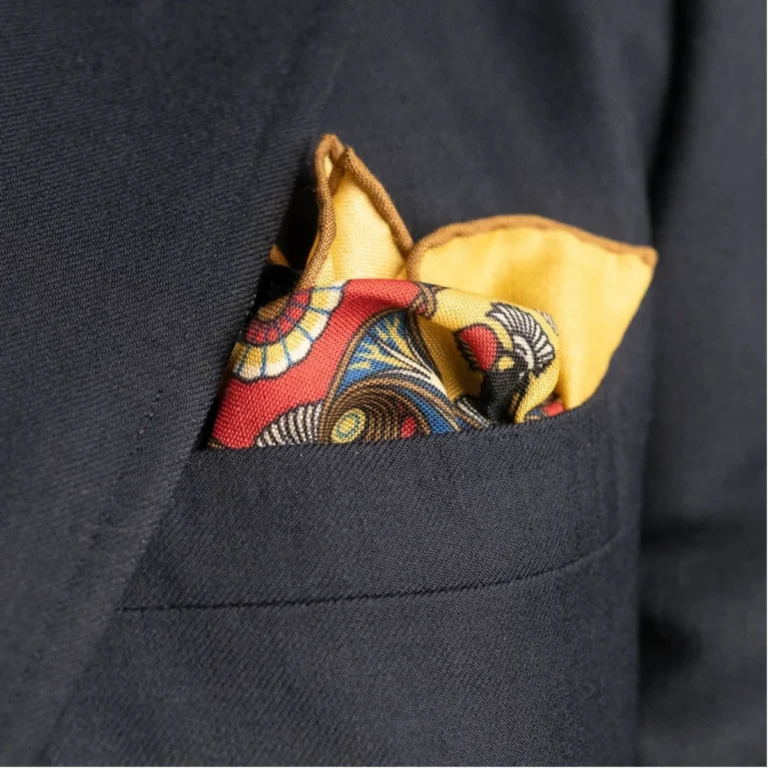
The Barchetta Pocket: The barchetta (meaning "little boat") breast pocket is another signature detail. Its gently curved, boat-like shape is a testament to the Neapolitan tailor’s eye for subtle artistry and adds a touch of distinctive elegance to the jacket’s chest.
-
Patch Pockets: While not exclusive to Neapolitan tailoring, patch pockets are frequently seen on Neapolitan sport coats and even some casual suits. They reinforce the garment’s relaxed character and complement the softer construction, aligning with the overall philosophy of comfortable, unpretentious elegance.
The Philosophy of Comfort and Movement
Central to the Neapolitan tailoring philosophy is the paramount importance of comfort. This is not merely an aesthetic choice but a foundational principle that dictates every aspect of the garment’s construction. The goal is to create a jacket that moves with the body, rather than restricting it. This emphasis on natural movement is achieved through a combination of light internal construction, high armholes, and a precise fit around the neck that allows the jacket to remain stable without feeling tight.
Experienced tailors, as highlighted in Raphael Schneider’s discussions, consistently articulate this balance between structure and softness. While often described as "unstructured," it’s more accurate to say Neapolitan jackets are lightly structured. There is still an underlying framework that gives the garment shape, but it is executed in a way that prioritizes ease and fluidity. This subtle interplay is what allows a Neapolitan jacket to drape elegantly while providing unparalleled freedom.
Distinguishing House Styles and Neapolitan Trousers
While core principles unite Neapolitan tailoring, individual sartorie often develop their unique "house styles," exhibiting subtle variations in cut, proportion, and specific detailing. These differences, visible to the trained eye, contribute to the rich tapestry of Neapolitan craftsmanship, allowing patrons to find a tailor whose aesthetic aligns perfectly with their personal preferences.
Neapolitan trousers, while perhaps less universally recognized for distinct features than the jackets, also embody the region’s sartorial ethos. Many classic Neapolitan trousers favor a higher rise, designed to sit comfortably at the natural waist, creating a longer leg line and a more traditional silhouette. Pleats, often single or double, are common, providing additional comfort and drape. Side adjusters or suspender buttons are frequently preferred over belt loops, reinforcing the clean lines and bespoke feel. The leg typically features a gentle taper, creating a streamlined yet comfortable profile that complements the relaxed elegance of the jacket.
Statements from the Artisans: Preserving a Legacy
The conversations with Naples’ master tailors, as documented by Sven Raphael Schneider, reveal a profound dedication to their craft and an unwavering commitment to the principles of Neapolitan tailoring. These artisans speak not just of techniques but of a philosophy—a way of dressing that prioritizes the wearer’s comfort and natural elegance above all else. They describe their work as a continuous pursuit of balance: between tradition and subtle innovation, between precision and fluidity, and between structure and the effortless drape. Their insights underscore the idea that Neapolitan tailoring is not merely about a list of features but about an intrinsic understanding of the human form and how fabric can best complement it. They view their role as custodians of a living heritage, ensuring that the unique qualities that define their craft are passed down through generations.
Broader Impact and Global Implications
The influence of Neapolitan tailoring extends far beyond the sun-drenched streets of Naples, impacting global menswear trends and contributing significantly to Italy’s reputation as a leader in luxury fashion. Its emphasis on lightness, comfort, and natural elegance has inspired countless designers and ready-to-wear brands worldwide, leading to a broader adoption of softer construction methods and less rigid silhouettes in contemporary suiting.
Economically, the sartorie of Naples represent a vital segment of the city’s artisanal economy. They attract an international clientele, bolstering local tourism and employment, and preserving traditional skills in an increasingly industrialized world. The global fascination with Neapolitan style also drives demand for high-quality Italian fabrics, further supporting related industries.
Culturally, Neapolitan tailoring stands as a powerful symbol of Italian craftsmanship and the enduring appeal of bespoke artistry. It embodies a particular approach to life—one that values comfort, beauty, and authenticity. As documented by initiatives like Raphael Schneider’s visit, the continuous exploration and explanation of these traditions ensure their relevance and appreciation for new generations of tailoring enthusiasts, solidifying Naples’ position as an undisputed capital of sartorial excellence. The journey to understand this craft is not merely about garments; it is about appreciating a profound cultural legacy, meticulously preserved and passionately practiced by its dedicated artisans.