





The seemingly tranquil city of A Coruña, nestled in the picturesque northwest corner of Spain, is quietly but profoundly asserting its influence on the global fashion landscape. Far from being merely a regional hub, this Galician port city has become a nexus where the commercial might of fast fashion meets high art, thanks largely to the presence of Inditex, the world’s largest fast-fashion retailer, and the visionary cultural initiatives of the MOP Foundation. This autumn, A Coruña is set to solidify its position further with a monumental exhibition dedicated to the work of the acclaimed British photographer David Sims, marking a significant moment for the city’s cultural trajectory.
A Coruña’s unique identity is deeply intertwined with Inditex, the conglomerate behind global powerhouses such as Zara, Pull&Bear, Massimo Dutti, Bershka, and Stradivarius. The vast majority of the city’s population is employed, directly or indirectly, by this retail giant, a fact visibly underscored by the presence of no fewer than nine Zara stores within A Coruña’s urban fabric alone. This pervasive influence has transformed a historic port into a nerve center of modern retail, dictating trends and manufacturing processes that resonate worldwide. However, A Coruña is not merely an industrial or commercial stronghold; it is a city steeped in rich cultural heritage. It boasts world-renowned seafood, a testament to its maritime traditions, and the iconic Tower of Hercules, the oldest working Roman lighthouse on the planet, a UNESCO World Heritage site that has guided sailors for nearly two millennia.
Amidst this blend of ancient history and contemporary commerce, the MOP Foundation, a non-profit library and exhibition space, has carved out a distinctive niche. Founded and chaired by Marta Ortega Pérez, daughter of Inditex founder Amancio Ortega and a key figure in the company’s leadership, the MOP Foundation serves as a cultural beacon, bringing a dose of luxury fashion and high art to the city. Its mission extends beyond mere display, aiming to enrich the local community through cultural engagement and to position A Coruña as a significant player in the international art and fashion dialogue.
Through the MOP Foundation’s ambitious programming, A Coruña has unexpectedly blossomed into a prominent Spanish hub for fashion photography. In recent years, the foundation has played host to critically acclaimed exhibitions showcasing the oeuvres of photographic titans such as Irving Penn, celebrated for his elegant portraiture and still lifes; David Bailey, an icon of Swinging London; the provocative Helmut Newton; the intimate and powerful Annie Leibovitz; and the influential Steven Meisel, known for his ability to shape fashion narratives. These retrospectives have not only attracted international attention but have also provided the Galician public with unparalleled access to some of the most defining images of the past century.
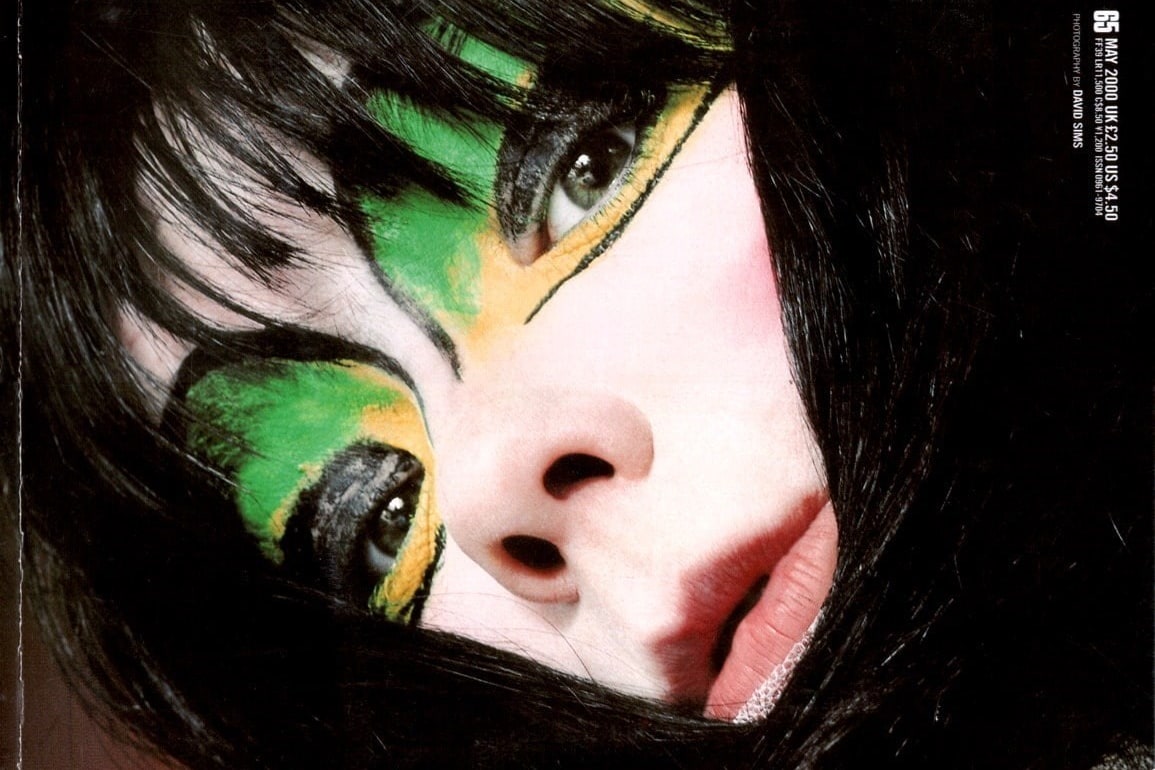
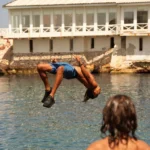
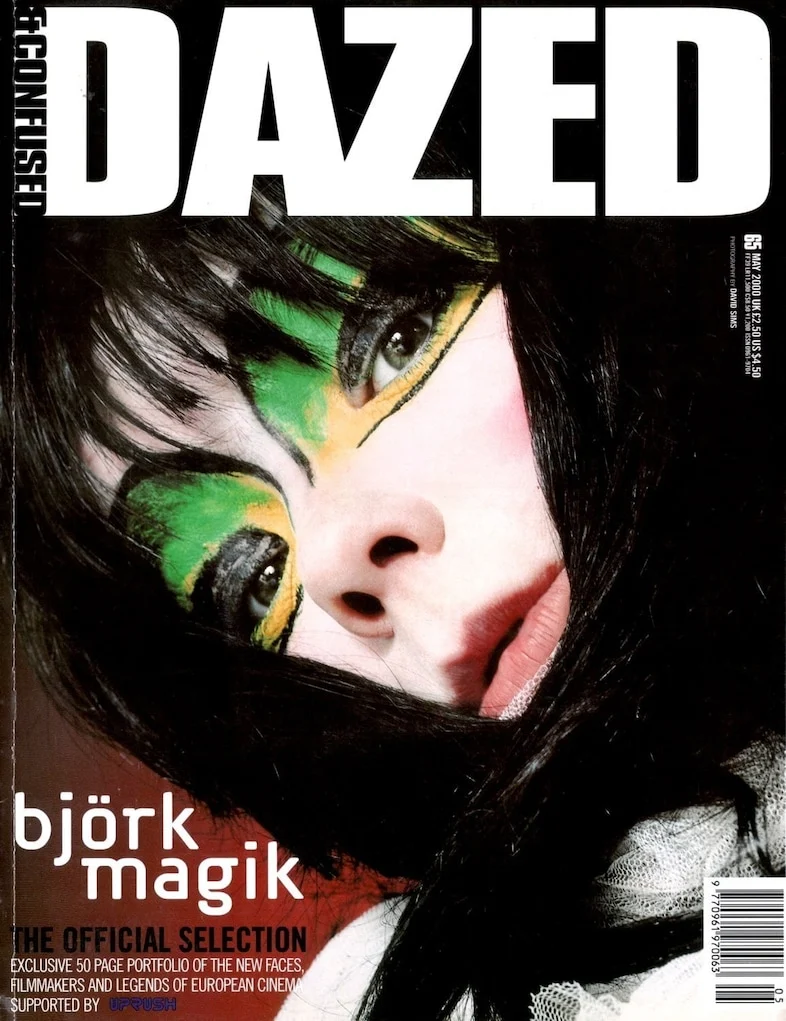
This burgeoning legacy is set to reach new heights with the announcement of a major retrospective dedicated to Sheffield-born photographer David Sims. Titled The Hamster Becomes The Problem, the exhibition will run from November 22, 2026, to May 1, 2027. This extensive showcase at the MOP Foundation promises to be a profound exploration of Sims’s illustrious career, spanning more than three decades. The curation will deliberately eschew a conventional chronological approach, instead presenting his work in an abstract, unexpected, and thematic fashion. This non-linear narrative aims to highlight the enduring impact and timeless quality of Sims’s photography, allowing viewers to trace his evolving aesthetic and conceptual prowess.
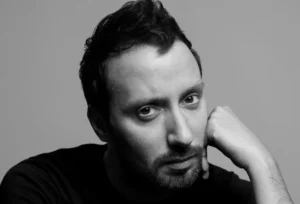
David Sims rose to prominence in the 1990s, becoming a pivotal figure in defining the visual language of the era. His work is characterized by a distinctive blend of minimalism, raw emotion, and an often-subtle subversion of traditional beauty standards. He is celebrated for his ability to capture a certain immediacy and authenticity, stripping away artifice to reveal the essence of his subjects and the clothing they wear. His photographs have graced the pages of influential fashion magazines worldwide, including British and American Vogue, W Magazine, i-D, and Dazed, and he has collaborated with an array of leading fashion houses, from Calvin Klein and Prada to Yohji Yamamoto and Alexander McQueen. Sims’s influence stems from his keen eye for casting, his innovative compositional techniques, and his capacity to distill complex fashion concepts into strikingly simple yet powerful images.
Marta Ortega Pérez, in her capacity as founder and chair of the MOP Foundation, articulated the significance of Sims’s work for the upcoming exhibition: "Over the course of his career, his images have brought together the people, attitudes and cultural movements that have defined generations, creating a body of work that remains as influential today as when it first appeared." This statement underscores the foundation’s commitment to presenting artists whose work transcends mere commercial photography to become cultural artifacts, reflecting and shaping societal shifts. The exhibition title itself, The Hamster Becomes The Problem, hints at the abstract and thought-provoking nature of Sims’s approach, promising an immersive experience that delves into the deeper meanings embedded within his visual narratives. The MOP Foundation’s official website provides further information and ticketing details, anticipating a strong international turnout for this significant cultural event.
Beyond A Coruña’s burgeoning art scene, the global fashion calendar continues its relentless pace, with significant events unfolding across the industry. The past week saw the conclusion of the Autumn/Winter 2026 couture shows in Paris, a biannual spectacle where designers present their most elaborate and artisanal creations. These shows are not merely about selling clothes; they are about showcasing the pinnacle of craftsmanship, setting aesthetic directions, and reaffirming the creative vision of each fashion house.
At Chanel, creative director Matthieu Blazy orchestrated a collection that was lauded as "the fellowship of Chanel," a poetic tribute to the house’s enduring codes and artisanal prowess. Blazy, known for his intellectual approach to design, likely presented a collection that fused heritage with contemporary relevance, emphasizing intricate detailing and a refined palette. Dior, under the creative direction of Jonathan Anderson, transformed its runway into a botanical dreamscape, with reports of "all fern and games," suggesting a collection inspired by nature, perhaps featuring organic textures, earthy tones, and fluid silhouettes that evoked natural beauty. Meanwhile, Balenciaga’s show, known for its avant-garde and often provocative presentations, saw social media personality Hudson Williams reportedly "overheating," a vivid anecdote that hints at the intensity, drama, and perhaps even the physical demands of attending such a high-profile, highly anticipated event. These couture showcases collectively offered a glimpse into the future of luxury fashion, reinforcing Paris’s undeniable status as the epicentre of haute couture.
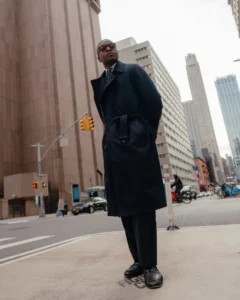
In the realm of ready-to-wear and emerging talent, London-based designer Torisheju, an alumna of Central Saint Martins and a resident at the prestigious Sarabande Foundation (established by the late Alexander McQueen), unveiled her Autumn/Winter 2026 campaign. Titled When It Rains, It Pours, the campaign, photographed by Sølve Sundsbø and styled by Ellie-Grace Cummings, presented a moody and ethereal aesthetic that perfectly encapsulated the collection’s themes. Sundsbø, known for his surreal and often dreamlike imagery, likely imbued the campaign with a sense of atmospheric depth, highlighting Torisheju’s innovative designs and unique vision. This release marks another milestone for the emerging designer, further solidifying her presence within the competitive London fashion scene.
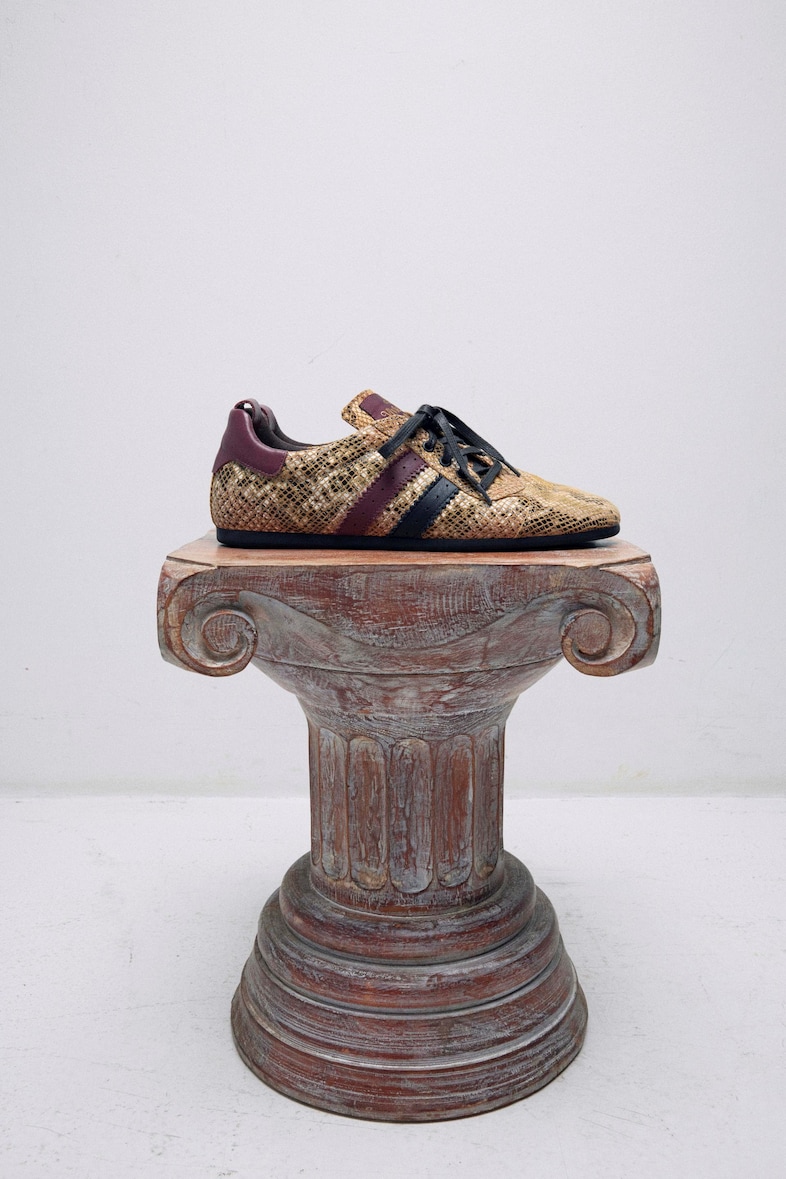
Footwear made a bold statement this week with Vivienne Westwood’s latest drop: the "drunken trainers." This release pays homage to the brand’s iconic "drunken" pattern cutting system, a hallmark of Westwood’s rebellious and deconstructed aesthetic, which involves distorting and twisting fabric to create unconventional silhouettes. Crafted from distressed leather, the trainers are available in classic black and a striking iridescent snakeskin, embodying the brand’s punk heritage and its commitment to unconventional design. The "drunken trainers" are more than just a shoe; they are a wearable piece of fashion history, reflecting Westwood’s enduring legacy of challenging norms and pushing boundaries in design. Their release underscores the brand’s continued relevance and its ability to infuse even everyday items with its distinct, subversive spirit.
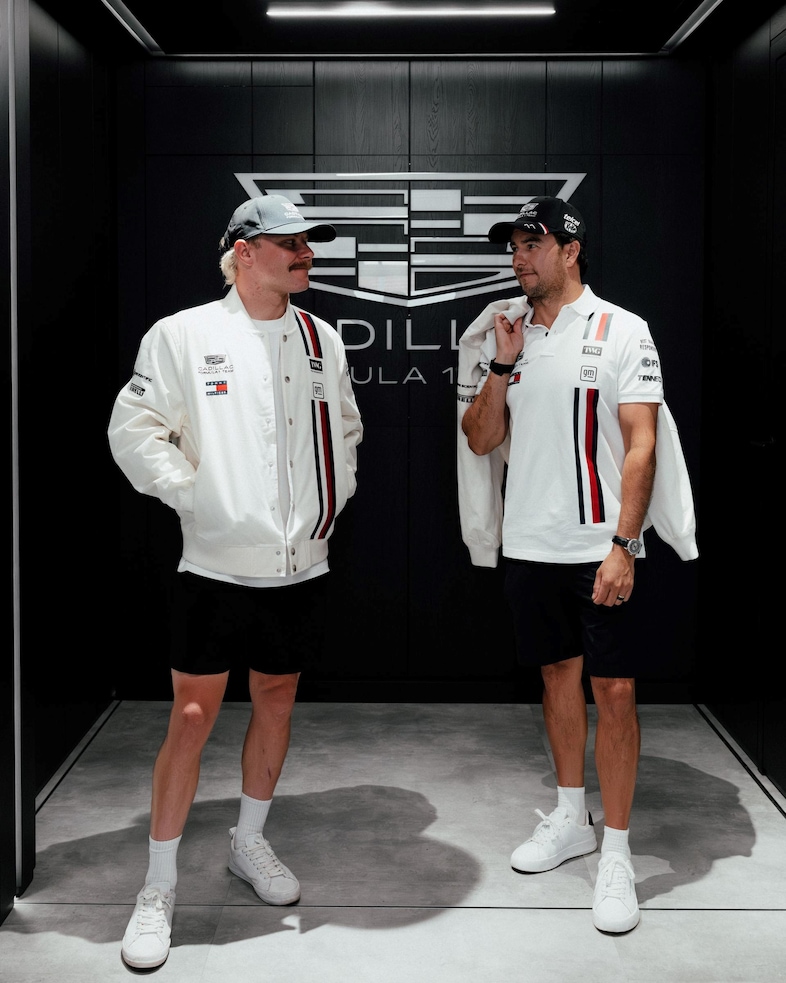
Motorsport and fashion converged as Tommy Hilfiger, a brand synonymous with classic American cool, took centre stage at Silverstone. While Cadillac’s F1 team may not have secured a podium finish at the British Grand Prix, Tommy Hilfiger certainly claimed the fashion prize. Ahead of the race, the brand launched a new fanwear collection, characterized by crisp whites and bold stripes, a clear nod to its signature aesthetic and the dynamic world of Formula 1. This strategic partnership with an F1 team allows Tommy Hilfiger to tap into a massive global audience, associating its brand with speed, precision, and high-performance, themes that resonate with its active lifestyle appeal. The collection’s visibility at Silverstone suggests it will make a significant return at the Hungarian Grand Prix, further cementing Hilfiger’s presence in the lucrative world of sports fashion.
Collaborations continued to capture industry attention, with Hunza G teaming up with artist Joe Sweeney. Known primarily for its distinctive crinkle-stretch swimwear, Hunza G demonstrated its versatility by expanding into holiday-wear essentials. The collaboration introduced a line of playful baby tees adorned with French culinary phrases like "JAMBON BEURRE" and "POULET ROTI." This unexpected yet charming partnership with Joe Sweeney, an artist whose work often features witty and pop culture-infused motifs, speaks to the growing trend of brands injecting humour and personality into their offerings. The immediate popularity of these t-shirts among the "It-crowd" highlights the power of clever collaborations and the appeal of niche, playful luxury items that offer a break from traditional fashion norms.
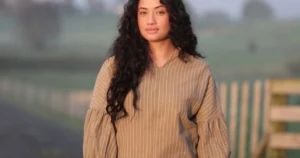
UGG, a brand traditionally associated with comfort and its iconic sheepskin boots, launched its "Dusty Orchid" collection, signalling a move towards broader aesthetic appeal. The collection features four of UGG’s popular styles reimagined in a fresh pink colourway. To model this vibrant new range, UGG enlisted fuchsia-haired pop sensation Adéla, whose bold personal style perfectly complements the collection’s energetic vibe. She was joined by rapper Molly Santana and Canadian model Paloma Sandoval, a diverse cast that reflects UGG’s efforts to appeal to a wider, more fashion-forward demographic. This strategic move showcases UGG’s adaptability and its desire to evolve beyond its classic image, embracing contemporary trends and expanding its product offering to attract new consumers.
Finally, the commitment to nurturing emerging talent was prominently displayed at Dover Street Market (DSM). The iconic multi-brand retailer, renowned for its curated selection of avant-garde and established designers, hosted the second annual Jewellery Market Summer Exhibition. Last night, DSM opened its doors to a new generation of jewellery designers, transforming its shop floor into a glittering showcase of innovative creations. This exhibition provides an invaluable platform for young graduates to present their work to a global audience, connecting them with industry professionals and discerning consumers. DSM’s initiative underscores its role not just as a retail space but as a vital incubator for creativity, fostering the future of design across various categories and ensuring a continuous influx of fresh perspectives into the luxury market.
Collectively, these events—from the high-art photographic retrospective in A Coruña to the cutting-edge couture shows in Paris and the dynamic brand collaborations—illustrate the multifaceted and constantly evolving nature of the global fashion industry. Each development, whether a major exhibition or a niche product launch, contributes to the rich tapestry of contemporary style and culture, reflecting both the commercial drivers and the creative aspirations that define modern fashion.