








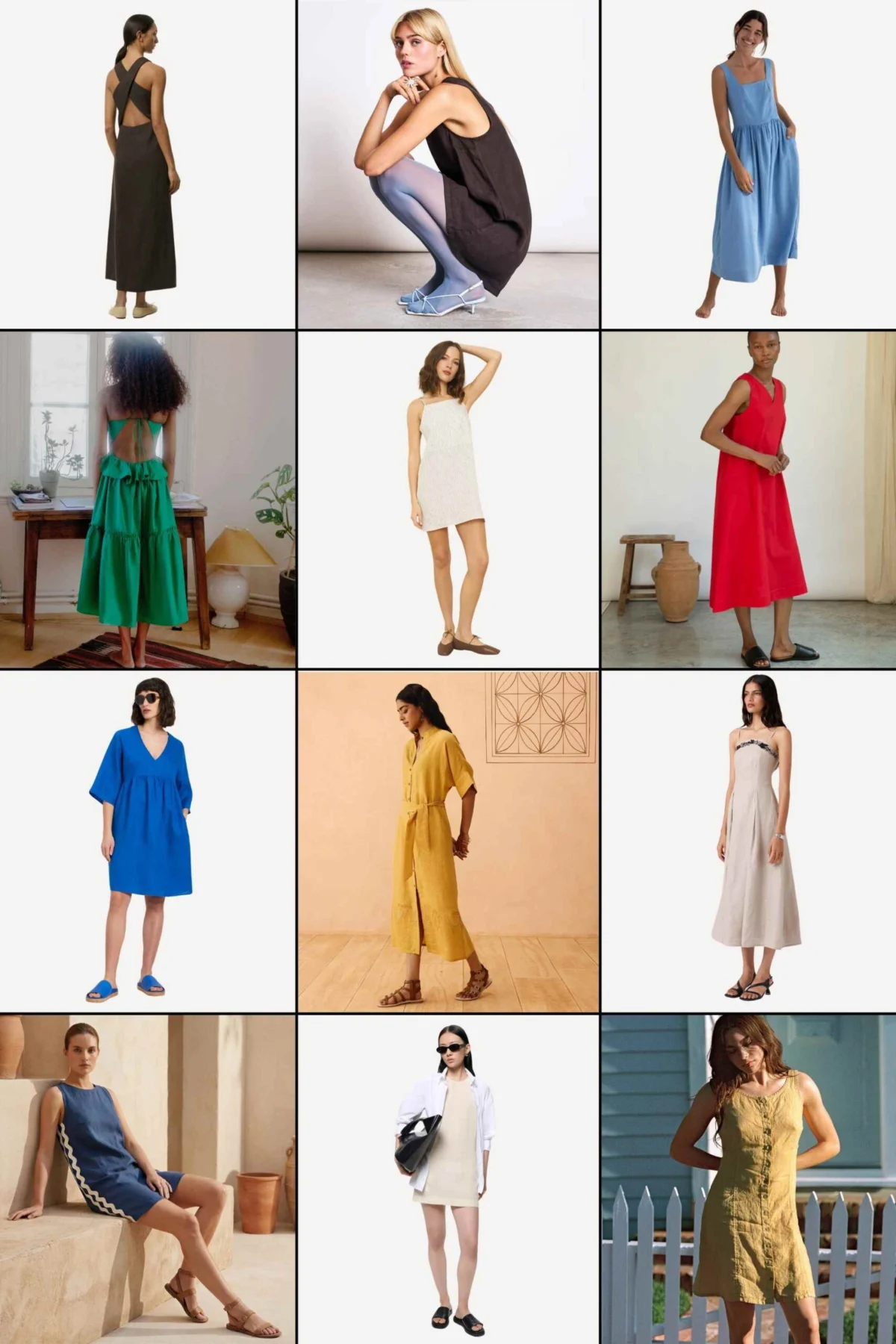
As global temperatures continue to rise, prompting widespread heat advisories, the demand for clothing that offers both comfort and a reduced environmental footprint has intensified. Within this evolving landscape, linen has firmly established itself as a premier material, not only for its inherent cooling properties but also for its significantly lower ecological impact compared to many conventional fabrics. This material, derived from the resilient flax plant, is increasingly at the forefront of sustainable fashion discussions, offering a compelling alternative for conscious consumers seeking durable, breathable, and ethically produced garments. Independent platforms, such as Good On You, are playing a crucial role in curating and endorsing brands that demonstrate verifiable commitments to environmental and social responsibility, providing a vital compass for navigating the complex terrain of sustainable sourcing. The focus on linen dresses, ranging from casual minis to elegant maxis, reflects a growing consumer appetite for versatile, season-appropriate attire that aligns with broader sustainability values.
The Enduring Appeal of Linen: A Historical and Environmental Perspective
Linen boasts a rich history, dating back thousands of years as one of humanity’s oldest cultivated fibers. Its natural strength, breathability, and moisture-wicking capabilities made it a staple in ancient civilizations, and these intrinsic qualities remain highly valued today, particularly in warmer climates. Beyond its functional advantages, modern analysis increasingly highlights linen’s environmental superiority. The flax plant (Linum usitatissimum), from which linen is derived, is remarkably self-sufficient. It thrives in diverse soil conditions, often requiring minimal irrigation and thriving on rainfall alone in many European regions, where a significant portion of the world’s flax is cultivated. This stands in stark contrast to conventional cotton, which is notoriously water-intensive, often requiring thousands of liters of water to produce a single kilogram of fiber. For instance, estimates suggest that producing one cotton t-shirt can consume up to 2,700 liters of water, whereas flax cultivation typically demands substantially less, often relying purely on rainwater in optimal conditions.
Cultivation Practices and Resource Efficiency
The cultivation of flax plants also necessitates considerably fewer pesticides and fertilizers compared to crops like cotton. Flax is naturally resistant to many pests and diseases, reducing the reliance on chemical inputs that can pollute soil and water systems and harm biodiversity. This inherent resilience contributes significantly to linen’s reputation as a "lower-impact" material. The plant’s lifecycle itself can contribute to soil health; as a rotation crop, flax can improve soil structure and nutrient content, benefiting subsequent agricultural yields. This regenerative aspect further solidifies its position as an environmentally sound choice in agricultural practices.
From Field to Fabric: Processing and Environmental Considerations
While flax cultivation is largely low-impact, the journey from plant to finished fabric involves several processing stages, some of which can introduce environmental concerns if not managed responsibly. The retting process, which separates the linen fibers from the plant’s stalk, traditionally involved soaking the flax in water (water retting) or leaving it in fields exposed to dew (dew retting). While dew retting is less resource-intensive, water retting, if not properly managed, can lead to water pollution. Modern techniques, including enzymatic retting, aim to reduce environmental impact.
The subsequent dyeing and finishing processes also warrant scrutiny. Conventional textile dyeing can be chemical-heavy, releasing toxic effluents into waterways. This is where certifications become critical. The Global Organic Textile Standard (GOTS) is a leading worldwide processing standard for organic fibers, encompassing ecological and social criteria. GOTS-certified organic linen ensures that the flax is grown without synthetic pesticides or genetically modified organisms, and that manufacturing processes minimize harmful chemicals, adhere to strict wastewater treatment protocols, and guarantee fair labor practices. Seeking out GOTS-certified linen is therefore a robust strategy for consumers aiming for the highest sustainability standards. Other certifications, such as Oeko-Tex Standard 100, focus on ensuring that the final product is free from harmful substances, while European Flax® certifies the traceability of premium quality flax grown in Western Europe, guaranteeing local farming and zero irrigation, zero GMO, and zero waste.
Beyond Biodegradability: The Lifecycle of Linen and Blended Fabrics
One of linen’s most celebrated environmental attributes is its natural biodegradability. In its pure, untreated form, linen can decompose relatively quickly and return its organic matter to the earth, minimizing landfill waste. However, this crucial benefit can be compromised by synthetic dyes, chemical finishes, and fiber blends. When linen is mixed with synthetic fibers like polyester, or heavily treated with non-biodegradable chemicals, the resulting garment loses its ability to fully biodegrade, contributing to persistent microplastic pollution and waste accumulation.
The Durability Dividend: Longevity as a Sustainability Pillar
The fashion industry faces a monumental challenge in combating the culture of disposability fostered by fast fashion. A key tenet of sustainable consumption is extending the lifespan of garments. Here, linen excels. Known for its exceptional strength and durability, linen fabric can withstand considerable wear and tear, improving with age and repeated washing. A well-cared-for linen dress can last for many years, even decades, significantly reducing the frequency of new purchases and the associated resource consumption and waste generation. This longevity aligns perfectly with the principles of the slow fashion movement, which advocates for conscious consumption, quality over quantity, and timeless design. Consumers are encouraged to consider the long-term wearability of a garment, prioritizing classic cuts and versatile styles that transcend fleeting trends. Investing in a high-quality linen piece, therefore, is not merely a fashion choice but an investment in sustainability.
Navigating the Market: Identifying Truly Sustainable Linen Garments
For consumers committed to building a sustainable wardrobe, discerning genuine ethical choices requires diligence. The market is increasingly saturated with "greenwashing" claims, making independent verification essential.
The Role of Independent Ratings: Empowering Consumer Choices
Organizations like Good On You provide invaluable resources by independently rating fashion brands based on their impact across three critical areas: Planet, People, and Animals. Their rigorous methodology assesses a brand’s policies and practices, transparency, and certifications, translating complex sustainability data into accessible ratings. This empowers consumers to make informed purchasing decisions, holding brands accountable for their supply chains and operational impacts. Brands that achieve high ratings from such platforms typically demonstrate robust commitments to using lower-impact materials like organic linen, implementing fair labor practices, minimizing waste, and ensuring animal welfare where applicable. The availability of such ratings helps to cut through marketing rhetoric and directs consumers towards brands genuinely committed to sustainability.
Key pointers for shopping for more sustainable linen include:
- Prioritize Certifications: Look for GOTS-certified organic linen for comprehensive environmental and social assurance. Oeko-Tex Standard 100 ensures the absence of harmful substances. European Flax® guarantees European origin and sustainable farming practices.
- Opt for 100% Linen: To ensure biodegradability and ease of recycling at the end of its life, choose garments made from pure linen rather than synthetic blends.
- Invest in Quality and Timeless Design: High-quality construction and classic styles ensure longevity, reducing the need for frequent replacements.
- Research Brand Transparency: Support brands that openly share information about their supply chains, manufacturing processes, and sustainability initiatives. Platforms like Good On You can aid in this research.
- Consider Natural Dyes or Undyed Linen: Minimize chemical exposure by choosing garments dyed with natural pigments or those left in their natural, undyed state.
- Practice Mindful Care: Proper garment care, such as gentle washing and air drying, extends the life of linen and reduces energy consumption.
Market Dynamics: The Shifting Landscape of Ethical Fashion
The global sustainable fashion market is experiencing significant growth. Reports indicate that this market, valued at approximately USD 6.35 billion in 2023, is projected to expand at a compound annual growth rate (CAGR) of over 11% in the coming years. This surge is driven by heightened consumer awareness regarding environmental and social issues, increasing regulatory pressures, and a proliferation of brands adopting more ethical practices. A 2022 study by McKinsey & Company revealed that 67% of consumers consider sustainability when making a purchase, and nearly half of all consumers are willing to pay more for sustainable products. This undeniable shift in consumer preference is compelling fashion brands, both established and emerging, to re-evaluate their material sourcing and production methodologies.
Brands Leading the Charge: Examples of Ethical Sourcing
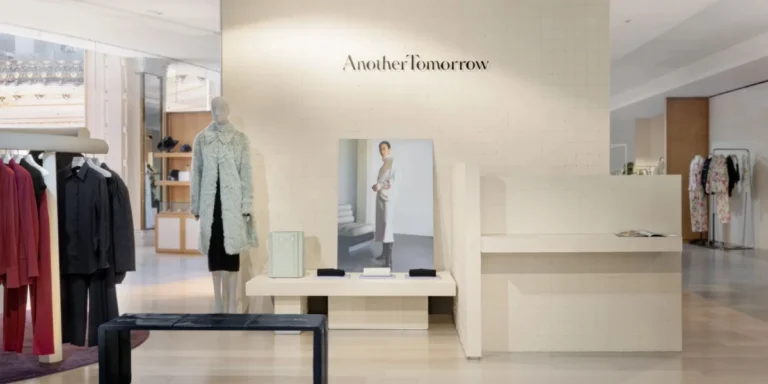
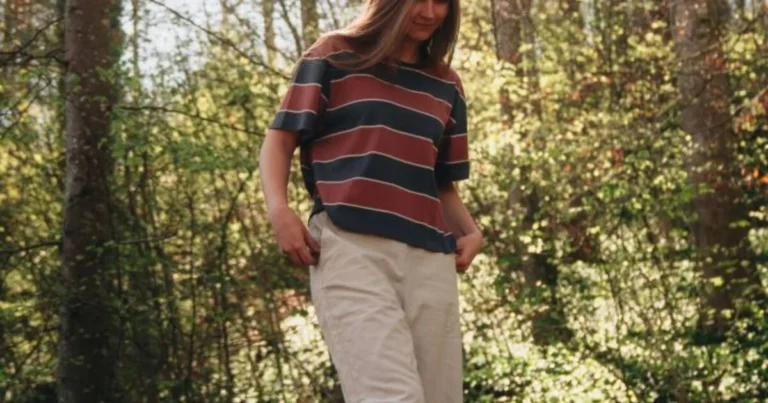
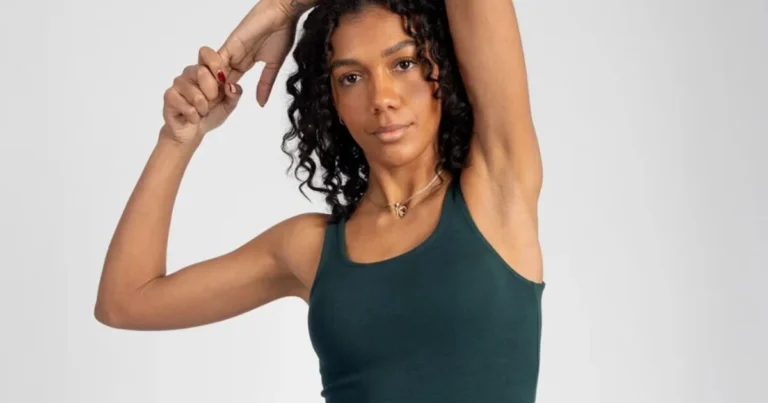
The market is responding with a growing number of brands prioritizing sustainable materials and transparent practices. Companies such as Artknit Studios, JAN N JUNE, TWOTHIRDS, OhSevenDays, Whimsy + Row, Beaumont Organic, Lanius, Sui, The Summer House, SeamsFriendly, Pangaia, and LA Relaxed represent a segment of the industry actively integrating sustainable linen into their collections. These brands often distinguish themselves through commitments to organic certifications, traceable supply chains, ethical labor, and design philosophies centered on durability and timelessness. Their offerings, from casual mini dresses to formal maxi styles, demonstrate that style and sustainability are not mutually exclusive but can be harmoniously integrated.
Strategic Choices for a Sustainable Wardrobe: Embracing Linen
For consumers, embracing linen is a strategic step towards a more sustainable wardrobe. It represents a tangible way to mitigate environmental impact while enjoying the comfort and elegance of natural fibers. By consciously selecting linen garments, especially those certified by credible organizations and offered by transparent brands, individuals contribute to a broader movement that champions responsible production and consumption. This involves not only the initial purchase decision but also a commitment to garment care and a longer-term perspective on fashion.
The Broader Fabric: Implications for the Fashion Industry and Planet
The increasing prominence of sustainable materials like linen signals a critical evolution within the fashion industry. It underscores a collective recognition of the urgent need to transition away from linear "take-make-dispose" models towards circular economies. This transition involves fostering innovation in textile recycling, promoting regenerative agricultural practices for fiber cultivation, and designing for durability and end-of-life considerations. The broader implications extend beyond individual consumer choices, influencing policy development, industry-wide standards, and fostering greater collaboration across the supply chain. As the fashion industry continues its journey towards greater sustainability, materials like linen will undoubtedly remain central to achieving a more equitable and environmentally responsible future for clothing.
Editor’s Note: This article references brands and independent ratings for illustrative purposes, based on publicly available information and the methodologies of organizations like Good On You. Good On You publishes comprehensive ratings of fashion brands’ impact on people, the planet, and animals, facilitating informed consumer decisions. Readers are encouraged to utilize such directories to research thousands of rated brands and their specific commitments.