

The Geographic and Historical Context of the Celebration
The choice of Leckhampstead and Peasemore situated the event within the North Wessex Downs, an Area of Outstanding Natural Beauty (AONB). This region of Berkshire is historically significant for its agricultural heritage and its proximity to the equestrian hubs of Lambourn and Newbury. St James Church, a Grade II listed building known for its traditional flint-and-stone architecture, provided a quintessential English backdrop for the exchange of vows.
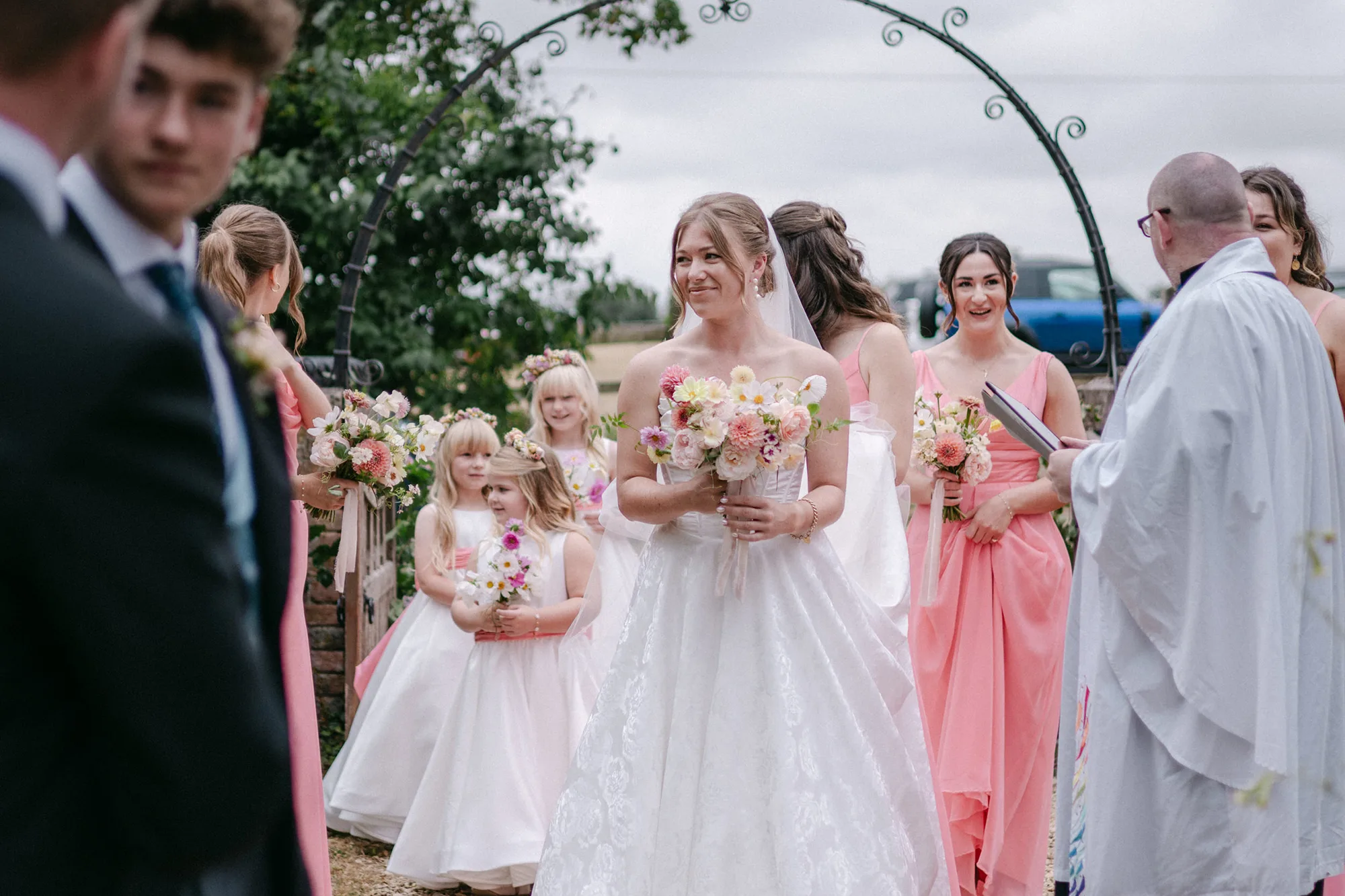
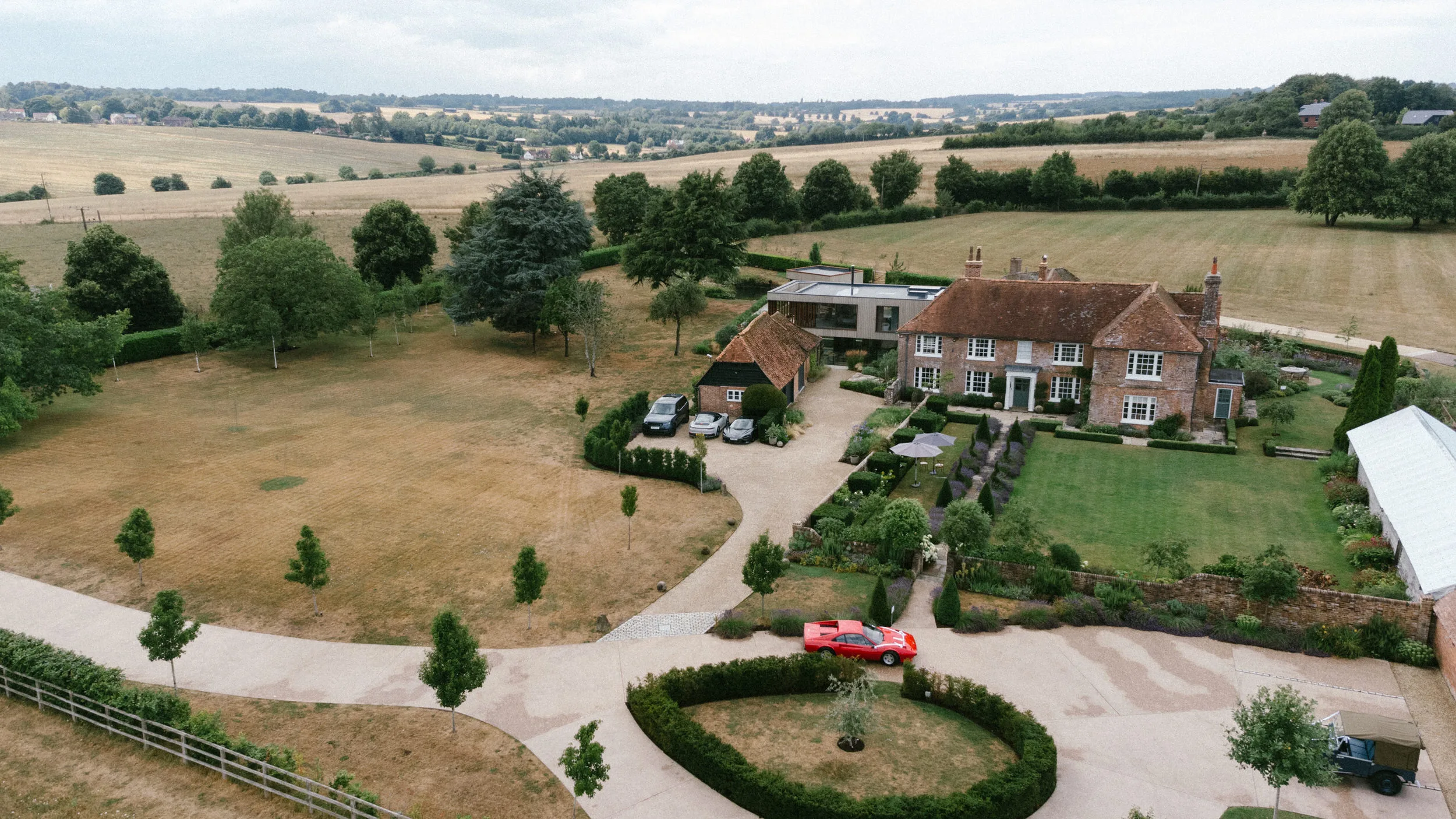
The logistics of the day were heavily influenced by the couple’s desire to integrate family history into the ceremony’s formal structure. This was most visible in the choice of transport. Max, the groom, arrived at the church in a vintage Ferrari owned by the bride’s father, while the bride, Freya, was transported in a Land Rover Series 1. The Series 1 Land Rover is an icon of British engineering, originally launched in 1948; the specific vehicle used by the family has been in their possession for decades, serving as a functional link between the family’s past and the present milestone. For the bridal party, a white Austin Princess limousine was chartered through Prestige Cars, further emphasizing a commitment to mid-century automotive elegance.
Chronology of the Wedding Day
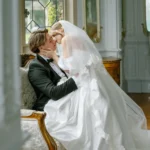
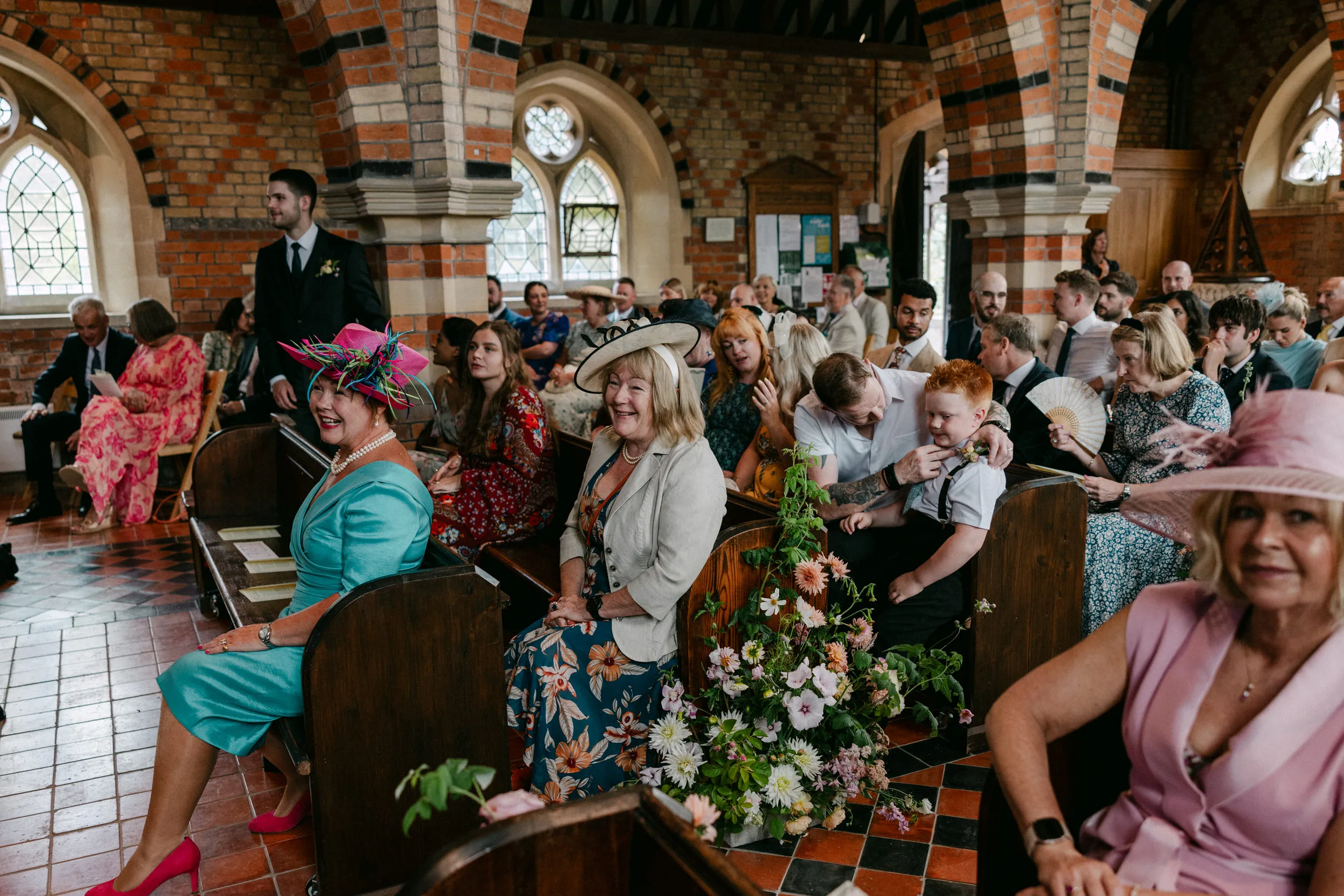
The ceremony was conducted according to traditional Anglican rites, with the bride escorted down the aisle by her father. Following the exchange of vows, the couple implemented a strategic pause in the day’s itinerary—a tactic often recommended by event planners to mitigate the sensory overwhelm of large-scale weddings. After exiting the church, Freya and Max spent fifteen minutes alone, sharing a bottle of champagne a mile away from the reception site. This "intermission" allowed the newlyweds a moment of private reflection before entering the high-energy environment of the reception.
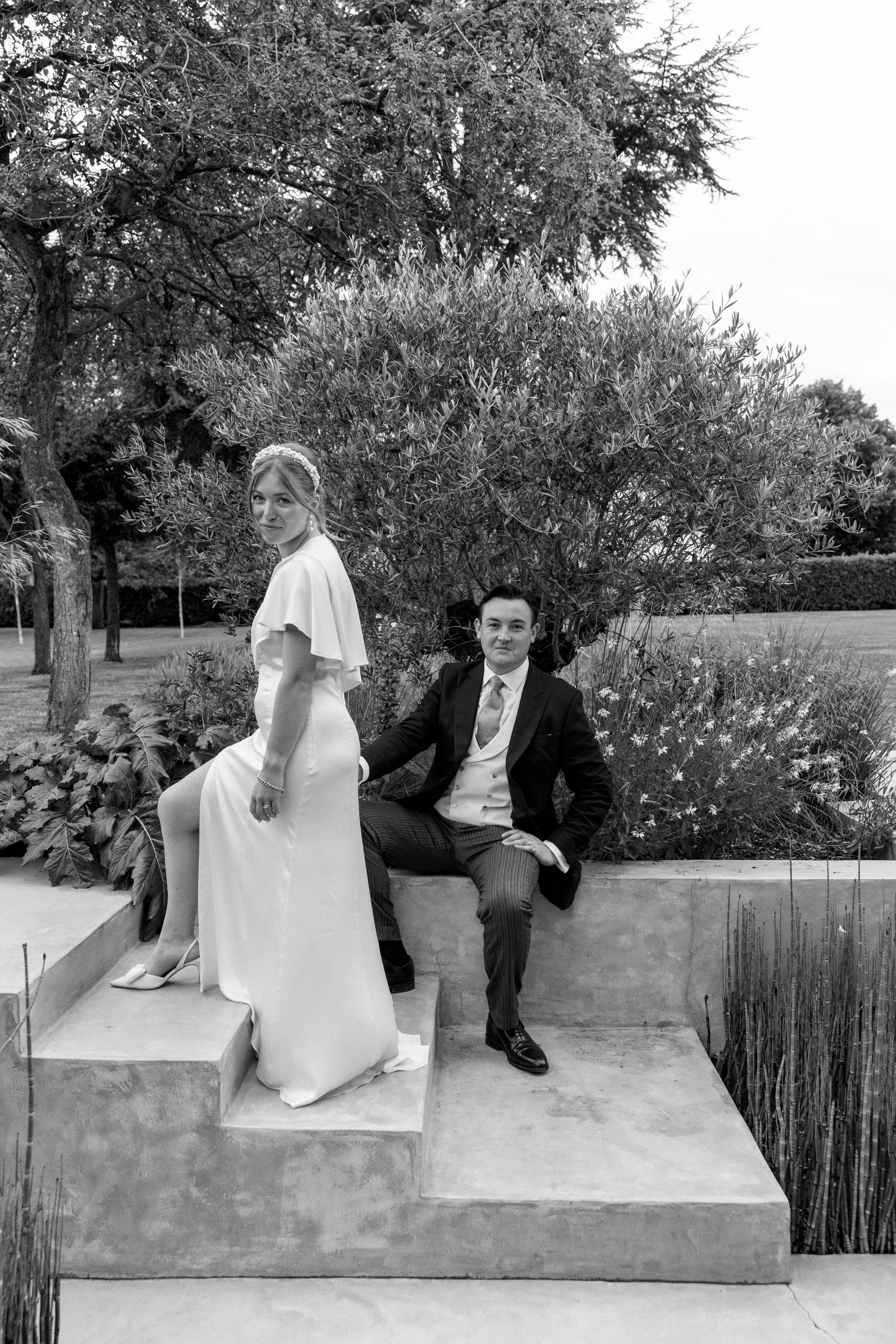
The reception was held within a bespoke marquee provided by Redcrest Events, a specialist in Berkshire-based outdoor structures. The transition from the church to the family home coincided with a shift in the British weather. Significant rainfall and "torrential downpours" occurred during the afternoon, forcing guests to seek shelter in various farm buildings and the marquee. While inclement weather is often viewed as a logistical hurdle, the couple noted that it contributed to a "Four Weddings and a Funeral" atmosphere, fostering a sense of camaraderie among the guests as they navigated the estate.
Floral Artistry and Aesthetic Design
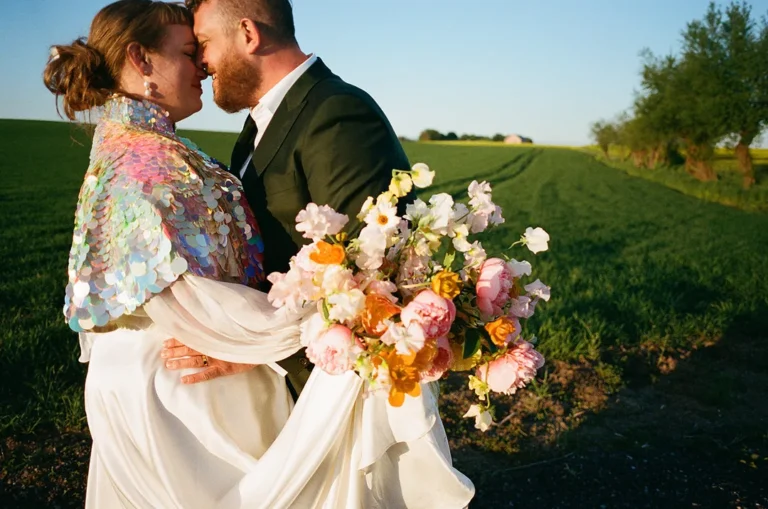
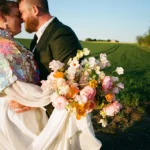
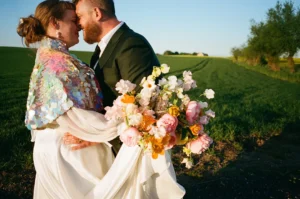
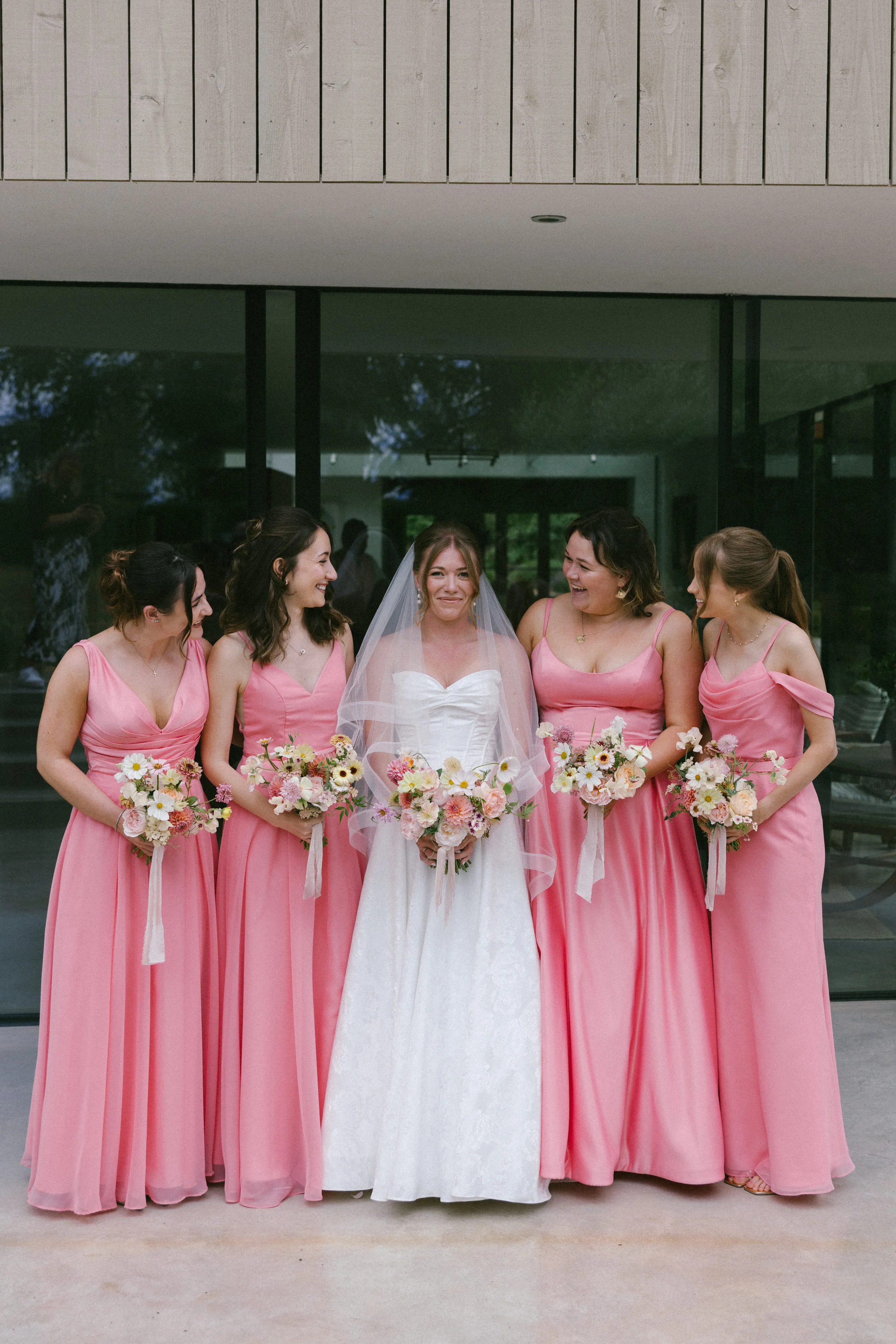
A central pillar of the wedding’s visual identity was the floral design, executed by Nat of Feverfew, a florist known for a "curated chaos" aesthetic. The design moved away from the rigid, symmetrical arrangements often seen in formal weddings, opting instead for abundant, romantic installations that utilized soft pinks and pastel summer shades.

The floral strategy extended beyond the tablescapes. A significant feature within the marquee was a large silver birch tree, integrated into the interior decor to bring an organic, woodland element to the structured space. In a move toward sustainable wedding practices, the tree was later replanted in the parents’ garden, serving as a permanent living monument to the event. This practice of "legacy planting" is increasingly common among eco-conscious couples who wish to reduce the carbon footprint of their floral decor while creating a lasting impact on their domestic landscape.
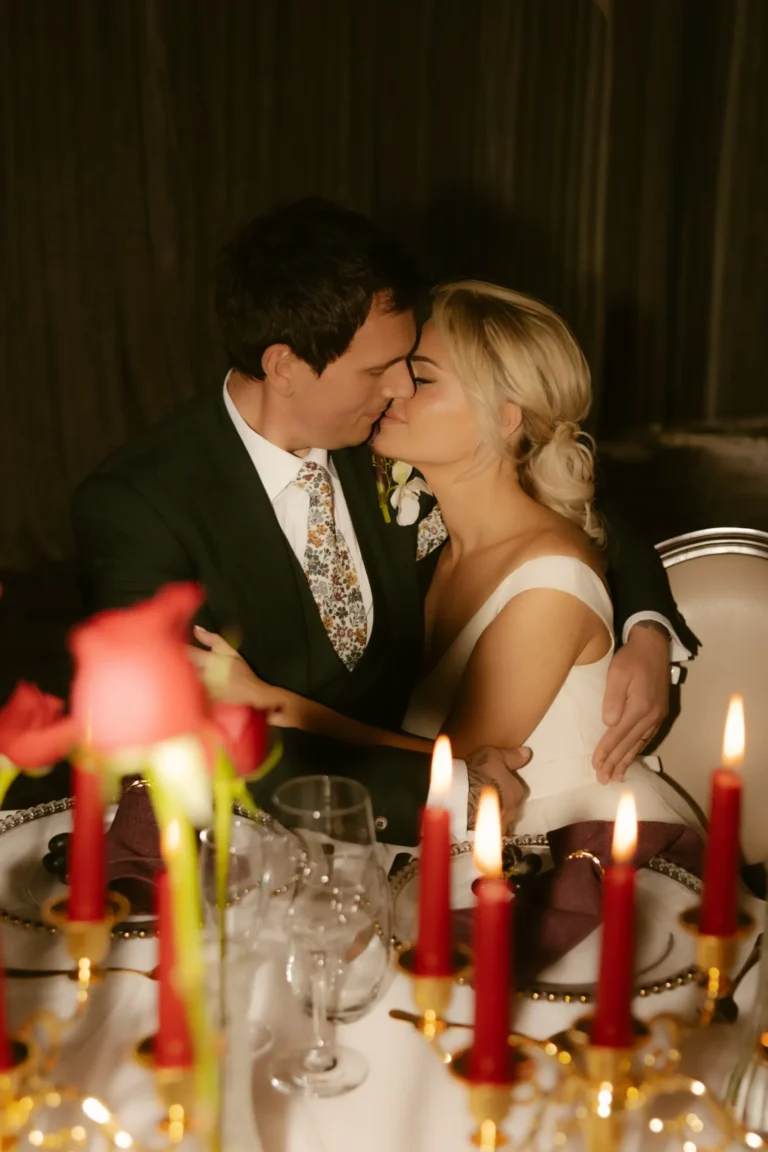
The tablescapes were complemented by stationery from Papier, while the wedding favors added a layer of artisanal craftsmanship. The groom’s mother produced homemade sloe gin and hand-sewed Liberty print lavender bags, each embroidered with the couple’s names and the wedding date. Such bespoke details are characteristic of the "new traditionalism" in weddings, where high-end professional services are blended with high-effort personal contributions from family members.
Culinary and Entertainment Programming
The catering was managed by McCrimmon and Reid, a firm specializing in seasonal, locally sourced menus. The culinary presentation was designed to mirror the "garden party" spirit of the day, balancing formal service with the relaxed atmosphere of a home-based reception. The wedding cake, created by Becky of Novae Bakery, featured a modern-traditional hybrid design. The three-tier structure utilized a spotted fondant in pink and peachy tones, finished with intricate royal icing piping, aligning with the broader pastel color palette.
Entertainment was predominantly community-driven, highlighting the musical talents of the couple’s social circle. The evening’s program included:
- A piano and vocal solo by the groom, Max.
- The reformation of the groom’s childhood band.
- Performances by violin and recorder ensembles.
- A DJ set by Carlos, who managed the transition from dinner music to the evening party.
The first dance was choreographed to "Yes Sir, I Can Boogie" by Baccara, which transitioned into "The Bad Touch" by The Bloodhound Gang. This choice reflected the couple’s personal humor and a departure from standard bridal ballads, emphasizing the "unmistakably their own" ethos that defined the celebration.
Fashion and Wardrobe Transitions
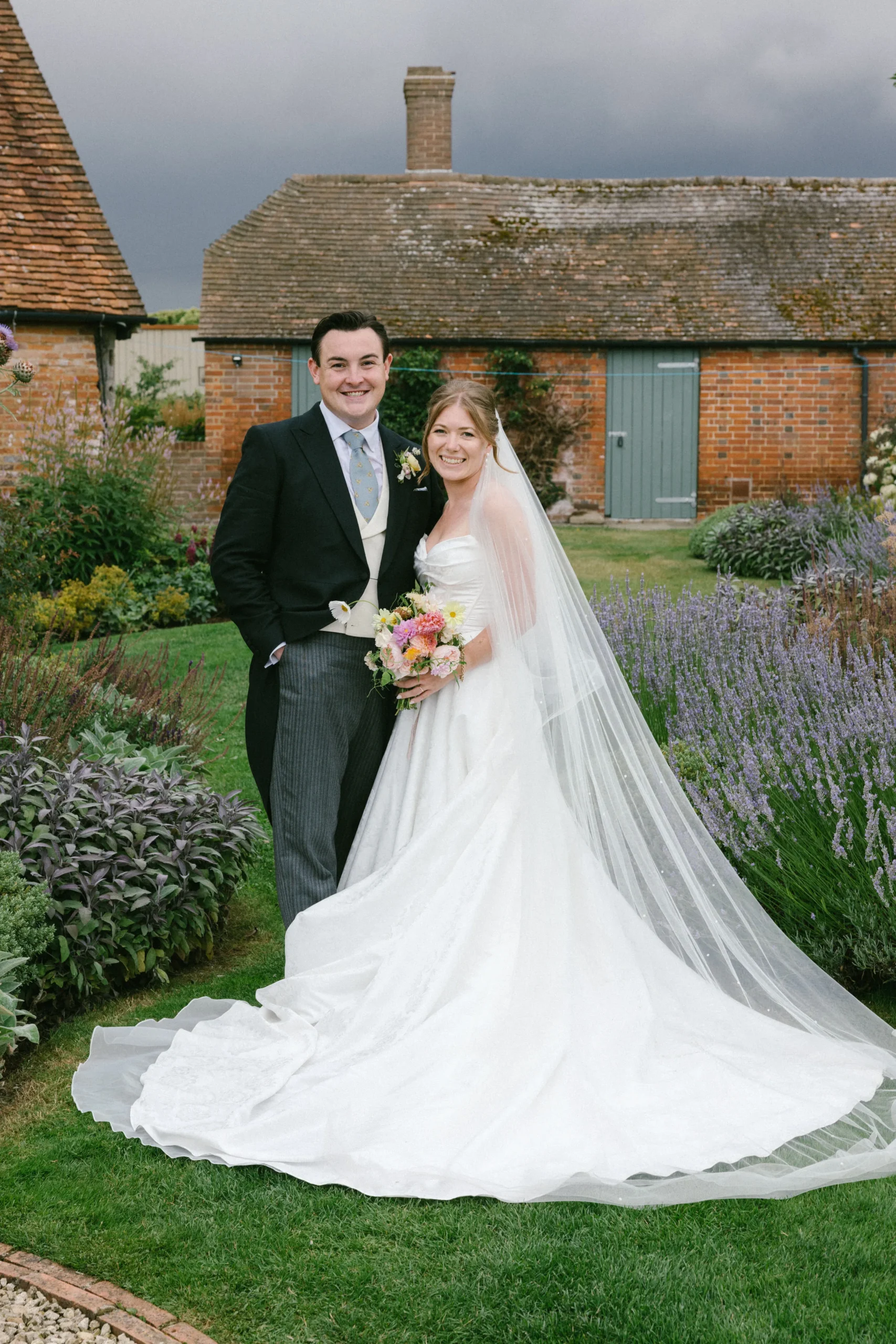
The bride’s attire required a mid-event adjustment due to the environmental conditions. Her primary ceremony dress, while traditional, became heavy and soiled due to the mud and rain. This necessitated a change into an evening outfit: the Paige cape and dress from London-based designer Laura Green.
The acquisition of this second look was incidental, purchased from a sample sale just four weeks prior to the wedding. The transition to a lighter, more mobile garment allowed for greater ease during the choreographed dances and evening festivities. This highlights a pragmatic trend in the bridal industry where "reception dresses" are no longer merely a fashion statement but a functional necessity for outdoor or estate-based weddings.
Analysis of Industry Trends and Economic Impact
The Freya-Max wedding serves as a case study for several prevailing trends in the UK wedding industry, which is valued at approximately £14.7 billion annually.
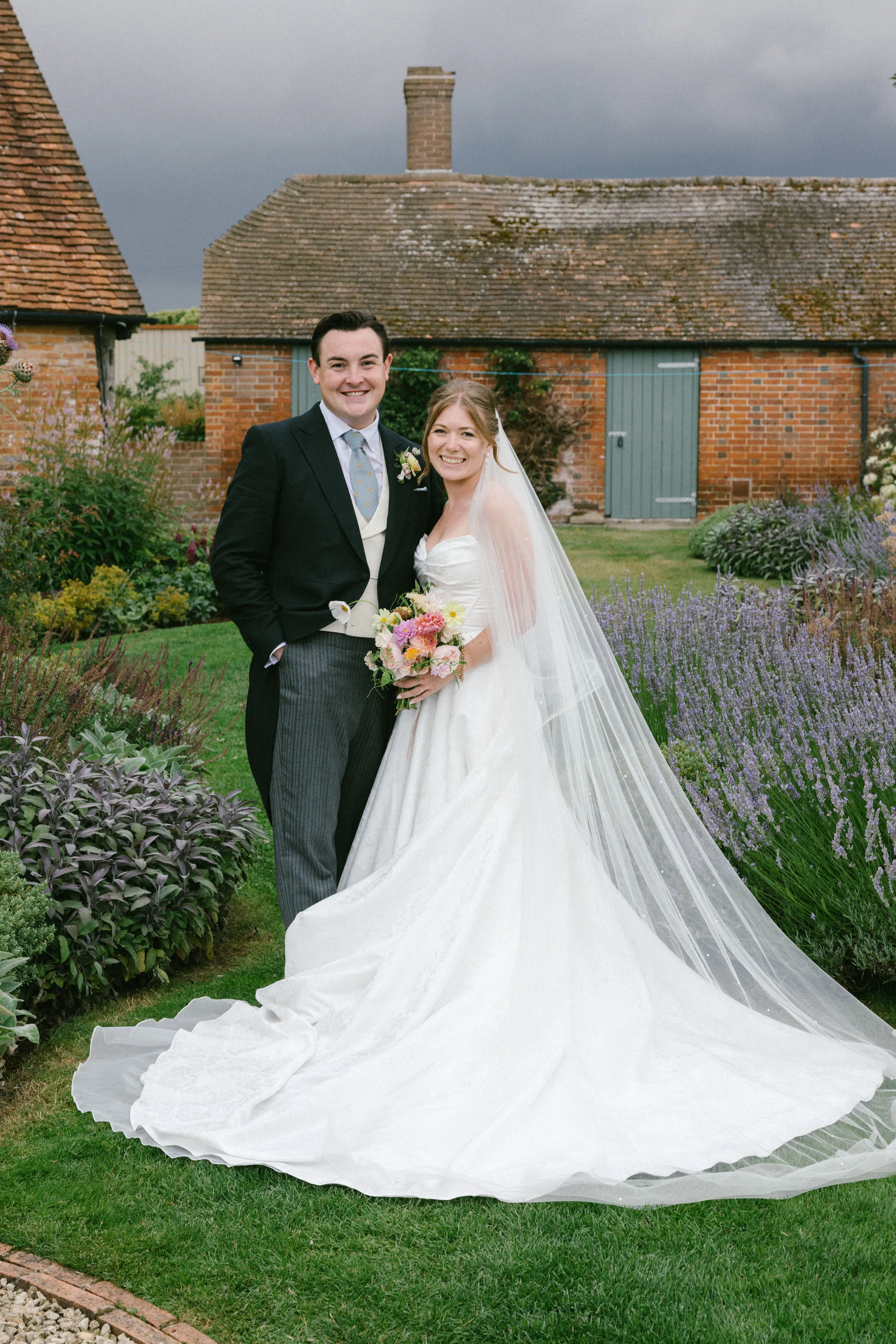
- The Rise of the "Marquee Estate" Wedding: Following the COVID-19 pandemic, there has been a 20% increase in requests for marquee weddings on private land. This allows couples to bypass the restrictive "preferred supplier" lists of commercial venues and exercise total creative control.
- Sustainability and Replanting: As seen with the silver birch tree, the "zero-waste" movement is influencing floral design. Couples are increasingly requesting potted plants and trees that can be integrated into their homes post-event.
- Personalized Transport: The use of family-owned vintage vehicles (the Ferrari and Land Rover) represents a move toward "sentimental luxury," where the value of an object is derived from its history within the family rather than its rental price.
Professional Reflections and Wedded Wisdom
In the aftermath of the event, the couple provided insights into the complexities of planning a large-scale traditional wedding. A primary recommendation was the "stay together" rule—a commitment to remaining side-by-side throughout the reception to ensure the day is experienced as a shared unit rather than a series of individual social interactions.
Furthermore, Freya highlighted the psychological pressure of the bridal fashion industry, advising future brides to trust their initial instincts regarding their attire. The "confusion and stress" caused by excessive external opinions is a documented phenomenon in bridal psychology, often leading to "decision fatigue." The couple’s final assessment emphasized that the success of the day was not hindered by the weather but rather enhanced by the authenticity of the setting and the strength of the support system provided by their bridal party and vendors.
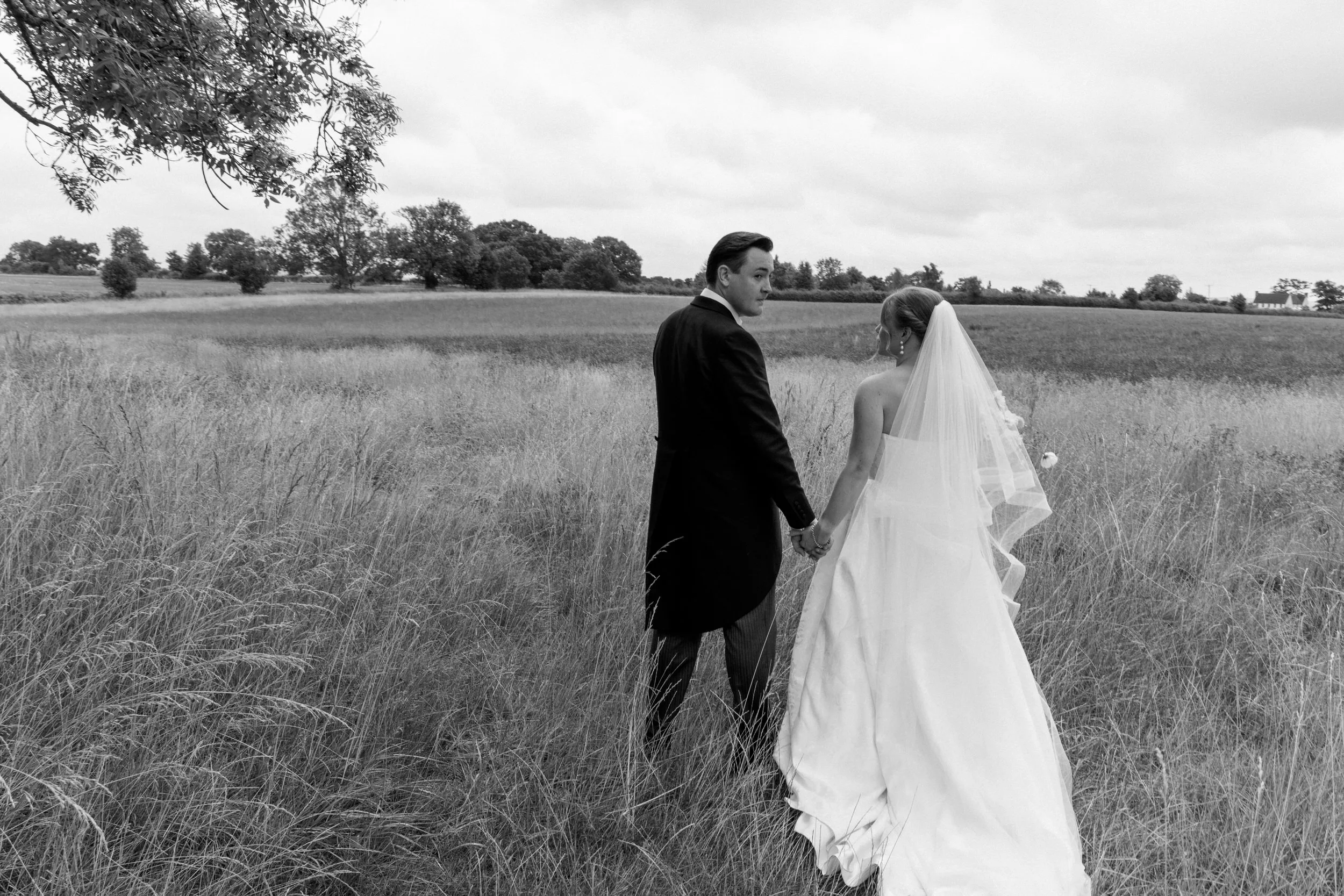
By successfully merging the formality of a church ceremony with the logistical complexity of an at-home marquee reception, Freya and Max’s wedding stands as a benchmark for contemporary English countryside celebrations—balancing heritage, personal narrative, and professional execution.