









Global apparel giant Uniqlo has officially launched a pioneering new upcycled collection, born from a collaborative effort with recent graduates of the prestigious BA Fashion course at Central Saint Martins. The innovative initiative, unveiled on June 26, 2026, transforms returned and otherwise unsellable garments into unique, high-fashion pieces, marking a significant stride in the brand’s commitment to circularity and sustainable practices within the fast-fashion landscape. This partnership not only addresses the critical issue of textile waste but also champions emerging design talent, providing a vital platform for the next generation of sustainable fashion innovators.
A Commitment to Circularity: Uniqlo’s Evolving Sustainability Agenda
The launch of this upcycled collection represents a tangible acceleration of Uniqlo’s long-standing dedication to environmental responsibility and social impact. For years, the Fast Retailing Co. Ltd. subsidiary has been strategically integrating sustainability into its core operations, notably through its "Re.Uniqlo" program. This initiative, first introduced to the public in various forms over the past decade, has focused on collecting used Uniqlo garments from customers for repurposing, recycling, or donation to those in need. While "Re.Uniqlo" initially prioritized extending the lifecycle of clothing through charitable donations and fuel applications, this new collaboration with Central Saint Martins elevates the concept by reintegrating returned items directly back into the product cycle as redesigned, commercially viable apparel.
Uniqlo’s sustainability roadmap has consistently outlined ambitious goals, including reducing environmental impact across its supply chain, optimizing resource usage, and promoting product longevity. The brand has invested in research and development for more sustainable materials, such as recycled polyester and responsibly sourced cotton, and has worked towards minimizing water usage and chemical waste in its manufacturing processes. This latest collection, however, shifts the focus from merely reducing new resource consumption to actively transforming existing waste streams into valuable assets. It underscores a strategic pivot towards a more robust circular economy model, where products are designed for durability, repair, reuse, and ultimately, regeneration. The pressure on global apparel brands to adopt such models has intensified, driven by increasing consumer awareness, regulatory scrutiny, and the undeniable environmental imperative to curb the industry’s vast footprint.
Central Saint Martins: Nurturing the Future of Fashion
Central Saint Martins (CSM), a constituent college of the University of the Arts London, holds an unparalleled reputation as a global powerhouse in fashion education. Its BA Fashion course is renowned for fostering creativity, challenging conventions, and producing some of the industry’s most influential designers. Beyond its artistic prowess, CSM has increasingly embedded sustainable design principles and critical thinking about fashion’s environmental and social impact into its curriculum. Graduates are not merely trained in aesthetics but are encouraged to explore innovative solutions to the industry’s pressing challenges, including material innovation, ethical production, and circular design methodologies.
The collaboration with Uniqlo provides an invaluable real-world learning experience for these budding designers. Working with an industrial partner of Uniqlo’s scale offers insights into the complexities of commercial production, supply chain management, and the practicalities of implementing sustainable design at a mass-market level. It bridges the gap between academic exploration and market viability, equipping graduates with the skills and experience necessary to drive meaningful change within the global fashion ecosystem. The involvement of CSM signifies a recognition from Uniqlo that true innovation often stems from fresh perspectives and the unbridled creativity found within leading educational institutions.
The Genesis of a Groundbreaking Partnership: From Concept to Collection
The seeds of this collaboration were likely sown through mutual recognition of shared values and strategic objectives. For Uniqlo, the opportunity to tap into the avant-garde design thinking of CSM graduates offered a fresh approach to tackling textile waste, potentially yielding designs that resonate with a fashion-forward audience while staying true to Uniqlo’s philosophy of quality and accessibility. For CSM, partnering with a global retail giant provided an unparalleled opportunity for its students to apply their sustainable design theories on a significant scale, gaining exposure and practical experience that is often difficult to secure in the early stages of a design career.
Discussions between Uniqlo and Central Saint Martins likely commenced in late 2025, evolving from initial conceptual alignment to a detailed project brief by early 2026. The brief presented to the selected BA Fashion graduates was reportedly challenging: to transform a diverse assortment of returned Uniqlo garments—ranging from slightly damaged items, unworn returns, to end-of-season stock—into a cohesive and aesthetically compelling new collection. This involved deconstructing existing garments, understanding their inherent material properties, and reinterpreting them through innovative design and reconstruction techniques. The project demanded not only creative vision but also a deep understanding of textile manipulation, pattern cutting, and garment construction, all within the strictures of upcycling. The graduates were provided access to Uniqlo’s material archives and received mentorship from both Uniqlo’s design and sustainability teams, as well as their tutors at CSM, fostering a truly interdisciplinary approach.
The "Re.Uniqlo x CSM" Collection: Design Philosophy and Aesthetic
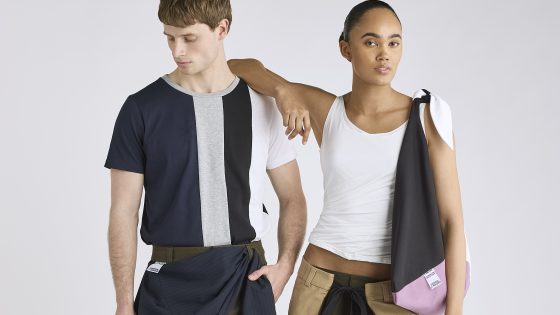
While the official name of the collection is yet to be fully disclosed, early indications and the reference image suggest it may fall under the "Re.Uniqlo" umbrella, potentially branded as "Re.Uniqlo x CSM" or similar. The collection is expected to feature a limited number of unique pieces, reflecting the inherent constraints and bespoke nature of upcycling. The aesthetic is anticipated to blend Uniqlo’s signature minimalist, functional approach with the experimental and artistic flair characteristic of CSM graduates. This fusion is likely to result in pieces that are both wearable and distinctly artful, offering consumers a unique proposition in the sustainable fashion market.
Designers reportedly experimented with various upcycling techniques, including patchwork, deconstruction and reconstruction, dyeing, embellishment with salvaged materials, and innovative tailoring to create new silhouettes from existing fabric panels. For instance, multiple discarded Uniqlo shirts might be reassembled into a single statement jacket, or damaged knitwear could be transformed into intricate textile art integrated into new garments. The challenge was not just to reuse but to add new value, creating items that feel fresh, contemporary, and desirable, moving beyond the often-perceived limitations of upcycled fashion. This approach aims to demonstrate that sustainable fashion does not necessitate a compromise on style or quality. The collection is poised to challenge perceptions of "waste" by showcasing the transformative potential of textile refuse, turning it into coveted items that tell a story of renewal and responsible consumption.
Voices from the Collaboration: Perspectives on Impact
Representatives from both Uniqlo and Central Saint Martins have expressed enthusiasm for the initiative.
"This collaboration with Central Saint Martins graduates marks a pivotal moment in our journey towards a fully circular economy," stated Kensuke Yamamoto, Head of Sustainability at Fast Retailing. "At Uniqlo, we believe in the power of LifeWear—clothing designed to improve lives. By transforming returned garments into new designs, we are not only reducing waste but also offering our customers unique, consciously-made pieces. It’s a testament to our commitment to innovation and supporting the next generation of creative talent who will help shape a more sustainable future for fashion."
Professor Sarah Gresty, Head of BA Fashion at Central Saint Martins, emphasized the educational impact: "Our students thrive on real-world challenges that push the boundaries of design and sustainability. This partnership with Uniqlo provided an unparalleled opportunity for them to apply their theoretical knowledge and creative skills to a global brand context. It’s a powerful demonstration of how education and industry can collaborate to create tangible solutions for textile waste, fostering designers who are not just artists but also agents of change."
One of the participating graduates, Anya Sharma, shared her experience: "Working on this collection was incredibly challenging yet immensely rewarding. The brief pushed us to rethink what fashion can be, transforming what might be seen as waste into something beautiful and meaningful. It was a rigorous process of deconstruction, experimentation, and rediscovery, and seeing our designs come to life with Uniqlo’s support has been an inspiring experience. We hope these pieces encourage consumers to think differently about the lifecycle of their clothes."
Industry analysts have also weighed in on the significance of the venture. Dr. Eleanor Vance, a leading expert in sustainable fashion economics, commented, "This partnership is a smart move for Uniqlo, signaling a deeper commitment to circularity beyond basic recycling. By leveraging the creative capital of Central Saint Martins, they’re not just upcycling; they’re elevating upcycling to a desirable design aesthetic. This could set a new benchmark for how large retailers engage with textile waste, moving from ‘take-make-dispose’ to a more imaginative ‘recover-redesign-reintroduce’ model. It also strengthens their brand image among environmentally conscious consumers, a demographic that is rapidly growing."
Timeline of a Sustainable Innovation:
- Late 2025: Initial discussions between Uniqlo and Central Saint Martins exploring potential collaboration on textile waste reduction and upcycling.
- Early 2026: Formalization of the partnership. Selection of BA Fashion graduates and development of the detailed design brief focusing on transforming returned Uniqlo garments.
- February – May 2026: Intensive design and development phase. Graduates worked under the mentorship of CSM faculty and Uniqlo’s design and sustainability teams, experimenting with materials and techniques. Prototypes were created and refined.
- Early June 2026: Final collection pieces were completed and prepared for launch. Marketing materials, including digital content and visual assets, were finalized.
- June 26, 2026: Official global launch of the upcycled collection, primarily through Uniqlo’s digital channels and select flagship stores.
- Post-Launch: Monitoring of consumer reception, sales performance, and evaluation of the project’s overall impact and potential for future iterations.
Supporting Data and Market Context
The need for such initiatives is underscored by alarming statistics on textile waste. Annually, the global fashion industry generates an estimated 92 million tons of textile waste, with a significant portion ending up in landfills or being incinerated. In the UK alone, consumers send around 350,000 tonnes of clothing to landfill every year. The rise of fast fashion has exacerbated this problem, leading to increased production and consumption cycles, often at the expense of environmental sustainability.
However, consumer attitudes are shifting dramatically. Recent market research indicates that over 60% of consumers globally are willing to pay more for sustainable products, and a significant portion actively seek out brands with strong environmental and ethical credentials. Reports from organizations like McKinsey & Company and the Boston Consulting Group consistently highlight a growing preference for transparency, circularity, and ethical production among Gen Z and millennial consumers, who are increasingly influential in purchasing decisions. The market for sustainable fashion is projected to grow substantially, with some estimates predicting a compound annual growth rate (CAGR) of over 10% in the coming years. This data provides a compelling economic incentive for brands like Uniqlo to invest in and publicize their sustainable practices.
Broader Impact and Future Implications
The "Re.Uniqlo x CSM" collection carries significant implications across multiple facets of the fashion industry:
- For Uniqlo: This project enhances Uniqlo’s reputation as a forward-thinking and responsible brand. It demonstrates innovation not just in product design but also in its supply chain and waste management strategies. Success could pave the way for scaling up similar upcycling initiatives, potentially integrating them more broadly into their product lines and offering a unique selling proposition in a crowded market. It also positions Uniqlo as an active participant in addressing systemic industry challenges, rather than merely complying with regulations.
- For Central Saint Martins: The collaboration further solidifies CSM’s standing as a leader in sustainable fashion education. It provides tangible evidence of the practical impact of its curriculum and the caliber of its graduates, attracting future talent and fostering continued industry partnerships. Such projects are crucial for ensuring that design education remains relevant and impactful in a rapidly evolving global context.
- For the Fashion Industry: This high-profile partnership between a global retailer and a prestigious design school sets a powerful precedent. It challenges other major brands to rethink their waste streams and explore creative solutions beyond traditional recycling. It normalizes upcycling as a legitimate and desirable form of fashion production, potentially inspiring a wider adoption of circular design principles across the industry. It also highlights the potential for collaboration between industry and academia to drive innovation.
- For Consumers: The collection offers consumers the opportunity to purchase unique, limited-edition garments with a clear sustainability narrative. It educates them about the potential of upcycling and encourages a more conscious approach to fashion consumption. By making upcycled fashion accessible and aspirational, Uniqlo contributes to shifting consumer perceptions and driving demand for more sustainable products.
In conclusion, Uniqlo’s launch of its upcycled collection with Central Saint Martins graduates represents more than just a new product line; it is a strategic statement about the future of fashion. By transforming discarded garments into desirable, high-quality apparel, Uniqlo is not only addressing the pressing issue of textile waste but also championing innovative design and fostering the next generation of sustainable fashion leaders. This collaboration underscores a growing imperative for the fashion industry to embrace circularity, demonstrating that environmental responsibility and commercial viability can, and indeed must, go hand-in-hand. It serves as a beacon, illuminating a path towards a more resourceful, creative, and ultimately, sustainable future for global apparel.