









For connoisseurs of sartorial elegance, the sight of a pair of bespoke Oxfords gleaming with a glass-like finish, reflecting one’s own image in their polished toe caps, is a testament to meticulous craftsmanship and dedicated care. Yet, this coveted "mirror shine" remains an elusive achievement for many enthusiasts, even those equipped with premium Saphir waxes and a library of online tutorials. The common lament is a frustratingly cloudy, smeared result, a stark contrast to the desired brilliant luster. This pervasive challenge underscores a fundamental misunderstanding: achieving a world-class mirror shine is less about aggressive application and more about a nuanced, methodical approach rooted in meticulous layering and a profound understanding of leather’s inherent porous nature.
In an exclusive masterclass, Preston Soto of The Elegant Oxford, a widely recognized authority in luxury shoe care, recently delved beyond conventional wisdom to impart the professional techniques essential for elevating a merely "shiny shoe" into a genuine sartorial masterpiece. This intensive session served as a pivotal moment for individuals striving to perfect this traditional craft, offering insights that transcend basic instructions to embrace the sensory cues and structural mechanics vital for an impeccable finish.
The Enduring Allure and History of Polished Footwear
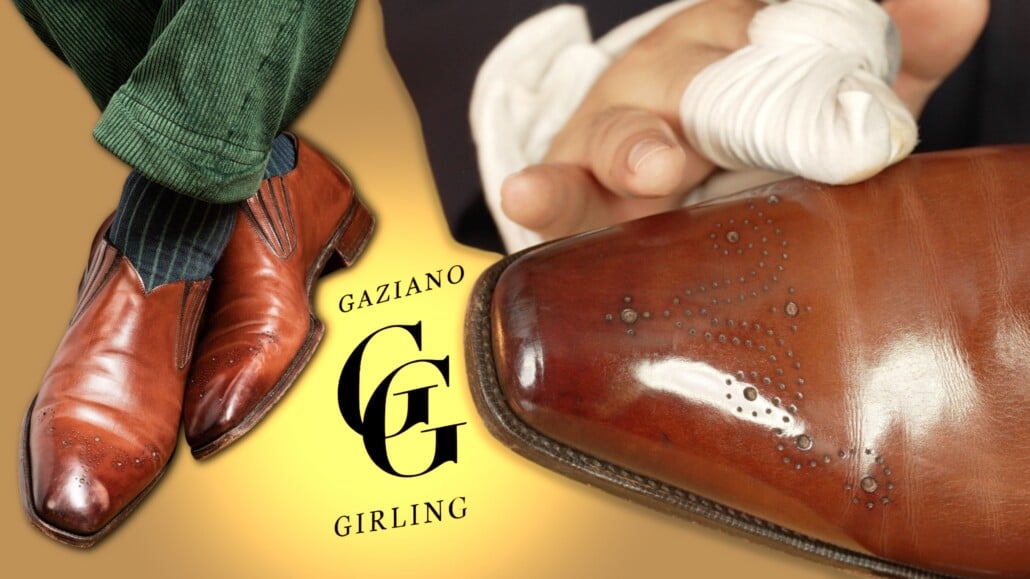
The aspiration for gleaming footwear is far from a modern phenomenon. Throughout history, polished shoes have served as a potent symbol of status, discipline, and attention to detail. From the meticulously buffed boots of military officers signaling readiness and precision, to the highly shined Oxfords of discerning gentlemen attending formal engagements, the condition of one’s footwear has consistently communicated volumes about the wearer. In the 18th and 19th centuries, shoe blacks and valets were indispensable, their skills in achieving a deep, lustrous shine highly prized. Early shoe polishes were often rudimentary, concocted from waxes, oils, and lampblack, providing basic protection and a moderate sheen.
The advent of modern shoe care products, particularly in the late 19th and early 20th centuries, revolutionized the craft. Brands like Saphir, with its esteemed Médaille d’Or line, emerged, developing sophisticated wax formulations that incorporated natural ingredients like carnauba and beeswax, combined with solvents and pigments to nourish leather while creating an increasingly refined shine. This evolution transformed shoe polishing from a chore into a sophisticated art form, accessible to anyone willing to learn its intricacies. The mirror shine, in particular, became the ultimate expression of this artistry, a challenging yet rewarding pursuit that speaks to a commitment to personal presentation and the longevity of valuable possessions.
Why This Masterclass Redefines Shoe Care Education
Many existing guides on shoe polishing often condense the process into simplistic steps: "apply wax and buff." However, as Preston Soto meticulously illustrates, such generalizations overlook the critical nuances that differentiate a mediocre shine from a truly exceptional one. Soto’s methodology is distinguished by its emphasis on sensory recognition, guiding participants to cultivate an intuitive understanding of the material and the process. This involves learning to identify:

- The precise tactile feedback of the wax as it interacts with the leather, indicating optimal thickness and distribution.
- The subtle visual cues that signal when a layer is properly laid down and ready for the next, avoiding the common mistake of over-application or insufficient buffing.
- The auditory nuances during the buffing process, where a distinct "squeak" or "glide" can inform the polisher about the progress and efficacy of their technique.
This focus on sensory engagement transforms the polishing process from a mechanical task into a meditative craft, allowing the practitioner to respond dynamically to the leather’s unique characteristics and the wax’s behavior. This holistic approach is crucial for overcoming common obstacles and achieving consistently superior results.
It is also worth noting that this masterclass builds upon a foundational session with Preston Soto, where the daunting task of reviving damaged leather, particularly Shell Cordovan, was addressed. The definitive "Shell Cordovan Restoration Guide," resulting from that earlier collaboration, highlighted Soto’s expertise in deep leather care, setting the stage for this advanced exploration of surface perfection. Today’s focus on the mirror shine represents another cornerstone of comprehensive shoe care, essential for anyone dedicated to preserving and enhancing their premium footwear.
The Mechanics of a True Mirror Finish: A Structural Approach
A prevalent misconception among novices is treating shoe wax like a coat of paint, where a thicker application is erroneously believed to yield a higher shine. This approach inevitably leads to a cloudy, uneven, and ultimately disappointing finish. In reality, a proper mirror shine requires a structural approach, akin to meticulously layering microscopic sheets of glass. The process relies on:

- Micro-Layering: The application of incredibly thin, almost imperceptible layers of hard wax. Each layer fills microscopic pores and imperfections on the leather’s surface, gradually creating a perfectly smooth plane.
- Progressive Smoothing: With each successive layer, applied with minimal product and judicious use of water, the surface becomes increasingly uniform, reducing light scattering and maximizing direct reflection.
- Consolidation: The gentle friction generated by a soft cloth, combined with the precise amount of wax and water, helps to melt and spread these layers, consolidating them into a singular, highly reflective surface.
This intricate process underscores that patience and precision are far more valuable than brute force or excessive product. The goal is not to coat the leather thickly, but to refine its surface progressively until it achieves a uniform, mirror-like sheen.
The Indispensable Valet Box: Tools of the Trade
For those committed to mastering this traditional craft, a well-appointed valet box is not merely a collection of accessories but a curated arsenal of uncompromising essentials. The quality of one’s tools profoundly impacts the final result.
-
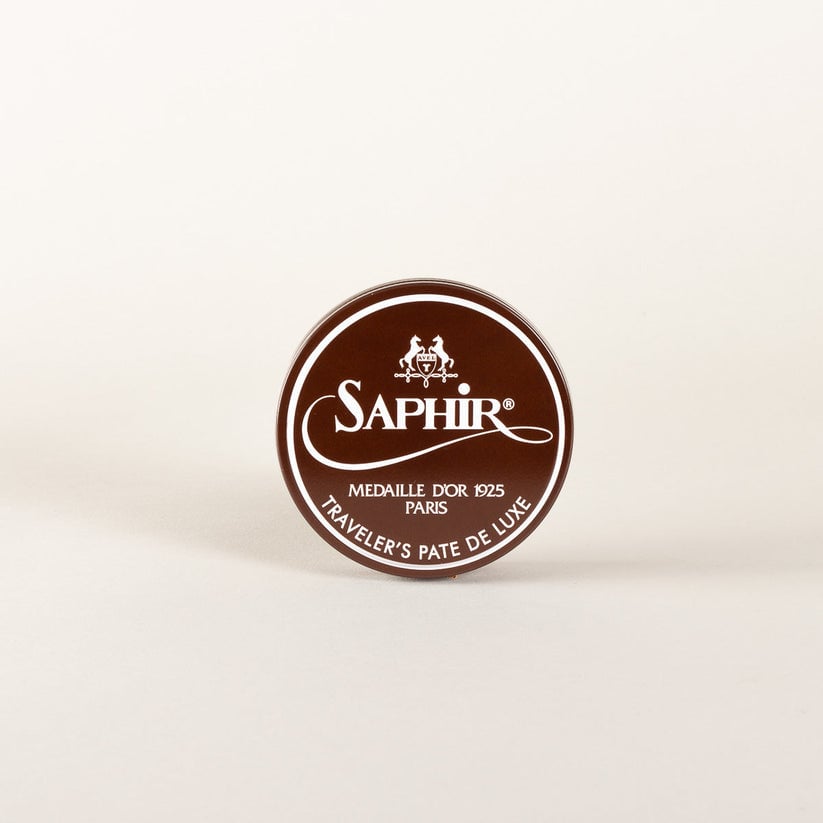
Saphir Medaille d’Or Pate de Luxe Wax Polish: This is widely regarded as the gold standard in hard waxes for achieving a mirror shine. Its formulation, free from silicones and synthetic resins, contains a high concentration of natural waxes like carnauba and beeswax, dissolved in turpentine. This allows for incredibly thin, buildable layers that nourish the leather while providing exceptional shine. The wax’s specific blend ensures a hard, durable, and highly reflective finish without clogging the leather’s pores. The Saphir Médaille d’Or Traveler’s Pate de Luxe also offers a viable alternative, featuring lower solvent concentrations, which positions it between the traditional Pate de Luxe and the dryer Mirror Gloss, catering to those who prefer a slightly firmer wax for regular use.
-
Saphir Natural Horsehair Brush: Essential for preparing the shoe and for initial buffing. A high-quality horsehair brush effectively removes dust and loose debris, and, crucially, helps to work in initial layers of cream or wax, distributing them evenly and gently without scratching the leather. The natural bristles are soft enough to avoid damage yet firm enough to generate the necessary friction.
-
Saphir Medaille d’Or Spatula Brush (Boar Bristle): This specialized brush is ideal for precise application of wax, especially in smaller areas or along welts and edges. Its design allows for controlled application, preventing excess wax buildup in crevices. The boar bristles are stiffer than horsehair, making them effective for working wax into tight spots.
-
High-Quality Cotton Chamois/Polishing Cloth: This is perhaps the most critical tool for the final stages of the mirror shine. Unlike an old t-shirt, a dedicated, tightly woven cotton chamois provides a smooth, lint-free surface that is essential for building and buffing the wax layers without leaving microscopic swirls or fibers. The density and weave of a professional chamois ensure optimal friction and absorption, facilitating the consolidation of wax layers into a truly flawless, glass-like finish. Its superior texture is instrumental in achieving the desired clarity and depth of reflection.
Mirror Shine: Frequently Asked Questions and Expert Clarifications

The pursuit of the perfect mirror shine often raises several practical questions, which Preston Soto addresses with clarity, dispelling common myths and reinforcing best practices.
Does a mirror shine damage fine leather?
When executed properly, a mirror shine does not cause damage to fine leather. The key lies in restricting the application of hard wax exclusively to the non-flexing reinforcements of the shoe: the toe cap and the heel counter. These areas, by their nature, do not bend significantly during wear. By confining the brittle hard wax to these structural components, you protect the leather from cracking while still achieving the desired aesthetic. It is, however, imperative to maintain the leather’s health by occasionally stripping away built-up wax with a proper cleaner (like Saphir Reno’Mat) and then nourishing the leather with a moisturizing cream. This allows the leather to breathe and remain supple, ensuring its longevity.
Why does my mirror finish crack after a single wear?
This unfortunate and common issue is almost entirely caused by applying hard wax to the "vamp" or the natural flex points of the shoe, typically across the toes where the foot bends. Hard wax, by its inherent nature, is brittle. When the leather bends during your stride, the applied wax shatters, resulting in unsightly cracks. To prevent this, it is crucial to confine your mirror finish strictly to the structured, non-flexing extremities of the shoe, such as the toe cap and heel counter. For the flexing areas, a softer, nourishing cream polish is recommended, which provides a natural sheen without compromising flexibility.
Is an old t-shirt an acceptable substitute for a chamois?
While an old t-shirt might be commonly used in a pinch, it is generally not an acceptable substitute for a dedicated, high-quality chamois or tightly woven cotton polishing cloth for achieving a truly flawless mirror shine. Most modern t-shirts possess a knit texture that, under close scrutiny, can leave microscopic swirls in your wax layers, preventing a perfectly smooth, glass-like finish. Furthermore, the fiber composition and absorbency of a t-shirt are often suboptimal for the precise application and buffing required. For a truly impeccable, streak-free, and deep mirror shine, investing in a professional-grade, tightly woven cotton polishing cloth is highly recommended. These cloths are designed to create the necessary friction and smoothness without introducing imperfections.

Broader Implications: The Mirror Shine as a Cornerstone of the Gentleman’s Wardrobe
The mirror shine is far more than a superficial embellishment; it is a hallmark of a well-presented man, signaling an underlying attention to detail, discipline, and respect for quality. It embodies the principle that true elegance is found not just in the garments themselves, but in their immaculate presentation and care. However, an exquisite mirror shine, while impressive, is only one component of a cohesive and distinguished ensemble.
In the broader context of a gentleman’s wardrobe, the care of one’s footwear integrates seamlessly with other sartorial considerations. A man who dedicates himself to the art of shoe shining likely extends the same meticulousness to other aspects of his attire, from the fit of his suit to the selection of his accessories. This holistic approach ensures that every element of his presentation matches the caliber of his footwear, creating an impression of understated sophistication and confidence. The investment of time and effort in mastering crafts like shoe shining also reflects a deeper appreciation for traditional skills and the enduring value of quality over fleeting trends.
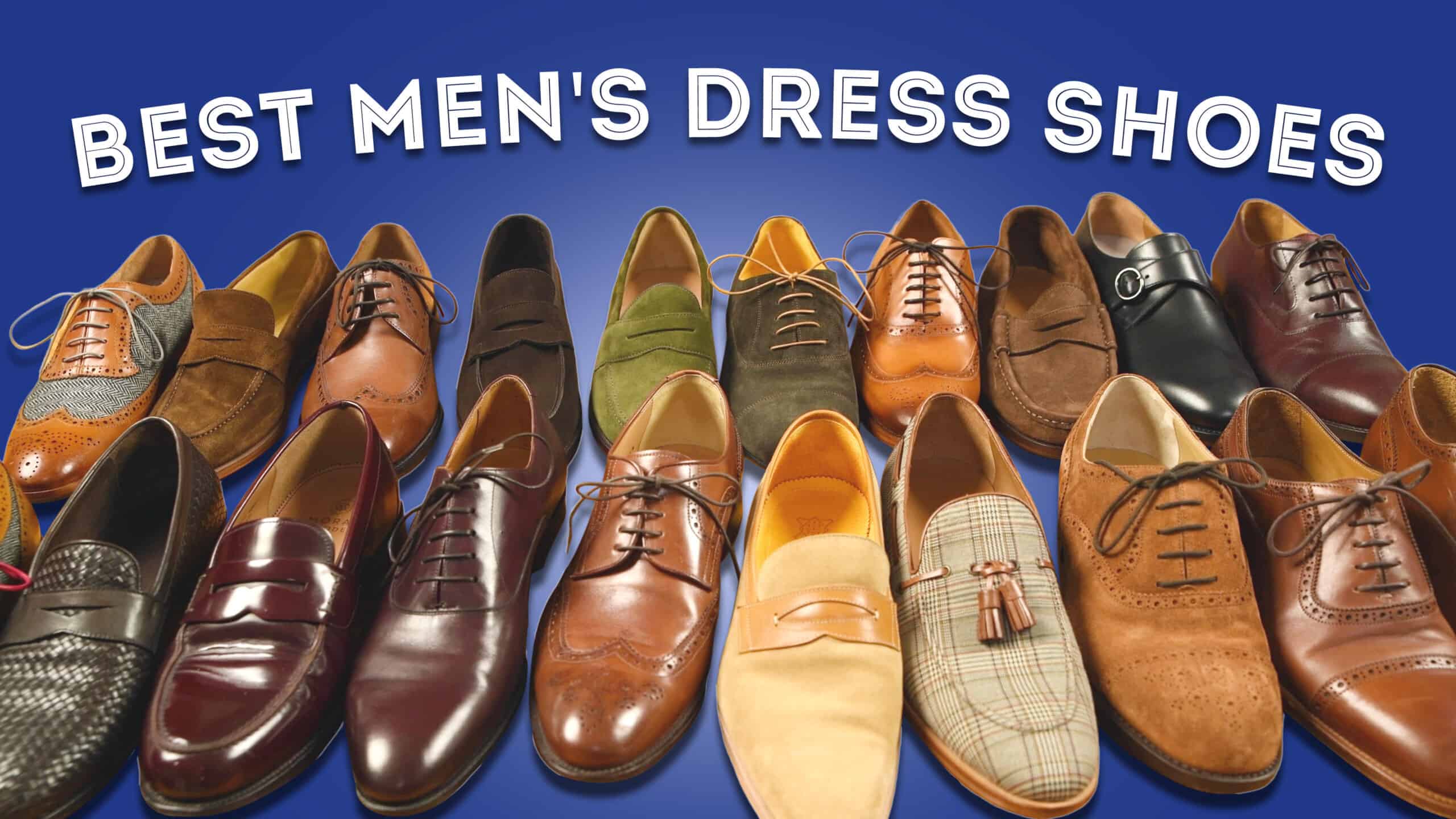
To ensure your entire attire consistently matches the caliber of your impeccably shined footwear, it is advisable to explore other definitive guides on men’s style. These resources often cover topics such as selecting the best men’s dress shoes, understanding how a dress shoe should fit for comfort and longevity, and mastering the art of pairing dress shoes with various garments, including more casual options like jeans. Each guide contributes to a comprehensive understanding of personal presentation, reinforcing the idea that true style is built on a foundation of knowledge, discernment, and meticulous care.
The journey to mastering the mirror shine is a testament to patience and a commitment to excellence. It is a skill that, once acquired, not only elevates one’s footwear but also reinforces a broader philosophy of living with precision and appreciation for fine craftsmanship.
Have you mastered the mirror shine, or are you still perfecting your technique? Share your shoe care experiences, challenges, and insights with us in the comments below. Your contributions enrich the collective knowledge of the sartorially inclined.