









The intersection of high fashion and cutting-edge technology reached a new milestone during the recent New York Fashion Week as Alta, the fashion-tech startup founded by Jenny Wang, unveiled a series of major expansions that signal a shift in how consumers interact with clothing. Building on the momentum of an $11 million funding round led by Menlo Ventures last year, Wang’s platform is transitioning from a consumer-facing app into a sophisticated enterprise solution. By integrating personalized digital avatars directly into brand websites, Alta is effectively bridging the gap between the cinematic imagination of the 1990s and the practical realities of modern e-commerce.
The concept of a computerized closet, famously popularized by the 1995 film "Clueless," where protagonist Cher Horowitz used a desktop computer to coordinate her outfits, has long been a benchmark for fashion technology. For decades, the industry struggled to replicate this experience with accuracy and speed. However, with the advent of generative artificial intelligence and advanced 3D rendering, Alta has successfully moved this concept into the mainstream. Since its initial launch in 2023, the platform has facilitated the creation of over 100 million outfits, earning accolades from prestigious publications such as Time and Vogue, which recognized the app as one of the most significant innovations of the past year.
The Strategic Expansion of Alta’s Ecosystem
The core of Alta’s value proposition lies in its ability to allow users to create digital versions of their own closets while also trying on new items using personalized virtual avatars. This "Alta Avatar" is not a generic mannequin but a data-driven representation of the user’s likeness and body type. During New York Fashion Week, Wang highlighted a critical evolution in the company’s business model: the move toward direct brand integration.
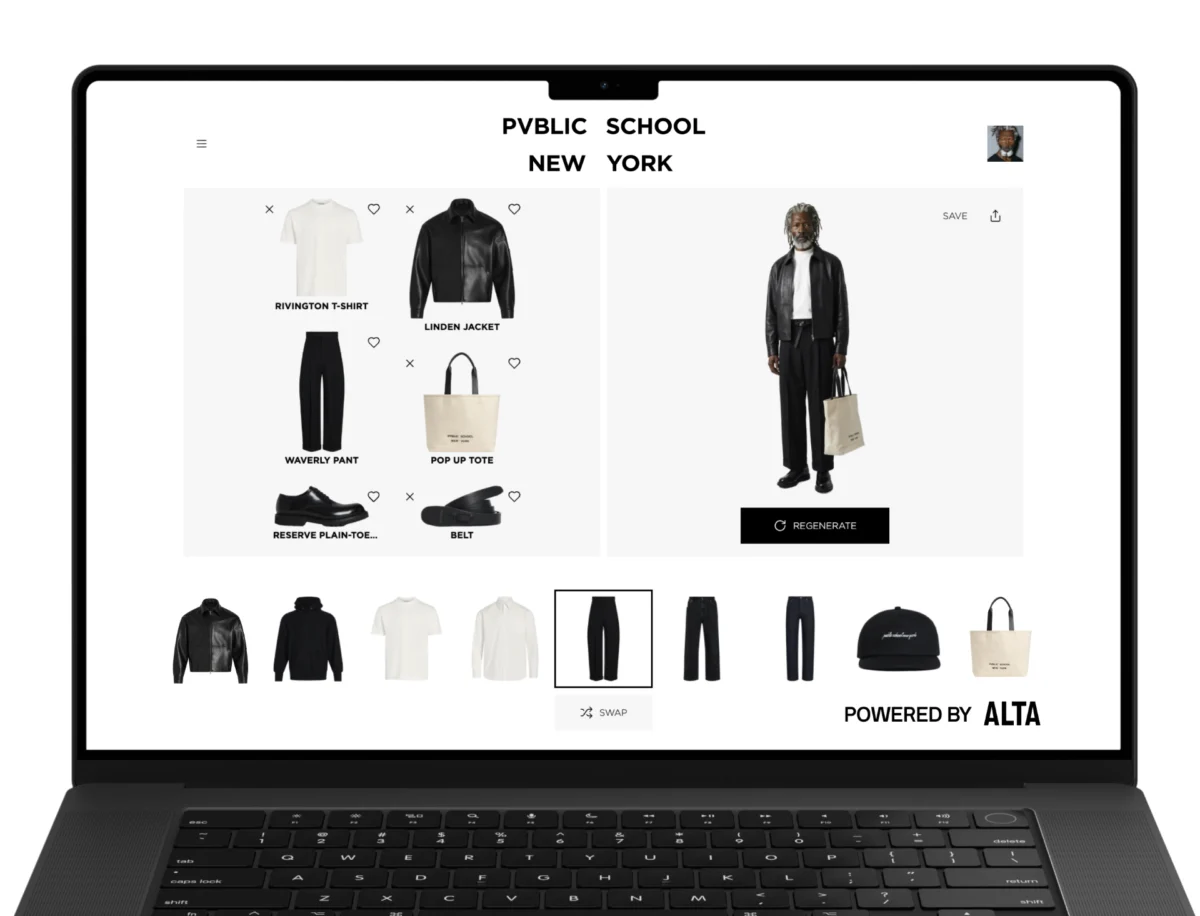
While the standalone Alta app already hosts thousands of brands for users to browse, the company is now focusing on embedding its technology into the digital infrastructure of fashion labels. The first major partnership in this initiative is with Public School New York, a brand that has held a significant position in the American fashion landscape for over a decade. By placing a "Style with Alta" icon on its product pages, Public School allows shoppers to instantly transport a garment onto their personal Alta avatar. This integration aims to solve one of the most persistent problems in online retail: the inability to visualize how a piece of clothing will look on a specific individual before a purchase is made.
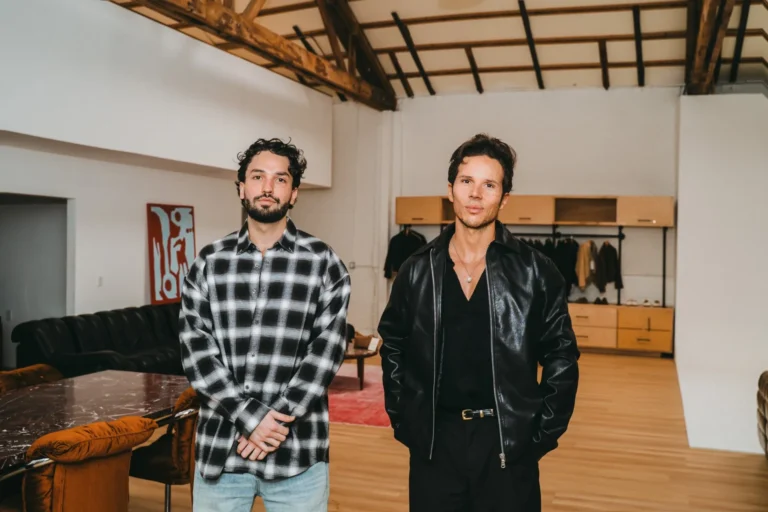
The collaboration with Public School is particularly noteworthy given the brand’s recent history. Founded by Dao-Yi Chow and Maxwell Osborne, Public School had been on a hiatus for several years. Their return to New York Fashion Week served as a "grand re-debut," and the founders were vocal about the necessity of technological adoption in the current market. Chow emphasized that the landscape has changed drastically since 2015, stating that technology must now be viewed as a strategic partner rather than a mere design tool. For Public School, Alta serves as a storytelling medium that allows consumers to experience the brand’s aesthetic in a personal, interactive way, regardless of their physical location.
Financial Foundations and Investor Confidence
The rapid scaling of Alta has been fueled by a diverse and high-profile group of investors. The $11 million funding round completed last year was not only significant for its capital but also for the strategic expertise of its participants. Menlo Ventures, a firm known for its early bets on industry-disrupting technologies, led the round. They were joined by the Anthology Fund, the venture capital arm of the AI safety and research company Anthropic, suggesting that Alta’s underlying AI architecture is of a caliber that attracts top-tier technical scrutiny.
In addition to traditional venture capital, Alta has garnered support from influential figures within the fashion and e-commerce sectors. Investors include supermodels Karlie Kloss and Jasmine Tookes, as well as Jenny Fleiss, the co-founder of Rent the Runway. The involvement of Fleiss is particularly telling, as she was a pioneer in the "sharing economy" for fashion; her backing of Alta suggests a belief that the next frontier of retail lies in digital personalization. Furthermore, the connection to Public School was facilitated by the founder of Poshmark, who serves as an angel investor in both entities, highlighting the tight-knit network of innovators currently reshaping the industry.
Technical Superiority in a Competitive Market
As the fashion industry increasingly looks toward the "metaverse" and digital twins, Alta is not the only player in the space. Major global retailers like Zara and luxury houses like Balmain have previously experimented with digital avatars and virtual models. However, Wang points to specific technical benchmarks that set Alta apart from these established giants.

One of the primary friction points in virtual try-on (VTO) technology is latency and capacity. According to Wang, existing solutions often suffer from slow processing times; for instance, she noted that Zara’s avatar system typically limits a user to four items and can take up to two minutes to render. In contrast, Alta’s AI engine is capable of layering at least eight different items onto an avatar within seconds. This speed is crucial for maintaining consumer engagement in a fast-paced digital shopping environment where every second of delay can lead to cart abandonment.
The technical complexity of Alta’s platform involves more than just 2D image overlays. The AI must account for fabric drape, texture, and how different garments interact when layered—such as a jacket over a sweater. By solving these physics-based challenges, Alta provides a more realistic representation of fit and style, which could significantly impact the high rate of returns that plagues the e-commerce sector. Industry data suggests that nearly 30% of all online clothing purchases are returned, often due to issues with fit or appearance, costing retailers billions of dollars annually.
Chronology of Innovation and Partnership
The trajectory of Alta illustrates a disciplined approach to growth and market penetration:
- 2023: Launch of the Alta consumer app, introducing the "digital closet" concept to a global audience.
- Late 2023: Recognition by Time and Vogue as a top innovation, coinciding with the milestone of 100 million outfits generated.
- 2024 (Early): Formalization of partnerships with Poshmark and the Council of Fashion Designers of America (CFDA), the latter providing Alta with a direct line to the most influential designers in the United States.
- 2024 (Mid): Completion of the $11 million funding round and development of the enterprise API for brand website integration.
- 2025 (Present): New York Fashion Week debut of the Public School integration, marking the first live instance of Alta’s technology embedded in a designer’s e-commerce platform.
The Future of Agentic Commerce
Looking beyond virtual try-ons, Jenny Wang views Alta as the foundational "data layer" for what she describes as "agentic commerce." This concept refers to a future where AI agents can make informed shopping decisions or recommendations on behalf of a user. For such a system to function effectively, the AI must possess a deep understanding of the individual’s existing wardrobe, style preferences, purchase history, and physical measurements.
"For agentic commerce to truly work, we need a data layer that understands the shopper’s style preferences," Wang explained. By acting as a "personal identity layer," Alta aims to become the central repository for a user’s digital fashion persona. In this vision, a user’s Alta avatar would not just be a tool for one website but a portable digital identity that could be used across the entire internet.
This strategy aligns with broader trends in the tech industry where "identity" is becoming a valuable commodity. Just as consumers use a single Google or Apple ID to log into various services, Wang envisions a future where a single "Alta ID" carries a user’s fit and style data to every digital storefront they visit. This would enable a hyper-personalized shopping experience where every item a user sees is already tailored to their body and existing closet.
Broader Implications for the Fashion Industry
The success of Alta and its integration with brands like Public School represents a turning point for the CFDA and the American fashion establishment. For years, the industry has debated how to make fashion week more "shoppable" and accessible to the general public. Virtual try-on technology provides a solution by allowing consumers to engage with runway collections in real-time from their own homes.
Furthermore, the environmental implications of Alta’s technology are substantial. By reducing the number of physical returns, the platform helps lower the carbon footprint associated with shipping and logistics. Additionally, it offers a pathway for brands to experiment with "digital-first" releases, where garments are only manufactured after they have been "tried on" and ordered virtually, potentially reducing the massive amounts of unsold inventory that currently contribute to textile waste.
As Alta prepares to announce more brand partnerships in the coming months, the industry will be watching closely to see if other major retailers follow Public School’s lead. If Alta can maintain its technical lead in rendering speed and accuracy, it may well become the standard interface for the future of digital retail, finally making the futuristic vision of "Clueless" a universal reality for the modern consumer.