









The arrival of wedding season traditionally heralds a period of joyful celebration, but for many guests, it also ushers in the perennial dilemma of what to wear – a decision increasingly fraught with environmental and ethical considerations in an era of heightened conscious consumerism. This year, as countless couples prepare to exchange vows, the focus for guests is shifting towards more sustainable wedding attire, moving beyond the fast-fashion cycle of "wear once" outfits to embrace options that are both stylish and environmentally responsible. Our editors, leveraging a rigorous ratings system that assesses brands based on their impact on people, the planet, and animals, have curated a comprehensive guide to help guests navigate this challenge, offering inspiration from top-rated brands that champion sustainability.
The Unseen Environmental Footprint of Occasionwear
The pressure to present a fresh, new look for each wedding invitation has long contributed to the fashion industry’s colossal waste problem. According to a 2023 report by the United Nations Environment Programme (UNEP) and the Ellen MacArthur Foundation, the fashion industry is responsible for 10% of global carbon emissions, more than international flights and maritime shipping combined. A significant portion of this impact stems from the production of garments that are worn infrequently, such as occasionwear. These items often feature complex designs, mixed materials, and embellishments that make them difficult to recycle, leading to millions of tons of textiles ending up in landfills annually. Data from the Environmental Protection Agency (EPA) in the United States indicates that textile waste constitutes over 5% of all landfill waste, with the average American discarding 81 pounds of clothing each year. For wedding guests, the impulse to buy a new dress or suit for each event, driven by social expectations and the ubiquity of affordable fast fashion, exacerbates this cycle, contributing to excessive resource consumption and pollution.
Beyond carbon emissions, the production of new garments demands vast quantities of water, energy, and raw materials. Conventional cotton cultivation is highly water-intensive and often relies on harmful pesticides, while synthetic fabrics like polyester, commonly found in formal wear, are derived from fossil fuels and shed microplastics into waterways with every wash. The dyeing processes release toxic chemicals, and labor practices in manufacturing supply chains frequently fall short of ethical standards, impacting worker welfare. Recognising these profound impacts, a growing segment of consumers, informed by advocacy groups and transparent rating systems like Good On You, are actively seeking alternatives that align with their values. This shift reflects a broader societal movement towards mindful consumption, where individuals seek to minimise their ecological footprint even during celebratory moments.
A New Paradigm for Wedding Guest Dressing: The 3 R’s and Beyond
The journey towards a more sustainable wardrobe for wedding season begins not with buying new, but with a critical assessment of existing resources. The "3 R’s" of sustainability—Reduce, Reuse, Recycle—offer a foundational framework, expanded by contemporary solutions tailored for occasionwear.
- Re-wearing and Re-styling: The most sustainable outfit is the one already owned. Encouraging guests to revisit their wardrobes and embrace creativity is paramount. This can involve restyling an existing dress with new accessories, layering different pieces, or combining items that have never been worn together. A study by the Waste & Resources Action Programme (WRAP) found that extending the active life of clothing by just nine months could reduce carbon, water, and waste footprints by around 20-30%. This simple act not only saves money but also significantly reduces environmental impact.
- Secondhand and Vintage Options: The secondhand market has experienced a significant boom, driven by both economic and environmental factors. Platforms like ThredUp and Depop, alongside local consignment stores and vintage boutiques, offer a treasure trove of pre-loved garments, including high-quality occasionwear. The resale market, projected to reach $84 billion by 2030, according to ThredUp’s 2021 Resale Report, presents a compelling alternative to new purchases, offering unique styles and reducing the demand for new production. This option also often allows access to higher-end brands at a fraction of their original cost.
- The Rise of Rental Services: Clothing rental has emerged as a particularly popular and practical solution for event dressing, addressing the "wear once" problem directly. Services such as Rent the Runway, Hurr, By Rotation, Vow to be Chic, Glam Corner, and MyWardrobe allow guests to wear designer outfits for a fraction of the purchase price, returning them after the event. This model promotes a circular economy, maximising the utility of each garment and drastically reducing waste. Industry analysts predict the global online clothing rental market to grow substantially, driven by younger demographics and a heightened environmental consciousness. These platforms typically handle cleaning and maintenance, offering convenience and a constantly refreshed selection without the commitment of ownership.
Investing Wisely: Top-Rated Sustainable Brands for New Purchases
When purchasing a new outfit becomes necessary, the emphasis shifts to conscious investment in high-quality, sustainably produced garments designed for longevity and versatility. The goal is to choose pieces that can be worn beyond the single wedding event, integrating seamlessly into a broader wardrobe. While sustainable fashion may sometimes carry a higher upfront cost compared to fast fashion, its durability and ethical production offer greater long-term value. Moreover, the market is expanding to include more affordable sustainable brands, making ethical choices more accessible. The following brands, assessed for their environmental, labor, and animal welfare practices, represent exemplary options for sustainable wedding guest attire, from elegant dresses and tailored suits to sophisticated accessories and footwear.
Sustainable Clothing Choices for the Discerning Guest
OMNES
OMNES, a UK-based brand, epitomises accessible sustainability in women’s fashion. Launched with a clear mission to transform consumer shopping habits and industry practices, OMNES offers high-quality womenswear at a more approachable price point. Their commitment extends to using lower-impact materials and ensuring transparency within their supply chain, a factor increasingly important to informed consumers. Available in sizes 6-20, OMNES provides elegant and versatile pieces that can be easily restyled for multiple occasions, proving that ethical fashion doesn’t have to break the bank. Their collections often feature timeless silhouettes designed to remain relevant season after season.
Ninety Percent
Ninety Percent is a British label with a revolutionary business model that directly links profit to purpose. The brand commits to sharing 90% of its profits with five charitable causes and the individuals who craft their collections. This dedication to social responsibility is complemented by rigorous environmental standards, including the publication of supplier and factory details on their website, fostering unparalleled transparency. Specializing in stylish womenswear, Ninety Percent’s collections, available in UK sizes 2XS-2XL, are designed for longevity and versatility, making them excellent investments for conscious consumers seeking both style and impact. Their ethical framework sets a benchmark for philanthropic fashion enterprises.
Jiwya
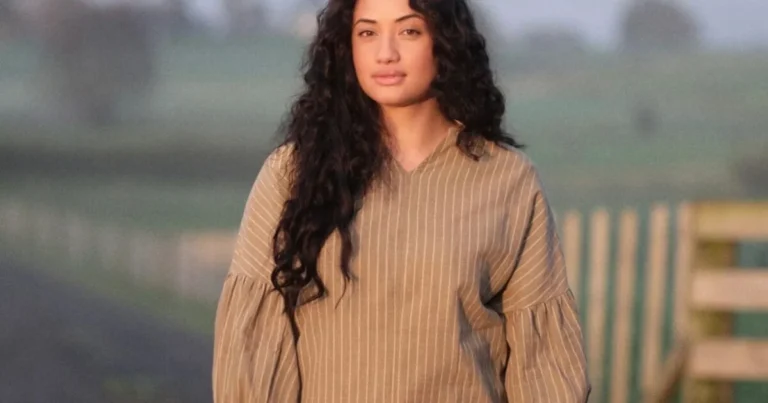
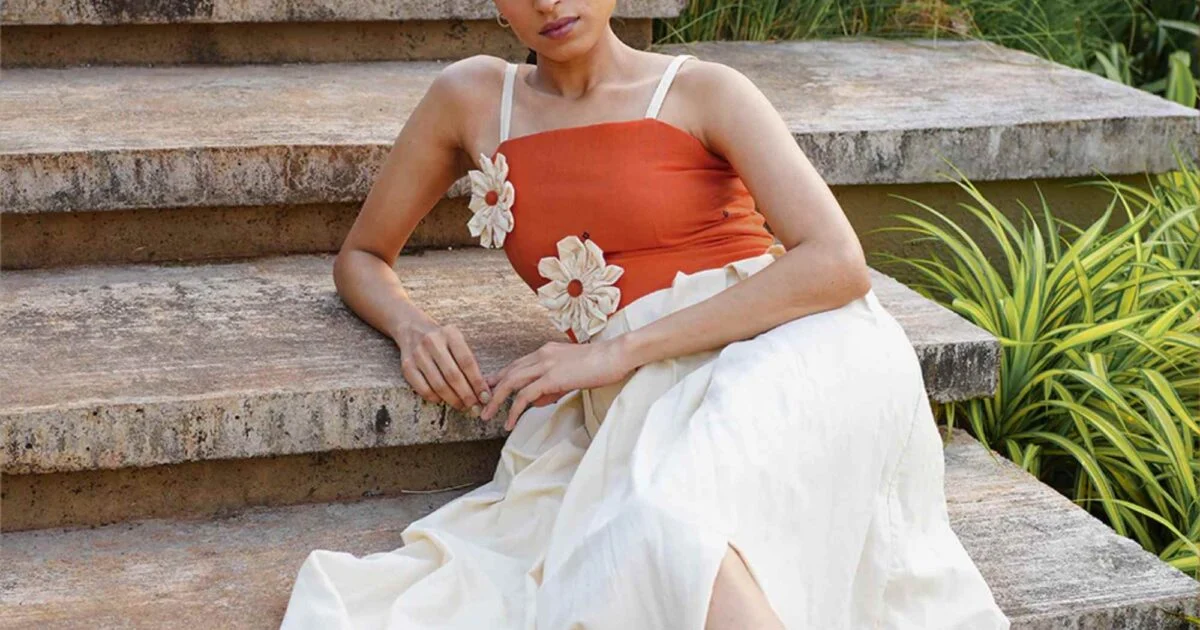
Jiwya distinguishes itself by celebrating heritage techniques and utilising lower-impact, plant-based materials. This fashion brand champions traditional craftsmanship, incorporating hand-spinning and hand-weaving into its production processes. Jiwya’s approach not only minimises environmental impact but also supports artisan communities, preserving invaluable skills. Their designs often reflect a timeless elegance, ensuring that pieces are cherished for years rather than discarded after a single event. With a focus on quality and cultural preservation, Jiwya offers unique and meaningful attire options that tell a story. The brand occasionally features exclusive offers, such as 10% off with specific codes, making their handcrafted pieces more accessible.
Coco & Kandy
From Bulgaria, Coco & Kandy focuses on creating uncomplicated, high-quality clothing perfect for warmer climates and relaxed formal settings. The brand prioritises lower-impact materials and maintains a transparent supply chain, tracing most of its production journey and conducting regular supplier visits to ensure ethical practices. Their collections are characterised by their ease of wear and sophisticated simplicity, designed to be versatile additions to any wardrobe. Coco & Kandy represents a blend of European design sensibility with a strong commitment to environmental and social responsibility, offering comfort without compromising on style.
AYANI
AYANI embodies affordable luxury through timeless, feminine, and effortlessly elegant clothing. Designed to instil comfort and confidence, AYANI focuses on creating pieces that transcend fleeting trends. While specific material details may vary, their philosophy aligns with producing garments meant to be worn repeatedly, reducing the need for constant new purchases. AYANI appeals to guests looking for sophisticated yet comfortable attire that can be dressed up or down for various events beyond a wedding. Their commitment to lasting design contributes to a more sustainable consumption pattern.
Christy Dawn
Christy Dawn offers a refreshing take on vintage-inspired women’s clothing and footwear, with a strong emphasis on local production and waste reduction. The US brand primarily uses surplus fabric, known as "deadstock," preventing it from ending up in landfills. This circular approach to materials, combined with local manufacturing, earns Christy Dawn a "Great" rating for its environmental practices. Available in standard sizes XS-XL, with extended and petite collections, Christy Dawn’s designs exude a timeless charm, making them perfect for guests seeking unique, romantic, and sustainably made outfits. Their commitment to regenerative farming also sets them apart, aiming for a net-positive impact.
The Summer House
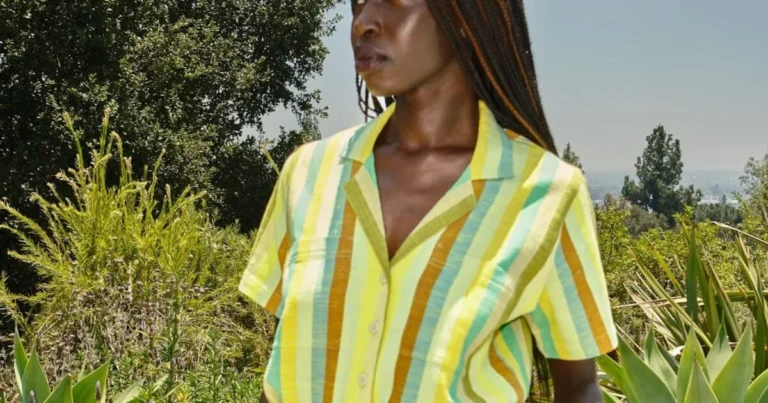
Based in India, The Summer House crafts beautiful womenswear using locally sourced, lower-impact fabrics. The brand’s commitment extends to partnering with local artisans and NGOs, providing vital economic opportunities within the region. Their collections are renowned for elegant prints and flowing silhouettes that are both comfortable and chic, ideal for diverse wedding settings. Available in sizes XS-XL, The Summer House offers pieces that embody traditional craftsmanship with a modern aesthetic, promoting ethical labor and sustainable material use. They often provide exclusive discounts, such as 15% off site-wide or on specific items, encouraging conscious shopping.
SeamsFriendly
SeamsFriendly champions inclusivity and customisation, creating tailored pieces for all body types. Their design philosophy centres on function and utility, utilising lower-impact materials like organic cotton and linen. A standout feature is their customisation option, allowing shoppers to modify neck styles, sleeve lengths, garment lengths, and fabrics to their exact preferences. This bespoke approach ensures a perfect fit, drastically reducing returns and promoting garment longevity. With an extensive size range (womenswear: bust 26″-70″, waist 19″-63″; menswear: chest 34″-76″+; kids: bust 18″-28″, waist 19″-26″), SeamsFriendly exemplifies how mass customisation can be a powerful tool for sustainability and customer satisfaction. The brand offers various promotions, including 10% off reversible clothing and best-selling styles.
OhSevenDays
Founded by Australian-Canadian Megan Mummery in Istanbul, OhSevenDays is a pioneer in circular fashion, making slow fashion from fast fashion’s leftovers. The brand reclaims end-of-roll fabrics from Istanbul’s garment factories, transforming them into sharp, everyday womenswear. This innovative approach prevents high-quality textiles from going to waste, embodying the "power of circularity." OhSevenDays’ garments, available in sizes XS-XL or custom sizing, are designed to be both wearable and responsible, offering a stylish solution that directly tackles textile waste. Their unique model serves as a powerful example of how creative solutions can mitigate environmental harm.
SANTICLER
SANTICLER, an US-based label, curates timeless collector’s pieces that blend modern silhouettes with an unwavering commitment to sustainability. As an early advocate of slow fashion, the brand designs and produces its collections with the intention of reducing waste, primarily using lower-impact materials such as GOTS-certified cotton and responsibly sourced wool. Their dedication to creating durable, seasonless garments in sizes XS-L makes SANTICLER an excellent choice for investment pieces that will endure beyond transient trends. The brand’s ethos resonates with consumers seeking sophisticated fashion with a clear ethical provenance.
Akyn
Founded by Amy Powney, a celebrated figure in sustainable fashion, Akyn offers contemporary and timeless womenswear crafted from lower-impact materials. Powney’s extensive experience and dedication to ethical production are embedded in Akyn’s DNA, ensuring that each garment meets stringent sustainability standards. The brand focuses on elegant, minimalist designs that are versatile and durable, intended to be staples in a conscious wardrobe. Akyn represents a commitment to both aesthetic excellence and environmental stewardship, appealing to those who appreciate understated luxury with a clear conscience.
ASKET
ASKET has redefined wardrobe essentials since 2015 by focusing on revolutionary sizing and fair pricing, eschewing seasonal collections in favour of a single, permanent collection. By cutting out middlemen and selling directly to consumers, ASKET maintains full control over its supply chain and pricing, ensuring transparency and ethical practices. Their commitment to timeless design and quality construction in sizes 2XS-2XL means garments are built to last, reducing the need for frequent replacements. ASKET’s approach challenges the conventional fashion calendar, advocating for thoughtful consumption and durable goods.
Facettes Studio
Facettes Studio, a Parisian brand, caters to "wardrobe essentials for the multifaceted woman" with a strong emphasis on circularity. Specializing in suits, the brand exclusively uses upcycled materials and has banned polyester and polyamide from its collections, a bold step towards reducing plastic pollution. Facettes Studio further supports garment longevity by offering a repairs and alterations service, promoting a culture of care and extended wear. Available in sizes FR 34-44, their designs combine Parisian chic with uncompromising ethical standards, offering sophisticated options for formal events.
CARPASUS
For male wedding guests, CARPASUS, a Swiss menswear brand, offers fine shirts, ties, socks, and pocket squares with a strong ethical backbone. Utilising GOTS-certified cotton and manufacturing locally, CARPASUS minimises its carbon footprint. The brand also traces its entire supply chain and ensures workers receive a living wage, setting a high standard for social responsibility. Available in EU sizes 36-46, CARPASUS provides classic, high-quality pieces that combine elegance with a commitment to fair labor and environmental stewardship, making it an ideal choice for the conscious gentleman.
Opera Campi
Founded in Italy in 2017, Opera Campi creates premium quality garments from locally-sourced raw materials. The brand adopts a balanced approach to sustainability, making conscious choices throughout its supply chain to minimise impact. Furthermore, Opera Campi demonstrates a strong commitment to social causes, donating 4% of its profits. With an inclusively sized range from 3XS-3XL, Opera Campi offers stylish and ethically produced options for a wide array of body types, ensuring that luxury and responsibility go hand-in-hand.
Artknit Studios
Artknit Studios specialises in timeless knitwear crafted from 100% lower-impact materials, made responsibly by Italian artisans. Embodying the motto "buy less, buy better," the brand’s partners are dedicated to anti-waste practices, using only certified and locally-sourced fibres. Their collections are designed for durability and classic appeal, ensuring that each piece remains a cherished part of the wardrobe for years. Available in sizes XS-XXL, Artknit Studios provides luxurious, ethically produced knitwear that offers comfort and sophistication for various occasions, including cooler wedding events.
Accessories: The Sustainable Finishing Touch
FUTURA Jewelry
FUTURA Jewelry, a New York-based brand, stands at the forefront of responsible luxury. Each piece is handcrafted with mercury-free 18kt Certified Fairmined Ecological gold, sourced exclusively from the world’s three certified Fairmined mines that operate without toxic chemicals like mercury and cyanide. This unparalleled commitment to environmental purity and ethical sourcing ensures that FUTURA Jewelry offers truly guilt-free sparkle. Their exquisite designs are not only beautiful but also carry a powerful narrative of responsible mining and environmental protection, making them ideal for adding a sustainable touch of elegance to any wedding ensemble.
Bario Neal
Bario Neal is a custom jewellery designer renowned for creating handmade rings and fine jewellery using conflict-free diamonds and other gemstones. The brand’s commitment to lower-impact materials includes reclaimed precious metals, Fairmined gold, and ethically sourced stones. Each uniquely designed piece reflects a dedication to transparency and responsible sourcing, ensuring that beauty does not come at the expense of human rights or environmental degradation. Bario Neal provides exquisite, meaningful jewellery that aligns with the values of conscious consumers.
ARTICLE22
ARTICLE22 embodies extraordinary innovation and social impact. Every piece of their jewellery is locally handcrafted in Laos, utilising recycled materials from Vietnam War bombs, plane parts, military hardware, and other aluminium scraps. This remarkable brand transforms remnants of conflict into symbols of hope, empowering local artisans with new skill sets and a sustainable source of income. Beyond its circular economy model, ARTICLE22 actively contributes to clearing unexploded bombs in Laos and donates a proportion of its profits to community development for workers. Available in sizes S-XL, ARTICLE22 offers deeply meaningful and uniquely styled accessories that represent a powerful statement of peace and resilience.
Mashu
Mashu is a British sustainable vegan accessories label specialising in handbags that prove style and ethics can coexist. The brand crafts its exquisite exteriors with vegan leather alternatives, while interiors feature vegan suede made from recycled polyester. This dedication to animal welfare and environmental responsibility earns Mashu a "Good" environmental rating. Their designs are sophisticated and versatile, offering a cruelty-free option for wedding guests seeking a chic accessory. Mashu’s commitment ensures that fashion-forward choices don’t necessitate compromising moral values.
Sustainable Footwear: Stepping Forward with Purpose
ESSÄN
Founded in 2016 by Marre Muijs, ESSÄN was established as a direct response to a fashion cycle marred by overproduction, trend-chasing, and waste. The brand, which limits its production runs and employs low-waste cutting techniques, rejects the traditional fashion calendar in favour of a single, permanent collection of shoes and accessories. ESSÄN’s philosophy is centred on creating timeless, durable pieces designed to last, promoting thoughtful consumption over fleeting trends. Their footwear offers elegant and responsible choices for guests seeking to complete their sustainable ensembles with integrity.
Agazi
Agazi is a vegan footwear brand from Poland that offers a diverse range of sneakers, sandals, heels, and flat shoes. Their commitment to ethical production is evident in their exclusive use of non-animal-derived materials, including innovative alternatives like hemp, apple skin, and grape-based leathers. Agazi provides stylish and comfortable options for wedding guests who wish to ensure their entire outfit, down to their shoes, aligns with vegan and sustainable principles. Their pioneering use of bio-based materials showcases the potential for innovation in ethical footwear.
Broader Impact and Implications
The growing demand for sustainable wedding guest attire signals a significant shift in consumer values and presents both opportunities and challenges for the fashion industry. For established brands, it necessitates a re-evaluation of supply chains, material sourcing, and production practices, pushing them towards greater transparency and accountability. For emerging sustainable brands, it opens doors to a market eager for ethical alternatives, fostering innovation in materials and business models.
Economically, this shift supports local economies and artisan communities, particularly in regions where traditional crafts are at risk. Socially, it champions fair labor practices, ensuring that the people who make our clothes are treated with dignity and paid a living wage. Environmentally, the move away from disposable fashion reduces landfill waste, conserves precious resources, and mitigates pollution.
However, challenges remain. The cost of sustainable production, which often involves higher-quality materials and ethical labor, can translate to higher prices for consumers, creating a barrier for some. Greenwashing, where brands misleadingly market themselves as sustainable, also poses a threat, underscoring the importance of independent rating systems like Good On You that provide objective assessments.
Looking ahead, the trajectory is clear: sustainability is no longer a niche concern but a fundamental expectation. Continuous innovation in bio-materials, advancements in circular design, and increasing consumer education will further accelerate the adoption of ethical fashion. The wedding season, a microcosm of broader societal trends, is becoming a powerful platform for demonstrating how celebration and responsibility can harmoniously coexist. By embracing re-wearing, renting, buying secondhand, or investing in truly sustainable new pieces, wedding guests can make a meaningful difference, one thoughtful outfit choice at a time. The message is resounding: celebrating love doesn’t have to cost the Earth.
Editor’s note: Feature image via Jiwya, all other images via brands mentioned. Good On You publishes the world’s most comprehensive ratings of fashion and beauty brands’ impact on people, the planet and animals.
We updated this article on 4 June 2026. Our editors frequently make updates to articles to ensure they’re up to date. We refreshed our round-up of brands and products.