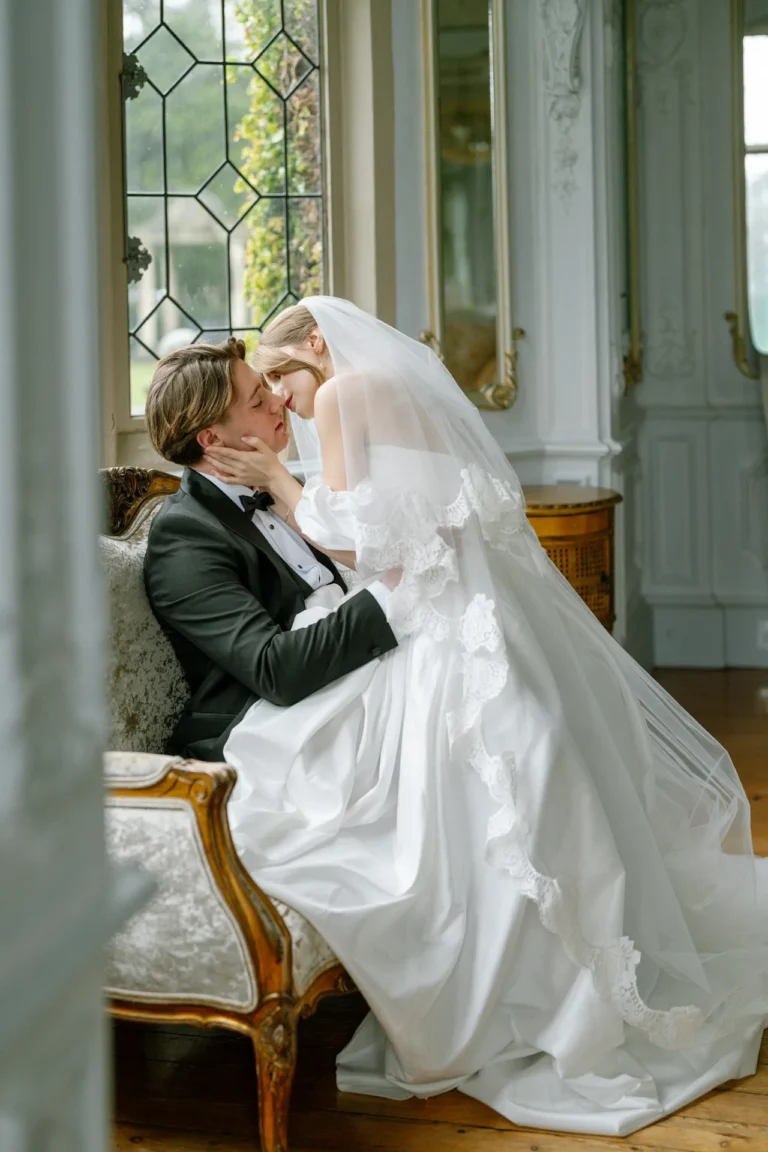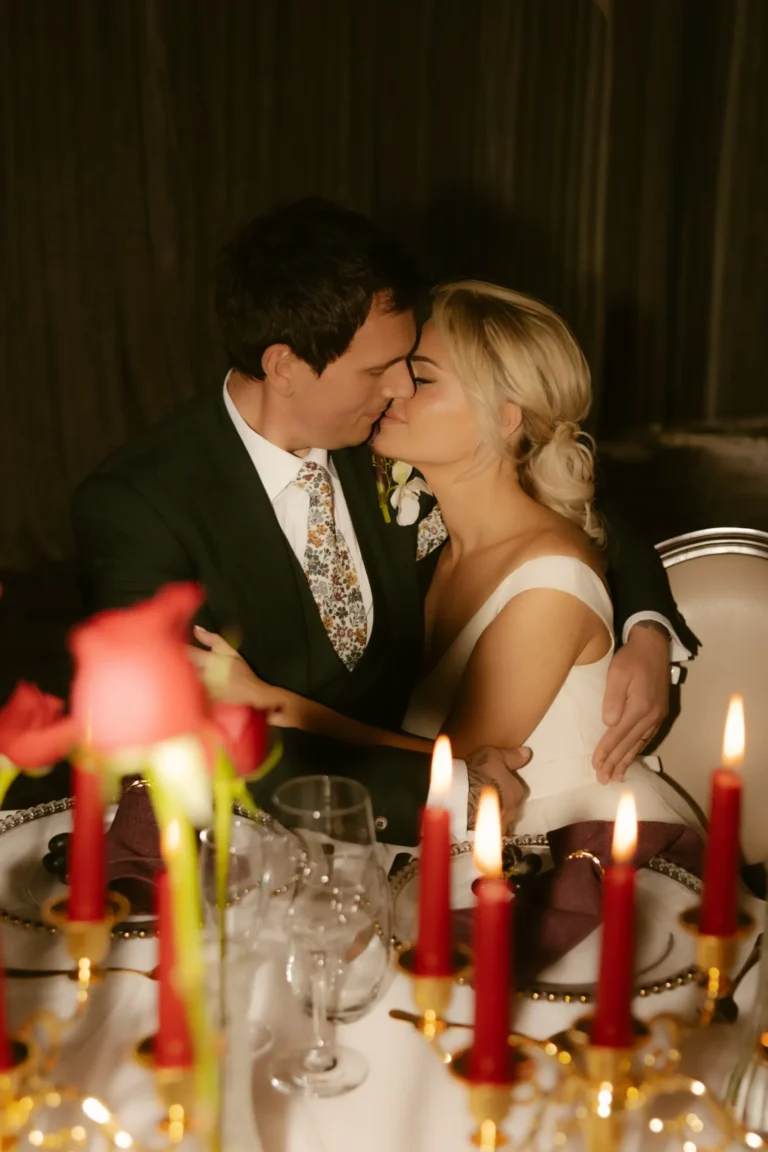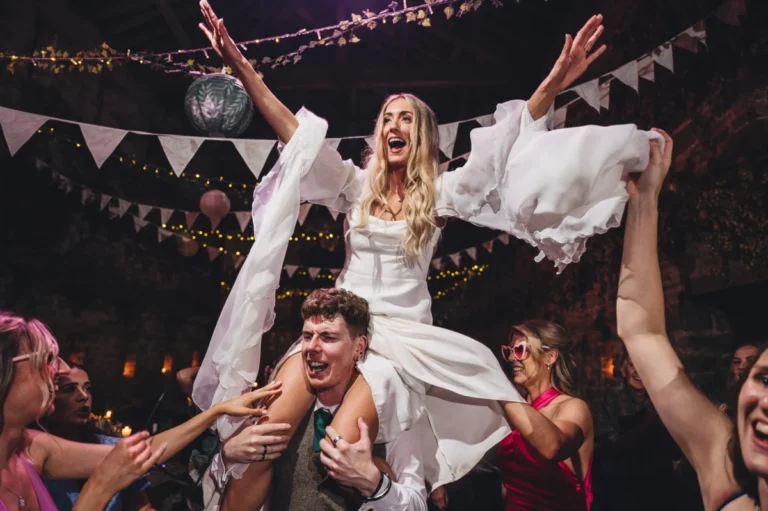

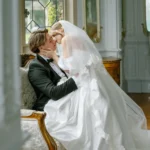





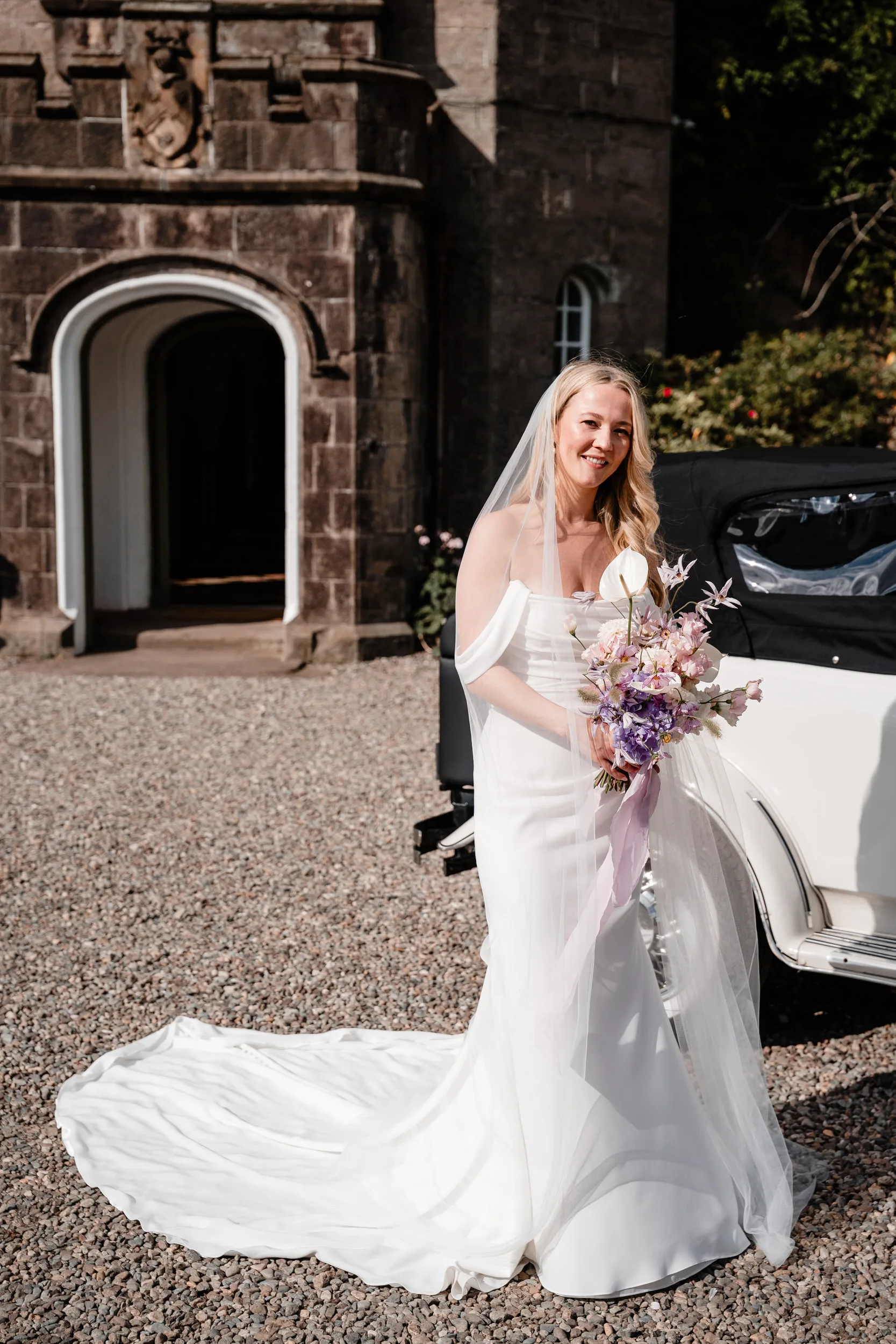
The nuptials of Rachael and Clyde, held at the historic Boturich Castle overlooking Loch Lomond, represent a significant example of the modern "heritage-fusion" wedding, blending traditional Scottish elements with Indian cultural rites. The couple, who currently reside in Canada, returned to Rachael’s native Scotland to host a multi-day celebration that utilized the dramatic topography of the West Highland Way to welcome international guests. This event underscores a broader trend within the Scottish tourism and events industry: the rise of high-end destination weddings that prioritize ancestral ties and bespoke cultural integration over standardized ceremony formats.
Strategic Venue Selection and Geographic Context
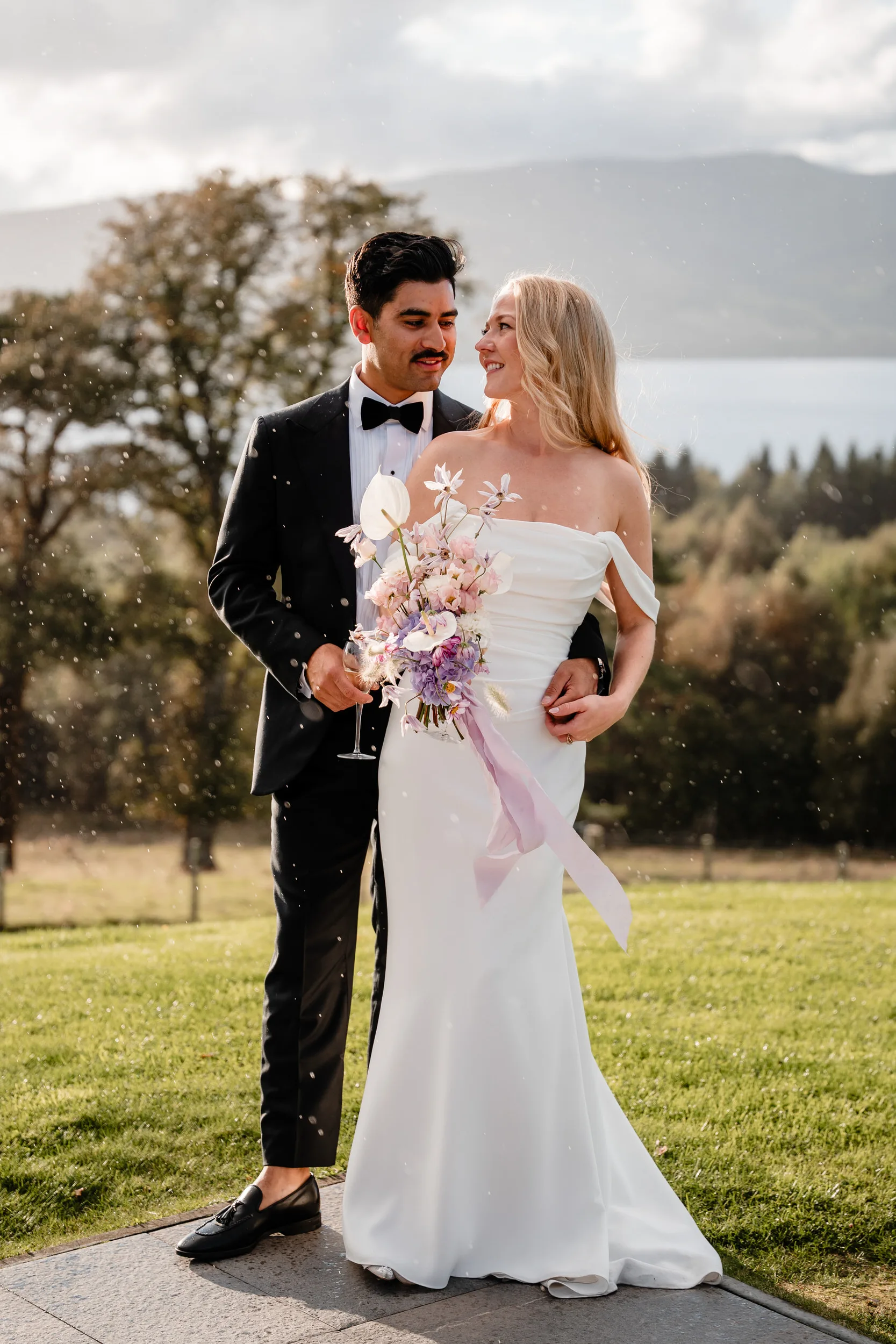
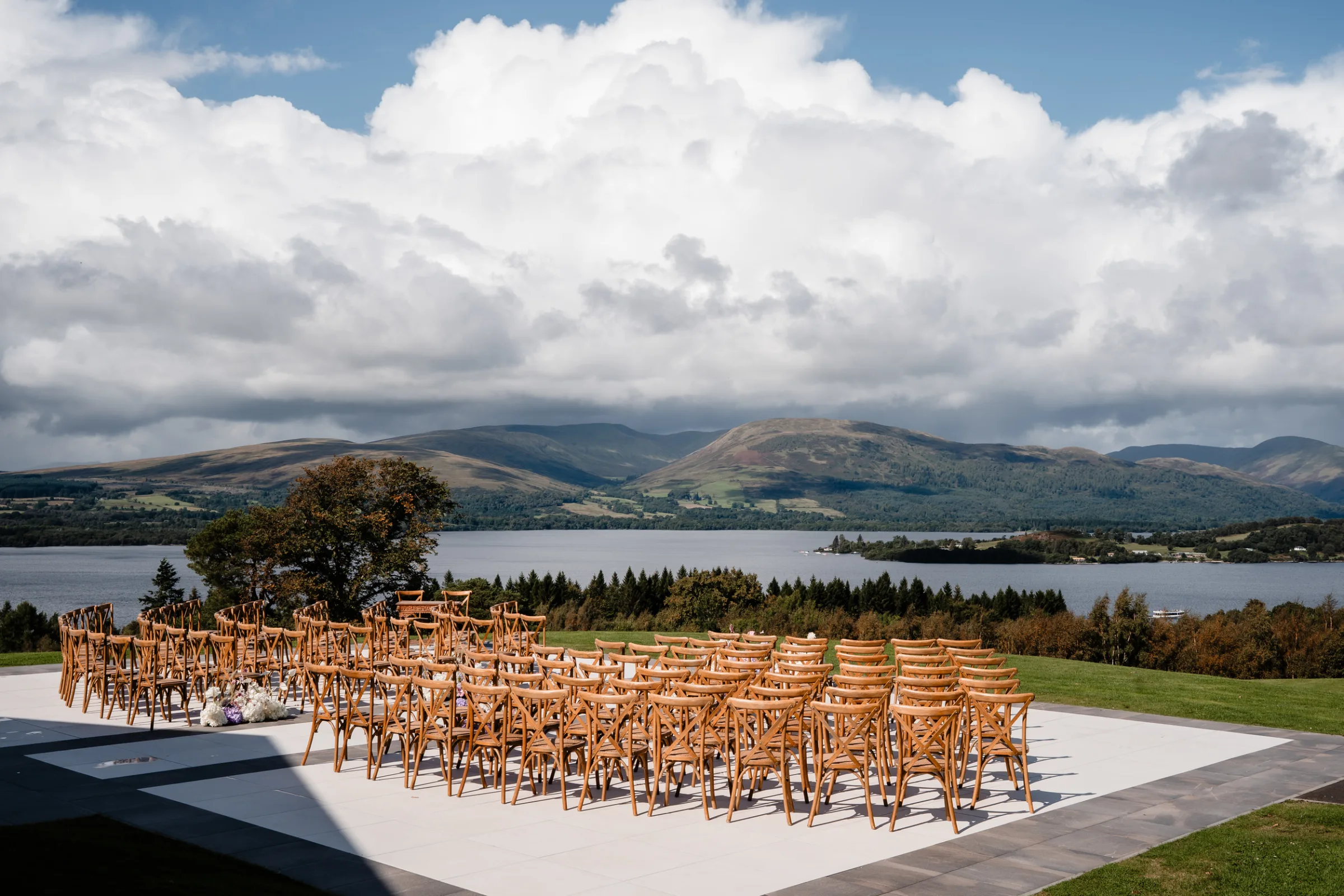
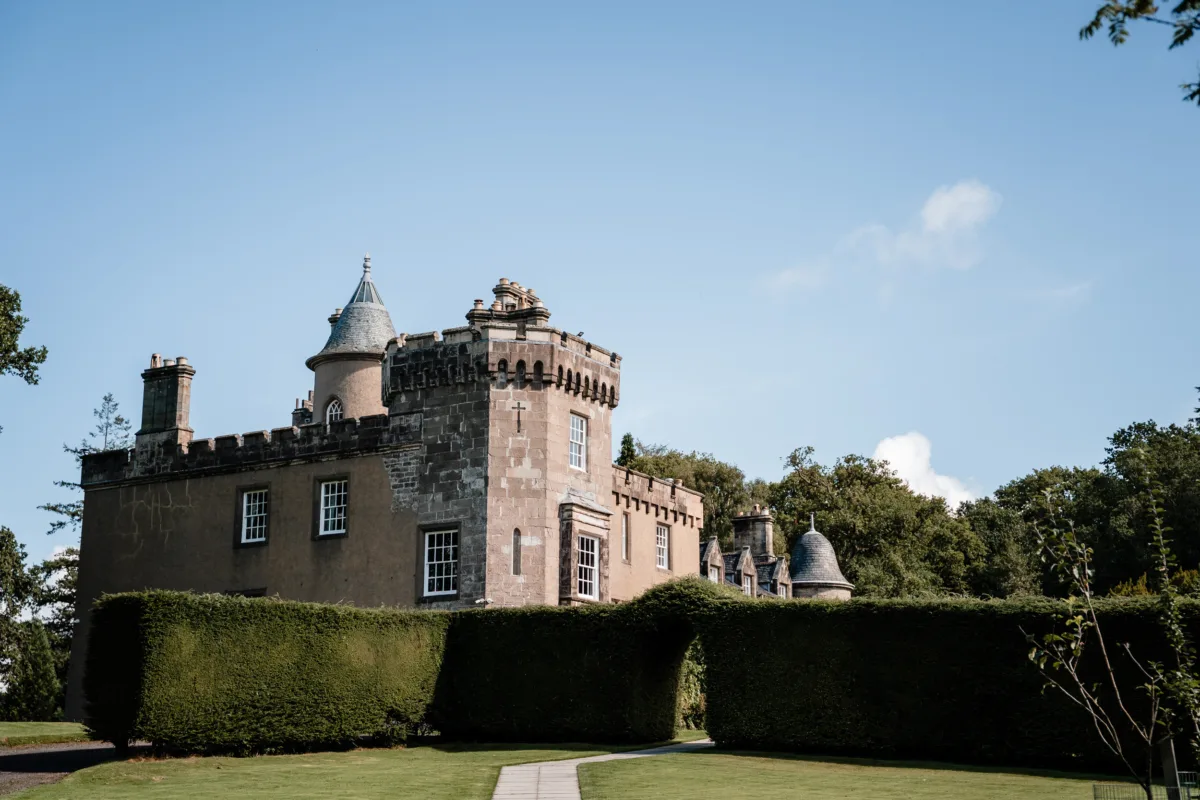
Boturich Castle was selected for its unique position as the only remaining private castle on the banks of Loch Lomond. Situated within the Loch Lomond and The Trossachs National Park, the venue provides a panoramic vista that includes the loch and the mountains of the southern Highlands. For a couple living in North America, the choice of Boturich Castle served a dual purpose: it provided a quintessentially Scottish backdrop for international attendees and offered a logistically sound location with proximity to Glasgow’s transport hubs.
The choice of location was not merely aesthetic but deeply personal. The groom’s name, Clyde, served as a symbolic link to Rachael’s origins in Glasgow, where the River Clyde is a central geographic feature. This nomenclature coincidence, which initially sparked their connection on a digital dating platform in Toronto, came full circle as they exchanged vows overlooking one of Scotland’s most famous bodies of water.
Chronology of the Multi-Cultural Celebration
The wedding festivities were structured to honor the diverse backgrounds of both families, beginning with a pre-wedding event that established the tone for the weekend.
The Indian Roce Ceremony
On the evening preceding the wedding, the couple hosted an Indian Roce at Auchendennan Cottages. This traditional Goan and Mangalorean Catholic pre-wedding ritual involves the anointing of the bride and groom with "roce" (coconut milk) and oil. The ceremony serves as a final blessing before the marriage, symbolizing the transition from single life to matrimony. By choosing the lodges of Auchendennan for this rite, the couple successfully transposed a South Asian tradition onto the rugged banks of Loch Lomond, creating a cross-cultural synthesis that defined the weekend.
The Humanist Ceremony and Handfasting
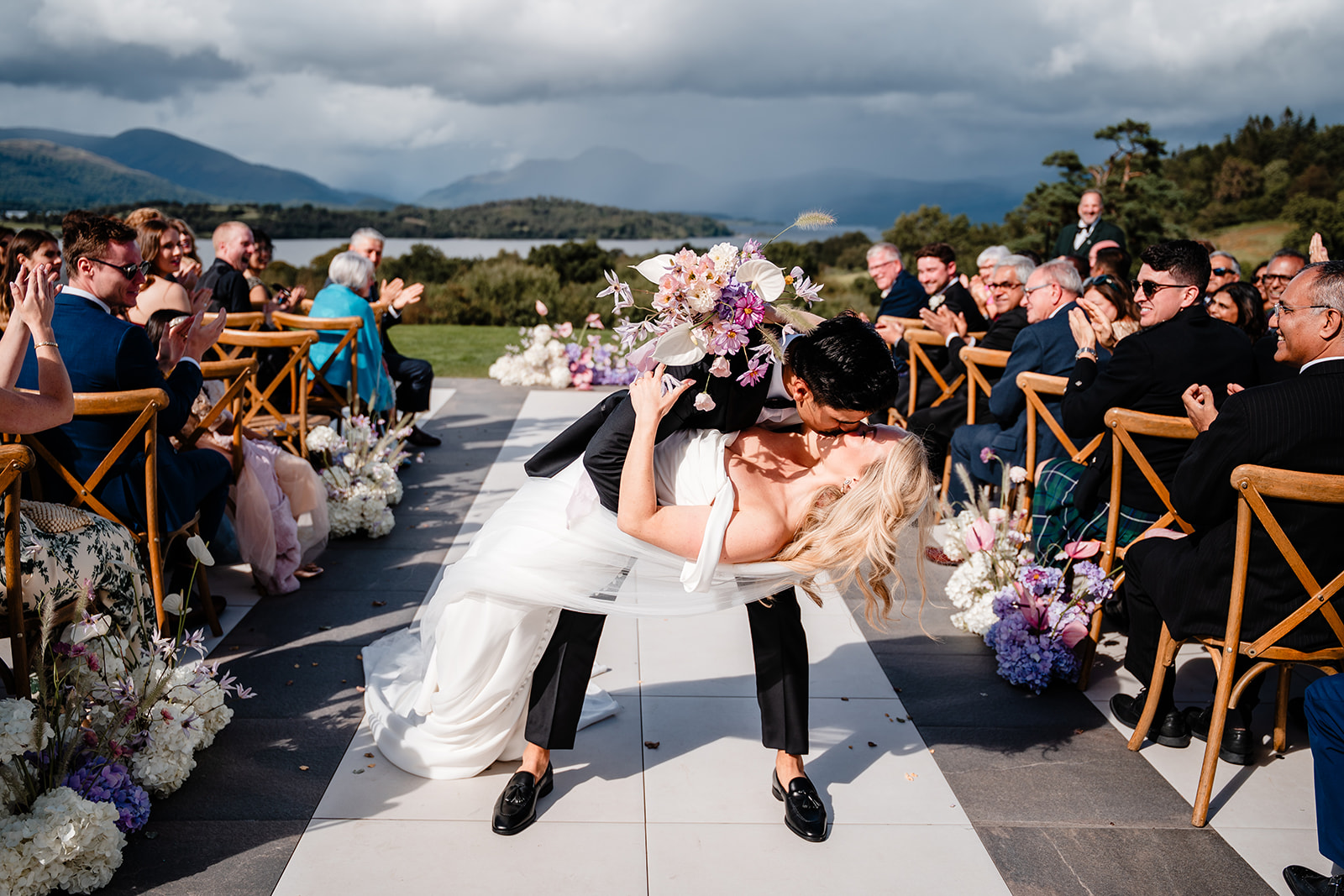
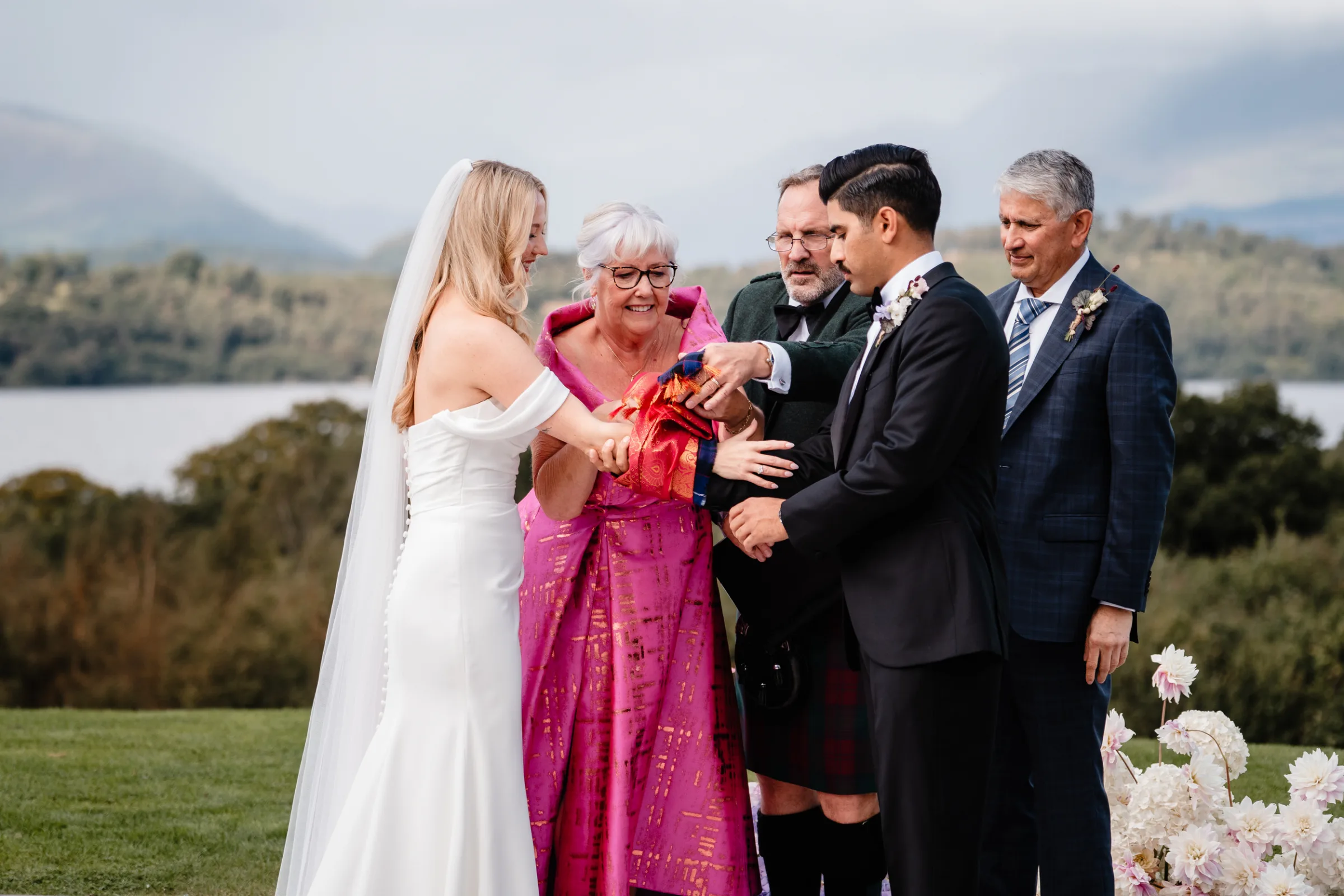
The formal wedding ceremony took place the following day, officiated by Alex Moore, a prominent Scottish humanist celebrant. Humanist ceremonies have seen a surge in popularity in Scotland since they were legally recognized in 2005, often surpassing religious ceremonies in annual frequency. This format allowed Rachael and Clyde to customize their liturgy, incorporating personal vows and a "tying of the knot" or handfasting ceremony.
The handfasting was a focal point of the union, utilizing two distinct fabrics: a piece of traditional Scottish tartan and a segment of Indian fabric belonging to the groom’s mother. This physical intertwining of textiles served as a metaphor for the union of the two families and their respective histories. Rachael was escorted down the aisle by both her mother and father, a departure from singular paternal traditions, reflecting a contemporary shift toward inclusive family representation in modern nuptials.
Aesthetic Direction and Floral Design
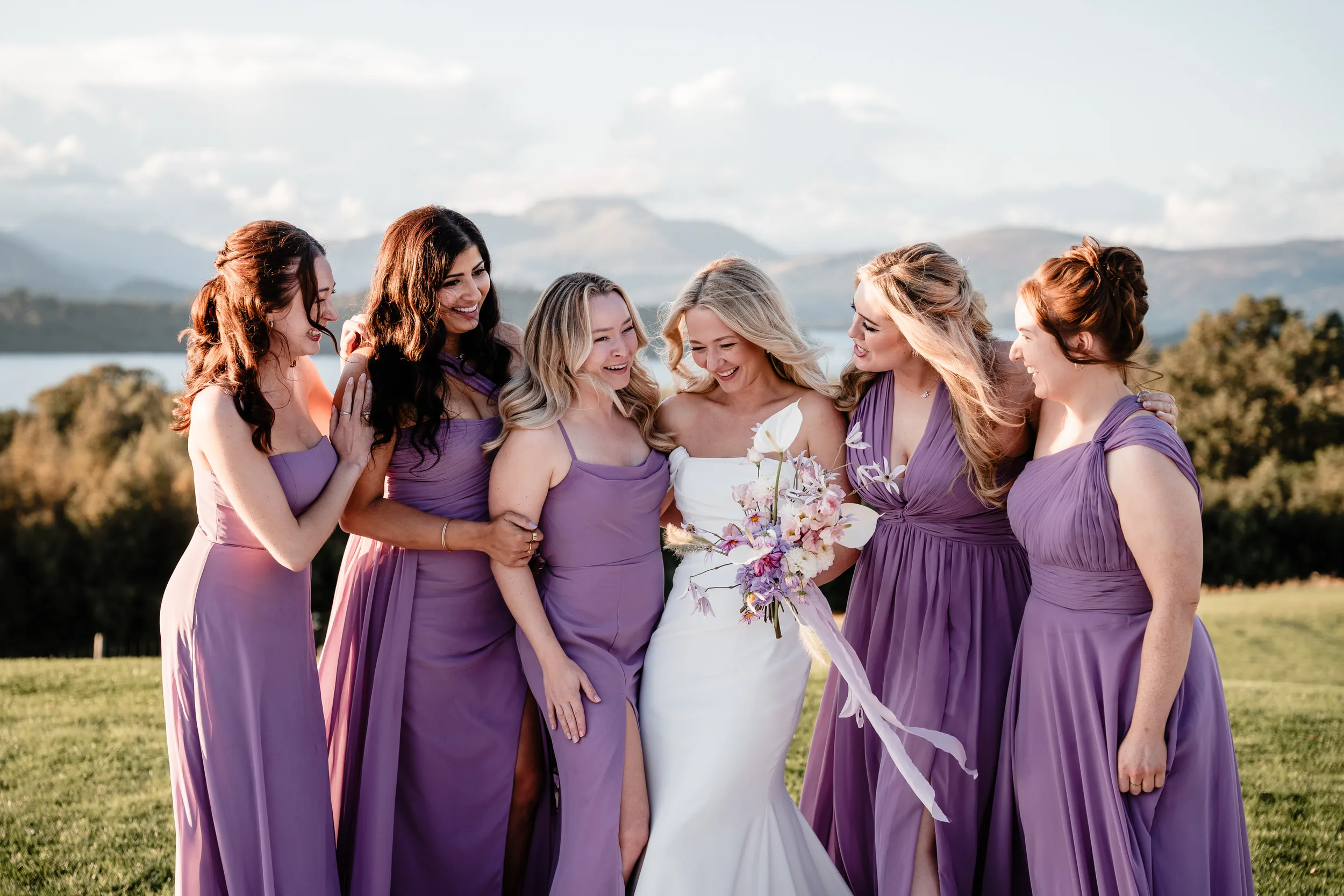
The visual identity of the wedding was managed with a focus on "timeless elegance," a strategy designed to avoid the "time-stamping" effect of transient wedding trends. The color palette was anchored in soft heather purple and lilac, shades intended to harmonize with the natural flora of the Scottish Highlands rather than compete with it.
Floral Artistry
Barbara of Wild Flower Workshop was granted significant creative autonomy to interpret the couple’s vision. Moving away from rigid, symmetrical arrangements, the floral design utilized abstract styling and varied textures. The use of lilac-toned blooms in the bridesmaids’ bouquets and the ceremony space created a visual thread that connected the bridal party to the landscape. This approach aligns with current shifts in the floral industry toward "organic" and "garden-style" arrangements that prioritize movement and local seasonality.
Stationery and Branding
The event’s branding, handled by BoldEraCreates, followed a "fun and funky" aesthetic that provided a counterpoint to the castle’s historic architecture. From the signage to the menus and name cards, the stationery maintained a cohesive visual language that balanced the formality of the venue with the couple’s personal style.
Logistical and Economic Contributions
The wedding of Rachael and Clyde highlights the economic impact of the destination wedding sector on the Scottish economy. International weddings of this scale involve a complex network of local suppliers, contributing significantly to the regional hospitality industry.
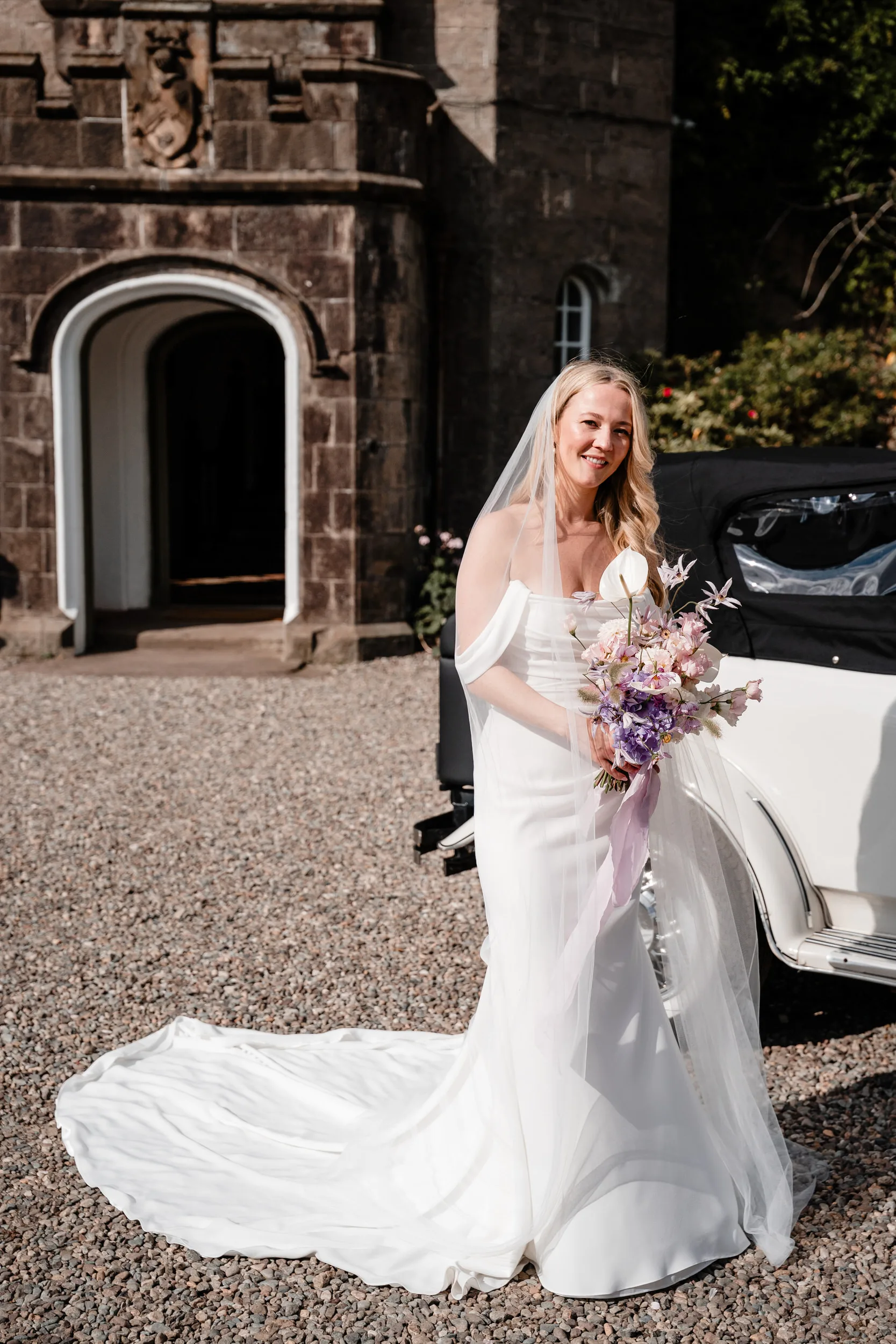
- Photography and Media: David of Dearly Photography provided documentary-style coverage, a method increasingly favored by couples who prefer candid storytelling over traditional posed portraiture.
- Confectionery and Favors: The wedding cake was produced by Liggy’s Cakes, while the guest favors—small bags of traditional Scottish tablet—were handmade by the bride’s mother. This blend of professional service and artisanal, family-made contributions is a hallmark of high-end bespoke weddings.
- Jewelry: The couple sourced their rings from Damasci in Toronto, supporting a local business in their current city of residence while hosting their event abroad, demonstrating the global nature of modern wedding planning.
Musical Integration and Cultural Identity
The musical choices throughout the day reflected a sophisticated blend of contemporary electronic music and traditional Scottish entertainment. Rachael entered the ceremony to a version of "Adore You" by Fred Again, a choice that signaled a modern, upbeat departure from classical bridal marches.
The first dance featured a cover of "Simply the Best" by Billian. This choice carried a specific cultural weight; the song is an anthem for supporters of Rangers F.C., a team Rachael’s father passionately follows. By selecting a slowed-down, melodic version for the first dance and transitioning into the traditional "rowdier" version later in the evening, the couple successfully bridged romantic sentiment with familial heritage and local sporting culture.
To conclude the evening, the couple hired Fresh Entertainments to facilitate a Ceilidh. The Ceilidh, a traditional Scottish social gathering involving Gaelic folk music and dancing, served as the primary entertainment, ensuring that international guests were fully immersed in Scottish social customs.
Broader Implications for the Wedding Industry
Rachael and Clyde’s wedding serves as a case study for several emerging trends in the global wedding market:
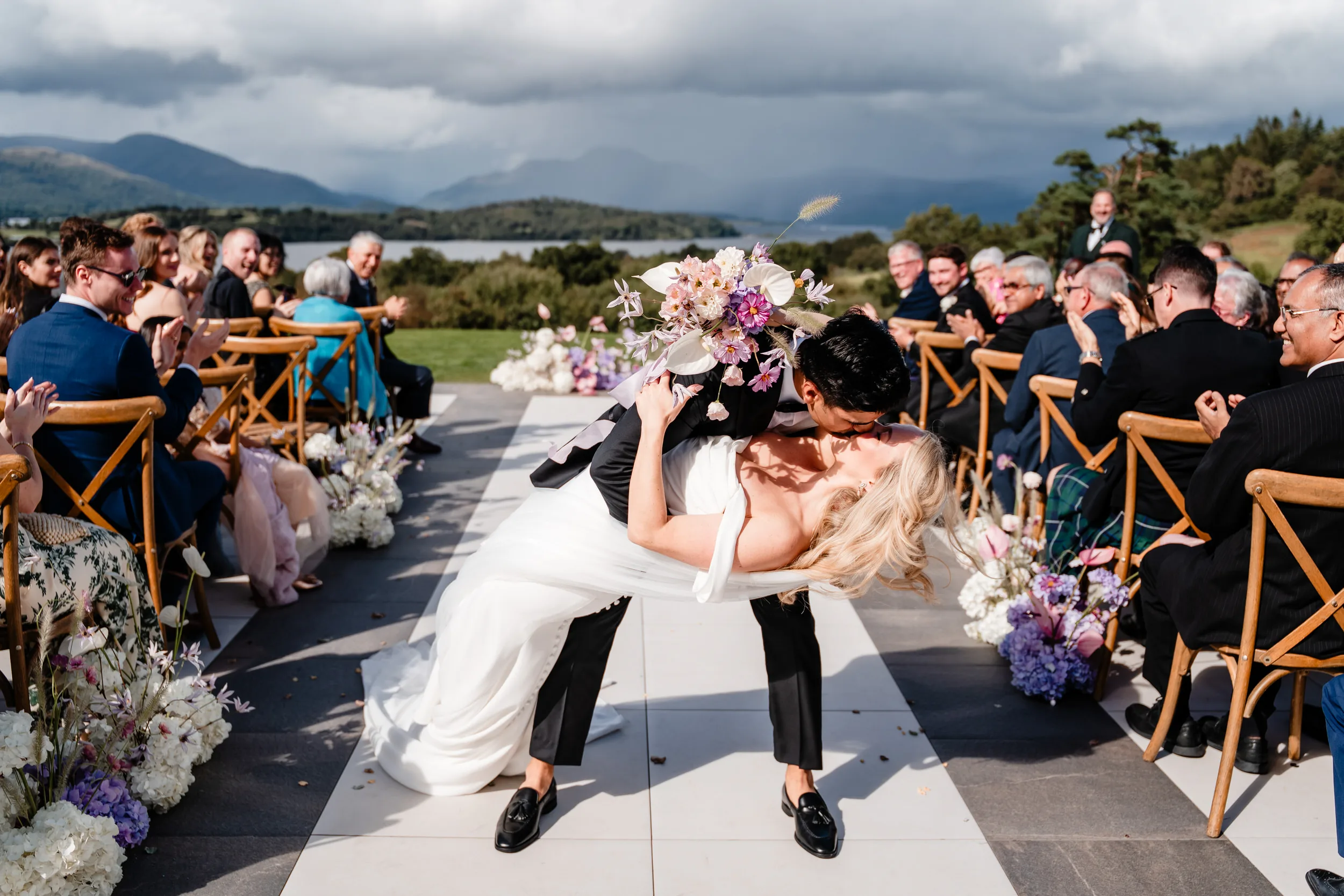
- The "Anti-Trend" Movement: There is a growing preference among high-net-worth couples to avoid "Pinterest-heavy" trends in favor of timeless, landscape-driven aesthetics.
- Cultural Fluidity: As global migration increases, weddings are increasingly becoming sites of cultural synthesis, where rituals from different continents are practiced with equal reverence.
- Humanist Dominance: The continued rise of Humanist ceremonies in Scotland reflects a broader societal shift toward secular, highly personalized rites of passage.
- Destination Resilience: Despite the logistical challenges of planning from overseas, the allure of historic Scottish venues remains a powerful draw for the diaspora, bolstering Scotland’s status as a premier global wedding destination.
In their "Words of Wedded Wisdom," the couple emphasized the importance of autonomy in the planning process, advising future pairs to prioritize their own vision over external opinions. They also noted the potential benefits of a "day-of" coordinator, a role that is becoming essential in the luxury market to manage the intricate timings of multi-cultural, multi-location events.
As Rachael and Clyde return to their life in Canada, their wedding stands as a testament to the enduring power of heritage and the ability of modern couples to redefine tradition within the walls of an ancient Scottish stronghold. The success of the event at Boturich Castle reinforces the venue’s reputation and the skill of the Scottish wedding supplier network in executing complex, international celebrations.