






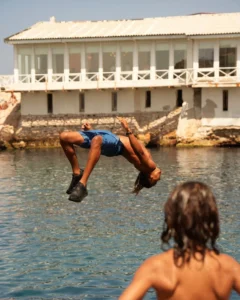
Mayotte, a small French island territory nestled in the azure embrace of the Indian Ocean, often conjures images of an idyllic tropical paradise. Its pristine white sands, crystal-clear waters, and lush, verdant forests, coupled with a burgeoning luxury tourism sector, paint a picture of serenity and affluence. However, beneath this picturesque veneer lies a deeply complex reality, one powerfully illuminated by Aymane Alhamid’s compelling new photography series, Captives of Liberty. Alhamid’s work reimagines Mayotte not merely as a beautiful island, but as a metaphorical prison, where the natural splendor starkly contrasts with the societal and existential constraints faced by many of its inhabitants.
The Artist’s Vision: "Captives of Liberty"
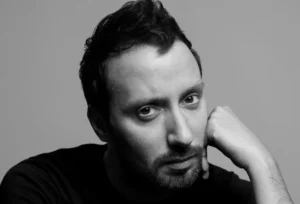
Aymane Alhamid, an artist with deep personal ties to the region, conceived Captives of Liberty to challenge superficial perceptions of Mayotte. Shot on film and meticulously hand-printed, his photographs possess a timeless quality, distinguished by their rich, vibrant colors. Alhamid emphasizes the deliberate choice to make these colors "pop out," a visual strategy designed to draw viewers into the scenes while subtly highlighting the vivid yet often harsh realities depicted. The series is a poignant exploration of identity, belonging, and the intricate web of socio-political issues that define life on the island.
Alhamid’s artistic journey for this project was undertaken in partnership with Julia Daka, a Paris-based architect and the visionary founder of Sadaka, a non-profit organization dedicated to supporting young people in Mayotte. Their collaboration, born from a shared regional heritage and a chance meeting in Paris years prior, underscores the project’s dual objective: artistic expression and social advocacy. Daka, who affectionately refers to Alhamid as her "little brother," emphasizes Sadaka’s broader mission to empower youth through various artistic and design disciplines. "The idea is to teach young people various ways of expressing or emancipating themselves through art and design, so they can find new ways of broadening their horizons – which are really closed off when you grow up on an island," Daka explains. She speaks with conviction about the innate talent and "artistry" prevalent among Mayotte’s youth, qualities she believes are often overlooked or stifled by their circumstances.
During their visit to Mayotte, timed strategically during Ramadan when evening public events offer a rich tapestry of community life, Alhamid and Daka cast their subjects directly from the bustling streets. This approach ensured an authentic representation of the island’s diverse populace, particularly those whose stories often remain untold.
Mayotte’s Complex Identity: A Historical and Geopolitical Overview
To fully grasp the intricate narratives within Captives of Liberty, it is essential to understand Mayotte’s unique historical and political trajectory. Unlike its neighboring Comorian islands, Mayotte voted in 1974 and 1976 to remain a French territory rather than join the newly independent Comoros Union. This decision, driven by a desire for stability and the perceived benefits of French association, led to its official status as a French Overseas Department in 2011, bestowing upon it the same administrative status as metropolitan departments like Paris or Lyon.
However, this integration has been fraught with challenges. The Comoros Union continues to claim Mayotte, referring to it as the fourth island of their archipelago, an irredentist claim recognized by the United Nations. This ongoing dispute contributes to the complex migratory patterns within the archipelago, as people frequently move between the islands, often seeking better economic opportunities or family connections. This fluid movement, combined with Mayotte’s French status, creates a significant demographic and legal quandary that lies at the heart of Alhamid’s series.
Mayotte, with a population estimated at over 300,000, is one of France’s poorest departments, characterized by high birth rates, rapid demographic growth, and substantial immigration, primarily from the Comoros. Its GDP per capita is significantly lower than mainland France, and unemployment rates, particularly among youth, are alarmingly high. This economic disparity fuels the migration from neighboring islands, creating a population dynamic where a substantial portion of residents may lack full legal status, despite long-term residency.
The Citizenship Conundrum: A Life in Limbo
One of the central themes Alhamid meticulously explored in Captives of Liberty is the precarious citizenship status of many of Mayotte’s residents. While French law dictates that anyone born on French territory is a French citizen (jus soli), Mayotte’s unique position within the Comorian archipelago, coupled with evolving French immigration policies, complicates this principle. Individuals born on Mayotte, particularly those whose parents lack legal French residency, face a formidable hurdle at the age of 18. Despite having lived on the island for the majority of their lives, attending local schools, and integrating into the community, they are often denied full citizenship rights or settled status.
Alhamid starkly articulates the profound impact of this "paper situation": "These people look the same, they have the exact same culture, they can go to school, they can do everything exactly like the other kids, but their lives are really different just because of the paper situation." Upon reaching adulthood, these individuals find themselves in a legal limbo, unable to obtain essential documents like driver’s licenses, secure formal employment, access higher education, or even receive adequate healthcare. The constant threat of deportation looms large, creating a pervasive sense of insecurity and marginalization. This administrative barrier, Alhamid observes, "creates a hierarchy between those that have papers and those that don’t," fostering deep divisions within the community.
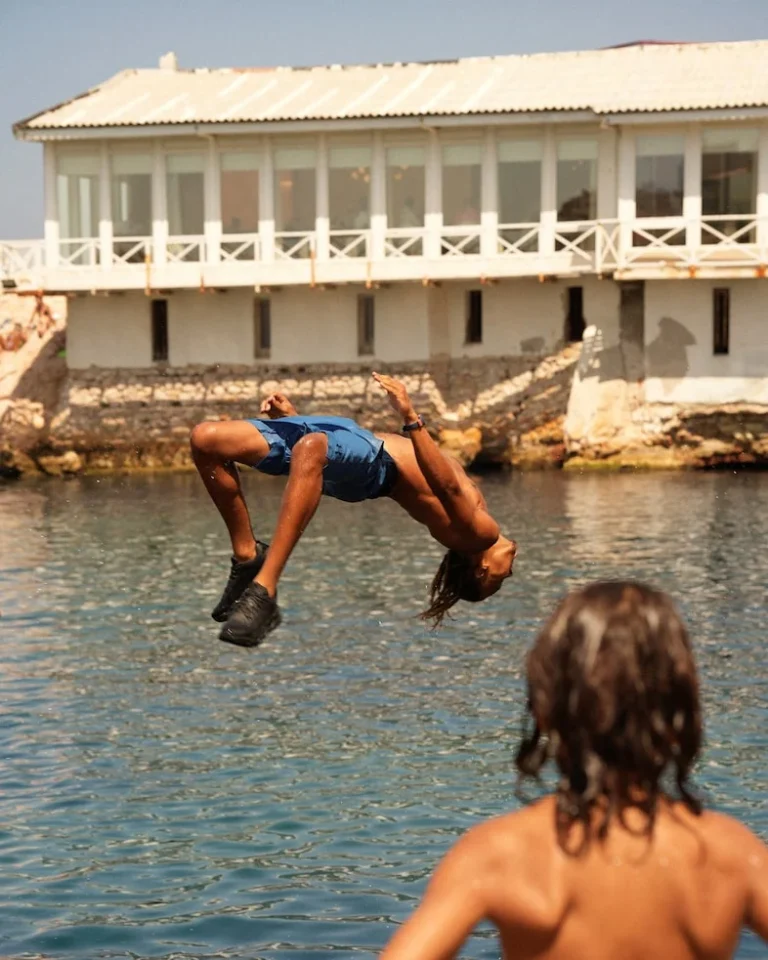
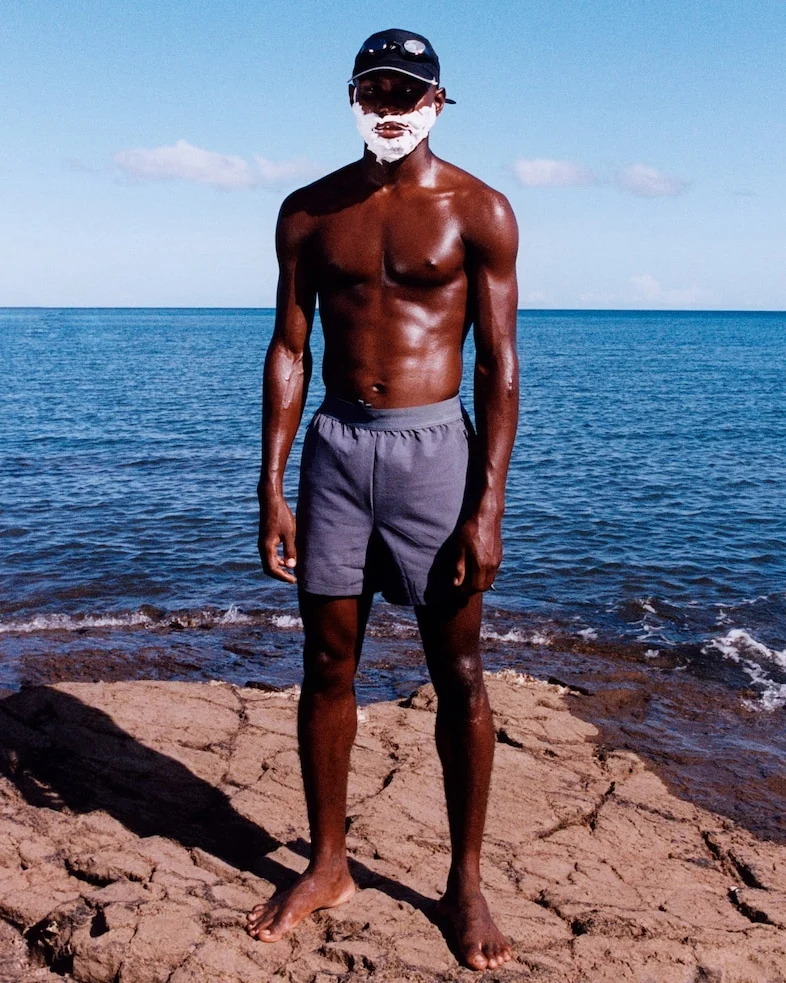
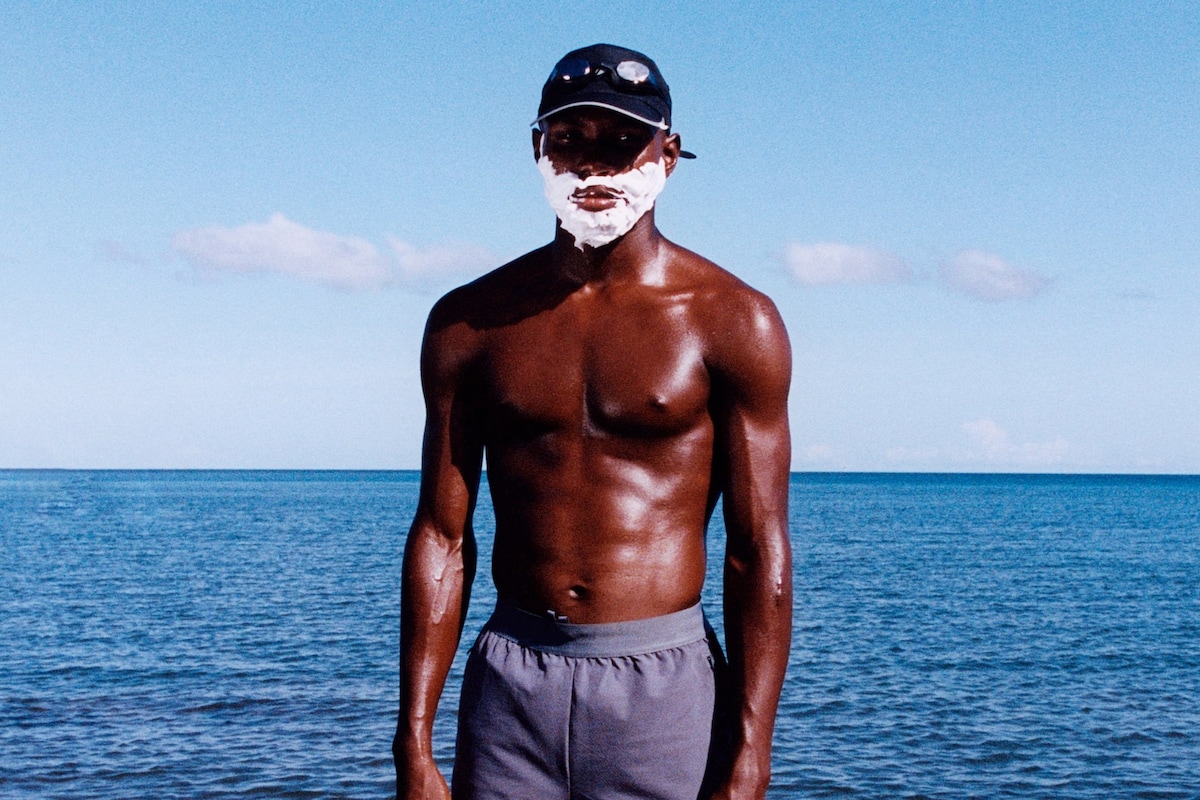
Many of the young men featured in Alhamid’s series belong to this disenfranchised group. A powerful section of the photographs highlights their physical strength and athleticism, which Alhamid suggests is a direct consequence of their societal exclusion. "They are in really good shape," he notes, drawing a parallel to the coping mechanisms developed in confinement. "It’s like when someone goes to prison. They can’t work, they can’t go to school, they can’t do anything except sports." These men are captured posing on the sun-drenched beaches, their muscular physiques emphasized against the vast, seemingly boundless ocean. Yet, in this context, the breathtaking scenery takes on a "stark, barren quality," symbolizing the limited horizons and lack of opportunities that extend before them. The ocean, typically a symbol of freedom and possibility, here becomes a boundary, a visual metaphor for their entrapment.
Socio-Economic Disparities and Limited Horizons
Beyond the citizenship crisis, Mayotte struggles with a chronic lack of adequate infrastructure and essential services, often attributed to what many perceive as neglect from mainland France. Alhamid recounts a stark personal experience: "France doesn’t really care about or help them. For example, there’s a big problem with the water over there; you can’t use it every day – when I visit my mum we have to stockpile water." This daily struggle for basic necessities like clean water underscores the profound disparity between Mayotte’s status as a French department and the realities of its inhabitants’ lives.
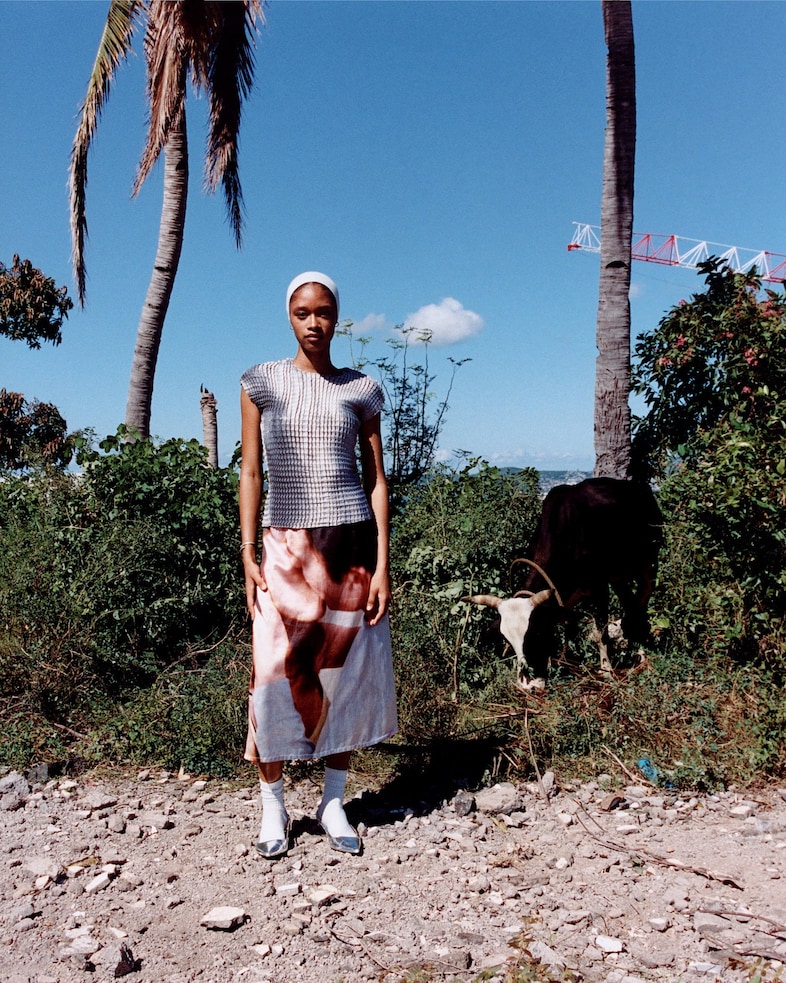
Indeed, Mayotte faces persistent water shortages, a crisis exacerbated by climate change, aging infrastructure, and rapid population growth. Water cuts are frequent and prolonged, disrupting daily life, public health, and economic activity. Despite being a full French department, Mayotte’s public services, including healthcare and education, lag significantly behind those in metropolitan France. For instance, the island’s sole major hospital is frequently overwhelmed, and educational attainment rates are considerably lower than the national average.
The French State’s Role: Neglect and Policy Shifts
The French government’s response to crises and its evolving policies further exacerbate Mayotte’s challenges. In 2025 (as per the article’s original context, though this date suggests a future event, implying a past article’s projection or typo, we will treat it as a past event for narrative coherence), the French government faced significant criticism for its "lacklustre response" after a powerful cyclone ravaged the island. The natural disaster left countless homes destroyed and much of Mayotte’s already fragile infrastructure in ruins. Critics, including journalist Rokhaya Diallo in a Guardian article, highlighted the stark contrast between the island’s administrative status and the perceived indifference of the central government.
Furthermore, the French government has actively pursued policies aimed at restricting birthright citizenship in Mayotte, making it increasingly difficult for children born on the island to secure French nationality. This policy shift, often justified by arguments related to controlling illegal immigration and demographic pressures, is seen by many as discriminatory and a violation of fundamental rights. The new measures, such as requiring at least one parent to be legally resident in France for a certain period before the child’s birth, create a two-tiered system of citizenship within French territory, deepening the chasm between those with and without "papers."
This tightening of immigration laws and the perceived neglect from Paris fuel a sense of abandonment among Mayotte’s residents. Despite their official integration into the French Republic, the promise of equal rights and services often remains unfulfilled, leading to feelings of frustration and disenfranchisement. The geopolitical stakes are also high, as France’s actions in Mayotte are closely watched by its neighbors in the Indian Ocean, particularly the Comoros, and by international human rights organizations.
Intimate Lives Under Constraint: The Personal Impact
The isolation and socio-economic hardships on Mayotte extend their reach into the most personal aspects of life, including intimate relationships and family formation. The difficulty of leaving the island, whether due to the inability to secure passports or the prohibitive cost of air travel for a population where 77% live below the poverty line, creates a profoundly insular environment. This insularity, Alhamid suggests, significantly impacts personal relations.
"There are a lot of arranged marriages, and a lot of people get married primarily to secure citizenship," Alhamid reveals. The photographs in Captives of Liberty subtly evoke this ambiguous sense of romance and constraint. In one image, a woman leans back in her lover’s arms, their expressions oddly impassive, suggesting a detachment even in intimacy. They could be lost in profound connection or, just as plausibly, lost in their own thoughts, far removed from each other. Another photograph captures the same couple in a slow dance, their faces turned in opposite directions, symbolizing a disconnect. A different couple, seated rigidly on a sofa, stares blankly ahead, their bodies unyielding, conveying a profound loneliness that can be experienced even in the presence of another.
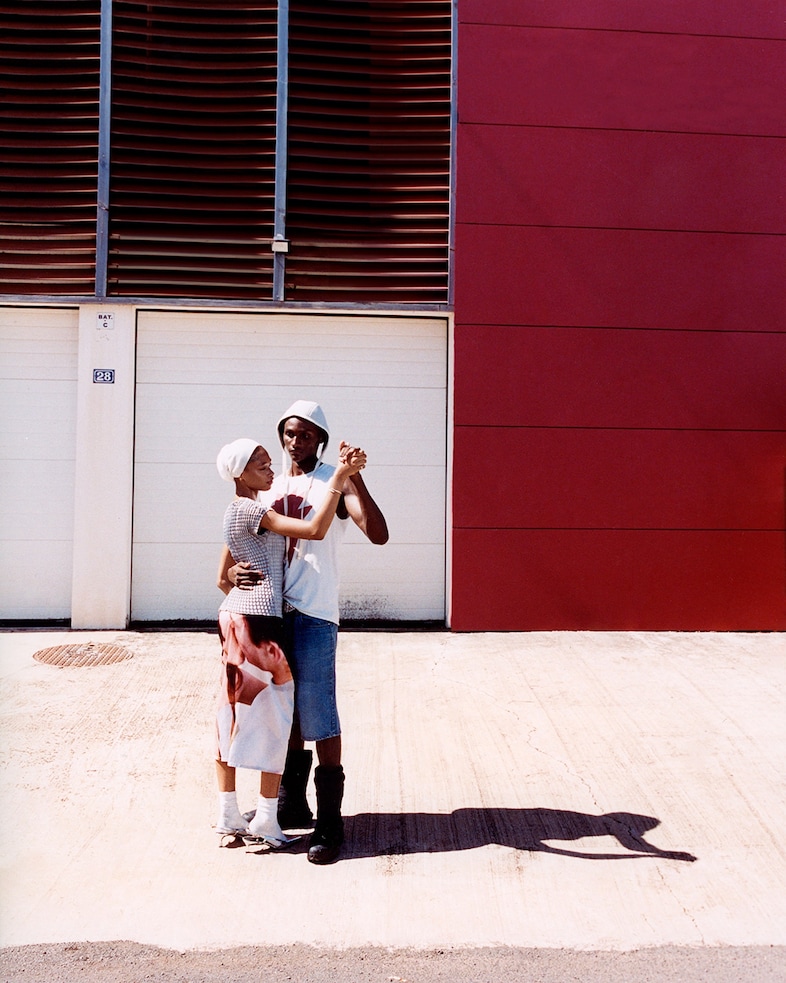
These images, while not overtly didactic, powerfully convey the deep-seated emotional and psychological toll of Mayotte’s unique circumstances. As Julia Daka articulates, "You’re a captive of the island, then you’re captive of a relationship, then you’re captive of a love that you didn’t choose." This multi-layered captivity—of geography, of legal status, and of predetermined personal destinies—is a core message of the series. The economic imperative of marriage for citizenship, while a pragmatic choice for some, often comes at the cost of genuine emotional connection and personal autonomy.
Art as Advocacy: Giving Voice to the Voiceless
Through Captives of Liberty, Aymane Alhamid and Julia Daka leverage the power of visual storytelling to transcend geographical barriers and bring the untold stories of Mayotte to a wider audience. The project serves as a crucial platform for advocacy, aiming to "bring the outside world back there, and give a voice to the voiceless," as Daka passionately states.
The aesthetic beauty of Alhamid’s photographs, with their rich colors and timeless quality, draws viewers in, making the socio-political messages all the more impactful. By presenting the harsh realities of Mayotte against a backdrop of undeniable natural splendor, the series creates a powerful cognitive dissonance, forcing viewers to confront the uncomfortable truths hidden beneath the surface of paradise. This artistic approach avoids sensationalism, instead inviting contemplation and empathy.
Broader Implications and the Path Forward
The issues highlighted in Captives of Liberty have broader implications for understanding post-colonial relationships, the complexities of citizenship in a globalized world, and the challenges faced by marginalized communities within larger national frameworks. Mayotte serves as a microcosm for examining how administrative status does not always equate to equal rights or equitable development. The French government’s tightening of birthright citizenship laws in Mayotte, while framed as a response to local challenges, raises critical questions about universal human rights and the principle of equality.
For the youth of Mayotte, the path forward remains uncertain. The lack of opportunities, coupled with the precariousness of their legal status, perpetuates a cycle of poverty and despair. Initiatives like Sadaka, however, offer a beacon of hope, providing young people with alternative avenues for self-expression, skill development, and a connection to the wider world. By fostering artistic talent and critical thinking, these programs aim to empower individuals to challenge their circumstances and advocate for their own futures.
Alhamid’s "Captives of Liberty" is more than just a photography series; it is a vital document, a visual testament to the resilience and struggle of a community living on the margins of a paradise. It urges a deeper reflection on the responsibilities of a nation towards all its territories and the universal right to liberty, dignity, and a future unburdened by arbitrary constraints.