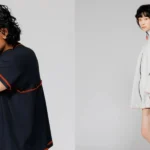
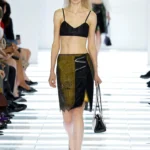







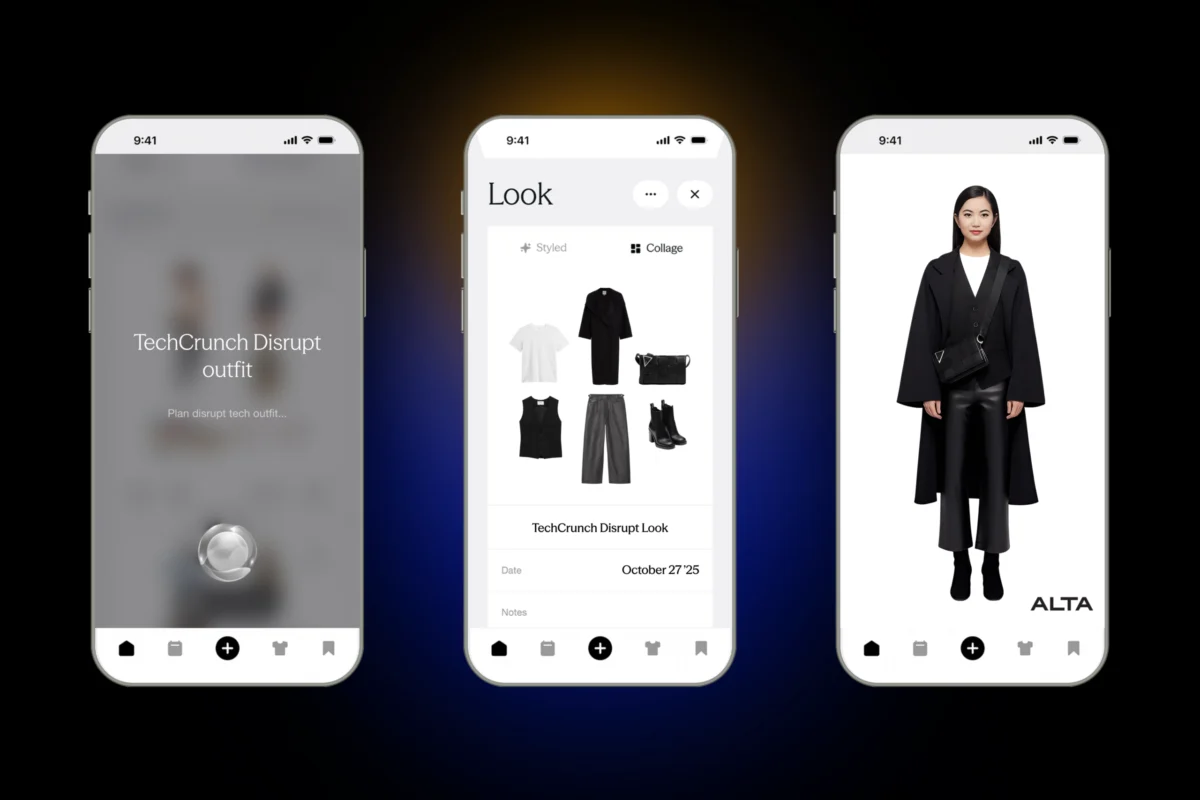
Alta, a nascent leader in the intersection of artificial intelligence and consumer fashion, has officially announced the closing of an $11 million seed funding round led by Menlo Ventures. The capital injection marks a significant milestone for the startup, which aims to provide users with a sophisticated AI-powered personal styling agent capable of managing wardrobes, suggesting outfits, and facilitating informed purchasing decisions. Founded by 28-year-old Harvard-trained engineer Jenny Wang, Alta seeks to bridge the gap between high-level technical architecture and the nuances of personal style, effectively materializing a vision of digital closet management that has permeated pop culture for decades.
The investment round features an exceptionally high-profile roster of backers, signaling broad confidence in Wang’s vision. Beyond Menlo Ventures, participants include Benchstrength and Aglaé Ventures—the investment arm of the Arnault family, the owners of the luxury conglomerate LVMH. Also joining the round are Phenomenal Ventures, founded by Meena Harris, and Anthology Fund, the venture division of the prominent AI safety and research company Anthropic. The round was further bolstered by a diverse group of angel investors, including DoorDash co-founder and CEO Tony Xu, Poshmark CEO Manish Chandra, and Rent the Runway co-founder Jenny Fleiss. High-fashion influence is also represented through investments from supermodels Karlie Kloss and Jasmine Tookes, as well as Meredith Koop, the longtime stylist to former First Lady Michelle Obama.
The Evolution of the Digital Closet
The concept of a computerized wardrobe assistant is most famously rooted in the 1995 cult classic film Clueless, in which the protagonist, Cher Horowitz, uses a desktop computer to browse her closet and select coordinated outfits. While various startups have attempted to replicate this functionality over the last two decades, the underlying technology often fell short of consumer expectations, failing to account for the complexities of fabric drape, personal body proportions, and the contextual logic of dressing for specific events or weather patterns.
Jenny Wang noted that while she had explored building such a product several times in the past, the necessary advancements in computer vision and generative AI were not yet mature enough to provide a seamless user experience. With the recent explosion in Large Language Models (LLMs) and sophisticated image processing, the technical barriers have finally receded. Alta functions as both a personal shopper and a virtual stylist. Users can digitize their existing wardrobes by uploading photographs of their clothing, forwarding digital purchase receipts, or selecting items from Alta’s expansive internal database.
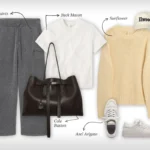
Once a digital closet is established, the platform utilizes an AI-driven virtual avatar—a personalized "digital twin" of the user—to demonstrate how various pieces will look when worn. The AI agent takes into account the user’s budget, lifestyle, local weather forecasts, and personal calendar. For example, a user preparing for a high-stakes professional conference can ask the AI to curate a three-day lookbook that adheres to a "business creative" dress code while accounting for a forecast of light rain.
Strategic Expertise and Technical Foundations
A critical differentiator for Alta is its integration of human expertise into its machine-learning models. Meredith Koop, renowned for her work in crafting the public image of Michelle Obama, played a central role in training Alta’s AI. By codifying the logic used by professional stylists—such as color theory, silhouette balancing, and occasion-based appropriateness—Alta aims to offer advice that feels intuitive and bespoke rather than algorithmic.
Wang’s own background provides the company with a unique blend of technical rigor and industry insight. A Harvard engineer by training, she has previously served as a technical advisor to various brands and held roles within investment firms. Her professional history includes an internship at DoorDash during its formative years and a volunteer role with "Kode With Klossy," the coding initiative founded by investor Karlie Kloss. Wang remains deeply involved in the technical development of the platform, stating that she continues to contribute to the codebase daily alongside her engineering team.
The $11 million in seed capital is earmarked for intensive research and development, as well as team expansion. Wang emphasizes that the company is building its own in-house models rather than relying solely on third-party APIs. This bespoke technical architecture is intended to create a more responsive and aesthetically sensitive user interface, which Wang believes is necessary to capture the interest of modern consumers who find current offerings from tech giants like Google or Pinterest to be lacking in personalization.
Partnerships and Global Expansion
Alta has already secured a significant strategic partnership with the Council of Fashion Designers of America (CFDA). This collaboration allows Alta to offer its services to the CFDA’s extensive membership base, providing a direct link between the technology and the designers who define the fashion industry. By integrating with the broader fashion ecosystem, Alta positions itself not just as a consumer tool, but as a potential partner for retailers looking to reduce return rates—a multi-billion dollar problem in e-commerce driven largely by poor fit and styling uncertainty.
The company is also looking toward international markets. While Wang was previously based in San Francisco, she recently relocated the company’s headquarters to New York City. The move was strategic, placing the startup at the heart of the American fashion industry and providing easier access to European markets. The involvement of Aglaé Ventures and influencer Zita d’Hauteville is expected to facilitate Alta’s expansion into Paris and the wider European luxury sector. Furthermore, the company has announced a collaboration with tidying expert Marie Kondo as it explores growth opportunities within Oceania and the Pacific regions.
Market Analysis and Industry Implications
The launch of Alta comes at a time when the global "AI in fashion" market is experiencing rapid growth. Industry analysts project that the sector could reach a valuation of over $4.4 billion by 2027, driven by consumer demand for hyper-personalization and the retail industry’s need for data-driven inventory management.
Alta enters a competitive landscape that includes established players and fellow startups. Platforms like Whering and Cladwell have garnered dedicated followings by focusing on sustainable consumption and wardrobe organization. However, Alta’s heavy emphasis on generative AI and virtual try-on (VTO) technology sets it apart. By allowing users to "try on" potential purchases alongside their existing clothes, Alta addresses the "circular fashion" trend, encouraging consumers to buy items that complement what they already own, thereby extending the lifecycle of their garments.
The data generated by Alta could also prove invaluable to the retail sector. While individual user data remains private, aggregated trends regarding how consumers are mixing and matching brands could provide retailers with unprecedented insights into consumer behavior. This shift from "search-based shopping" to "agent-based styling" represents a fundamental change in how the fashion economy operates.
The Shift to Silicon Alley
The decision to build Alta in New York City rather than Silicon Valley reflects a broader trend of "Silicon Alley" becoming a hub for consumer-facing AI. Wang noted that New York provides a unique talent pool where high-level engineering meets a deep-seated obsession with fashion and culture.
"Many of the most exciting consumer AI companies are being started in NYC," Wang remarked, highlighting the city’s role in the next wave of technological innovation. By assembling a team that is both technically proficient and fashion-literate, Alta aims to avoid the pitfalls of previous fashion-tech ventures that often prioritized the "tech" at the expense of the "fashion."
As Alta moves out of its initial launch phase, the focus will remain on refining its models through community feedback and establishing deeper integrations with global retailers. If successful, the platform could become the primary interface through which consumers interact with their clothing, transforming the act of getting dressed from a daily chore into a data-supported, creative experience. With the backing of some of the most influential names in both technology and luxury, Alta is well-positioned to lead the charge in the digitization of the modern wardrobe.