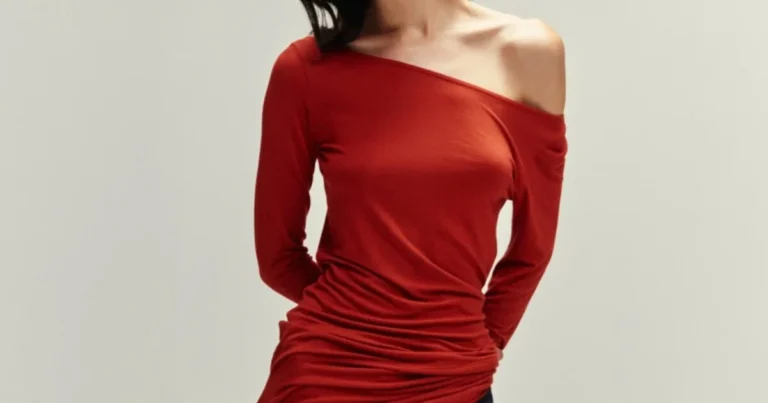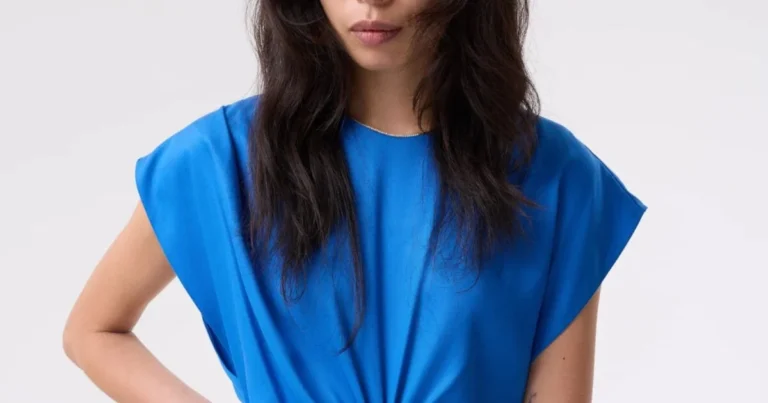



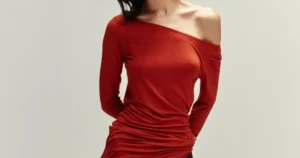
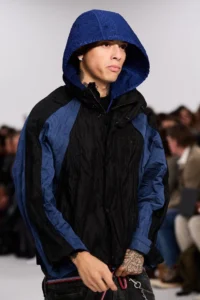



In an evolving global retail landscape, where consumer consciousness regarding environmental and social impact is rapidly ascending, the search for fashion that harmonizes comfort, style, and sustainable practices has become a paramount concern. This shift is particularly evident within the loungewear sector, a category that has witnessed an unprecedented surge in popularity, driven by changes in work culture and lifestyle preferences. Good On You, a leading authority in fashion sustainability ratings, has meticulously curated a selection of brands that excel in offering loungewear sets—encompassing hoodies, tops, sweatpants, shorts, and more—all while adhering to stringent sustainability benchmarks. These brands have achieved "Good" or "Great" ratings within Good On You’s comprehensive methodology, providing consumers with trusted options for investing in apparel that aligns with their ethical values.
The Rise of Loungewear and Its Environmental Footprint
The global pandemic irrevocably altered daily routines, ushering in an era where working from home, remote socialising, and a greater emphasis on personal well-being became commonplace. This cultural pivot dramatically accelerated the demand for loungewear, transforming it from a niche category into a mainstream wardrobe essential. Market research firms have underscored this growth, with reports indicating a significant expansion in the global loungewear market. For instance, projections estimate the global loungewear market size to exceed $400 billion by 2028, growing at a compound annual growth rate (CAGR) of over 8%. This surge, while beneficial for comfort, brought into sharp focus the environmental implications of conventional textile production.
A substantial proportion of traditional loungewear, particularly popular items like fleece jackets and many activewear pieces, is manufactured using petroleum-derived synthetic materials such as polyester, nylon, and acrylic. The production of these materials is inherently energy-intensive, reliant on finite fossil fuels, and contributes significantly to greenhouse gas emissions. According to the European Environment Agency, textile production is responsible for about 10% of global greenhouse gas emissions. Furthermore, garments made from these synthetics shed microplastic fibres during washing, which then enter waterways and oceans, posing a severe threat to marine ecosystems and ultimately, human health. Estimates suggest that synthetic textiles are responsible for a significant percentage of microplastic pollution in our oceans, with each laundry cycle potentially releasing hundreds of thousands of microscopic plastic particles. The industry’s pervasive reliance on these materials, coupled with often opaque supply chains and exploitative labour practices, has created an urgent need for more responsible alternatives.
The Imperative for Sustainable Fashion: A Brief Chronology
The movement towards sustainable fashion gained significant traction in the early 21st century, spurred by increasing awareness of climate change, resource depletion, and social injustices within the global supply chain. This evolution has been marked by several key milestones:
- Late 1980s-Early 1990s: Initial concerns emerge regarding the heavy environmental pollution stemming from textile dyeing and finishing processes, alongside growing scrutiny of sweatshop labour conditions in developing countries, particularly in Asia. Activist groups begin to highlight the human cost of cheap clothing.
- 2000s: The Fair Trade movement begins to influence clothing production, advocating for better prices, decent working conditions, and fair terms of trade for farmers and workers. Organic cotton gains popularity as a more environmentally friendly alternative to conventional cotton, which is notoriously water-intensive and pesticide-heavy. Certifications like GOTS (Global Organic Textile Standard) become crucial benchmarks.
- 2013: The tragic Rana Plaza factory collapse in Bangladesh, killing over 1,100 garment workers and injuring thousands more, serves as a grim and undeniable catalyst. This disaster galvanized widespread calls for greater transparency, accountability, and improved labour conditions across the fashion industry. It directly led to the formation of influential initiatives like Fashion Revolution, which campaigns for systemic reform.
- Mid-2010s onwards: The concept of "circular fashion" gains significant prominence, advocating for design principles that minimize waste and pollution, keep products and materials in use for as long as possible, and regenerate natural systems. Technologies for material recycling, upcycling, and innovative fibre development become more sophisticated. Concurrently, consumer demand for ethical and transparent brands begins to surge, with surveys consistently showing a willingness among consumers, particularly younger generations (Gen Z and Millennials), to pay a premium for sustainable and ethically produced products. A 2021 study by McKinsey & Company indicated that 67% of consumers consider sustainable materials to be an important purchasing factor.
- Late 2010s-Present: Digital platforms and rating systems, such as Good On You, emerge as critical tools to empower consumers by providing accessible, reliable, and independently verified information on brand sustainability performance. These platforms play a vital role in driving market change by making ethical consumption easier and more transparent. Regulatory bodies in various regions also begin to explore legislation to combat greenwashing and enforce greater supply chain due diligence.
Good On You: Pioneering Transparency and Ethical Consumption
Good On You was established with a clear mission: to simplify informed choices for consumers while championing the "buy less, buy better" philosophy. Recognizing the complexity and often misleading nature of sustainability claims in the fashion industry, the platform set out to create a transparent, objective, and comprehensive rating system. Founded in 22015, the platform launched its initial ratings directory, steadily expanding its coverage to thousands of brands globally, addressing a critical gap in consumer information.
The platform’s genesis lies in the acknowledgment that while the desire for sustainable products was growing, the means to identify genuinely responsible brands were fragmented, confusing, and difficult for the average consumer to navigate. By aggregating vast amounts of publicly available data and conducting rigorous independent assessments, Good On You positioned itself as a crucial intermediary, bridging the gap between ethical producers and conscious consumers. Its editorial team, comprising experts in fashion, sustainability, and ethics, curates recommendations not merely for their aesthetic appeal but, more importantly, for their proven commitment to people, the planet, and animals. This commitment extends beyond initial product selection; articles are frequently updated, as evidenced by the June 11, 2026 update to this very piece, ensuring that information remains current and relevant in a dynamic market. This continuous review process reflects the organisation’s dedication to accuracy and evolving sustainability standards.
Decoding Good On You’s Rigorous Methodology
The credibility of Good On You’s recommendations rests squarely on its leading methodology, which has been developed by a diverse consortium of experts in environmental science, labour rights, animal welfare, and supply chain transparency. This methodology employs a sophisticated analytical framework that assesses brands across three key impact areas, drawing data from public records, certification schemes, and direct brand communications:
- Planet: This category meticulously evaluates a brand’s environmental policies and practices. Factors assessed include resource use efficiency (water, energy), waste management strategies (e.g., textile waste diversion from landfills, recycling programs), chemical use and discharge, greenhouse gas emissions reduction targets, and material sourcing preferences (e.g., organic, recycled, or low-impact fibres like TENCEL™ Lyocell). Brands are scrutinized for their efforts to minimize ecological footprints throughout their entire supply chain, from raw material extraction to manufacturing and distribution.
- People: This section examines labour conditions, worker safety protocols, adherence to fair wage standards, recognition of freedom of association, and robust efforts to eradicate child labour and forced labour. Transparency regarding supply chains, including disclosing factory lists, audit results, and implementing strong grievance mechanisms, is highly valued. Good On You assesses a brand’s commitment to ensuring dignity and equity for all workers involved in its production process.
- Animals: This category assesses a brand’s animal welfare policies, including the use of animal-derived materials (e.g., leather, wool, down, fur, exotic skins) and their sourcing practices. Preference is given to brands that avoid animal products entirely or use certified, higher welfare alternatives, ensuring traceability and ethical treatment of animals where animal-derived materials are used. The use of mulesing-free wool, certified down, and alternatives to fur are examples of positive indicators.
Brands are rated on a simple five-point scale, ranging from "We Avoid" (the lowest rating) to "Great" (the highest), providing a clear, at-a-glance summary of their overall performance. Only brands achieving "Good" or "Great" ratings are featured in curated lists such as this one, ensuring that every recommendation meets a high standard of ethical and environmental responsibility. This meticulous, evidence-based approach allows consumers to confidently invest in brands that are actively contributing to a more sustainable fashion ecosystem. Good On You’s transparent approach to its ratings, allowing users to "See the rating" for each brand, further builds trust and accountability.
While Good On You acknowledges and champions the foundational principles of reuse, repair, and second-hand shopping as cornerstones of truly sustainable consumption, its primary focus is to guide consumers towards new brands that are built upon ethical and environmentally sound practices from their inception. This strategy addresses the demand for new garments while ensuring that even new purchases contribute positively to the industry’s transformation.
Spotlight on Leading Sustainable Loungewear Brands
Good On You’s curated list showcases brands that exemplify the convergence of comfort, style, and responsible production. Each brand offers distinct approaches to sustainability, catering to a diverse range of consumer preferences and values:
- CHNGE: This US-based brand distinguishes itself through its unwavering commitment to 100% organic materials and a strong social justice message. CHNGE designs apparel not just for comfort and longevity but also as a platform for activism, often featuring impactful graphics and statements. Their use of GOTS-certified organic cotton minimizes pesticide use and water consumption. Their inclusive sizing, from 2XS to 4XL, underscores their commitment to accessibility and diversity in fashion.
- Happy Earth: With a deep connection to nature, Happy Earth Apparel, based in the US, goes beyond sustainable manufacturing by actively engaging in environmental preservation. Through strategic partnerships with non-profits and a network of dedicated ambassadors, the brand directly contributes to tangible environmental efforts, including tree planting initiatives (having planted hundreds of thousands of trees), climate change mitigation, and large-scale trash cleanups. Offering sizes XS-3XL, Happy Earth combines wearable designs with impactful activism, making every purchase a direct contribution to environmental restoration.
- Artknit Studios: Hailing from Italy, Artknit Studios embodies the "buy less, buy better" ethos through its creation of timeless knitwear. The brand exclusively uses 100% lower-impact, certified, and locally-sourced fibres such as regenerated cashmere and organic wool, produced by Italian artisans committed to anti-waste practices. This focus on heritage craftsmanship, material integrity, and local production significantly reduces its environmental footprint while ensuring exceptional quality and durability in sizes XS-XXL. Their commitment to traceability and short supply chains is a hallmark of their operation.
- I was a Sari: This Indian brand offers a unique model of upcycling and cultural preservation. By transforming used saris and deadstock fabrics into vibrant, contemporary products, "I was a Sari" not only minimizes textile waste but also provides economic empowerment to women artisans, particularly those from marginalized communities. Each piece tells a story, blending traditional Indian aesthetics with modern sensibilities, available in sizes S-L. It represents a powerful example of circular economy principles applied at a community level, creating both environmental and social value.
- Underprotection: A Danish brand, Underprotection extends its sustainable philosophy across underwear, loungewear, and swimwear. Utilizing lower-impact materials like organic cotton, recycled polyester, and TENCEL™ Lyocell, the brand ensures that all its packaging is either recycled or biodegradable. Crucially, Underprotection maintains that "fair working conditions and fair wages are human rights," working exclusively with certified factories (such as those certified by OEKO-TEX and GOTS) to uphold the highest ethical standards for its workforce, with products available in XS-XL. Their commitment to transparency is evident in their detailed reporting.
- Miakoda: For those who embrace an organic, plant-based lifestyle, NYC-made Miakoda offers ultra-cosy active and loungewear. The brand’s aesthetic is characterized by stripped-back colours and minimalist designs, prioritizing comfort and the purity of organic materials like organic cotton and bamboo. Miakoda’s dedication to inclusivity is reflected in its wide size range, from XS to 4XL, making sustainable comfort accessible to diverse body types. Their manufacturing process emphasizes local production to reduce carbon footprint.
- Ninety Percent: This British label operates on a pioneering profit-sharing model, dedicating 90% of its profits to five charitable causes and the individuals who craft their collections. Ninety Percent exemplifies radical transparency by openly publishing details of its suppliers and factories on its website, allowing consumers to trace the impact of their purchases directly. Its stylish womenswear collections are available in UK sizes 2XS-2XL, blending fashion-forward design with profound social responsibility. Their use of organic and recycled materials further cements their commitment.
- Organication: A German brand, Organication prioritizes the use of highly sustainable fabrics such as organic cotton, TENCEL™ Lyocell, and other environmentally friendly fibres. Their commitment to these materials ensures that their loungewear offerings are not only comfortable and durable but also significantly reduce environmental impact compared to conventional alternatives. Their focus on minimalist design also promotes longevity and versatility.
The Broader Impact: Reshaping Consumer Habits and Industry Standards
The rise of platforms like Good On You signifies a pivotal shift in the fashion industry. By providing accessible and credible information, these platforms empower consumers to become active participants in driving sustainable change. This collective consumer power exerts significant pressure on brands to re-evaluate their production processes, material sourcing, and labour practices.
The implications extend beyond individual purchasing decisions, influencing the entire ecosystem of fashion:
- Increased Transparency: Brands are increasingly compelled to be more transparent about their supply chains, environmental performance, and social impact to meet heightened consumer expectations and achieve favourable ratings from independent assessors. This trend is driving a move away from vague "greenwashing" claims towards verifiable data.
- Material Innovation: The growing consumer and regulatory demand for sustainable materials fuels innovation in textile science, leading to the development of new, lower-impact fibres, bio-based alternatives, and advanced recycling technologies. Investment in these areas is rapidly expanding.
- Ethical Labour Practices: Greater scrutiny from watchdogs and informed consumers leads to improved working conditions and fairer wages for garment workers, particularly in regions traditionally exploited by fast fashion. Certifications and audits become more prevalent and robust.
- Circular Economy Adoption: The emphasis on product longevity, repairability, and responsible end-of-life solutions for garments encourages brands to adopt circular design principles, moving away from the linear "take-make-dispose" model. This includes designing for disassembly and using mono-materials to facilitate recycling.
- Economic Opportunity: The growth of the sustainable fashion market presents new opportunities for ethical businesses and investors, demonstrating that profitability and planet-positive practices are not mutually exclusive. The market for ethical products is no longer a niche but a significant and expanding segment.
In essence, the availability of well-researched, independent guides to sustainable consumption transforms the act of buying clothes from a simple transaction into a conscious decision with far-reaching positive impacts. As consumers increasingly prioritize values alongside aesthetics and price, the demand for truly sustainable loungewear, and indeed all fashion, will continue to reshape the global industry towards a more responsible, equitable, and environmentally sound future. Good On You, through its diligent curation and rigorous methodology, remains at the forefront of this transformative movement, empowering millions to make choices that matter.
Editor’s note: Feature image via MATE The Label, all other images via brands mentioned. Good On You publishes the world’s most comprehensive ratings of fashion and beauty brands’ impact on people, the planet, and animals. Use our directory to search thousands of rated brands. We updated this article on 11 June 2026. Our editors frequently make updates to articles to ensure they’re up to date. We updated our round-up of brands and product picks.