










The Pre-Girls Landscape: A Shift in Narrative Demand
Before Girls debuted, the television landscape for young women was largely characterized by aspirational fantasies or heightened dramatics. Shows like Sex and the City, while groundbreaking in their own right, presented a vision of New York life steeped in glamour, professional success, and sartorial elegance. Its protagonists, though complex, were largely established in their careers and personal lives, navigating challenges from a position of relative stability. Similarly, other popular series often focused on high school dramas or more conventional romantic comedies. There was a palpable gap for a narrative that reflected the burgeoning anxieties and uncertainties faced by a generation entering adulthood amidst economic precarity, shifting social norms, and the nascent dominance of digital culture.
The early 2010s saw a generation of millennials grappling with the aftermath of the 2008 financial crisis, mounting student debt, and a job market that offered little security. The traditional markers of adulthood – stable careers, homeownership, marriage – seemed increasingly out of reach or undesirable. This created a fertile ground for a show that dared to depict these struggles with brutal honesty, eschewing traditional heroism for characters who were often selfish, confused, and profoundly relatable in their imperfections. Lena Dunham, then a relatively unknown filmmaker who had garnered attention for her indie film Tiny Furniture, was uniquely positioned to capture this zeitgeist. Her distinct voice, characterized by its vulnerability, wit, and unflinching self-awareness, promised a fresh perspective.
Genesis and Initial Reception: A Bold New Voice Emerges
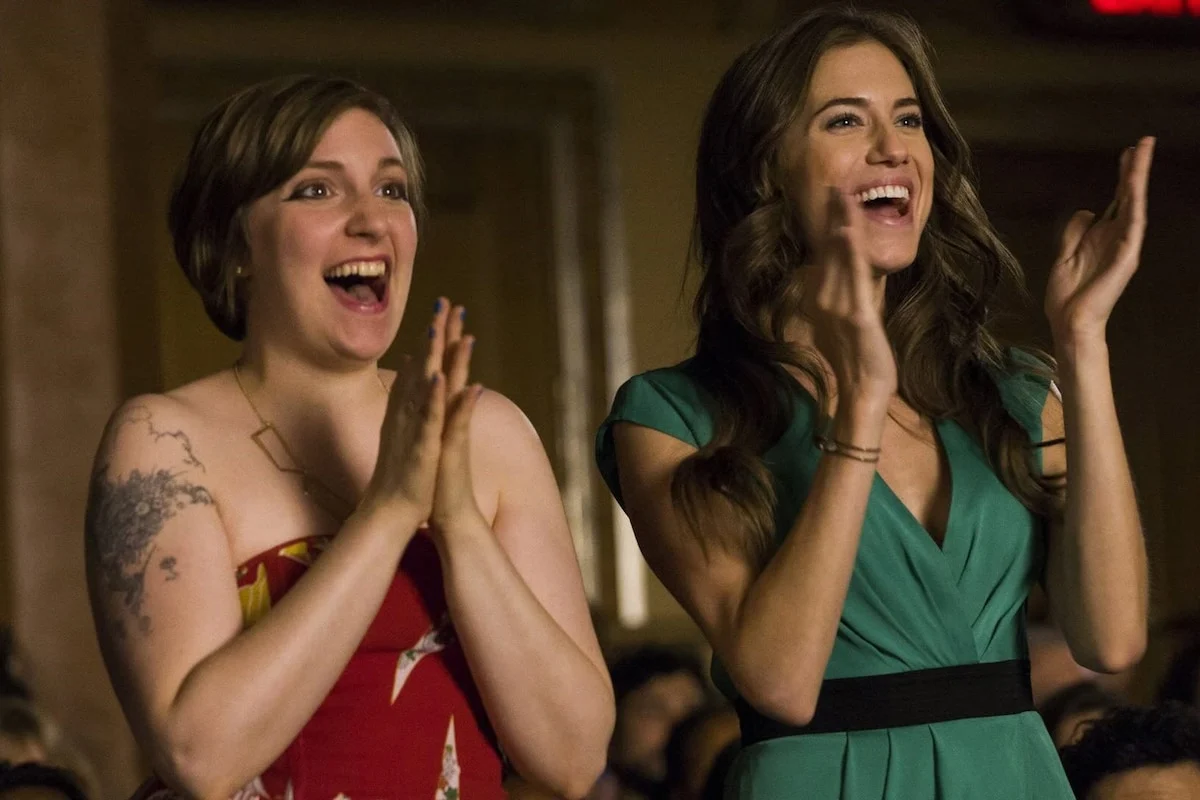
The concept for Girls originated from Dunham’s own experiences and observations of her peer group. Developed with executive producer Judd Apatow, known for his work on comedies that blend humor with emotional depth, the series found a home at HBO, a network celebrated for its innovative and boundary-pushing content. The premise was deceptively simple: four friends—Hannah Horvath (Dunham), Marnie Michaels (Allison Williams), Jessa Johansson (Jemima Kirke), and Shoshanna Shapiro (Zosia Mamet)—navigating friendship, romance, and career aspirations in Brooklyn.
Upon its premiere, Girls immediately sparked widespread discussion and critical debate. Critics lauded its authenticity, sharp dialogue, and willingness to portray female sexuality and bodies in an unprecedented, non-glamorized manner. Dunham’s portrayal of Hannah, an aspiring writer struggling with self-worth, body image, and a chronic lack of direction, was particularly polarizing. Her frequent nudity and often cringe-inducing decisions challenged conventional portrayals of female protagonists. However, the show also faced significant criticism, particularly concerning its perceived lack of diversity and the privileged backgrounds of its characters. Many argued that the series presented a narrow, often insular view of Brooklyn life, failing to represent the broader spectrum of experiences within its purported demographic. Despite these critiques, the show’s cultural footprint was undeniable, quickly becoming a touchstone for conversations about modern feminism, millennial identity, and the complexities of female friendship. It was nominated for multiple Emmy Awards and Golden Globe Awards, with Dunham winning a Golden Globe for Best Actress – Television Series Musical or Comedy in 2013.
Character Arcs: A Study in Flawed Humanity
The strength of Girls lay in its richly drawn, albeit deeply flawed, characters, each embodying distinct aspects of the millennial struggle for identity and purpose.
-
Hannah Horvath: At the core of the series, Hannah’s journey as an aspiring writer was marked by self-obsession, impulsive decisions, and a persistent struggle with her mental health, specifically Obsessive-Compulsive Disorder (OCD). The show’s portrayal of OCD, particularly in moments of extreme stress, was lauded for its realism, moving beyond superficial quirks to depict the debilitating nature of the condition. Her romantic relationships, especially with Adam Sackler (Adam Driver), were tumultuous and often unhealthy, reflecting a generation’s navigation of complex emotional intimacy.
-
Marnie Michaels: Initially presented as the most put-together and conventionally ambitious of the group, Marnie’s arc was a slow unraveling of her carefully constructed facade. Her attempts to reinvent herself, often through ill-advised career moves or disastrous musical endeavors, provided much of the show’s cringe-comedy. Marnie’s journey highlighted the pressure to maintain an image of success and the profound insecurity that can lie beneath it.
-
Jessa Johansson: The enigmatic, free-spirited Jessa embodied bohemian ideals but often masked deep-seated issues of commitment and self-sabotage. Her artistic aspirations and unpredictable nature led her down paths of self-destruction and complicated relationships, including a shocking affair with Hannah’s ex-boyfriend, Adam. Jessa represented the allure and pitfalls of an unbridled, consequence-free existence.
-
Shoshanna Shapiro: Starting as the naive, pop-culture obsessed virgin, Shoshanna underwent perhaps the most significant transformation. Her meticulous planning and ambition often clashed with the chaotic realities of her friends’ lives. Her experiences in the professional world, particularly her stint in Japan, showcased a different kind of millennial struggle – the desire for professional validation and the search for belonging.
The relationships between these four women were a central pillar of the series, depicted with an authenticity that captured the love, resentment, co-dependency, and fierce loyalty inherent in close female friendships. The show eschewed the notion of perfect solidarity, instead showcasing the cyclical nature of conflict, forgiveness, and the painful process of growing apart and back together.
Thematic Depth: Unpacking Millennial Anxieties
Girls tackled a multitude of themes that resonated deeply with its audience, establishing itself as a cultural touchstone for its generation.
-
Economic Realities and Delayed Adulthood: The characters’ constant struggle for financial independence, their reliance on parental support, and their often-unpaid or unsatisfying jobs accurately mirrored the economic challenges faced by many millennials. The show implicitly critiqued the societal expectation of immediate post-college success, acknowledging the protracted period of "emerging adulthood" that characterized the era.
-
Sexuality and Body Image: Lena Dunham’s unapologetic approach to nudity and sex was revolutionary. The show presented sex in all its awkward, sometimes unappealing, and often emotionally charged forms, challenging the idealized and often male-gaze-driven depictions common in media. This candidness fostered important conversations about female agency, body neutrality, and the complexities of sexual expression.
-
Mental Health Portrayal: Beyond Hannah’s OCD, the series touched on themes of anxiety, depression, and self-doubt that are prevalent among young adults. By integrating these struggles into the narrative without sensationalism, Girls contributed significantly to destigmatizing mental health issues, portraying them as an integral part of the characters’ lives rather than isolated incidents.
-
Friendship as a Defining Relationship: The series elevated female friendships to the same level of narrative importance as romantic relationships. It explored the often-fraught dynamics of co-dependency, competition, and unconditional love that define these bonds in early adulthood, showcasing how friends can be both a source of immense support and profound frustration.
-
Privilege and Its Discontents: While criticized for its homogeneous cast, the show also inadvertently explored the anxieties of a privileged generation. Despite their advantages, the characters grappled with a unique brand of existential dread, a feeling that even with every opportunity, happiness and fulfillment remained elusive. This nuanced, if sometimes unintentional, commentary added another layer to its social relevance.
Generation-Defining Moments: A Retrospective
Over its six seasons, Girls delivered numerous scenes that became instantly iconic, capturing the show’s unique blend of humor, pathos, and discomfort.
-
"Your Dad Is Gay": In an early season one episode, the confrontation between Hannah and her ex-boyfriend Elijah (Andrew Rannells) over a potential HPV scare takes an unexpected turn when Elijah, in a fit of anger, reveals that Hannah’s father is gay. This scene was emblematic of the show’s sharp, often cruel, dialogue and its willingness to inject shocking personal revelations into otherwise mundane conflicts. It foreshadowed a major plotline for Hannah’s family and underscored the volatile nature of her relationships.
-
Marnie’s Humiliation Rituals: Marnie’s desperate attempts to reclaim relevance or win back an ex often led to spectacularly embarrassing public performances. Her acoustic cover of Kanye West’s "Stronger" at an app launch party in season two, and her later toe-curling music video for "What I Am," perfectly encapsulated her profound insecurities and misguided efforts at artistic expression. These moments were masterclasses in cringe-comedy, showcasing the excruciating vulnerability of trying too hard.
-
Hannah’s OCD Meltdown: The climax of season two saw Hannah in the throes of a severe OCD spiral as she tried to meet a book deadline. Her compulsive hair-cutting scene was a brutally honest and visually stark depiction of a mental health crisis, offering an unprecedented look at the condition’s impact on daily life. The quiet compassion offered by her eccentric neighbor, Laird Schlesinger (Jon Glaser), provided a poignant counterpoint to Hannah’s self-destruction, emphasizing the unexpected sources of support in times of need.
-
Shoshanna’s Outburst: In season three, a drunken Shoshanna unleashes a torrent of unfiltered truths about her friends, articulating long-simmering resentments and frustrations. This scene resonated deeply with viewers who recognized the uncomfortable honesty that often emerges during intoxicated confessions, revealing the unspoken tensions that can fray even the closest friendships. It was a pivotal moment for Shoshanna, marking her growing disillusionment with the group’s dynamics.
-
Hannah Discovers Jessa and Adam: The slow-burn reveal of Jessa and Adam’s burgeoning romance was a masterstroke of dramatic tension. The episode, particularly its final moments where Hannah gradually pieces together the betrayal, demonstrated the show’s power in conveying profound emotional impact through unspoken cues and lingering gazes. It represented a fundamental rupture in the group’s dynamics, questioning the very foundation of their friendships.
-
"The Panic in Central Park": This standalone episode in season five, featuring Marnie’s unexpected reunion with her ex-boyfriend Charlie (Christopher Abbott), was a departure from the show’s usual format. It explored themes of nostalgia, regret, and the allure of revisiting past loves. Praised for its cinematic quality and dreamlike atmosphere, the episode offered a poignant, almost melancholic, reflection on the paths not taken and the definitive end of a significant relationship.
-
"Good Soup": The quiet, heartbreaking scene in season six where Hannah and Adam finally acknowledge the inevitable end of their tumultuous relationship epitomized the show’s ability to convey profound emotion without overt melodrama. The simple, shared meal and unspoken understanding of their incompatibility marked a mature, albeit painful, conclusion to their long love affair, highlighting the nuanced ways relationships can evolve and dissolve.
Legacy and Enduring Relevance: A Show That Aged Well
Fourteen years after its debut, Girls continues to be a subject of intense discussion and critical reappraisal. Its initial controversies, particularly regarding privilege and diversity, remain valid points of contention, yet its core themes and artistic merits have proven remarkably resilient. The show’s unflinching honesty about the anxieties of early adulthood, the complexities of female friendship, and the often-messy pursuit of self-discovery has ensured its enduring relevance.
Girls paved the way for a new wave of television that embraced "unlikable" female protagonists and narratives focused on authentic, rather than idealized, experiences. Its influence can be seen in subsequent critically acclaimed series like Fleabag, Broad City, and Insecure, all of which feature complex female leads navigating modern life with a blend of humor and vulnerability. The show’s commitment to portraying mental health struggles with realism also contributed to broader cultural conversations, helping to normalize discussions around anxiety, depression, and OCD.
Lena Dunham’s brave and often provocative vision fundamentally altered the landscape of television comedy-drama. Girls was not merely a snapshot of a particular generation; it was a profound exploration of identity, belonging, and the universal struggle to find one’s place in the world. Its legacy is not just in the characters it created or the moments it immortalized, but in the doors it opened for more diverse, challenging, and authentic storytelling about women on screen. As new generations discover Hannah, Marnie, Jessa, and Shoshanna, the show’s timeless portrayal of imperfect humanity ensures its place as a significant cultural touchstone for years to come.