










The fashion industry is undergoing a significant transformation, driven by a dual imperative: the urgent need for environmental sustainability and a growing demand for genuine gender inclusivity. Once a niche concept, the convergence of sustainable practices and gender-neutral design is now reshaping consumer expectations and manufacturing approaches. This shift addresses not only the environmental footprint of clothing production but also the societal need for apparel that respects and celebrates the full spectrum of human identity. Navigating this evolving landscape to identify brands that authentically embody both principles can be complex, yet a curated selection of highly-rated companies is proving that ethical and inclusive fashion is not merely aspirational but increasingly attainable.
The Evolution of Fashion: Embracing Inclusivity Beyond the Binary
In recent years, global conversations surrounding gender identity have intensified, highlighting critical issues from the rights of transgender individuals to feel safe and respected to the equitable athletic participation of trans and gender-diverse people. These discussions underscore a fundamental societal shift: the gradual dismantling of rigid gender binaries. As traditional gender roles continue to evolve, and understanding deepens that human identity extends far beyond the conventional categories of "man" and "woman," industries across sectors are beginning to adapt. Fashion, historically one of the most overtly gender-segregated domains, is at the forefront of this re-evaluation. For individuals who identify outside the gender binary, finding clothing that aligns with their identity and promotes a sense of comfort and self-expression has long presented a significant challenge.
The historical trajectory of clothing has largely been dictated by societal norms that assigned specific garments, colours, and styles to men and women. From the distinct silhouettes of Victorian era to the gendered marketing of contemporary retail, fashion has often reinforced, rather than challenged, these divisions. However, the late 20th and early 21st centuries have seen a gradual loosening of these strictures. The rise of unisex trends in the 1960s and 70s offered glimpses of a less gendered future, yet these often remained within conventional interpretations of "neutrality." The current movement, however, is distinct; it is not merely about unisex styles but about designing with intentional gender inclusivity at its core, recognizing and validating diverse gender expressions.
The Intersectional Advantage: Sustainability Meets Gender Inclusivity
The pursuit of gender-inclusive clothing often runs parallel with the quest for sustainable and ethical brands. This dual challenge, while initially seeming daunting, is increasingly being met by innovators in the fashion space. The intersection of these two movements—sustainability and inclusivity—is not coincidental; indeed, they share fundamental philosophical underpinnings and practical benefits. Charlie McEvoy, founder of Plant Faced Clothing, a brand committed to compassionate, sustainable, and animal rights-focused apparel, articulates this connection succinctly: "My focus has always been on creating clothing that helps people express their values, particularly around compassion, sustainability, and animal rights. From the beginning, I wanted our clothing to be accessible to as many people as possible, regardless of gender." McEvoy, identifying as non-binary/gender neutral, notes that their personal experience profoundly influenced the brand’s inclusive design philosophy and its mission to foster a community built on shared values.
Similarly, Linda Simonetti, marketing director at maison blanche, a Swiss label recognized for its vegan, conceptual fashion, echoes this sentiment regarding design limitations. "The idea that clothing needs to be gendered felt like an unnecessary limitation from the start. maison blanche was always about garments that fit the person wearing them, not a category they’re supposed to belong to." This perspective highlights a fundamental shift from prescribing identity through clothing to enabling self-definition.
The practical advantages of this integrated approach are significant. McEvoy further elaborates on the close connection between gender-neutral clothing and sustainable fashion, stating that "both encourage a more thoughtful approach to consumption. When garments are designed to be worn by anyone, they often have a broader appeal and a longer lifespan. They can be shared between partners, friends, or family members, and are less likely to become obsolete because of changing trends or gender norms." This concept directly addresses one of the most pressing issues in modern fashion: overconsumption and waste. By creating versatile, enduring pieces, brands contribute to a circular economy, reducing the volume of clothing sent to landfills.
Simonetti reinforces the economic and environmental efficiencies: "Designing genderless means we can calculate production quantities more accurately, since pieces work for everyone instead of being split into separate lines. That means less overstock, less warehouse space, and built-in flexibility: if a piece doesn’t fit the person who ordered it, it might fit their partner. Either way, you get double the reach from a single design." This precision in production is crucial in an industry notorious for its vast quantities of unsold inventory, which often ends up incinerated or in landfills. The ability to streamline inventory and reduce waste at the manufacturing stage represents a tangible step towards a more sustainable fashion ecosystem.
The Shifting Sands of Consumer Preference and Market Demand
The attitudes of shoppers are demonstrably changing. Both McEvoy and Simonetti observe a growing consumer prioritization of fit, personal style, and garment longevity over adherence to binary gender categories or fleeting trends. This evolution is not confined solely to gender-diverse individuals; it also resonates with a broader demographic seeking neutral aesthetics, minimalist designs, or simply garments that transcend traditional gendered expectations.
Market data supports this anecdotal evidence. A 2022 report by the Business of Fashion indicated a significant increase in consumer interest in gender-neutral clothing, particularly among younger demographics. Generation Z, in particular, demonstrates a pronounced preference for fluidity and self-expression, actively seeking out brands that align with these values. Furthermore, the sustainable fashion market continues its upward trajectory. Reports project the global sustainable fashion market to reach billions of dollars in the coming years, driven by increasing consumer awareness of environmental and social issues. The intersection of these two trends—demand for inclusivity and demand for sustainability—creates a powerful market force, incentivizing brands to adopt more progressive practices. The consumer is increasingly wielding their purchasing power to demand both ethical production and inclusive design.
Pioneering Brands at the Forefront of Change
A growing number of brands are successfully integrating sustainability with gender-neutral design, offering diverse options for conscious consumers. These companies are not only producing aesthetically versatile clothing but are also committed to transparent and ethical supply chains, innovative material use, and fair labour practices. The following selection exemplifies the best in this burgeoning sector, each rated for their impact on people, the planet, and animals by rigorous assessment systems.
-
Etiko: This Australian brand is a leader in organic fair trade clothing and footwear. Etiko consistently champions human rights within exploitative industry supply chains, setting a high bar for ethical production. Their unisex hoodies, made from organic fairtrade cotton, exemplify their commitment, offering both comfort and a clear conscience. Available in AU sizes 8-20 for clothing and UK sizes 3-13 for shoes, Etiko ensures broad accessibility.
-
BEDI: Hailing from Canada, BEDI crafts handmade bags, knits, and outerwear with a strong circularity ethos. They utilize lower-impact materials such as upcycled airline seat leather, recycled fishing nets, vegan cactus leather, and sustainably grown cotton. Driven by slow fashion principles, BEDI’s durable pieces are designed for longevity, aiming to be passed down through generations. Their range spans sizes XS-XL, offering versatile options for all.
-
Opera Campi: Founded in Italy in 2017, Opera Campi produces premium quality garments using locally-sourced raw materials. The brand adopts a balanced approach to sustainability across its supply chain and dedicates 4% of its profits to social causes. Their commitment to inclusive sizing, from 3XS-3XL, further underscores their dedication to accessibility and ethical practice.
-
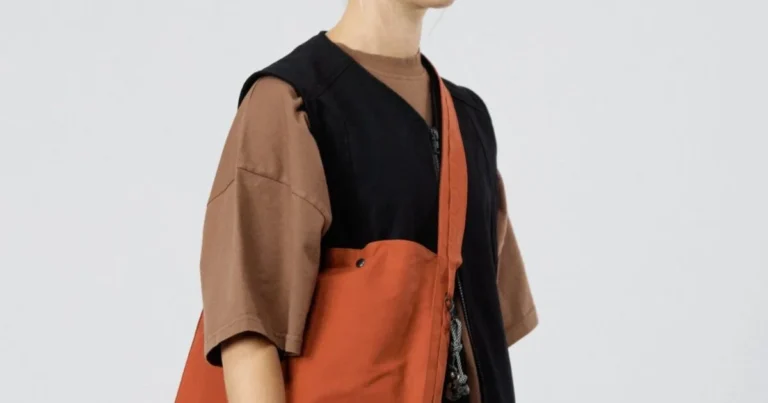
SukkhaCitta: An Indonesian certified B Corp, SukkhaCitta creates timeless modern heirlooms by leveraging heritage crafts. Their gender-neutral collection, including items like the Hara Vest, showcases beautiful designs crafted with deep cultural and ethical roots. Shipping internationally, their range is available in sizes XS-L, connecting global consumers with artisanal, responsible fashion.
-
Kotn: This Canadian certified B Corp is deeply committed to social impact. Kotn partners with local NGOs in the Nile Delta to fund quality education for children in its farming communities, addressing low literacy rates. Every purchase not only provides a high-quality garment but also contributes to school infrastructure, materials, and teacher salaries. Kotn offers sizes XS-2XL, blending style with significant social responsibility.
-
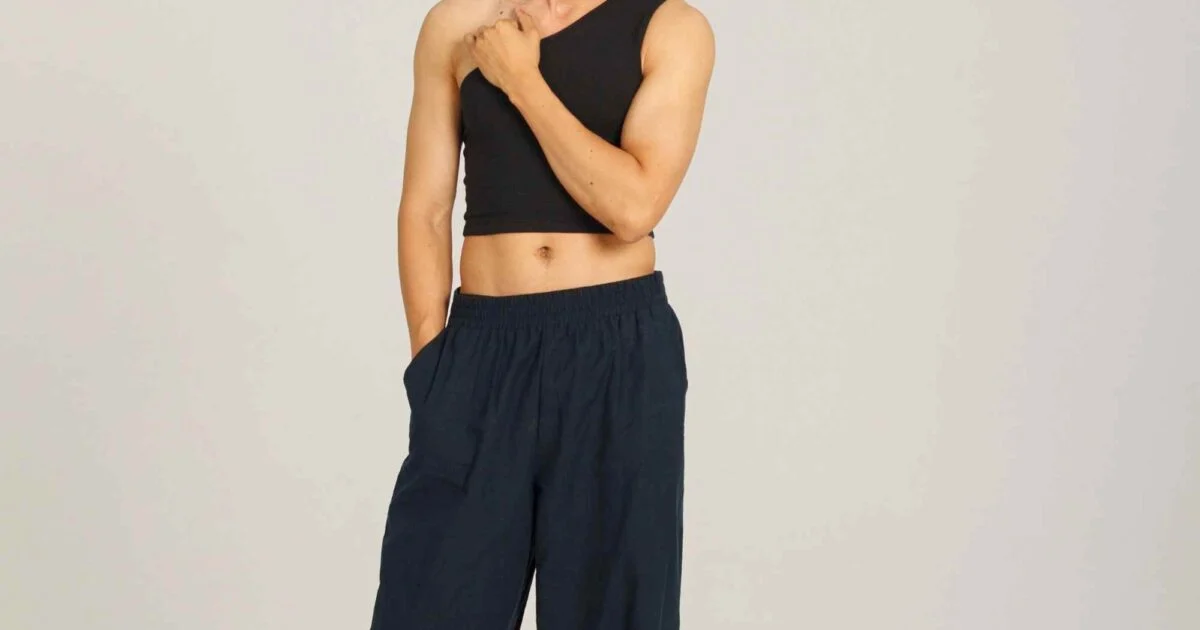
WAWWA: The UK-based brand WAWWA prioritizes the Earth and its inhabitants by creating organic, fair trade, and vegan-friendly clothing. They use lower-impact materials, including recycled content, non-toxic dyes, and actively reuse offcuts to minimize textile waste. WAWWA’s gender-neutral trousers, such as the Leo Trousers, exemplify their commitment to sustainable and inclusive design, available in sizes XS-2XL.
-
Big Bud Press: Based in Los Angeles, Big Bud Press is renowned for its vibrant, size-inclusive, and unisex clothing. Their "It’s a Start" rating indicates ongoing progress in ethical practices. While working towards greater transparency on water usage and hazardous chemicals, the brand’s commitment to inclusive sizing (XXS to 6XL) and domestic production (as implied by their LA base) positions them as a significant player in accessible fashion. Their colourful jumpsuits are a staple of their gender-neutral offerings.
-
maison blanche: This Swiss label stands out for its vegan, conceptual fashion that actively raises awareness of socio-political issues. As articulated by Linda Simonetti, their design philosophy inherently rejects gendered limitations, leading to more accurate production calculations and reduced overstock. While specific sizing details vary by collection, their core principle of designing garments for the individual wearer, not a category, is paramount.
-
Flare Street: Melbourne-based Flare Street revives 1960s and ’70s style with quality fabrics and vintage-inspired prints. Their commitment to responsibility includes using lower-impact materials and locally sourced factory ends in limited production runs, ensuring a living wage for workers in the final production stage. Available in sizes 2XS-3XL, their designs offer a unique, inclusive aesthetic.
-
Lâcher Prise: A US-based vegan brand, Lâcher Prise offers versatile clothing, basics, and underwear. Rated "Great" for the planet, they use lower-impact materials like organic cotton, significantly reducing chemical, water, and wastewater footprints. Most items are available in sizes S-XL, providing ethical options for everyday wear.
-
Unbelts: This brand focuses on practical yet ethical solutions, creating stretchy belts that ensure a perfect fit while also committing to quality job creation throughout their supply chain. While not clothing in the traditional sense, their accessories embody the spirit of thoughtful design and social responsibility.
-
Petit Pli: An award-winning brand, Petit Pli designs clothes that grow with children, blending aerospace innovation with ethical manufacturing. While focused on children’s wear, their approach to adaptable, long-lasting garments aligns perfectly with the broader principles of sustainability and gender-neutral design, aiming to reshape fashion for the next generation.
-
ALTER X Company: This US brand crafts apparel with a mission: 20% of each purchase is donated to a cause chosen at checkout. Their focus on purpose-driven fashion empowers consumers to be agents of change. Available in sizes XS-2XL, they combine social impact with inclusive design.
-
The ANJELMS Project: An Australian brand, ANJELMS is dedicated to improving the lives of its makers. They celebrate traditional techniques, producing naturally dyed and hand-loomed clothes in India using sustainable practices and limited production runs to minimize waste. Their garments are typically found in XS-2XL.
-
Seek Collective: This US brand creates thoughtfully made items with a strong dedication to transparency, authenticity, craft, and sustainability. Their pieces are produced in India through partnerships with like-minded communities, fostering connections between art, product, and makers. Most products are available in XS-L, with an extended sizing range up to 4XL.
-
non: A UK-based label, non specializes in raw selvedge denim jeans, jackets, and accessories designed for durability and longevity. Their focus on high-quality, long-lasting denim inherently promotes a more sustainable consumption pattern. Jeans are available in sizes 26-36.
Challenges and the Path Forward for Inclusive Sustainable Fashion
Despite the significant strides made by these pioneering brands, the journey towards a fully inclusive and sustainable fashion industry faces considerable challenges. Industry-wide adoption of ethical labour practices, scaling the use of truly lower-impact materials, and fostering complete supply chain transparency remain complex hurdles. Many larger fashion corporations, while increasingly aware of consumer demand, struggle to overhaul deeply entrenched, often exploitative, business models. Consumer education also plays a vital role; distinguishing genuinely sustainable and inclusive brands from those engaged in "greenwashing" or "rainbow washing" requires critical discernment.
However, the trajectory is clear. The future of fashion is increasingly being shaped by innovation in material science, such as bio-based fabrics and advanced recycling technologies, which promise to further reduce environmental impact. Policy initiatives and regulatory frameworks aimed at promoting circularity and fair labour are gaining momentum globally. Moreover, continued advocacy from human rights organizations and environmental groups, coupled with the rising influence of conscious consumerism, will undoubtedly accelerate this transformation. The ongoing dialogue around gender identity and expression will continue to push designers and brands to think more expansively about who their clothes are for and how they can empower individuals.
The convergence of sustainability and gender inclusivity in fashion represents more than just a trend; it signifies a profound paradigm shift towards a more ethical, equitable, and environmentally responsible industry. Brands like those highlighted are not merely selling clothes; they are offering a vision of fashion that champions individual expression while honouring the planet and its people. By making conscious choices, consumers have the power to support this evolution, fostering a future where fashion truly serves "every body" and protects our shared home.