










While many European music enthusiasts were navigating the rain-soaked crowds of Primavera that same weekend, a different kind of festival experience unfolded across the continent. In the verdant expanse of Paris’s historic Bois de Vincennes, the eco-conscious We Love Green festival celebrated its annual iteration, reaffirming its status as a pivotal fixture on the city’s summer cultural calendar. Since its inception in 2011, We Love Green has consistently championed a unique fusion of cutting-edge musical acts and unwavering environmental responsibility, drawing a remarkably diverse audience with a lineup that this year spanned from the pop sensibilities of Addison Rae and the experimental electronic soundscapes of Yousuke Yukimatsu to the indie charm of Mac DeMarco and the soulful depth of Dijon. The festival not only provided a platform for celebrated global artists but also fostered a vibrant space for intellectual engagement and a commitment to sustainable practices, setting a benchmark for large-scale cultural events worldwide.
A Decade of Green Evolution: We Love Green’s Genesis and Growth
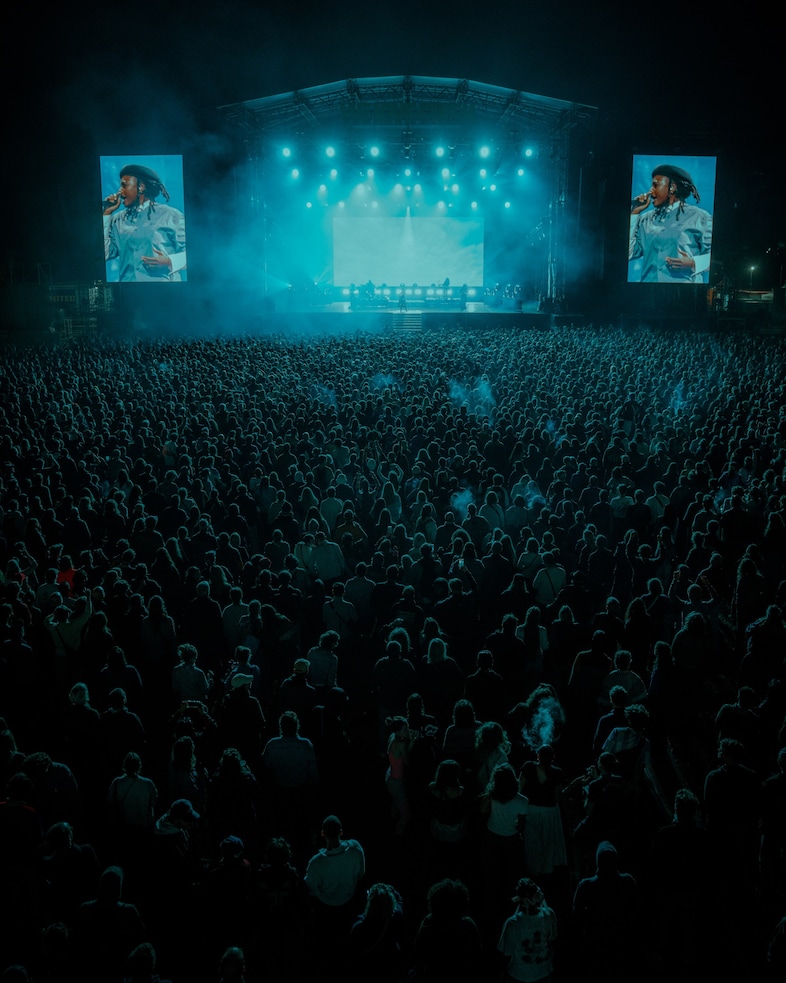
Founded in 2011, We Love Green emerged from a vision to create a music festival that was inherently sustainable, challenging the traditional environmental footprint of large-scale events. From its very first edition, the festival committed to integrating ecological principles into every facet of its operation, a pioneering approach that quickly set it apart in the burgeoning European festival scene. Over the past decade, We Love Green has steadily grown in stature and attendance, evolving from a spirited local initiative into an internationally recognized event, consistently attracting over 100,000 attendees across its multi-day run. Its permanent home in the Bois de Vincennes, one of Paris’s largest public parks, serves as a poignant backdrop, enhancing the festival’s core message of environmental harmony and conservation. The choice of location itself is strategic, providing a natural, open-air environment conducive to both artistic expression and ecological awareness, allowing attendees to immerse themselves in nature while engaging with contemporary culture. This consistent dedication to its founding principles has solidified We Love Green’s reputation not just as a music festival, but as a leading example of how large-scale entertainment can operate in alignment with pressing environmental concerns.
The Bois de Vincennes: A Natural Stage for Conscious Celebration
The Bois de Vincennes, a sprawling urban park on the eastern edge of Paris, offers more than just ample space for We Love Green; it embodies the festival’s ethos. Covering approximately 995 hectares, it is a significant green lung for the city, rich in biodiversity and historical resonance. For the duration of the festival, this natural environment is transformed into a meticulously managed cultural hub, where stages are integrated thoughtfully into the landscape, and sustainable infrastructure is paramount. The park’s lakes, wooded areas, and open lawns become vibrant arenas for music, art installations, and discussions, fostering an atmosphere that is both festive and contemplative. The festival’s meticulous planning ensures minimal disruption to the park’s ecosystem, utilizing existing pathways, temporary structures designed for low impact, and comprehensive waste management systems. This symbiotic relationship with its natural setting underscores We Love Green’s commitment to preserving the very environment it celebrates, providing attendees with a refreshing contrast to concrete urban landscapes often associated with large festivals.
Homegrown Resonance: French Talent Captivates Parisian Audiences
A significant highlight of the recent We Love Green festival was the overwhelming reception for France’s homegrown musical talent, demonstrating the festival’s commitment to nurturing and showcasing local artists alongside international stars. Artists such as Oklou and Theodora, both deeply rooted in the French music scene (Theodora having relocated to France in 2009), commanded some of the weekend’s most fervent and densely packed audiences. These artists, affectionately referred to as "mothers" by their devoted Parisian teenage fanbase, resonated deeply with the local crowds, embodying a sense of pride and connection.
Oklou, known for her distinctive blend of electronic pop and ethereal vocals, delivered a captivating performance on the tent stage. Her set was a masterclass in her signature artistic elements: the dramatic sweep of a scanning flashlight, the evocative use of her characteristic red recorder, and the mesmerizing, almost humbling swaying dance that has become an iconic part of her stage presence, affectionately dubbed "The Obvious" by her followers. Her performance was a testament to her unique artistry and her strong bond with her audience, who sang along to every lyric with an almost reverent enthusiasm.
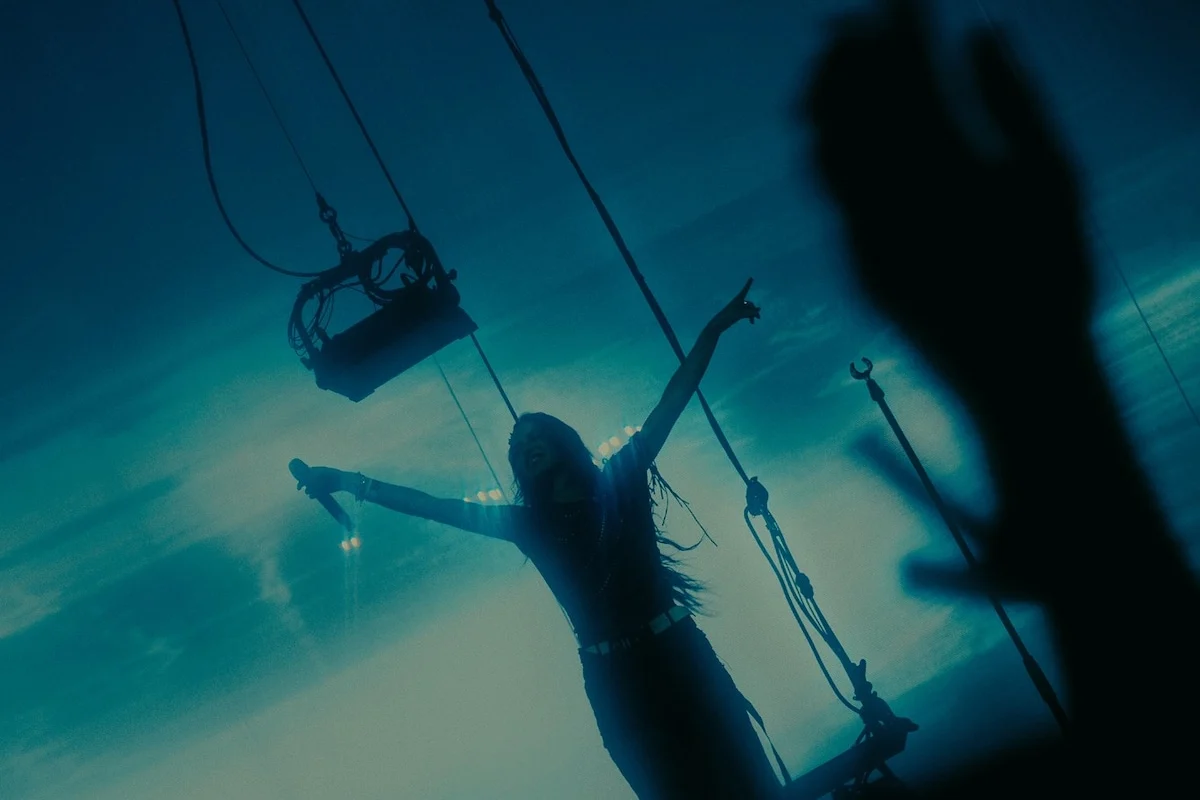
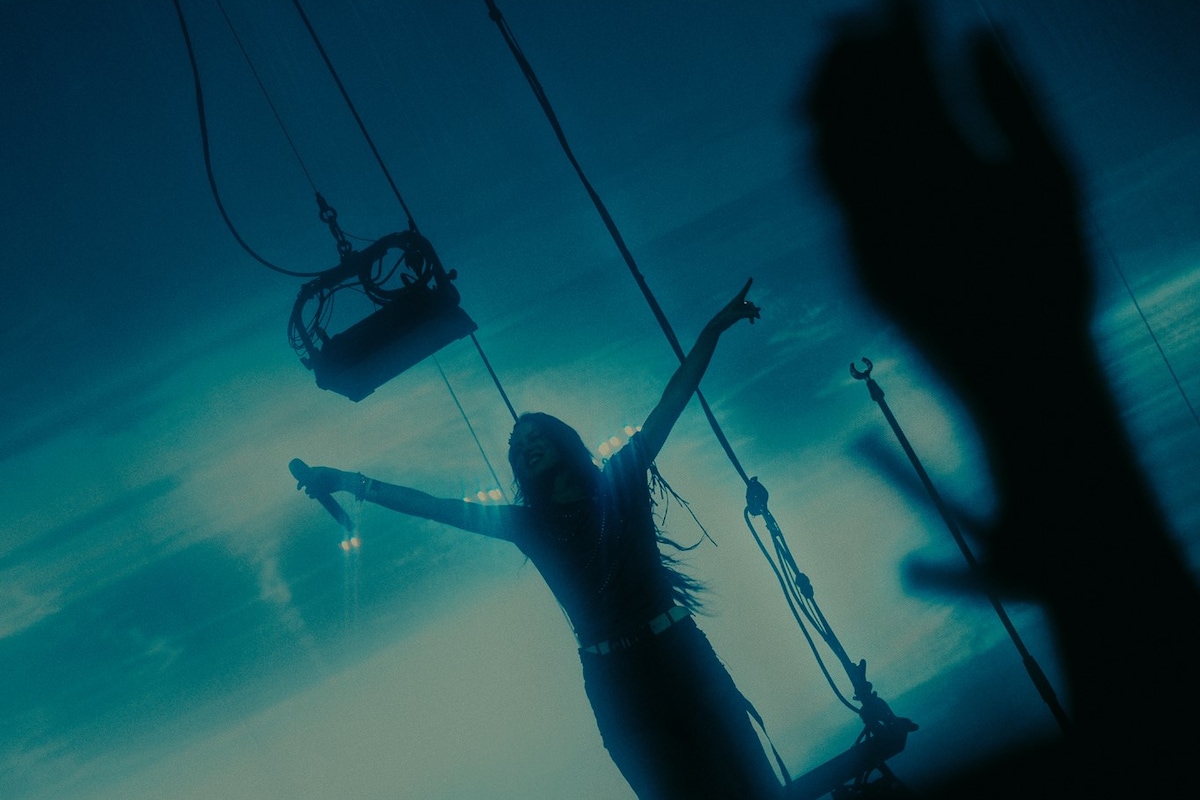
Theodora, gracing the main stage, brought a different but equally potent energy to close out the festival’s first day. Her powerful performance generated a palpable buzz that rippled through the Bois de Vincennes, with the crowd swelling to encompass a significant portion of the festival grounds. Her ability to connect with such a vast audience underscored her growing influence and her capacity to deliver a truly memorable live experience. The enthusiastic reception for both Oklou and Theodora highlights We Love Green’s strategic vision of balancing global appeal with a strong emphasis on local relevance, providing a vital platform for artists who genuinely resonate with the festival’s core audience and cultural landscape. This focus on national talent not only enriched the festival experience but also reinforced its identity as a truly Parisian event.
The Think Tank Stage: Cultivating Minds Amidst Melodies
Beyond the pulsating rhythms and captivating performances, We Love Green offered a vital intellectual counterpoint through its modestly sized yet profoundly impactful Think Tank stage. This dedicated space served as a nexus for critical thought and progressive dialogue, distinguishing the festival from many of its purely entertainment-focused counterparts. Throughout the day, the Think Tank hosted a series of engaging panel discussions and thought-provoking talks, featuring contributions from prominent groups such as Riposte Drag and Amnesty International.
Riposte Drag, a collective advocating for LGBTQ+ rights and visibility through drag art, facilitated discussions on identity, representation, and social justice, resonating with a demographic eager for inclusive and progressive discourse. Amnesty International, a global leader in human rights advocacy, leveraged the platform to raise awareness about pressing human rights issues, inviting attendees to consider their role in broader societal challenges. These sessions offered festival-goers a unique opportunity to pause, reflect, and engage with significant contemporary issues, fostering an environment of active citizenship and informed awareness. The topics ranged from environmental policy and social equity to cultural movements and technological ethics, ensuring a wide appeal and demonstrating the festival’s commitment to holistic engagement.
As evening descended, the Think Tank stage underwent a dynamic transformation, seamlessly transitioning from a forum for intellectual discourse to a vibrant live music venue. This dual functionality underscored the festival’s innovative approach to programming, proving that serious discussions could fluidly coexist with electrifying entertainment. One of the weekend’s most acclaimed performances unfolded here, as EDM wizard Ninajirachi delivered a standout set that closed out the stage with an explosive display of electronic artistry. Her intricate beats and immersive soundscapes provided a high-energy conclusion to a day that had commenced with deep contemplation, perfectly encapsulating We Love Green’s multifaceted appeal. The Think Tank stage thus became a microcosm of the festival itself: a space where the celebration of culture, music, and ideas converged, leaving attendees both inspired and invigorated.
A Symphony of Styles: The Lineup’s Broad Appeal
The curatorial genius of We Love Green’s programming was evident in its ability to assemble a lineup that catered to an astonishingly broad spectrum of musical tastes and demographics across its three days. Each headliner effectively carved out a distinct atmosphere, attracting unique segments of the festival audience.
Friday’s headlining act, Gorillaz, drew a multi-generational crowd, primarily composed of parents and their children. Dads in faded band tees, many of whom likely grew up with the virtual band’s groundbreaking sound, queued patiently, equipping their kids with protective ear defenders and keeping them enthralled with the band’s famously surreal and visually rich animated performances. The iconic blend of alternative rock, hip-hop, and electronica, coupled with their distinctive visual artistry, created a nostalgic yet forward-thinking experience for fans young and old.
Saturday witnessed a dramatic shift in demographic, as the magnetic pull of Addison Rae took center stage. Her performance attracted a youthful, digitally native audience—those with "screen time north of six hours a day and elite taste," as one observer quipped. Rae’s transition from TikTok sensation to burgeoning pop artist exemplifies a modern cultural phenomenon, and her presence at We Love Green highlighted the festival’s embrace of contemporary trends and its ability to draw a highly engaged, social media-savvy crowd. Her set was a testament to the evolving landscape of celebrity and music, where digital influence translates into real-world fanfare.
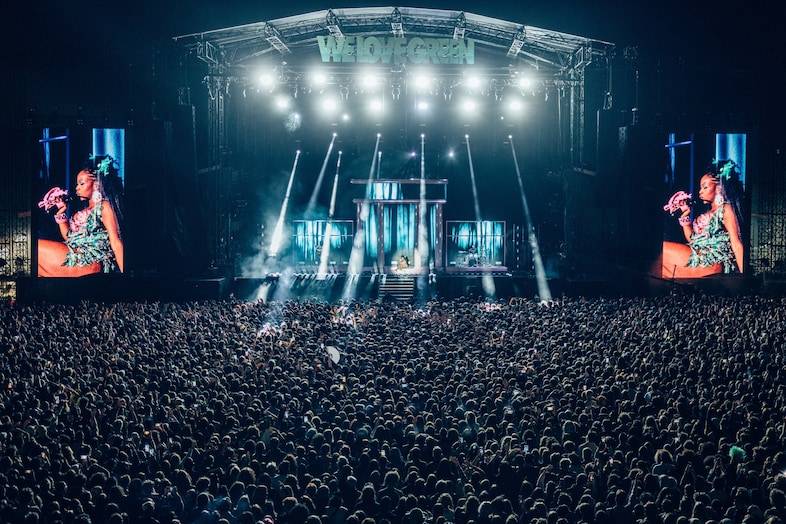
By Sunday, the festival’s demographic further diversified, splitting into two equally passionate, yet distinct, camps. One half comprised tweens, meticulously styled in cowboy boots and double denim, eager to experience the heart-on-sleeve indie-pop of Role Model. His raw, emotionally resonant lyrics and accessible melodies resonated deeply with a younger audience navigating the complexities of adolescence and relationships. The other half of Sunday’s attendees arrived in a striking contrast of Realtree camo and blackout tattoos, anticipating the haunting, sermon-like set delivered by Ethel Cain. Her unique blend of Americana, gothic pop, and evocative storytelling created an intensely atmospheric and deeply personal experience, drawing a cult following that appreciated her distinctive aesthetic and profound lyrical narratives.
This deliberate curation, spanning global virtual bands, social media stars, indie darlings, and genre-bending artists, underscores We Love Green’s commitment to musical eclecticism. It ensures that the festival remains vibrant and relevant, offering something compelling for virtually every taste while fostering a shared experience of discovery and celebration within its sustainable framework.
The Epitome of Green: Living Up to Its Name
We Love Green’s commitment to its name is not merely symbolic; it is deeply embedded in every operational decision and attendee experience, cementing its reputation as one of the most environmentally conscious festivals globally. The festival meticulously leverages the natural beauty of its Bois de Vincennes setting while implementing a suite of innovative sustainable practices that go far beyond superficial gestures.
A cornerstone of its ecological commitment is its 100% vegetarian catering policy. This bold move significantly reduces the festival’s carbon footprint, as meat production is a major contributor to greenhouse gas emissions. By offering only plant-based options, We Love Green not only aligns with its green ethos but also introduces attendees to delicious and diverse vegetarian cuisine, promoting a more sustainable dietary lifestyle. The food stalls feature locally sourced ingredients where possible, further minimizing transportation emissions and supporting regional producers, thereby strengthening the local economy and ensuring freshness.
Another key initiative is the implementation of a robust reusable cup deposit system. Upon purchasing their first drink, attendees pay a small deposit for a durable, branded cup. This cup can then be reused throughout the festival, or returned at the end for the deposit refund, drastically reducing single-use plastic waste. For international visitors, a quick brush-up on French recycling vocabulary becomes a practical necessity, highlighting the festival’s immersive approach to sustainability. Educational signage, often in both French and English, guides attendees through waste sorting protocols, encouraging active participation in the festival’s extensive recycling and composting programs. On average, We Love Green achieves an impressive waste recovery rate, often exceeding 80%, through meticulous sorting and innovative composting solutions for organic waste generated by catering and attendees.
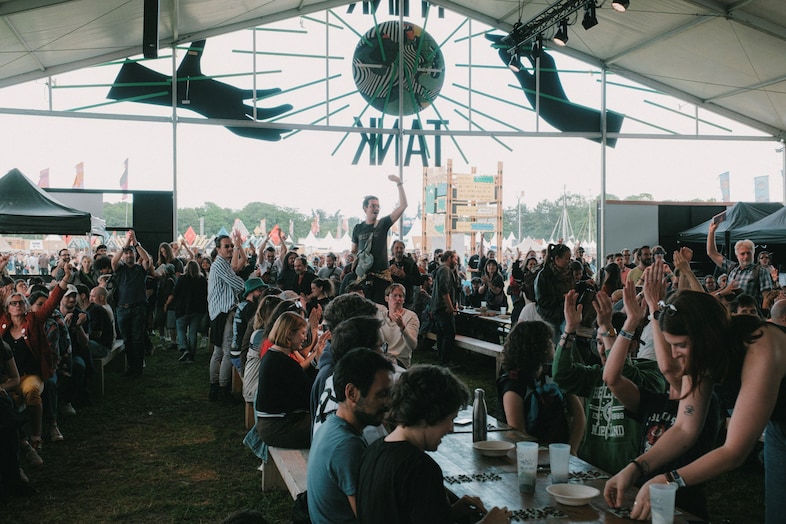
Beyond catering and waste management, We Love Green invests heavily in renewable energy sources. A significant portion of the festival’s power is generated from solar panels and bio-fueled generators, dramatically cutting down on reliance on fossil fuels. Water management is also a priority, with efforts made to conserve water and treat wastewater responsibly. The festival also actively engages in carbon offsetting programs, investing in projects that mitigate the environmental impact of unavoidable emissions, such as artist travel and logistics.
The broader implications of We Love Green’s steadfast adherence to its environmental principles are significant. It serves as a powerful model for the global festival industry, demonstrating that large-scale events can indeed be both culturally enriching and ecologically responsible. Its success proves that sustainability is not a compromise but an enhancement to the festival experience, attracting a growing audience of environmentally aware individuals who seek entertainment aligned with their values. By consistently living up to its name, We Love Green does more than just host a festival; it cultivates a community committed to a greener future, setting a precedent for conscious celebration and responsible event management worldwide.