










Viscose, also widely known as rayon, stands as one of the fashion industry’s most prevalent materials. Categorized as a man-made cellulosic fibre (MMCF), it is derived from trees, yet its plant-based origin does not automatically equate to sustainability. In recent years, the material has emerged as a significant environmental concern, prompting increased scrutiny from advocacy groups, consumers, and industry stakeholders. This comprehensive analysis delves into the complexities of viscose production, its historical trajectory, environmental footprint, and the burgeoning landscape of more sustainable alternatives.
What is Viscose? A Deeper Dive into a Fashion Staple
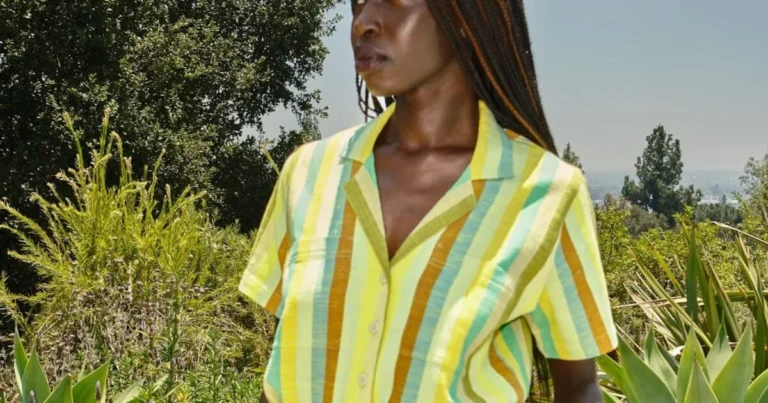
Viscose is frequently positioned as a more sustainable alternative to conventional cotton or polyester, and it has gained widespread popularity in the fashion industry as a cost-effective and durable substitute for natural silk. Its characteristic drape and soft feel make it ideal for a variety of garments, including flowing summer dresses, skirts, blouses, and even synthetic velvet. Beyond apparel, viscose’s versatility extends to upholstery, bedding, and carpets. According to data from Textile Exchange, viscose commands an impressive market share, accounting for approximately 80% of all man-made cellulosic fibres produced globally, underscoring its foundational role in modern textile manufacturing.
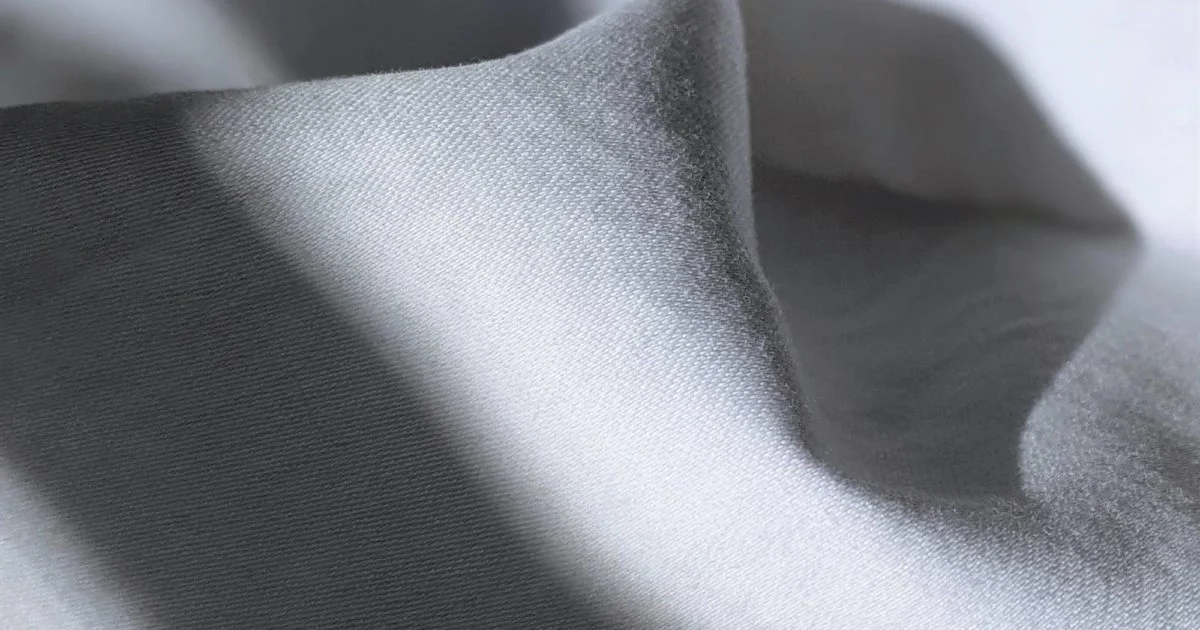
The fibre’s appeal lies in its unique combination of properties: it is breathable, highly absorbent, and can be easily dyed, offering designers a broad palette and functional flexibility. Its ability to mimic the luxurious feel of silk at a fraction of the cost has cemented its position, particularly within the fast fashion sector, which demands high volumes of affordable materials to meet rapidly changing trends.
A Brief History of Viscose: Innovation and Evolution
The journey of viscose began in the late 19th century amidst a fervent period of textile innovation. French scientist and industrialist Hilaire de Chardonnet (1839-1924) is credited with developing the first commercial viscose fibre. His initial aim was to create a cheaper alternative to silk, a material that was both exclusive and expensive. However, Chardonnet’s early iterations of the fabric were highly flammable, leading to its swift removal from the market. This setback underscored the significant challenges in developing safe and commercially viable synthetic fibres.
A breakthrough occurred in 1892 when British scientists Charles Frederick Cross, Edward John Bevan, and Clayton Beadle successfully discovered and patented a refined production process for viscose. Their method addressed many of the safety concerns of earlier attempts, paving the way for its commercial viability. By 1905, the first commercially produced viscose rayon entered the market, marking a pivotal moment in the history of textiles. The material quickly gained traction, offering manufacturers an unprecedented ability to create garments with desirable qualities at scale, significantly impacting the nascent ready-to-wear industry and contributing to the democratization of fashion.
The Production Process: From Wood Pulp to Wearable Fibre
Viscose is primarily derived from cellulose, the main component of plant cell walls, typically sourced from the wood pulp of fast-growing, regenerative trees such as eucalyptus, beech, and pine. The manufacturing process involves several key stages:
- Pulp Preparation: Wood chips are treated to extract cellulose, forming a purified wood pulp.
- Steeping and Pressing: The cellulose pulp is steeped in a caustic soda (sodium hydroxide) solution, then pressed to remove excess liquid, resulting in "alkali cellulose."
- Xanthation: The alkali cellulose is broken into crumbs and aged, then reacted with carbon disulphide (CS2) to form "cellulose xanthate." This is a critical step, but also the source of significant environmental and health concerns due to the toxicity of carbon disulphide.
- Dissolution: The cellulose xanthate is dissolved in a dilute caustic soda solution, producing a viscous, honey-like substance, which is the "viscose" solution itself.
- Spinning: The viscose solution is then forced through tiny nozzles (spinnerets) into a coagulation bath containing sulphuric acid and other salts. This acid bath regenerates the cellulose, solidifying it into continuous filaments, which are then stretched and spun into fibres.
- Finishing: The fibres are washed, bleached, and dried, ready to be spun into yarn and woven or knitted into fabric.
While wood pulp remains the most common feedstock, there is a growing interest in diversifying cellulose sources. Bamboo-derived cellulose is already used to create "bamboo viscose," though its production often mirrors the chemical intensity of wood-based viscose. Looking ahead, the Textile Exchange identifies agricultural byproducts and post-consumer or industrial textile waste as promising future feedstocks, signaling a potential shift towards more circular production models.
Is Viscose Sustainable? Unpacking the Environmental and Social Toll
Despite its plant-based origin, viscose is not inherently benign or environmentally neutral. The burgeoning fast fashion industry’s demand for inexpensive, high-volume production has driven manufacturers towards energy, water, and chemically intensive processes, leading to devastating impacts on workers, local communities, and the broader environment. The sustainability challenges of viscose production can be broadly categorized into two critical areas: the sourcing of wood pulp and the chemical processes involved in transforming it into fabric.
1. Deforestation and Biodiversity Loss:
The rapid depletion of global forests is a direct consequence of the demand for wood pulp, which serves as the primary raw material for conventional viscose. Forests, including ancient and endangered ecosystems, are being cleared at an alarming rate to make way for monoculture pulpwood plantations. This deforestation not only leads to catastrophic habitat destruction, posing a significant threat to endangered species like orangutans, tigers, and elephants, but also contributes substantially to climate change by reducing carbon sequestration.
Beyond ecological impacts, the expansion of pulpwood plantations frequently involves human rights abuses and land grabbing from Indigenous communities who have historically relied on these forests for their livelihoods and cultural heritage. Organizations like Canopy, a non-profit dedicated to protecting the world’s forests, have been instrumental in advocating for responsible sourcing. Through its annual "Hot Button Report," Canopy tracks 97.5% of the world’s MMCF production, assessing producers’ risk levels of sourcing from Ancient and Endangered Forests. While this initiative has driven some progress, the scale of the problem remains immense.
2. Chemical Pollution and Health Risks:
The chemical transformation of wood pulp into viscose is a highly polluting process. It involves the use of several toxic chemicals, many of which are released into the air and waterways surrounding production plants, particularly in regions with lax environmental regulations such such as parts of China, India, and Indonesia.
One of the most concerning chemicals used is carbon disulphide (CS2). Exposure to CS2 has been definitively linked to severe health issues, including higher rates of coronary heart disease, birth defects, neurological disorders, skin conditions, and various cancers. These health risks are not confined to textile workers in the factories but extend to residents living in proximity to these industrial sites, creating environmental justice concerns.
In 2017, the Changing Markets Foundation, an environmental advocacy group, published a seminal investigation that directly linked major fashion brands, including Zara, H&M, and Marks & Spencer, to highly polluting viscose factories in Asia. This report served as a wake-up call, exposing the hidden environmental and social costs embedded within the supply chains of even seemingly responsible brands. The investigation highlighted the urgent need for greater transparency and accountability within the industry.
3. Water and Energy Intensity:
Beyond deforestation and chemical pollution, conventional viscose production is also notably water and energy-intensive. Large volumes of water are required throughout the chemical dissolution and washing processes. Furthermore, the energy demands for heating chemical baths and drying fibres often rely on fossil fuels, contributing to greenhouse gas emissions and exacerbating climate change. The cumulative environmental footprint of conventional viscose is therefore multifaceted, impacting water resources, air quality, biodiversity, and the global climate.
Industry Response and Emerging Solutions: A Shift Towards Responsibility
The growing awareness of viscose’s environmental and social impacts has spurred some segments of the industry to seek more sustainable alternatives and production methods. While the challenge remains substantial, several innovations and commitments are paving the way for a more responsible future for MMCFs.
1. Sustainable Viscose Innovations:
Leading the charge in developing more sustainable viscose is Lenzing, an Austrian company that has pioneered several advanced cellulosic fibres.
- ECOVERO™ Viscose: Produced by Lenzing, ECOVERO fibres are made using sustainably sourced wood from certified and controlled sources in Europe, specifically certified by either the Forest Stewardship Council (FSC) or the Programme for Endorsement of Forest Certification Schemes (PEFC). Compared to conventional viscose production, ECOVERO manufacturing significantly reduces environmental impact, boasting up to 50% lower water usage and half the carbon emissions. Crucially, nearly all chemicals used in ECOVERO’s closed-loop production process are recovered and reused, minimizing chemical discharge.
- TENCEL™ Lyocell and Modal: Also produced by Lenzing, TENCEL fibres represent another leap forward. Lyocell and Modal production utilizes a closed-loop solvent spinning process that recycles up to 99% of the solvent and water. This dramatically reduces waste and chemical emissions. TENCEL fibres are renowned for their softness, strength, and excellent moisture management, making them premium sustainable alternatives.
2. Circular Economy Approaches and Next-Generation Fibres:
The textile industry is increasingly exploring circular economy principles to address waste and resource depletion. This has led to the development of exciting new fibres that utilize textile waste or agricultural byproducts:
- REFIBRA™: An innovative technology from Lenzing that incorporates a significant proportion of cotton scraps (post-industrial waste) into virgin wood pulp, creating new TENCEL Lyocell fibres. This blends pre-consumer waste into new materials, closing the loop.
- Eastman Naia™ Renew: Developed by Eastman Chemical Company, Naia™ Renew is a cellulosic fibre made from a combination of responsibly sourced wood pulp and acetic acid derived from recycled materials. Eastman Chemical Company has received high ratings in Canopy’s Hot Button Report, indicating responsible sourcing practices.
- Infinna™: Produced by Infinited Fiber Company, Infinna is a man-made cellulosic fibre made using cellulose derived entirely from textile waste materials, specifically cotton-rich waste. This technology offers a promising solution for tackling the massive global textile waste problem.
- Circulose®: From Swedish company Renewcell, Circulose is another groundbreaking material made from 100% textile waste, primarily discarded cotton. It enables the creation of new high-quality clothing from old, reducing reliance on virgin resources.
- Orange Fiber: This Italian innovation produces a version of TENCEL Lyocell using cellulose derived from waste orange peel, transforming agricultural waste into a valuable textile fibre.
While these newer fibres may not yet be widely commercially available and their full environmental impact assessments are ongoing, they represent critical advancements in the quest for lower-impact alternatives to conventional viscose. The market is witnessing increased investment in these areas, and with robust support from brands, recycled options are expected to become more widespread in the coming years. According to Textile Exchange, in 2022, only 0.5% of all man-made cellulosic fibres produced were created using recycled materials, highlighting the vast potential for growth in this sector.
The Path Forward: Consumer Action and Industry Responsibility
Addressing the sustainability challenges of viscose requires a multi-pronged approach involving both industry transformation and informed consumer choices.
1. Informed Purchasing Decisions:
Consumers play a crucial role in driving demand for more sustainable options. When considering a viscose item, it is imperative to check if the brand provides assurances regarding responsible sourcing. Ideally, consumers should prioritize lower-impact alternatives such as TENCEL Lyocell and Modal, ECOVERO, or emerging circular fibres like Infinna and Circulose. Furthermore, opting for garments made from other plant-based, organic, or recycled fibres, such as organic cotton, hemp, and linen, can contribute to a more sustainable wardrobe. However, it is important to acknowledge that even "natural" materials like conventional cotton and wool have their own ethical and environmental considerations regarding water usage, pesticide application, labour rights, and animal welfare.
2. Embracing Circularity and Longevity:
Ultimately, the most impactful actions consumers can take are to buy less and buy secondhand. Choosing well-made garments that last longer and repairing items rather than discarding them significantly reduces environmental impact. The burgeoning market for pre-loved clothing offers an excellent opportunity to build a unique and sustainable wardrobe, benefiting both the environment and personal finances.
3. Brand Accountability and Regulatory Frameworks:
Retailers and fast-fashion giants, with their significant financial power and market influence, bear a substantial responsibility. Their pressure on manufacturers for ever-increasing speeds and cheaper costs has historically encouraged unsustainable social and environmental practices. While some brands have made commitments, a 2020 report by the Changing Markets Foundation disappointingly noted that "some 75% of the world’s leading brands have made few to no commitments to sourcing more sustainable viscose." This highlights the persistent gap between rhetoric and meaningful action. Stronger regulatory frameworks, coupled with increased corporate transparency and accountability, are essential to ensure that the fashion industry transitions towards truly sustainable practices.
The journey towards a sustainable future for viscose and the broader textile industry is complex and ongoing. However, with continued innovation, consumer awareness, and unwavering commitment from brands and policymakers, it is possible to transform a problematic material into a force for positive change. The imperative is clear: to ensure that the clothes we wear do not come at the cost of our planet or its people.