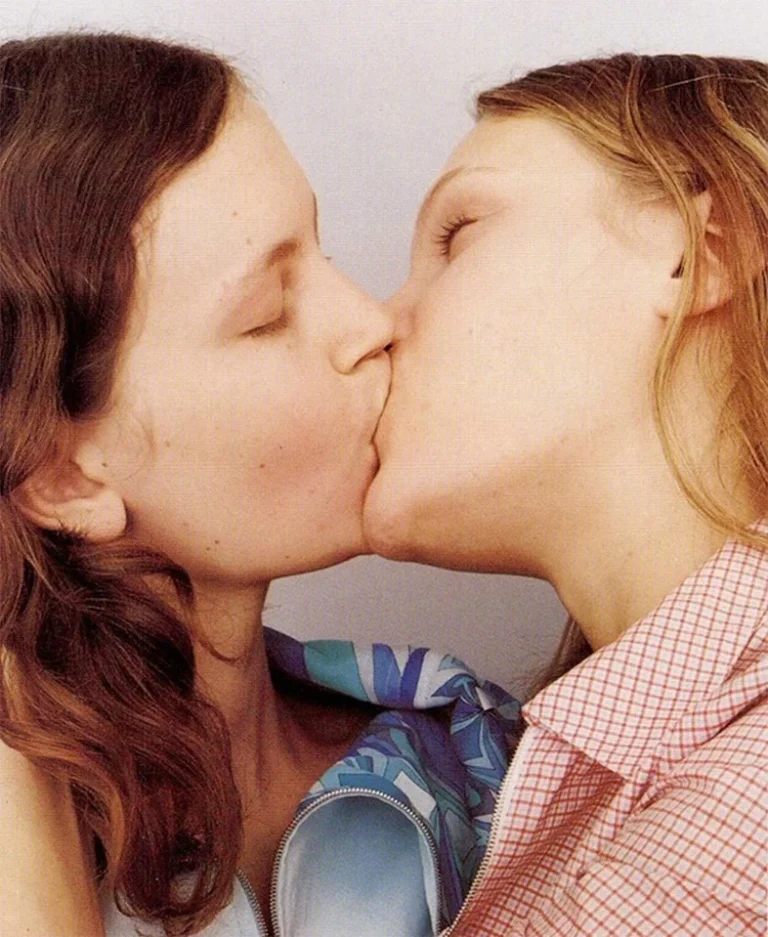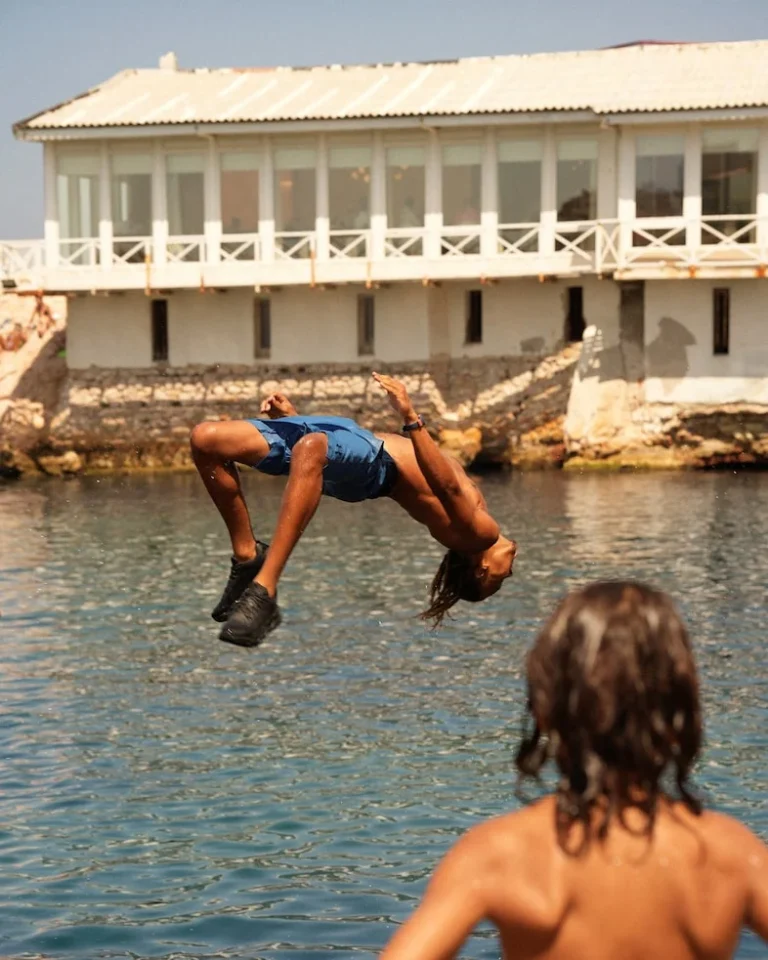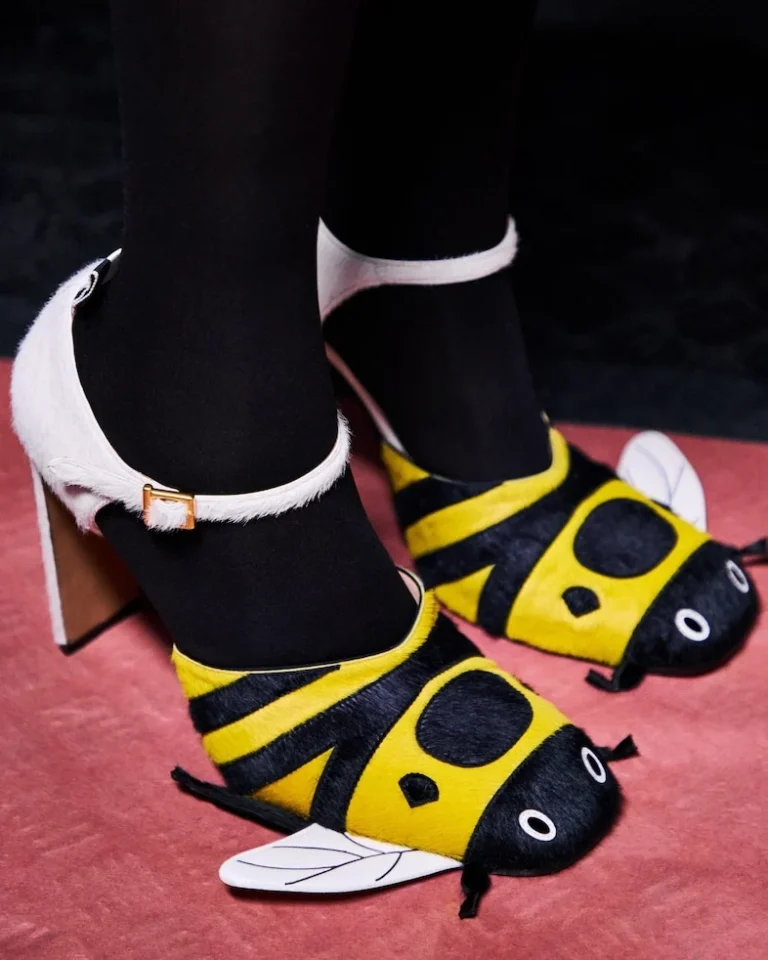








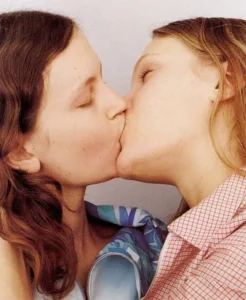
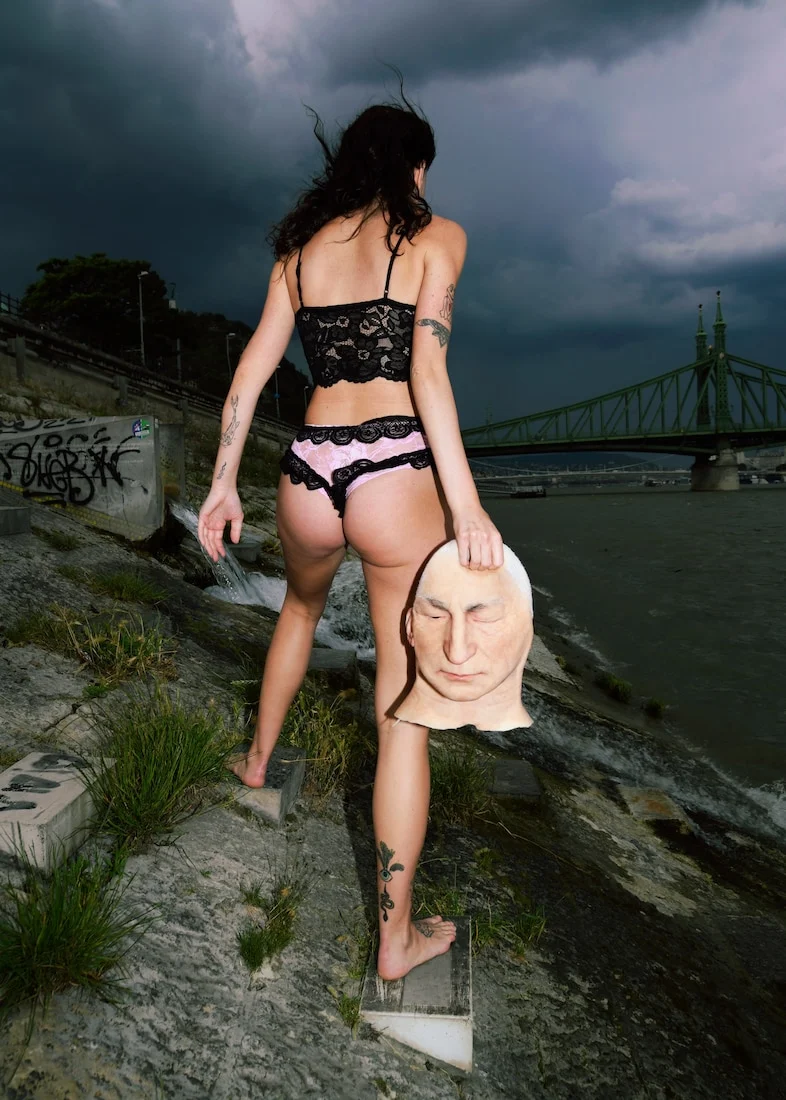
Ornella Mari’s debut photobook, Through Hardship to the Stars, published after four years of intensive photographic exploration from 2020 to 2024, presents a profoundly visceral and unflinching examination of girlhood, body image, and the complex, often violent, journey of self-discovery and visibility. The collection of images is marked by a raw honesty, featuring bodies that are rarely at ease—depictions of open mouths, bruised knees, mascara-streaked faces, snarling dogs, and slabs of raw meat—all contributing to a world where vulnerability and resilience coalesce into a powerful narrative. This ambitious project transcends mere visual documentation, serving as a deeply personal yet universally resonant exploration of identity formation amidst conflicting societal pressures.
The Genesis of a Vision: Dislocation and the Performance of Femininity
At the very core of Through Hardship to the Stars lies Mari’s profound and lifelong sense of dislocation, a theme that permeates every facet of the work. Born in Brussels to a half-Italian, half-Hungarian heritage and subsequently raised in Hungary, Mari’s formative years were characterized by a constant negotiation between disparate languages, cultures, and, crucially, conflicting societal expectations of womanhood. This unique transnational upbringing fostered an acute awareness of the performative aspects of identity. "Femininity never felt like something I naturally possessed. It felt like something I was expected to perform correctly," Mari openly admits, articulating a sentiment that resonates with countless individuals navigating complex cultural landscapes. The photobook, therefore, became more than just an artistic endeavor; it transformed into a sanctuary, a "space where I could separate my own understanding of womanhood from the expectations that surrounded it." This statement underscores the therapeutic and investigative nature of her photographic practice, allowing her to deconstruct and redefine personal truths.
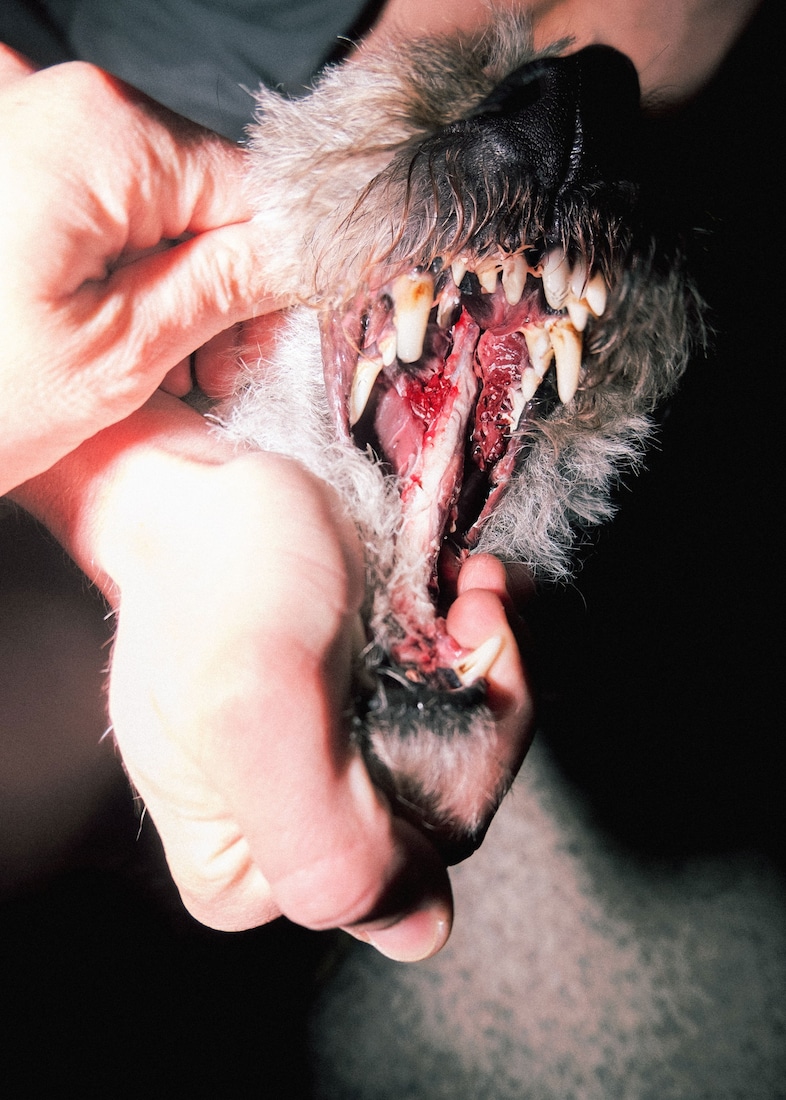
This inherent sense of in-betweenness is not just a biographical detail but the very structural and thematic backbone of the photobook. Mari masterfully oscillates between meticulously staged self-portraits and more unsettling, raw fragments of daily life. The viewer is confronted with a mosaic of bruised skin, stark icy landscapes, grim roadkill, decaying carcasses, and dark forests momentarily illuminated by the eerie, revealing flash of a camera. These juxtapositions are deliberate, designed to evoke a persistent sense of unease and a constant negotiation of the body itself. In Mari’s lens, the body is never static or fully resolved; it is controlled in some frames, overtly exposed in others, but perpetually unstable, reflecting the turbulent internal landscape of selfhood. This dynamic portrayal challenges conventional representations of the female form, moving beyond idealized aesthetics to embrace a more authentic, fragmented reality.
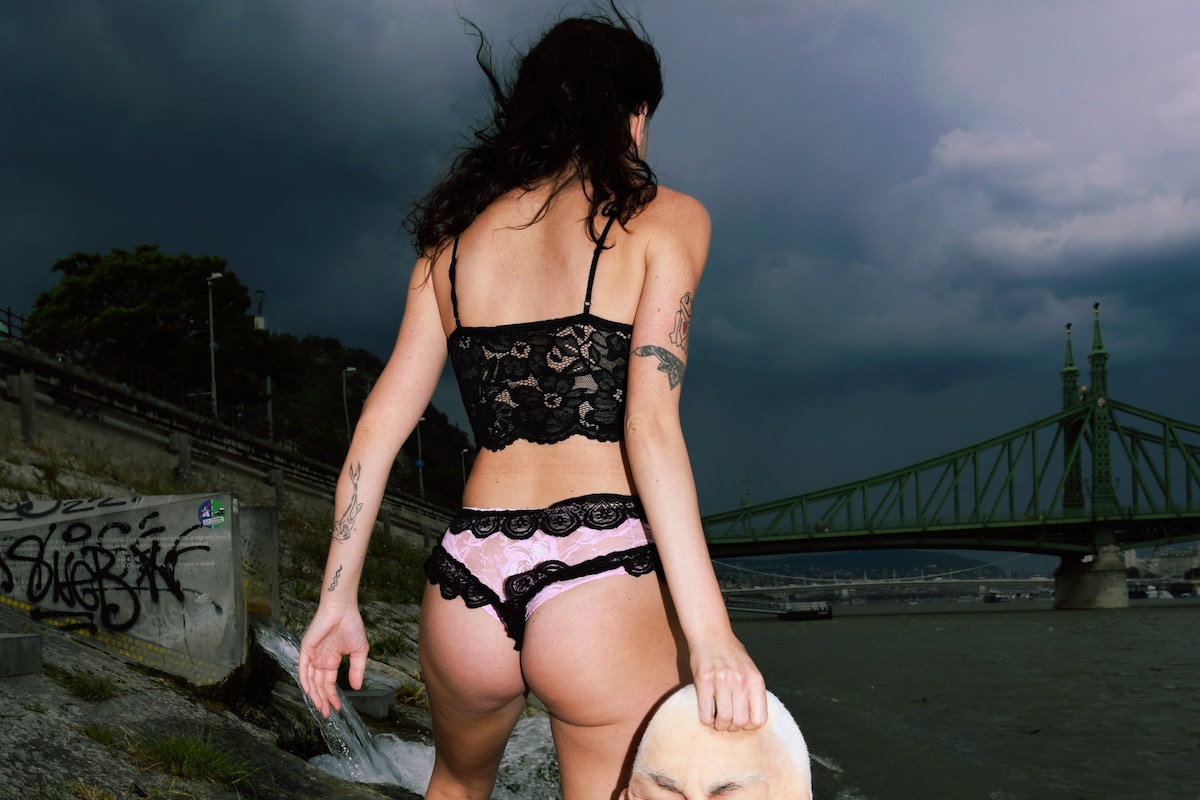
A Journey to Self-Recognition: Reinterpreting "Per Aspera Ad Astra"
The evocative title, Through Hardship to the Stars, is a direct and poignant translation of the timeless Latin aphorism, Per aspera ad astra ("Through hardship to the stars"). For a younger Mari, this phrase was not merely a maxim but a deeply personal promise, a beacon of hope for a future where clarity and resolution would eventually prevail. "For a long time, I thought the ‘stars’ represented some future version of myself who would eventually figure everything out," she reflects, highlighting a common adolescent yearning for a definitive, perfected self. However, as her artistic journey unfolded and her understanding deepened, this initial interpretation underwent a significant and transformative shift. "Now I see the stars as moments of self-recognition rather than a destination." This revised understanding underscores a maturation of perspective, moving from an external, goal-oriented vision of success to an internal, process-driven appreciation of self-acceptance. The "stars" are no longer a distant, idealized future but rather the transient, precious instances of genuine connection with one’s authentic self, found amidst the very hardships of existence.
This evolution in Mari’s interpretation of the phrase mirrors the broader arc of her project, which began from a profound discomfort with her own image. The pervasive influence of societal beauty standards and personal insecurities often manifest in a critical self-perception. "Whenever I saw a picture of myself, I immediately focused on everything I thought was wrong," she candidly shares, a sentiment familiar to many grappling with body image issues. Photography initially served as a coping mechanism, a means to control this discomfort rather than directly confront it. Mari describes this initial phase as one of concealment: "I hid behind concepts, mirrors, symbols, and visual tricks." Her early approach was an attempt to construct a palatable version of herself, "If I couldn’t accept myself directly, I could at least create a version of myself that felt easier to look at." Yet, the very act of engaging with the project, of repeatedly facing her image, gradually propelled her towards a more direct and, ultimately, more exposing confrontation with her physical self. This journey from evasion to confrontation is a central narrative within the photobook, reflecting a powerful personal and artistic triumph.
Symbolic Landscapes: Animals, Meat, and Dolls as Metaphor
While seemingly disparate at first glance, Mari’s inclusion of animals—a striking black horse standing stoically by a tree, a sheep staring directly into the camera with an unsettling gaze—serves as a nuanced and complex extension of her core concerns. These animal portraits are not mere aesthetic additions but rather a different, highly effective modality for exploring the same themes of instinct, vulnerability, and power that animate her self-portraits. "I became interested in anthropomorphic qualities and in using animals as emotional stand-ins for human behaviour," Mari explains. This approach allowed her to delve into primal aspects of existence—aggression, vulnerability, territoriality, survival, and power—in ways that felt "more complex than simply photographing my own body." By externalizing these human traits onto animal subjects, Mari creates a symbolic language that bypasses direct literalism, inviting viewers to project their own understanding onto these potent images. This technique lends a universality to the themes, transcending individual experience to tap into shared human (and animal) conditions.
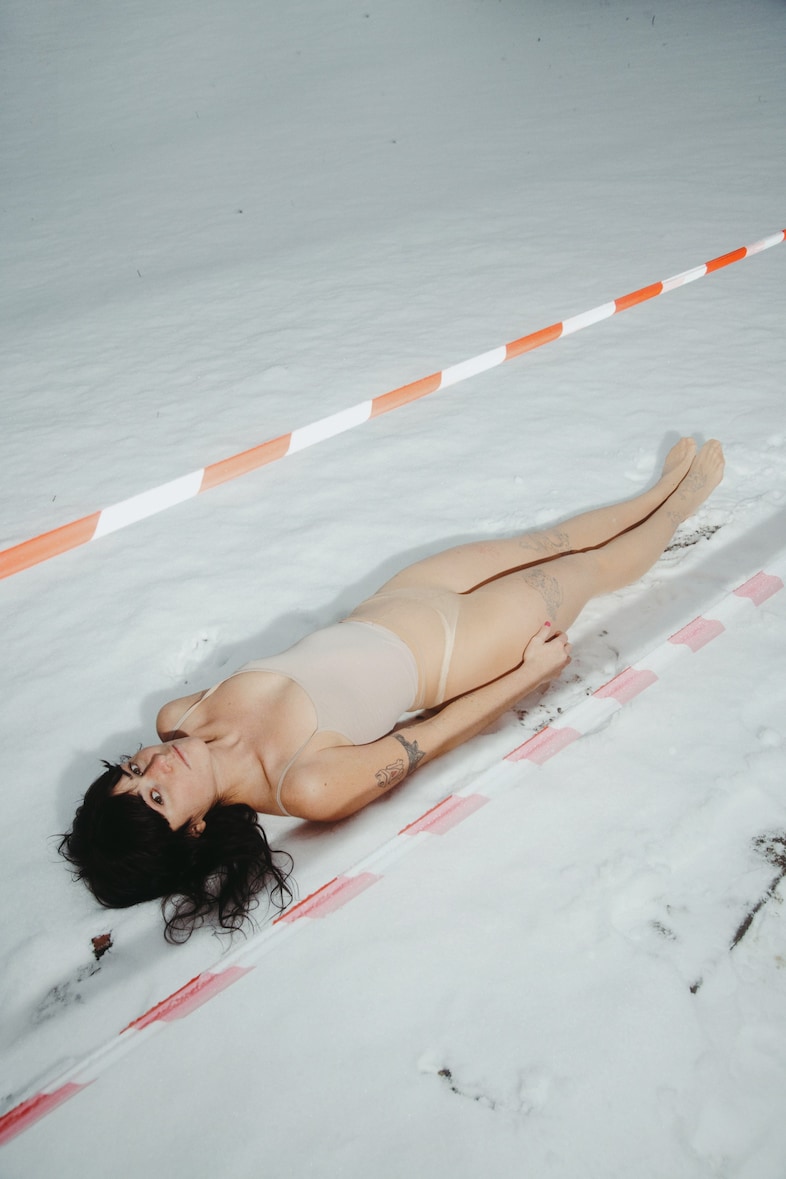
Similarly, the recurrent motifs of raw meat and dolls throughout the book occupy a deliberately uneasy space, navigating the delicate and often disturbing boundary between attraction and repulsion, tenderness and violence. These objects are not chosen at random; they are potent metaphors. Mari describes them as existing "between tenderness and violence," and as "useful metaphors for discussing the body without illustrating those ideas too literally." The raw meat, with its undeniable visceral quality, speaks to the materiality of the body, its vulnerability to decay, and its primal connection to sustenance and sacrifice. The dolls, on the other hand, represent constructed femininity, innocence, and perhaps the idealized, inert forms against which real, messy bodies are often measured. Together, these elements create a powerful, unsettling dialogue about the societal consumption and objectification of the female form, prompting viewers to confront uncomfortable truths about perception and reality.
Critical Context and Broader Implications
The book opens with an insightful essay titled "The Hour Between the Dog & the Wolf", penned by Dazed’s esteemed Art & Photography Editor, Emily Dinsdale. Dinsdale’s contribution is crucial in situating Mari’s deeply personal work within a broader, more expansive cultural and psychological context, particularly concerning sexual consciousness, shame, and the tumultuous period of adolescence. Dinsdale’s eloquent prose highlights the unique, liminal state of being a teenage girl, describing it as "its own kind of statelessness." She powerfully articulates this transitional phase as "a time of perilous metamorphosis when we are neither child nor woman but a third thing." This framing emphasizes that Mari’s project, for all its hard-edged specificity and personal origins, ultimately unveils a more expansive, universal truth about the intricate and often challenging experience of femininity and adolescence in contemporary society.
Dinsdale’s analysis resonates with sociological data indicating that adolescence, particularly for girls, is a period of heightened vulnerability to mental health challenges, body image issues, and identity confusion. Research consistently shows that pressures from social media, cultural expectations, and developing self-awareness contribute to a complex psychological landscape. Mari’s work, through its stark imagery and raw emotionality, provides an artistic counterpoint to these statistics, giving visual form to the internal struggles often discussed in clinical or sociological terms. The "violence of becoming visible" that Mari references can be understood in the context of these external pressures, where self-presentation and public perception are intricately linked to self-worth and social acceptance.
The period of the project, 2020-2024, also lends itself to further contextualization. The global pandemic forced many into periods of unprecedented introspection and isolation, potentially amplifying feelings of dislocation and challenging existing social norms. For an artist like Mari, already grappling with themes of self and visibility, this era might have intensified her creative exploration, providing a unique backdrop for her raw and introspective work. The act of photographing oneself and one’s surroundings during such a globally disruptive time carries an added layer of significance, reflecting a collective search for meaning and authenticity in a rapidly changing world.
The Act of Release: Terrifying and Liberating
The journey of an artist culminates not only in the creation of a work but also in its release into the public sphere, a moment often fraught with conflicting emotions. For Ornella Mari, the act of fixing these profound and deeply personal experiences within the pages of Through Hardship to the Stars marks a significant transition: she is now learning to allow these narratives to exist beyond her singular perspective. "If someone recognises a part of themselves in these images, then the project has done something meaningful beyond my own story," she states, articulating the artist’s profound hope for resonance and connection. This aspiration speaks to the transformative power of art, its ability to bridge individual experiences and forge collective understanding.
The decision to release such an intensely personal body of work into the world is, as Mari describes, "terrifying and liberating in almost equal measure." This dichotomy perfectly encapsulates the core anxieties and triumphs embedded within the project itself. It is terrifying because it relinquishes control over how one’s most vulnerable truths will be perceived, understood, or even misinterpreted by an external audience. Yet, it is profoundly liberating because it signifies a release from the internal burden of these experiences, allowing them to take on a life of their own and potentially catalyze self-recognition in others. This complex emotional landscape—the anxiety of becoming visible without fully controlling how one is seen—forms a fitting and powerful conclusion to a project that grapples so intimately with the very nature of self-exposure and identity.
Through Hardship to the Stars is more than just a collection of photographs; it is a compelling testament to the arduous yet ultimately rewarding journey of self-discovery. It is a work that challenges viewers to look beyond superficial appearances, to confront the raw, uncomfortable truths of human experience, and to find beauty and recognition amidst the struggle. In doing so, Ornella Mari not only shares her personal odyssey but also contributes a significant voice to contemporary discussions surrounding identity, femininity, and the courage required to embrace one’s authentic self. The photobook is currently available for purchase, offering a profound artistic encounter for those willing to embark on its challenging yet illuminating journey.