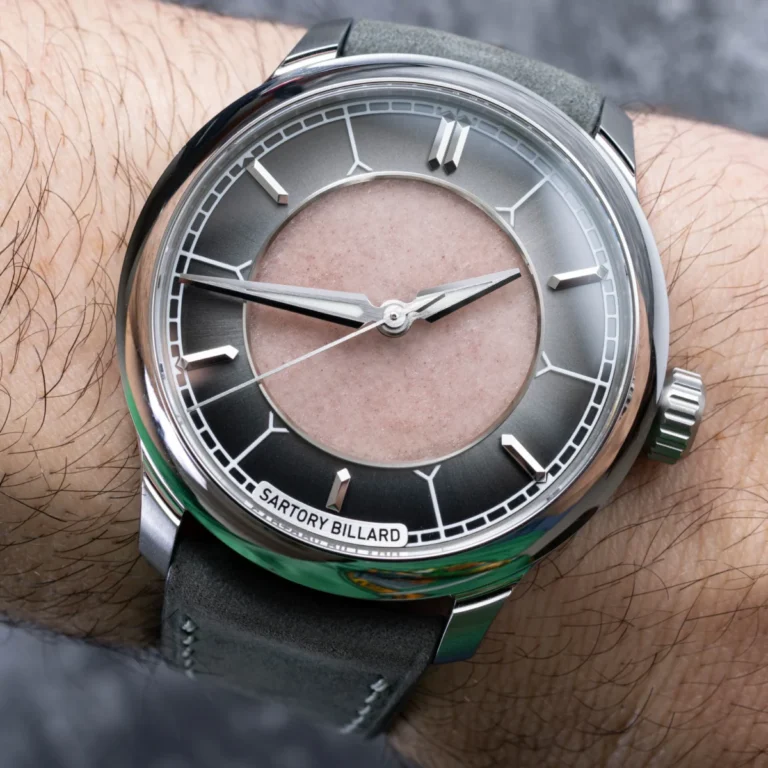












The wristwatch industry, once characterized by a degree of consolidated influence, is currently undergoing a profound transformation, shifting from a traditionally cohesive ecosystem towards a more fragmented landscape. This evolution is driven by a confluence of factors, including the erosion of established distribution channels, the rise of direct-to-consumer models, and a diversification in manufacturing and marketing strategies. While this fragmentation presents challenges for industry observers and consumers alike, it also unlocks new avenues for innovation and niche market engagement.
The Pillars of Cohesion Undermined
For decades, the wristwatch industry found its coherence through three primary pillars: geographic concentration of manufacturing, centralized industry trade shows, and a tightly controlled network of authorized third-party dealers.
-
Manufacturing Hubs: Historically, Switzerland and surrounding European nations served as the undisputed epicenters of high-end watch production. This concentration fostered a shared knowledge base, a standardized approach to quality control, and a readily available pool of skilled artisans. However, recent decades have witnessed a significant expansion of watchmaking capabilities beyond these traditional strongholds. Parts of Asia, notably Japan, have not only bolstered their own renowned watchmaking traditions but have also become crucial partners for third-party manufacturing, producing watches for a wider array of brands. Furthermore, other European regions are increasingly contributing to the manufacturing process, offering brands more diverse and potentially cost-effective sourcing options. This geographical diffusion dilutes the singular influence of traditional centers and encourages a wider array of production techniques and design philosophies.

-
The Trade Show Paradigm: Industry trade shows, such as Baselworld (though now defunct in its original form) and Watches and Wonders Geneva, historically served as crucial annual gatherings. These events provided a platform for brands to debut new collections, for retailers to place orders, and for media to gather information and foster industry-wide narratives. While many major brands continue to participate in events like Watches and Wonders, the necessity and exclusivity of these gatherings have diminished. Many brands now opt for smaller, more specialized regional shows, or bypass traditional trade shows altogether, preferring to connect directly with their target audiences. This shift away from centralized unveiling events decentralizes product launches and reduces the unified flow of industry news.
-
Authorized Dealer Networks: The traditional retail model, reliant on a network of authorized dealers, once provided a consistent point of sale and a curated brand experience for consumers. These dealers acted as gatekeepers, vetting brands and models before they reached the public. However, the advent of e-commerce and the rise of direct-to-consumer (DTC) sales have fundamentally altered this dynamic. Many brands now bypass traditional retail entirely, opting to sell directly to consumers through their own websites and online platforms. This DTC approach allows brands to control the customer relationship, capture higher profit margins, and gather direct consumer data. However, it also removes a layer of third-party validation and can lead to a less standardized purchasing experience.
The Drivers of Fragmentation
The weakening of these foundational elements has accelerated the trend toward fragmentation. Brands are now afforded greater autonomy in their operational and strategic decisions, leading to a more varied and, at times, less predictable industry.
Diversification in Production and Sourcing
The pressure to innovate and compete in a crowded marketplace has led brands to explore a wider spectrum of manufacturing approaches.

-
In-House vs. Third-Party Manufacturing: While some established brands maintain robust in-house manufacturing capabilities, many newer entrants and even some established players rely on third-party manufacturers for the industrialization and production phases of their timepieces. This allows for greater flexibility and scalability, particularly for brands with limited capital. The search for efficient and reliable partners has extended beyond traditional European suppliers, with an increasing number of brands seeking collaborations in Asia and other emerging manufacturing hubs. This diversification in supply chains can lead to unique material innovations and production techniques that might not have emerged from a more consolidated industry.
-
The Rise of Niche Suppliers: The demand for specialized components and manufacturing services has spurred the growth of numerous independent suppliers. Brands are no longer solely beholden to legacy suppliers, who may be perceived as less agile or more difficult to work with. This environment encourages competition among suppliers, potentially leading to better quality and more competitive pricing for brands willing to explore beyond the established names.
The Direct-to-Consumer Revolution
The internet has been the primary enabler of the direct-to-consumer (DTC) model, fundamentally reshaping how brands connect with their customers.
-
Unmediated Customer Relationships: DTC brands bypass intermediaries like retailers and distributors, establishing a direct line of communication with their clientele. This allows for greater control over brand messaging, pricing, and customer experience. Brands can also leverage data analytics from their direct sales channels to refine product development and marketing strategies more effectively.

-
Varied Target Audiences and Price Points: The DTC model is not monolithic. It encompasses a wide range of brands targeting diverse consumer segments, from entry-level enthusiasts to high-end collectors. This diversity in approach means that the DTC landscape is characterized by a broad spectrum of price points and product offerings, further contributing to market fragmentation.
The Evolving Role of Media and Influence
The traditional media landscape, which once served as a central conduit for industry information, is also adapting to this fragmented reality.
-
Challenges for Watch Media: For long-standing watch publications like aBlogtoWatch, the increasing fragmentation presents a significant challenge. With countless brands and models emerging globally, it has become practically impossible for any single media outlet to comprehensively cover the entire market. Access to new products for hands-on reviews can be difficult, and the sheer volume of releases can overwhelm both media and consumers.
-
Curated Content and Gatekeeping: In response, many media outlets are adopting a more curated approach. The emphasis is shifting from exhaustive coverage to providing in-depth analysis and validation of select brands and products. This "gatekeeping" function, while potentially frustrating for brands seeking broader exposure, aims to protect consumers from sub-par offerings and maintain the credibility of the media source. The focus is on quality over quantity, with an emphasis on brands that demonstrate transparency, quality craftsmanship, and a commitment to ethical business practices.
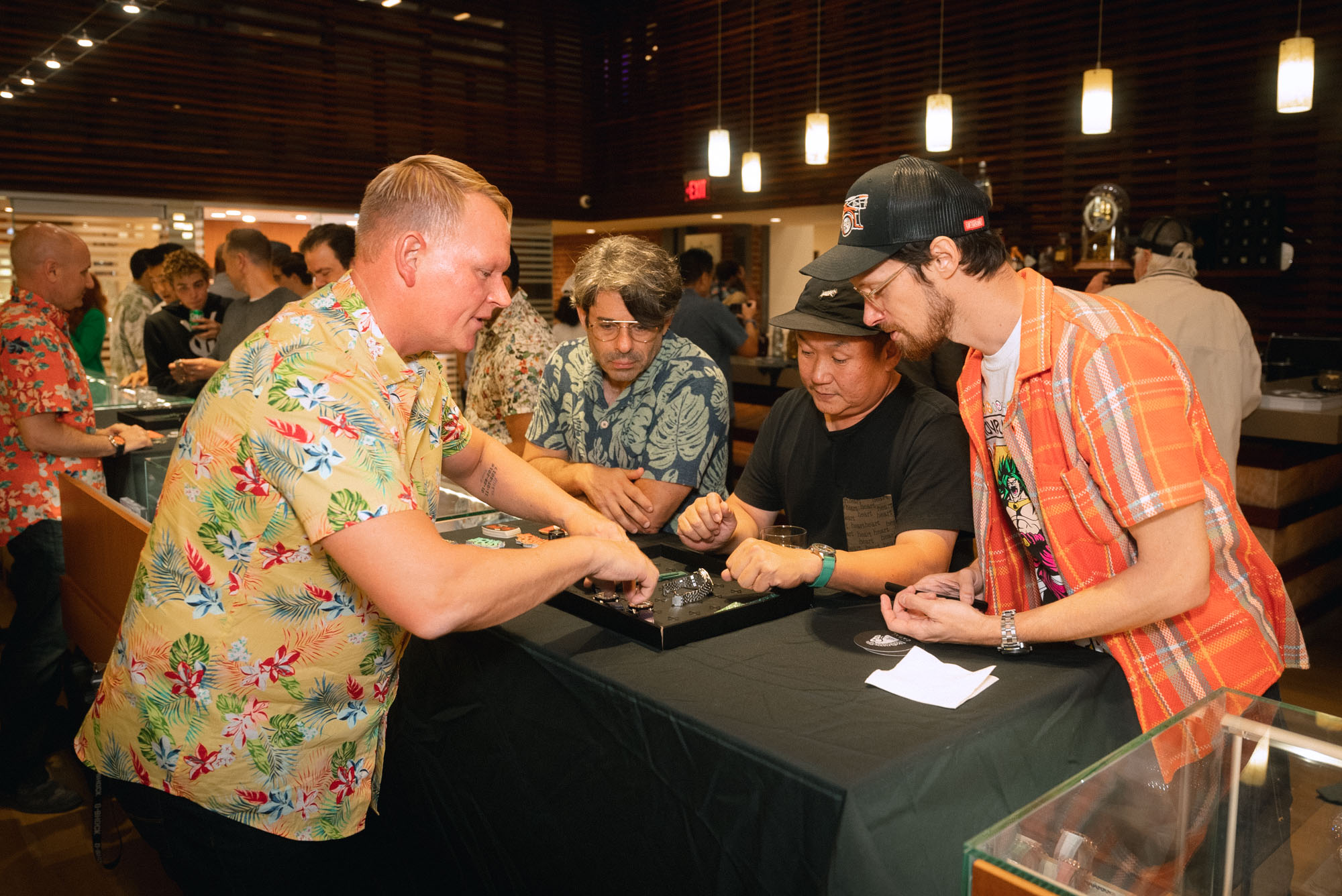
Implications of a Fragmented Market
The move towards a more fragmented watch industry carries significant implications for brands, consumers, and the industry as a whole.
Opportunities and Risks for Brands
-
Increased Agility and Innovation: Fragmentation offers brands the opportunity to be more agile, experiment with new business models, and cater to specific niche markets. This can foster innovation in design, materials, and marketing strategies.
-
The "Hunt for Opportunity": As the original article suggests, this fragmentation is not necessarily a response to overwhelming opportunity but rather a "hunt for it." Brands are actively seeking new models and niches to assert themselves in increasingly crowded and competitive markets. This necessitates constant adaptation and a willingness to embrace novel approaches.
-
The "Loss of Armies": A notable consequence of brands operating in isolation is the potential loss of what can be termed their "armies." These are the third-party advocates – salespeople, advertising professionals, happy customers, and enthusiasts – who champion a brand. In a more cohesive ecosystem, these individuals are incentivized to promote brands. As brands become more fragmented and self-reliant, they risk diminishing this crucial network of support, potentially leading to reduced demand and relevance.

The Consumer Experience: Navigating the New Landscape
-
The "Caveat Emptor" Era: For consumers, the fragmented market necessitates a heightened sense of vigilance. The principle of "caveat emptor" (buyer beware) becomes increasingly relevant. With fewer traditional gatekeepers and a proliferation of direct sales channels, consumers must conduct more thorough research and rely on trusted sources of information.
-
The Challenge of Comprehensive Knowledge: It is no longer feasible for a single enthusiast to possess a comprehensive understanding of all that is happening in the wristwatch space. The sheer volume of brands, models, and communities makes it challenging to stay abreast of every development. This requires collectors to focus their interests and engage with specific segments of the market.
-
The Value of Trust and Transparency: In this environment, brands that prioritize transparency, quality, and a positive customer experience stand to gain consumer trust. The purchasing process itself is becoming as critical as the product, with consumers seeking brands that treat them with respect and dignity. Media outlets that can effectively vet and curate these brands play a vital role in guiding consumers.
Broader Industry Impact
-
Decentralized Influence: The traditional centers of influence within the watch industry are becoming more diffuse. Power is no longer solely concentrated in established manufacturing regions or at major trade shows. Instead, influence is distributed across various online communities, niche media outlets, and direct consumer engagement platforms.

-
Economic Necessity as a Catalyst: The erosion of traditional business models, driven by economic pressures and evolving consumer behavior, has been a primary catalyst for this fragmentation. Brands are compelled to experiment with new strategies to survive and thrive.
-
The Future of Cohesion: While the current trend points towards increased fragmentation, it is plausible that the industry may eventually find new forms of cohesion. This could emerge through the development of new digital platforms that foster community and information sharing, or through a renewed appreciation for curated experiences and trusted validation. However, for the foreseeable future, the watch industry is likely to remain a dynamic and multifaceted landscape, demanding adaptability and informed engagement from all its participants. The journey of discovery in the world of watches has become more complex, but for those willing to navigate its intricacies, it also promises a richer and more diverse experience.