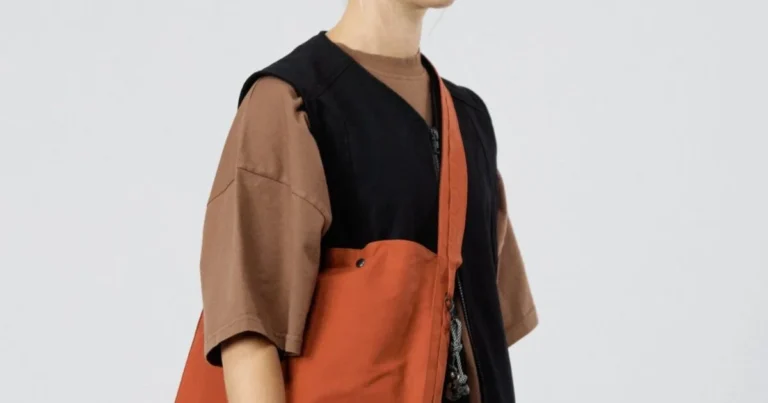












European consumers increasingly seek ways to align their personal values with their purchasing habits, particularly within the fashion and beauty sectors. As awareness around the environmental degradation and social exploitation driven by fast fashion reaches an all-time high, the demand for transparent, ethical alternatives has surged. Independent evaluators and ethical ratings platforms, such as Good On You, have seen a massive influx of consumers searching for brands that genuinely prioritize people, the planet, and animal welfare rather than relying on superficial greenwashing campaigns.
To understand the scale of the challenge, one must examine the modern fashion industry’s footprint. According to recent environmental assessments, the global textile industry accounts for approximately 10% of global carbon emissions—more than international flights and maritime shipping combined—along with significant water pollution and microplastic shedding. In response, a vibrant ecosystem of European brands has emerged, pioneering circular supply chains, utilizing innovative bio-based materials, and ensuring living wages for garment workers. This comprehensive guide highlights the top-rated sustainable brands across Europe that have earned "Good" or "Great" ratings through rigorous, multi-data-point evaluation methodologies.
Defining True Sustainability: People, Planet, and Animals
The criteria for a genuinely responsible fashion or beauty brand extend far beyond simple marketing terms like "eco-friendly" or "natural." Industry watchdogs evaluate companies across three core pillars: labor rights, environmental resource management, and animal welfare.
Labor standards form the foundation of ethical manufacturing. A truly responsible brand guarantees fair treatment throughout its supply chain, enforcing strict policies against child and forced labor while ensuring worker safety, the right to unionize, and the payment of a verifiable living wage. Historically, the garment sector has outsourced production to developing regions with lax regulatory oversight, making traceability a major hurdle. Leading European labels are actively dismantling this opacity by partnering directly with local ateliers, certified cooperatives, and audited facilities.
On the environmental front, better brands minimize resource extraction and energy consumption. This involves lowering carbon footprints, protecting local waterways from toxic dye run-off, and safely handling chemical inputs. Many forward-thinking companies have transitioned to closed-loop systems, utilizing organic or recycled materials such as GOTS-certified cotton, deadstock fabrics, and agricultural waste.
Finally, ethical considerations extend to animal welfare. Responsible brands avoid animal-derived products like conventional leather, wool, fur, down feathers, and exotic skins. In beauty and cosmetics, this means eliminating ingredients such as beeswax, lanolin, and squalene, with many top-tier labels achieving 100% vegan certification. Furthermore, shopping locally within Europe reduces the transport-related carbon footprint associated with cross-continental and trans-oceanic shipping, supporting regional economies in the process.
Curated Spotlight: Top-Rated Sustainable Brands Across Europe
Europe boasts a diverse array of independent designers and established labels redefining apparel, footwear, accessories, and intimates. Below is a curated selection of brands that have achieved top marks for their ethical practices.
Womenswear and Everyday Essentials
- Nãz: Based in Portugal, Nãz crafts timeless womenswear using lower-impact materials, catering primarily to sizes S through L with a focus on durability and local production.
- BASTET NOIR: This label produces modular, multi-functional three-piece sets designed for working travelers. Operating in limited runs, BASTET NOIR exclusively utilizes deadstock fabrics to minimize textile waste, offering standard sizing (36-42) alongside custom measurements.
- Akyn: Founded by prominent sustainable fashion advocate Amy Powney, Akyn focuses on contemporary, timeless womenswear created with minimal environmental impact.
- Colorful Standard: Hailing from Denmark, this brand rejects fast-fashion seasonality in favor of long-lasting, organic cotton essentials for men and women, designed specifically to counter over-consumption.
- ISTO.: Operating out of Portugal, ISTO. maintains a single, permanent collection emphasizing quality over quantity. The brand operates with radical transparency, publishing the true manufacturing cost alongside retail prices.
- Dressarte Paris: Functioning as a custom sustainable design studio, Dressarte Paris creates made-to-order garments from luxurious surplus and lower-impact materials, accommodating both standard and custom sizing.
- Opera Campi: Established in Italy in 2017, Opera Campi utilizes locally sourced raw materials to produce high-end garments through an inclusive 3XS to 3XL sizing range, while dedicating 4% of profits to social initiatives.
- Organique: A Portuguese athleisure label catering to contemporary women, Organique produces its vegan collections in a high-end local atelier using organic cotton and TENCEL Lyocell.
- We Are Kin: Based in London, this slow-fashion brand handmakes garments in limited runs to curb waste, offering inclusive sizing from UK 4 to 26 alongside custom tailoring for tall and petite frames.
- Facettes Studio: Centered on modular suiting and wardrobe essentials for the multifaceted woman, this Parisian brand utilizes upcycled textiles, completely bans polyester and polyamide, and provides repair and alteration services.
Footwear and Accessories
- Agazi: A Polish vegan footwear pioneer, Agazi produces sneakers, sandals, and heels using innovative bio-based materials, including hemp, apple skin, and grape-derived leather alternatives.
- Vesica Piscis: Based in Spain, this vegan footwear brand manufactures sneakers (sizes 36-46) using renewable energy, lower-impact materials, and a made-to-order model to eliminate inventory surplus.
- Mashu: Specializing in vegan handbags, this British accessory label constructs exteriors from plant-based leather alternatives and interiors from recycled polyester vegan suede.
- ID.EIGHT: Founded by footwear industry veterans in Italy, ID.EIGHT creates refined sneakers using food-industry waste—such as apple peels, grape seeds, and pineapple leaves—combined with recycled cotton and polyester.
- pinqponq: This German brand creates functional, stylish bags from recycled plastic bottles, adhering strictly to the Fair Wear Foundation Code of Conduct across a fully traceable, 100% vegan supply chain.
- Lefrik: Focused on giving plastic a second life, Lefrik designs urban backpacks and accessories that merge technical functionality with recycled synthetic production.
- Airpaq: Turning industrial waste into durable gear, Airpaq rescues discarded airbags, seat belts, and seat belt buckles from landfills to manufacture rugged backpacks and utility bags.
Streetwear, Denim, and Outerwear
- THTC: A leader in organic hemp streetwear, the UK-based THTC produces t-shirts, hoodies, and caps while supplying white-label apparel to charities and non-governmental organizations.
- WILDA.ECO: Emphasizing minimalism and timeless design, WILDA.ECO crafts vegan fashion with customizable height adjustments and inclusive sizing.
- non: A PETA-approved vegan denim brand, non constructs jeans (sizes 26-36) using a blend of recycled and organic cotton materials.
- NIKIN: Swiss brand NIKIN combines casual apparel with environmental action, planting a tree for every product sold to allow consumers to visibly support reforestation efforts.
- Kampos: Offering luxury Italian swimwear and resort wear, Kampos utilizes recycled plastic bottles, discarded fishing nets, and organic fabrics to raise awareness regarding marine pollution and overfishing.
- LangerChen: Specializing in technical eco-outdoor wear for men and women, LangerChen ensures the payment of living wages across the majority of its supply chain through regular direct supplier audits.
- Maison Blanche: A conceptual Swiss fashion label creating vegan garments designed to provoke thought and raise awareness around critical socio-political issues.
- CAES: Based in the Netherlands, CAES champions timeless minimalism through lower-impact textiles like Desserto cactus leather, recycled cotton, and Tencel Lyocell, backed by an ILO-aligned code of conduct.
- Coco & Kandy: Operating out of Bulgaria, this brand designs warm-weather essentials using responsibly sourced materials and a largely traceable supply chain.
Intimates, Childrenswear, and Multi-Brand Retailers
- CASAGiN: An Italian apparel brand designing comfortable basics and loungewear (sizes XS-2XL) aimed at fostering a conscious lifestyle.
- Underprotection: This Danish label produces underwear, loungewear, and swimwear from organic cotton and recycled synthetics, packaging all goods in biodegradable materials while partnering exclusively with certified, fair-wage factories.
- Gaia Segattini Knotwear: Assembled in Italy, this knitwear label utilizes high-end production yarn leftovers to curb waste and deliver unique, small-batch collections in sizes S to L.
- Pico: Crafting soft organic cotton underwear for men and women, this British brand works directly with organic farming co-operatives and maintains Fairtrade International certification.
- Orbasics: Founded in Germany to provide soft, gender-neutral children’s and adult basics, Orbasics utilizes 100% GOTS-certified organic cotton and certified local manufacturing partners.
- Brothers We Stand: Operating as a curated online menswear platform based in the UK, Brothers We Stand hand-selects stylish, 100% vegan, and responsibly made clothing to help men build sustainable wardrobes.
Broader Implications and Industry Shift
The rapid growth and consumer adoption of these European sustainable brands signal a structural shift within the broader retail economy. For decades, the dominant economic model relied on rapid trend cycles, cheap synthetic fibers derived from fossil fuels, and outsourced labor with minimal environmental or social accountability. However, tightening regulatory frameworks within the European Union—such as proposed directives on corporate sustainability due diligence, green claims verification, and extended producer responsibility (EPR)—are beginning to penalize greenwashing and irresponsible supply chain management.
As transparency transforms from a marketing differentiator into a legal and consumer expectation, brands failing to adapt face mounting reputational and financial risks. Platforms like Good On You play an increasingly critical role in this transition by offering accessible, data-driven ratings that empower everyday shoppers to vote with their wallets. By supporting certified local brands that prioritize living wages, circular materials, and ethical animal welfare standards, European consumers are actively helping to reshape the future of global fashion—proving that style, ethics, and environmental stewardship can coexist.