










Navigating the world of men’s skincare can feel like an overwhelming task, with a constant influx of advice and an ever-expanding array of products. However, the core principles of a successful skincare regimen for men can be distilled down to three essential qualities: simplicity, efficacy, and affordability. While men may not experience the same hormonal fluctuations as women, their skin has its own unique needs, particularly concerning issues like acne or sensitivity. At its heart, a robust skincare routine involves cleansing, targeted treatment (if necessary), moisturizing, and, crucially, consistent sun protection. Understanding the purpose of each step allows for informed choices, enabling individuals to tailor a routine that best suits their specific skin type and concerns. This comprehensive guide breaks down each essential step, along with optional additions, to empower men to create a personalized and effective skincare strategy.

Key Pillars of Men’s Skincare
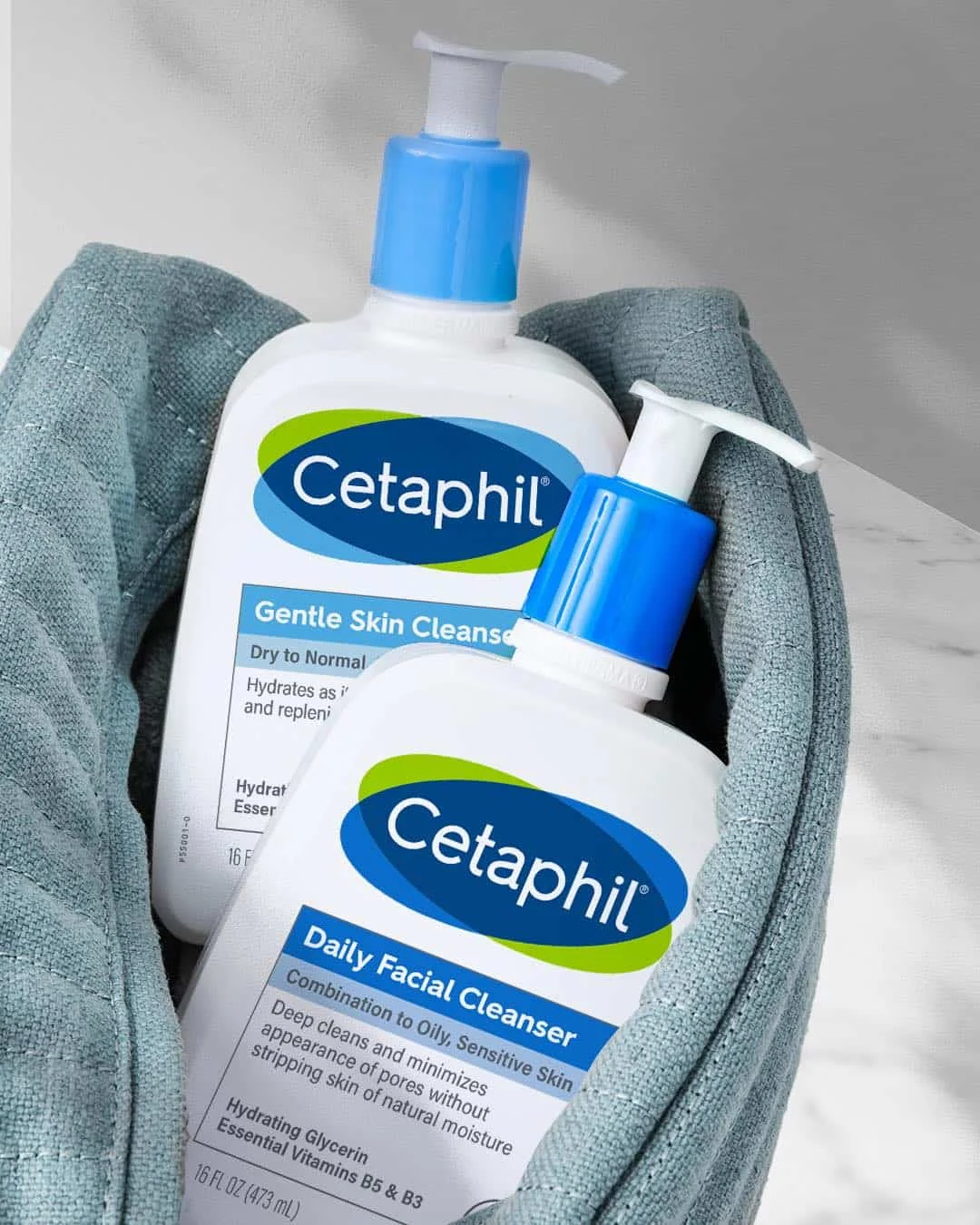
A well-rounded skincare routine for men prioritizes effectiveness and simplicity, avoiding unnecessary complexity. The primary goals are to treat and protect the skin, yielding optimal results. For a foundational routine, key products include a gentle cleanser, a hydrating moisturizer, and a high-quality sunscreen. Cetaphil, renowned for its gentle formulation suitable for all skin types, is an excellent choice for cleansing. Kiehl’s offers a light yet effective moisturizer, perfect for daily hydration. For sun protection, EltaMD stands out with its dermatologist-recommended formulas, beneficial for both skin health and environmental considerations.
The Essential Skincare Steps for Men
1. The Foundation: Cleansing Your Skin

Cleansing is the cornerstone of any effective skincare routine. It removes impurities, excess oil, and environmental pollutants that can accumulate on the skin throughout the day, contributing to breakouts and dullness.
The Double Cleanse Method: While not always necessary for every man, a double cleanse can be highly beneficial, particularly for those who wear sunscreen or makeup, or experience excessive oiliness, especially during warmer months. The first cleanse typically involves an oil-based cleanser or micellar water to break down makeup, sunscreen, and sebum. This is followed by a water-based cleanser to thoroughly remove any remaining residue and impurities.

- Oil Cleansing for Dry or Oily Skin: The principle of "like dissolves like" makes oil cleansing an effective method for both dry and oily skin types. For dry skin, natural oils can help to gently lift impurities without stripping the skin’s natural moisture barrier. Products like Viva Naturals organic cold-pressed coconut oil are a popular choice, though specialized cleansing oils such as DHC Deep Cleansing Oil offer a non-comedogenic and affordable option. For those with oily skin who are hesitant about using oil, micellar water serves as an excellent alternative. Bioderma’s micellar water is frequently lauded for its superior quality, though it comes at a higher price point than brands like Garnier.
- Micellar Water for Balanced Cleansing: Micellar water contains micelles, tiny oil molecules suspended in soft water, which act like magnets to attract and lift dirt, oil, and makeup from the skin’s surface. It’s a gentle yet effective option for those who prefer a less intensive first cleanse or have sensitive skin. Cotton pads or toner pads are ideal for applying and removing micellar water.
- When to Skip the First Cleanse: For men with relatively normal skin who do not wear makeup or heavy products, and do not experience significant oiliness, a single cleanse with a gentle facial cleanser may suffice. Over-cleansing can strip the skin of its natural oils, potentially leading to increased oil production and other skin concerns.
2. The Essential Wash: Daily Facial Cleansing
The second step in the cleansing process is a thorough wash with a gentle facial cleanser. This step is crucial for removing any remaining impurities and preparing the skin for subsequent treatments.

- Proper Cleansing Technique: Apply your chosen facial cleanser to damp skin and gently massage it over your face in circular motions for approximately 60 seconds. This ensures that the cleanser effectively reaches all areas of the face and works to remove dirt, oil, and other daily grime without causing irritation.
- Recommended Cleansers:
- For All Skin Types: Cetaphil’s Gentle Skin Cleanser is a widely recommended and affordable option, praised for its dermatologist-approved formula that is suitable for sensitive and acne-prone skin.
- For Hydration and Barrier Support: La Roche-Posay Toleriane Purifying Foaming Facial Cleanser is a well-regarded choice, particularly for its inclusion of niacinamide, an ingredient known for its hydrating and skin barrier-restoring properties.
- For Dry Skin: Paula’s Choice Optimal Results Hydrating Cleanser offers a lotion-like texture that provides ample hydration, making it ideal for individuals with dry skin.
- Morning Cleansing Debate: While consistently washing your face is important, some dermatologists suggest that a gentle cleanse in the morning might not be necessary for all skin types. It often comes down to personal preference and how your skin feels. If in doubt, a thorough evening cleanse followed by morning hydration and sun protection is a solid approach.
3. The Refinement: Exfoliation for Renewed Skin
Exfoliation plays a vital role in removing dead skin cells, unclogging pores, and promoting cell turnover, leading to smoother, brighter skin.

- Types of Exfoliation:
- Chemical Exfoliants: These utilize ingredients like alpha-hydroxy acids (AHAs) and beta-hydroxy acids (BHAs), such as salicylic acid. AHAs are effective for surface exfoliation and improving skin texture, while BHAs, like salicylic acid, are oil-soluble and can penetrate pores to address acne and blackheads. Chemical exfoliants are generally gentler and suitable for sensitive or acne-prone skin.
- Physical Exfoliants: These involve the use of scrubs with granular particles to manually slough away dead skin cells. While effective for some, they can be too harsh for sensitive skin.
- Frequency and Application: Exfoliation should typically be performed once or twice a week, depending on your skin type and the product used. Always follow the specific instructions on the product packaging.
- Product Recommendations:
- For Acne-Prone Skin: The Aztec Clay Mask is a popular and effective option for gently exfoliating acne-prone skin.
- For Dry Skin and Deeper Pores: A physical scrub containing salicylic acid, such as Clinique’s Exfoliating Scrub, can be beneficial. This formulation also helps lift beard hairs, reducing the incidence of ingrown hairs.
- When Exfoliation is Particularly Beneficial: If you experience significant sweating, razor burn, or frequent breakouts, incorporating regular exfoliation into your routine can be highly advantageous.
4. The Balancing Act: Toning the Skin
Toners have evolved from astringent alcohol-based products to sophisticated formulations designed to rebalance the skin’s pH, deliver targeted ingredients, and prepare the skin for subsequent steps.

- How to Use Toner: The application method depends on your skin type. For acne-prone or oily skin, apply toner to a cotton pad and sweep it across the face in circular motions. For dry or combination skin, pour a small amount into your hands and gently press it into the skin.
- Beneficial Toner Ingredients:
- For Acne-Prone/Oily Skin: Ole Henriksen Balancing Force Oil Control Toner, containing salicylic acid, is effective in managing breakouts.
- For Antioxidant Protection: Baxter of California Herbal Mint Toner offers a blend of antioxidants to protect the skin from environmental damage and free radicals.
- Is Toner Essential? While not strictly essential for everyone, a toner can enhance a skincare routine, especially for those looking to address specific concerns like pore congestion or to boost the efficacy of other products.
5. The Targeted Treatment: Applying a Serum
Serums are highly concentrated formulations designed to deliver potent active ingredients deep into the skin to address specific concerns.

- Serum Benefits: Serums can be used to treat acne, hydrate the skin, plump it with moisture, or protect it from environmental aging. Their thin consistency allows for easy absorption before heavier creams.
- Key Serum Ingredients and Products:
- For Overall Brightness and Antioxidant Protection: Vitamin C serums are a popular choice for their ability to protect the skin from oxidative stress and impart a healthy glow. Hims Vitamin C Serum for Men is suitable for most skin types.
- For Cell Turnover and Dark Spot Reduction: For those with acne-prone skin, La Roche-Posay Glycolic Acid Serum can help regulate cell turnover and fade dark spots. Ingredients like lactic acid contribute to brightening and tightening, while vitamin B5 aids in reducing hyperpigmentation.
- When to Consider a Serum: If your cleanser or exfoliator already contains beneficial ingredients like vitamin C or niacinamide, you might not need a separate serum. However, serums offer a versatile way to introduce specific targeted treatments into your routine.
6. The Delicate Touch: Eye Cream Application
The skin around the eyes is thinner and more prone to showing signs of aging, dehydration, and fatigue. A dedicated eye cream can address these specific concerns.

- Why Eye Cream is Important: It provides targeted hydration, helps reduce the appearance of dark circles, and can prevent or diminish fine lines and wrinkles.
- Application Technique: Due to the delicate nature of the skin, eye cream should be gently dabbed around the orbital bone using your ring finger, rather than rubbed.
- Recommended Eye Cream: Brickell Men’s Restoring Eye Cream is formulated with peptides to boost collagen production and improve elasticity, while lactic and hyaluronic acids hydrate and address puffiness and dark circles.
7. The Hydration Staple: Moisturizing Your Skin
Moisturizing is a non-negotiable step for all skin types, as it replenishes essential hydration and supports the skin’s natural barrier function.

- The Importance of Moisturizing: Even oily skin requires hydration. Without it, the skin may compensate by producing even more oil, exacerbating problems like breakouts.
- Application Method: Gently pat or press moisturizer into the skin, avoiding harsh rubbing.
- Product Recommendations:
- For Lightweight Hydration: Kiehl’s Facial Fuel Moisturizer is a popular choice for its lightweight yet effective hydration, suitable for day and night use without feeling greasy.
- For Deeper Hydration: Kiehl’s Ultra Facial Cream offers a richer formula with ingredients like salicylic acid, squalane, and glycerin to provide intense hydration without clogging pores, making it ideal for dry skin or winter months.
- Adapting to Seasons and Skin Needs: Consider a lighter moisturizer during warmer months and a richer cream during colder periods or if your skin tends to be dry.
8. The Ultimate Protector: Applying Sunscreen
Sunscreen is arguably the most critical step in any skincare routine, providing essential protection against the damaging effects of ultraviolet (UV) radiation.

- Long-Term Skin Health: Consistent sunscreen use is a vital investment in preventing premature aging, wrinkles, sunspots, and significantly reducing the risk of skin cancer.
- Daily Application: Apply sunscreen liberally every morning, even on cloudy days or when indoors, as UV rays can penetrate windows. A sufficient amount is generally the length of your index finger.
- Recommended Sunscreens:
- Mineral Sunscreen: EltaMD UV Clear Face Sunscreen SPF 46 is a highly recommended mineral sunscreen containing zinc oxide, which is gentle on the skin and environmentally friendly. It absorbs well without leaving a white cast.
- Chemical Sunscreen: For a more affordable option that absorbs easily, Neutrogena Ultra Sheer Dry-Touch Sunscreen SPF 70 is a reliable choice.
- The Long-Term Impact: While the benefits of cleansing and moisturizing may be immediately noticeable, the advantages of sunscreen are cumulative and crucial for long-term skin health and appearance.
Understanding Your Skin Type: A Personalized Approach
The most critical factor in developing an effective skincare routine for men is understanding your individual skin type. This knowledge dictates product selection and helps determine which steps are essential and which might be optional.
- Acne-Prone Skin: Requires ingredients that combat breakouts and inflammation, such as salicylic acid and glycolic acid, used gently.
- Dry Skin: Needs ingredients that boost hydration and maintain the skin’s moisture barrier, like hyaluronic acid, vitamin C, and niacinamide.
- Normal Skin: With minimal concerns, a straightforward routine focused on cleansing, moisturizing, and sun protection is often sufficient.
Trust and Expertise in Skincare
While this guide provides comprehensive information, it’s important to note that individual results may vary. The author, a fashion and grooming writer with extensive experience in the modeling industry, has researched various skincare ingredients and products to offer informed recommendations. The aim is to demystify skincare for men, providing clarity on effective and necessary products while distinguishing them from unnecessary hype.

Final Verdict on Men’s Skincare
The optimal skincare routine for men is characterized by its simplicity, affordability, and effectiveness. A core regimen involving a gentle face wash, a hydrating moisturizer, and a reliable sunscreen forms the bedrock of healthy skin. Incorporating products like Cetaphil for cleansing, Kiehl’s for moisturizing, and Elta MD for sun protection can provide a solid foundation for achieving and maintaining healthy, radiant skin. The journey to better skin is about understanding your needs and consistently applying a tailored approach.