








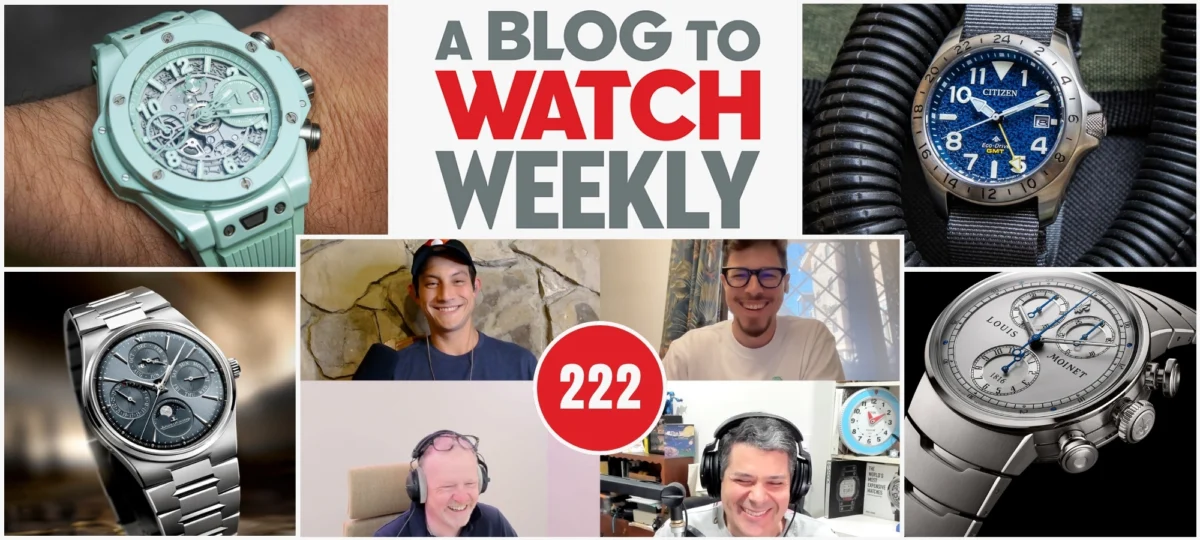
This week on aBlogtoWatch Weekly, hosts Ariel Adams, Rick De La Croix, Ripley, and David Brendel engaged in a spirited discussion surrounding the highly anticipated and, in many aspects, controversial launch of the Swatch x Audemars Piguet "Royal Pop" collection. The conversation dissected the chaotic scenes that unfolded, questioning whether the collaboration was a stroke of marketing genius or a significant public relations misstep, examining the ensuing overnight queues, police presence, rampant resale market activity, and the palpable frustration among genuine collectors.
The panel delved into the core of the launch’s issues, dissecting the disconnect between the intended accessibility of a Swatch collaboration and the exclusive heritage of Audemars Piguet. A central point of contention was the peculiar nature of a collection that, while bearing the iconic Royal Oak design, was presented in a pocket watch format, raising questions about its practical utility and target audience in a modern horological landscape. This, they argued, added another layer of complexity to an already volatile launch.
Beyond the Swatch x AP drama, the aBlogtoWatch Weekly team also turned their attention to the vibrant and often overlooked segment of playful luxury watches. The mint-green Hublot Big Bang Unico served as a prime example, prompting a debate on why watches that embrace bolder aesthetics and less conventional color palettes deserve greater appreciation within the collector community. The discussion acknowledged the sophisticated engineering and material science that often underpins these eye-catching timepieces, particularly the innovative use of ceramic cases, before shifting to a more accessible yet equally compelling offering: Citizen’s new Promaster GMT. This model was lauded as a surprisingly robust and value-driven option for the modern traveler, sparking a broader dialogue about the balance between aesthetic enjoyment, practical functionality, and the psychological drivers that influence watch purchasing decisions. The episode concluded with a lighthearted, yet pointed, debate on the merits and potential drawbacks of sharing wrist shots in online watch communities.
The "Royal Pop" Phenomenon: A Tale of Two Brands
The "Royal Pop" collaboration, a joint venture between Swiss watch giants Swatch and Audemars Piguet, aimed to bring the iconic design language of Audemars Piguet’s Royal Oak to a broader audience through Swatch’s accessible price point and widespread distribution. However, the execution of this ambitious project quickly devolved into a spectacle that highlighted the complexities and potential pitfalls of high-profile brand collaborations.
The genesis of such partnerships often lies in the desire to tap into new markets, generate buzz, and leverage the brand equity of both entities. For Audemars Piguet, a brand synonymous with haute horlogerie and exclusivity, a collaboration with Swatch, known for its accessible and fashion-forward timepieces, presented an opportunity to introduce its design ethos to a generation of aspiring watch enthusiasts who might not yet be in a position to afford a traditional Audemars Piguet. Conversely, for Swatch, partnering with a brand of Audemars Piguet’s stature offered a significant prestige boost and the potential to attract a new demographic of customers.
However, the "Royal Pop" collection’s launch strategy, particularly its initial release, appeared to underestimate the immense demand and the predictable market dynamics that often accompany such high-profile releases. Reports from various global launch locations described scenes of unmanageable crowds, with consumers lining up overnight in some instances. This led to instances of overcrowding and, in some cases, necessitated the intervention of local law enforcement to manage the situation and ensure public safety. The spectacle of police presence at a watch retail location underscored the scale of the frenzy.
Chronology of a Frenzied Launch
The events surrounding the "Royal Pop" launch unfolded rapidly, creating a narrative arc that captivated and, for many, frustrated the watch community.

- Pre-Launch Hype: Weeks and months prior to the official release, rumors and leaked images of the Swatch x Audemars Piguet collaboration fueled intense speculation within watch enthusiast forums and social media. The perceived fusion of Audemars Piguet’s legendary Royal Oak design with Swatch’s accessible price point generated unprecedented anticipation.
- Official Announcement: The official unveiling of the "Royal Pop" collection, featuring several models that mimicked the iconic octagonal bezel and integrated bracelet design of the Royal Oak, confirmed the speculative buzz. The announcement highlighted the use of Swatch’s characteristic Swatch Sistem51 automatic movement and the availability of the watches in a range of vibrant colors, including the prominent mint green.
- Launch Day Chaos: On the designated launch date, reports of widespread disarray emerged from major cities worldwide. Long queues, some forming as early as the preceding evening, became a common sight outside Swatch boutiques. In several locations, the sheer volume of eager buyers overwhelmed security measures, leading to the deployment of police to maintain order. This created a visual narrative of a highly sought-after product that bordered on a public disturbance.
- Immediate Aftermath and Resale Market Surge: Following the initial sell-out, the "Royal Pop" watches quickly appeared on secondary market platforms. Prices for the collaborative timepieces saw significant markups, with some models trading hands for multiples of their retail price. This rapid escalation of resale values fueled further discussion about the authenticity of the demand versus speculative flipping.
- Collector Frustration: Many genuine watch enthusiasts who were unable to secure a piece due to the overwhelming demand and the rapid depletion of stock expressed their disappointment and frustration. The narrative shifted from excitement about a new release to criticism of the launch strategy and the perceived exploitation of the collector market by resellers.
Supporting Data and Market Dynamics
The fervor surrounding the "Royal Pop" launch can be contextualized by several market dynamics and data points:
- Retail Price vs. Resale Value: The "Royal Pop" collection was reportedly priced in the range of CHF 395 to CHF 495, placing it firmly within Swatch’s accessible price bracket. However, within days of the launch, resale listings on platforms like eBay and Chrono24 indicated prices ranging from CHF 800 to well over CHF 1,500 for certain models, representing markups of 100% to over 200%. This significant disparity between retail and secondary market values is a hallmark of highly hyped, limited-availability products.
- Brand Equity and Design Recognition: The Royal Oak, designed by Gérald Genta in 1972, is widely considered one of the most influential watch designs of the 20th century. Its distinctive aesthetic – the octagonal bezel, integrated bracelet, and porthole-inspired case – has achieved near-universal recognition among watch enthusiasts and has been a cornerstone of Audemars Piguet’s success. Applying this design to a Swatch product, even with modifications and a different movement, inherently carries immense brand recognition and desirability.
- Swatch’s Global Reach: Swatch boasts an extensive retail network and a strong global presence. This widespread accessibility, coupled with the allure of the Audemars Piguet design, created a perfect storm for concentrated demand at launch points.
- The "Flipping" Culture: The watch resale market, while offering opportunities for collectors to acquire discontinued or hard-to-find pieces, has also become a fertile ground for speculative trading. The "Royal Pop" launch provided a prime example of how anticipation and perceived scarcity can incentivize rapid flipping, often at the expense of genuine end-users. Data from secondary market platforms often shows a significant volume of transactions occurring within days or weeks of a new product launch.
Analysis of Implications and Broader Impact
The Swatch x Audemars Piguet "Royal Pop" launch offers a compelling case study for brand collaborations and market management in the contemporary watch industry.
1. The Double-Edged Sword of Hype: While generating immense buzz and media attention, the extreme level of hype surrounding the "Royal Pop" ultimately led to negative repercussions. The chaos at launch events and the subsequent frustration among collectors overshadowed the positive aspects of the collaboration. This raises questions about the sustainability of such intense hype cycles and the long-term brand perception when a launch is perceived as poorly managed.
2. Redefining Accessibility in Luxury: The collaboration attempted to bridge the gap between ultra-luxury and mass-market accessibility. However, the execution highlighted the challenges of this endeavor. While the retail price was accessible, the actual availability was severely restricted, creating a paradox where the product was technically accessible but practically unattainable for most. This can lead to a perception that the collaboration was more about generating artificial scarcity and facilitating resale than about genuine market expansion.
3. The Pocket Watch Conundrum: The decision to present the "Royal Pop" as a pocket watch was a particularly curious element that the aBlogtoWatch panel noted. While it offered a distinct interpretation of the Royal Oak’s DNA and allowed for a larger canvas for the vibrant colors, it significantly limited its practical application for the modern wearer. This divergence from typical wristwatch functionality led to discussions about whether the design was prioritized over usability, or if it was intended as a collector’s item rather than a daily wearable. The panel’s observation that "nobody seems interested in actually using it as a pocket watch" points to a potential disconnect between design intent and market reception for this specific format.
4. Brand Reputation and Collector Trust: For Audemars Piguet, maintaining its image of exclusivity and prestige while engaging in such a high-volume, accessible collaboration is a delicate balancing act. The chaotic launch and the subsequent dominance of the resale market could, in the long term, dilute brand equity if not managed carefully. Similarly, Swatch, while benefiting from the association, also faced criticism for its role in facilitating a launch that led to such disarray. The trust of genuine collectors is a valuable asset, and events that consistently lead to frustration can erode this trust.
5. The Role of the Secondary Market: The "Royal Pop" launch further underscored the significant influence of the secondary market on new product releases. While not solely responsible, the rapid price escalation on resale platforms can amplify demand, incentivize speculative buying, and ultimately contribute to the frustration of those who seek to purchase watches at retail for personal enjoyment.
6. Future Collaboration Strategies: The lessons learned from the "Royal Pop" launch may inform future high-profile collaborations. Brands might consider more staggered release strategies, greater emphasis on direct-to-consumer sales with anti-scalping measures, or even a more controlled distribution of limited editions to mitigate the chaotic aspects of extreme demand. The debate on whether this was a "clever collaboration" or a "full-blown PR disaster" remains, but the event certainly provided invaluable insights into the intricate interplay of hype, brand, and market forces in the watch world. The discussion on aBlogtoWatch Weekly served to illuminate these complexities, offering a nuanced perspective on a launch that will undoubtedly be remembered in horological circles for years to come.