











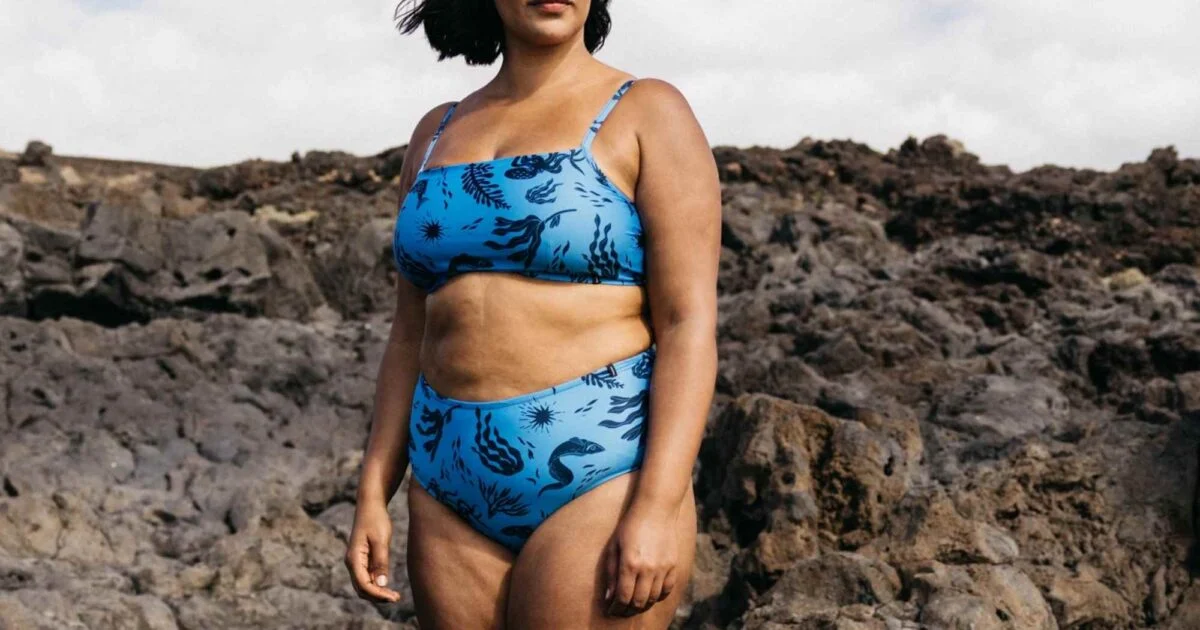
As the warmth of summer beckons and thoughts turn to sun-drenched days by the water, the annual pursuit of the perfect bikini begins. This seasonal quest, however, is increasingly shadowed by a critical contemporary concern: sustainability. Finding swimwear that not only fits well and flatters but also aligns with environmental and ethical principles presents a significant challenge for today’s conscious consumer. This article delves into the complexities of sustainable swimwear, examining the environmental impact of conventional production, highlighting innovative material solutions, and spotlighting brands that are leading the charge towards a more responsible bikini season.
The Environmental Wake of Conventional Swimwear
For decades, the swimwear industry has relied heavily on synthetic fabrics like nylon, polyester, and spandex. These materials are prized for their inherent properties: exceptional stretch, quick-drying capabilities, and resistance to chlorine and saltwater, making them ideally suited for aquatic environments. Their versatility and low production cost have also made them ubiquitous, not just in swimwear but across activewear, outerwear, and the broader fast fashion landscape. However, the widespread adoption of these materials comes at a steep environmental price.
The primary issue stems from their composition: plastic. Synthetic fibers are derived from petrochemicals, a non-renewable resource, and their production is energy-intensive, contributing to greenhouse gas emissions. More critically, plastic is not biodegradable. This means that every synthetic bikini ever made will persist in the environment for hundreds, if not thousands, of years, long after its functional life has ended. The problem is exacerbated throughout the garment’s lifecycle. During production, dyes and chemicals can pollute waterways. Crucially, with every wash cycle, these synthetic garments shed microscopic plastic particles, known as microfibers, which are too small to be filtered by conventional wastewater treatment plants. These microfibers enter rivers and oceans, where they are ingested by marine life, accumulating up the food chain and posing significant threats to ecosystems and potentially human health. Estimates suggest that billions of microplastic fibers are released into aquatic environments daily from laundry, with textiles accounting for a substantial portion of oceanic plastic pollution. The relentless cycle of fast fashion, which encourages frequent purchases of trend-driven, inexpensive swimwear, only amplifies this environmental burden, leading to immense textile waste that clogs landfills and pollutes natural habitats.
Pioneering Solutions: Materials Making a Sustainable Splash
Recognizing the urgent need for change, innovators in the textile industry and a growing number of forward-thinking brands have begun to explore and implement lower-impact alternatives to virgin synthetics. This movement marks a crucial shift towards mitigating the environmental damage associated with swimwear production.
One of the most significant advancements has been the development of recycled synthetic materials. Italian firm Aquafil’s ECONYL stands out as a prime example. This regenerated nylon yarn is created from synthetic waste, including discarded fishing nets, industrial plastic scraps, and waste fabric that would otherwise pollute landfills and oceans. The waste is collected, cleaned, depolymerized, and then re-polymerized into a new nylon yarn that boasts the same quality and performance characteristics as virgin nylon. Similarly, REPREVE, another widely adopted recycled fiber, transforms post-consumer plastic bottles into high-quality polyester and nylon. These innovations offer a dual benefit: they divert waste from critical ecosystems and reduce the demand for new petroleum-based resources, thereby lessening the carbon footprint associated with virgin plastic production. While these materials are still plastic, their circularity significantly reduces their overall environmental impact, representing a substantial step forward in sustainable textile technology.
Beyond recycled synthetics, some brands are venturing into natural alternatives. Hemp-based swimwear, championed by brands like Natasha Tonic, represents a truly groundbreaking approach. Hemp is an incredibly sustainable crop, requiring minimal water and no pesticides or herbicides to grow. Its fibers are naturally anti-microbial, UV resistant, and remarkably durable, making them surprisingly well-suited for swimwear. While the elasticity and quick-drying properties might differ slightly from traditional synthetics, advancements in fabric blends and weaving techniques are continually improving performance. The primary advantage of hemp, however, lies in its biodegradability, offering a genuine end-of-life solution that conventional synthetics cannot. Other natural materials like organic cotton, while not typically ideal for direct swim applications due to water absorption, are being explored in blends or for ancillary swimwear components.
It is crucial for consumers to remain vigilant against greenwashing in this evolving landscape. The mere mention of "eco-friendly" or "sustainable" materials does not always equate to a truly ethical product. A comprehensive approach to sustainability extends beyond just the fabric; it encompasses the entire supply chain, including ethical labor practices, responsible dyeing processes, water conservation, and animal welfare considerations. Savvy brands integrate these principles holistically, ensuring transparency from raw material sourcing to final garment production.
Beyond Fabric: The Pillars of Truly Ethical Swimwear Production
While material innovation is foundational, a truly sustainable swimwear brand integrates a broader spectrum of ethical practices. The manufacturing process itself, the treatment of workers, and the brand’s commitment to circularity are equally vital.
Ethical Labor Practices are non-negotiable. This involves ensuring fair wages, safe working conditions, reasonable working hours, and the absence of child or forced labor throughout the supply chain. Brands committed to ethical production often partner with certified factories (e.g., Fair Trade Certified, SA8000) or conduct rigorous independent audits of their manufacturing facilities. Transparency regarding factory locations and labor policies is a hallmark of responsible brands, allowing consumers to trace the journey of their garments.
Circular Economy Principles aim to minimize waste and maximize resource utility. For swimwear, this means designing for longevity, offering repair services, and implementing take-back or recycling programs for old garments. Durable construction, timeless designs that resist fleeting trends, and high-quality materials all contribute to extending the lifespan of a bikini, reducing the need for constant replacement. Some brands are exploring innovative end-of-life solutions, such as chemical recycling for their synthetic components, to ensure materials can be perpetually regenerated rather than discarded.
Water and Chemical Management are critical. The textile industry is notoriously water-intensive and often uses harmful chemicals in dyeing and finishing processes. Sustainable swimwear brands prioritize water-saving technologies, utilize closed-loop systems to recycle water, and opt for low-impact, OEKO-TEX certified dyes that are free from hazardous substances. This commitment safeguards local ecosystems and the health of factory workers.
Transparency and Traceability tie all these elements together. Ethical brands are increasingly open about their supply chains, from the origin of their raw materials to the final stitch. This transparency builds consumer trust and holds brands accountable for their environmental and social claims. Tools like Good On You’s rating system provide independent assessments, empowering consumers to make informed decisions based on comprehensive evaluations of a brand’s impact on people, the planet, and animals.
Curated Selection: Brands Leading the Sustainable Swimwear Movement
Navigating the market for sustainable bikinis can be daunting, but a growing number of brands are demonstrating that style and ethics can indeed coexist. Here, we spotlight some of the leading brands making significant strides in responsible swimwear:
Underprotection (Denmark): This Danish brand seamlessly blends ethics and aesthetics, creating underwear, loungewear, and swimwear from lower-impact materials such as organic cotton and recycled polyester. They are deeply committed to fair working conditions and fair wages, partnering exclusively with certified factories. Their dedication extends to their packaging, which is either recycled or biodegradable, ensuring a minimal environmental footprint from production to delivery. Underprotection celebrates all women, focusing on designs that inspire confidence and comfort. Available in sizes XS-XL.
Loop Swim (US/India, HQ Shanghai): Founded by two women, Loop Swim is dedicated to closing the loop on waste through circular design. They transform post-consumer plastic bottles into high-performance REPREVE UP50+ sun-protective swimwear for the entire family. Their designs are intentionally trendless and crafted for durability, ensuring shape and color retention through countless swims. This commitment to quality and recycled materials makes them a strong contender for conscious consumers. Most items are available in sizes XS-XL.
1 People (Denmark): A Danish-designed lifestyle and luxury brand, 1 People embodies Scandinavian minimalism and a conscious mindset. Their collections feature effortlessly elegant pieces, thoughtfully crafted by small, family-run manufacturers using lower-impact and certified materials. Their focus on quality and timeless design encourages longevity and reduced consumption. The collection is available in sizes XS-XL.
Anekdot (Germany): Based in Berlin, Anekdot specializes in sustainable designer underwear, swimwear, and loungewear, all handmade with a strong emphasis on upcycling. They ingeniously repurpose production leftovers, deadstock fabrics, and vintage trimmings, giving these materials a new life in limited edition products. This approach significantly reduces waste and fosters unique, exquisite intimates. Most products are available in sizes XS-XL.
ColieCo (Portugal): This Portuguese brand offers premium lingerie, underwear, and swimwear through a unique handmade-to-order process. Every garment is meticulously manufactured using exclusively lower-impact and responsibly sourced fabrics. Their commitment to on-demand production minimizes waste and ensures that each piece is crafted with care and precision, offering a truly bespoke and sustainable option. The range is available in sizes 2XS-3XL.
Natasha Tonic (US): Pushing the boundaries of material innovation, Natasha Tonic creates swimwear primarily from hemp. Recognizing the issues with traditional polyester, her brand offers a healthier choice for both skin and oceans. Hemp’s natural properties—anti-microbial, UV resistant, and durable—make it an exceptional alternative. Each piece is also hand-printed, ensuring unique variations and a personalized touch. Collections are available in sizes XS-L.
Kampos (Italy): A luxurious Italian brand, Kampos champions integrity and conscience for current and future generations. They actively raise awareness about over-fishing and marine pollution, offering unique pieces made from recycled plastic bottles, fishing nets, and other lower-impact organic fabrics. Their blend of high fashion and environmental advocacy sets them apart. Most products are available in sizes XS-2XL.
Finisterre (UK): Born from the demands of hardy British surfers, Finisterre is a pioneering outdoor brand built on a love for the sea and exceptional, sustainable products. Their commitment to durability and performance for marine environments is matched by their responsible sourcing and manufacturing practices, making them a trusted choice for those who value both adventure and ethics. Most items are available in sizes XS-2XL.
BONDI BORN (Australia): Known for versatile and silky designs, BONDI BORN offers conscious pieces like their flared mini cami top and universal wrap skirt, which can be perfectly paired with their swimwear. Their garments are sustainably made using premium Bulgarian linen blends, showcasing a dedication to high-quality, lower-impact materials. Available in sizes XS-L.
Modibodi (Australia): While primarily known for its original period and leak-proof underwear, Modibodi’s innovative approach to absorbency and comfort aligns with sustainable principles by reducing reliance on disposable products. Though not exclusively a swimwear brand, their focus on functional, reusable garments speaks to a broader commitment to conscious consumption. Some products are inclusively sized from 3XS-6XL.
NIKIN (Switzerland): This Swiss brand allows consumers to "wear their morals" quite literally. For every product purchased, NIKIN plants a tree, directly contributing to reforestation efforts. This direct impact initiative, combined with their commitment to responsible production, appeals to consumers seeking tangible environmental contributions from their purchases. Products are available in sizes XS-2XL.
TWOTHIRDS (Spain): TWOTHIRDS positions itself as a brand for those who appreciate the immense value of our oceans and demand style with substance. They manufacture all products locally to minimize their carbon footprint and rigorously audit all final stages of production, ensuring high standards of environmental and social responsibility. The clothes are available in sizes XS-L.
Spell (Australia): An Australian fashion brand inspired by far-off places and vintage treasures, Spell designs and samples its clothes responsibly in Byron Bay, with production in ethically managed factories worldwide. Their bohemian aesthetic is coupled with a growing commitment to sustainable practices, appealing to a global audience. Most garments are available in sizes 2XS-2XL.
Afends (Australia): Hailing from Byron Bay, Afends is a leader in hemp fashion, driven by inspiration from the environment, streetwear, and surf culture. Their mission is to create sustainable clothing through innovation and positive change. As true hemp advocates, they even own 100 acres of farmland to grow their own hemp crops, embodying a holistic approach to sustainability. Most of the range is available in sizes XS-XL.
CASAGiN (Italy): This Italian brand designs apparel for individuals aspiring to a more sustainable and conscious lifestyle. CASAGiN’s commitment extends to their swimwear, reflecting a broader philosophy of mindful consumption and environmental stewardship in fashion. Most items are available in sizes XS-2XL.
Koraru (Japan): Named after the Japanese pronunciation of "coral," Tokyo-based Koraru creates swimwear inspired by circularity principles. They use lower-impact materials, offer a recycling program for their products, and partially trace their supply chain, demonstrating a dedication to minimizing their environmental impact and protecting marine ecosystems. Available in sizes XS-XXL.
Empowering the Conscious Consumer: Navigating the Market
The shift towards sustainable swimwear is gaining momentum, but the power ultimately lies with the consumer. Making informed choices can drive significant change within the industry. Here are key considerations for the conscious buyer:
- Prioritize Materials: Look for bikinis made from recycled synthetics (ECONYL, REPREVE), organic natural fibers like hemp, or innovative blends.
- Invest in Quality: Opt for durable, well-constructed pieces with timeless designs that will last for many seasons, reducing the need for frequent replacements.
- Support Transparent Brands: Choose brands that are open about their supply chains, labor practices, and environmental initiatives. Utilize independent rating systems like Good On You to verify claims.
- Extend Garment Life: Practice gentle care, such as hand washing swimwear in cold water and air drying, to reduce microfiber shedding and prolong its lifespan.
- Demand Change: Your purchasing power is a powerful tool. By choosing sustainable options, you signal to the market that ethical production matters, encouraging more brands to adopt responsible practices.
As bikini season arrives, it is clear that the decision of what to wear to the beach or pool has implications far beyond personal style. By embracing sustainable swimwear, consumers can actively contribute to protecting our oceans, supporting ethical labor, and fostering a more responsible fashion industry for generations to come. The future of swimwear is not just about looking good, but about doing good.